








Introduction:On hot summer days, iced coffee becomes the go-to choice for many to refresh and energize. But did you know that these four common types of iced coffee — iced americano, iced pour over, cold brew, and ice drip — differ greatly in their brewing methods, flavor profiles, and suitable scenarios? This article will take an in-depth look at their extraction techniques, required time, difficulty level, and compare their flavor characteristics to help you find the most satisfying iced coffee based on your taste preferences and lifestyle.
Among the many iced coffee options, iced americano, iced pour over, cold brew, and ice drip are the four most common types. Although they all share “ice” as their base, they each have unique features in terms of extraction methods, production processes, flavor expressions, and target audiences. Whether you’re after quick convenience or appreciate slow, meticulous brewing, understanding these differences can help you choose the iced coffee that suits you best.
Let’s start with the brewing methods. Iced americano and iced pour over belong to the "hot-to-cold" approach: the former uses high-temperature extraction to produce espresso, which is then diluted with ice to cool it down; the latter is similar to regular pour over but brewed hot first and then adjusted in concentration and temperature by adding ice. Cold brew and ice drip, on the other hand, are completely different — they use cold water throughout the entire extraction process, classifying them as "low-temperature slow brews." As a result, their flavor profiles tend to be softer, lower in acidity, and more layered.

Iced americano is one of the most well-known types of iced coffee. Its method is relatively simple: espresso is extracted using an espresso machine and then mixed with iced water. It is recommended to use medium to dark roasted beans, such as blends with creamy, nutty, or chocolatey notes, which can retain a rich flavor foundation even after cooling. In practice, using 20 grams of coffee grounds to extract 40 grams of espresso, combined with 90 grams of ice and 180 grams of cold water, allows you to quickly make a refreshing iced americano that still highlights the essence of coffee.
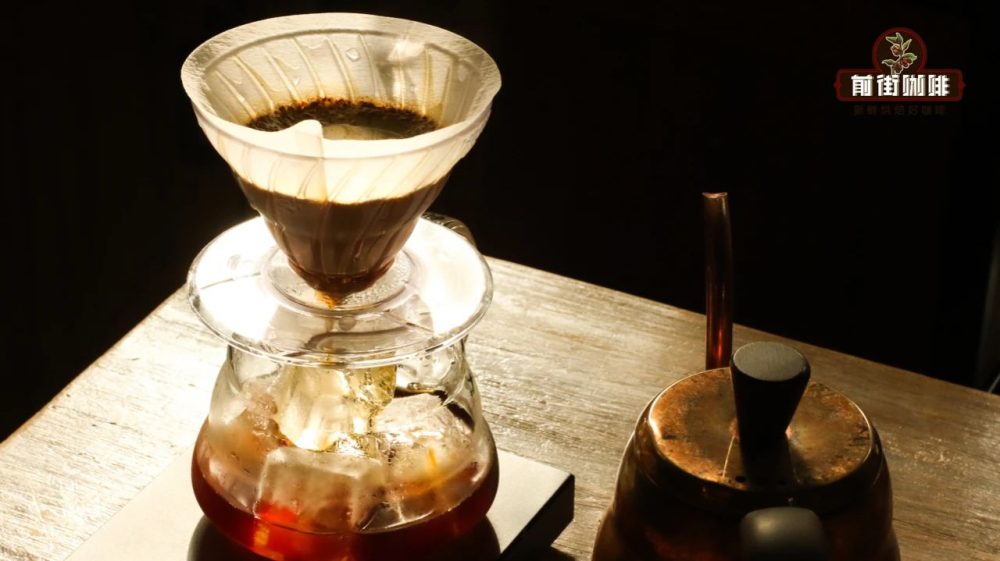
Iced pour over adjusts the brewing strategy based on traditional pour over techniques to create a concentrated flavor suitable for cooling. Typically, medium to light roasted beans with prominent fruity or floral notes are used, brewed at a high concentration and extraction rate, and then cooled and adjusted in taste by adding ice. For example, using 15 grams of coffee grounds and about 150 grams of 92°C hot water for a three-stage extraction, followed by dilution with 75 grams of ice, results in a clear, bright, and flavorful iced pour over.


Cold brew coffee follows a completely different brewing philosophy. It involves steeping coffee grounds in cold water for an extended period, usually refrigerated for 8 to 12 hours, allowing the coffee flavors to slowly release while reducing acidity and harshness. For this method, it is recommended to use medium-fine grind (similar to the coarseness of granulated sugar), with a coffee-to-water ratio of 1:10 — for instance, 60 grams of coffee grounds with 600 grams of water. After steeping in a sealed container in the fridge and filtering, the cold brew is complete. This method yields a rich, sweet flavor with low bitterness, making it ideal for those who prefer a smooth mouthfeel.
Ice drip is the most time-consuming method of all, but it also best showcases subtle details and fermentation layers. It works by allowing melted ice water to slowly drip through a bed of coffee grounds at an extremely slow rate, typically taking 6 to 8 hours or even longer. During the ice drip process, it’s advised to aim for a drip rate of about 7 drops per 10 seconds, with a coffee-to-water ratio of approximately 1:10 to 1:14, depending on whether ice dilution will be added later. The resulting ice drip coffee is often refrigerated for additional fermentation to enhance aroma and complexity, especially highlighting beans with wine-like or fruity characteristics.

In terms of production time, iced americano and iced pour over are the fastest options, usually taking just a few minutes; whereas cold brew and ice drip require much longer waiting periods — about 12 hours and 6 to 8 hours respectively — making them better suited for situations where advance planning is possible.
When evaluating difficulty and equipment needed, iced pour over and cold brew are relatively beginner-friendly, requiring only basic pour over tools or a sealed container. Iced americano requires an espresso machine, while ice drip needs specialized equipment, making it more challenging for beginners.
In terms of flavor expression, iced americano usually has a refreshing, straightforward taste but with a simpler profile, and the liquid may appear somewhat cloudy. Iced pour over excels in clarity and brightness, faithfully presenting the primary flavor notes of the beans with good transparency. Cold brew coffee is characterized by low acidity, sweetness, and richness, offering a smoother mouthfeel. Ice drip, due to its low-temperature slow brewing and subsequent fermentation process, often carries unique wine-like and fermented fruit aromas, with more noticeable bitterness but a rich and complex flavor — making it the most intricate type of iced coffee.

In summary, choosing which type of iced coffee depends not only on personal taste preferences but also on preparation conditions, time availability, and equipment setup. Whether you’re after a quick, refreshing iced americano or prefer the nuanced flavors of a slow-brewed ice drip, understanding the differences among these four iced coffees will help you find the perfect cup to beat the summer heat.
The above content is compiled by CoffeeHunters, a coffee news website.


