







Category: Coffee Knowledge

The Ultimate Guide to Panama Geisha from Finca El Velo: Terroir Breakdown, Red/Green/Blue Label Differences & Pour Over Recommendations
Panama Geisha coffee from Finca El Velo is world-renowned for its delicate floral and fruity aromas, but do you know the differences between the Red Label, Green Label, and Blue Label? This article starts with the origins of the Geisha variety, explores how Finca El Velo elevated it to the pinnacle of specialty coffee, and breaks down the grading logic of the three classic tiers, core growing area terroir characteristics, along with practical pour over parameters and a full flavor guide. It’s an essential read for anyone looking to deeply understand Geisha coffee. [more…]
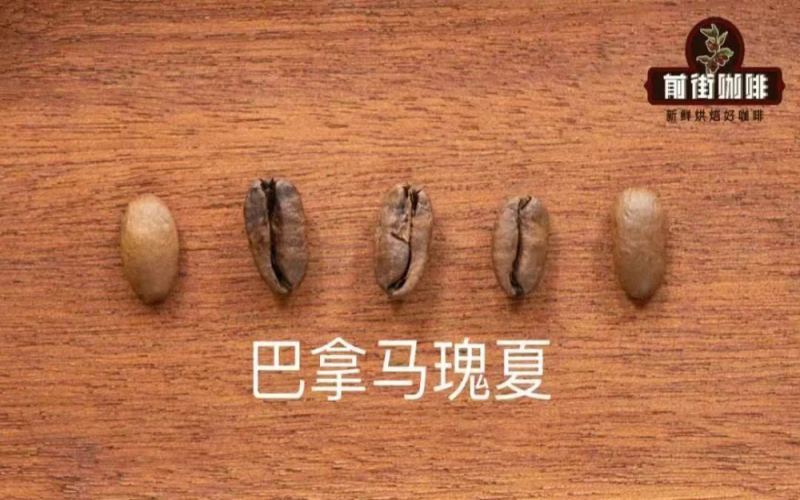
A Complete Guide to Panama Finca Geisha: How to Choose Between Red, Green, and Blue Labels? All About Pour Over Parameters and Flavors in One Look
Want to understand the charm of top-tier Geisha coffee? This article takes an in-depth look at Panama Finca Geisha's Geisha (also known as Geisha or Gesha) coffee — from its origin story and growing conditions, to the differences between the Red Label auction lots, Green Label private reserves, and Blue Label flavors. It also offers practical pour over recommendations and flavor descriptions to help you find your ideal Geisha experience. [more…]

Fresh Milk vs. Water Buffalo Milk in Coffee: A Practical Test Analyzing Flavor Layers, Milk Foam Details, and Pairing Suggestions
When coffee meets different milk sources, the resulting flavor profiles can vary significantly. This article presents a hands-on comparison using three classic coffee beverages—hot latte, Dirty, and iced mocha—to evaluate the real-world performance of glass-bottled fresh milk versus water buffalo milk. We analyze in detail aspects such as milk foam texture, integration, layering effects, and overall flavor profile, while also interpreting how pasteurization and ultra-high temperature (UHT) sterilization impact taste. The goal is to help coffee enthusiasts and shop owners choose the most suitable milk pairing. [more…]
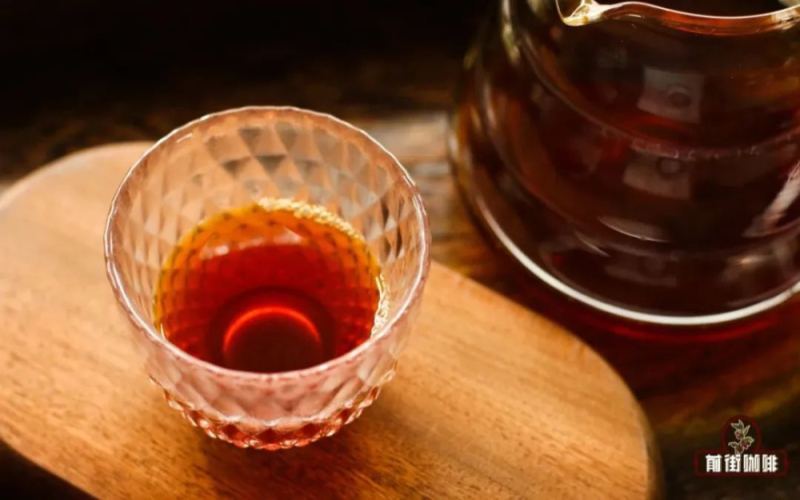
How to identify an unbalanced pour over extraction? Find the optimal extraction point through acidity, astringency, and bitterness
The quality of a pour over coffee hinges on achieving the right extraction. But how can you tell by taste whether it’s over-extracted or under-extracted? This article delves into the common flavor characteristics of extraction imbalance—including sharp acidity, watery mouthfeel, saltiness, and woody notes—and explores the underlying causes. It also offers practical advice for adjustment. Whether you’re a beginner or a seasoned enthusiast, you’ll learn how to fine-tune key parameters such as coffee-to-water ratio, water temperature, and grind size. [more…]
The Complete Guide to Coffee Grind Size: Flavor Keys and Common Mistakes in Pour Over and Espresso Extraction
The delicate presentation of coffee flavor relies not only on high-quality beans and equipment, but grind size is also a key variable. The appropriate particle size can guide the balance of acidity, sweetness, and bitterness, while grind that is too coarse or too fine may compromise the overall performance. This article delves into how grind size affects extraction efficiency and flavor release, and provides identification and adjustment suggestions for common brewing methods such as pour over and espresso, helping you brew an ideal cup of coffee more consistently. [more…]
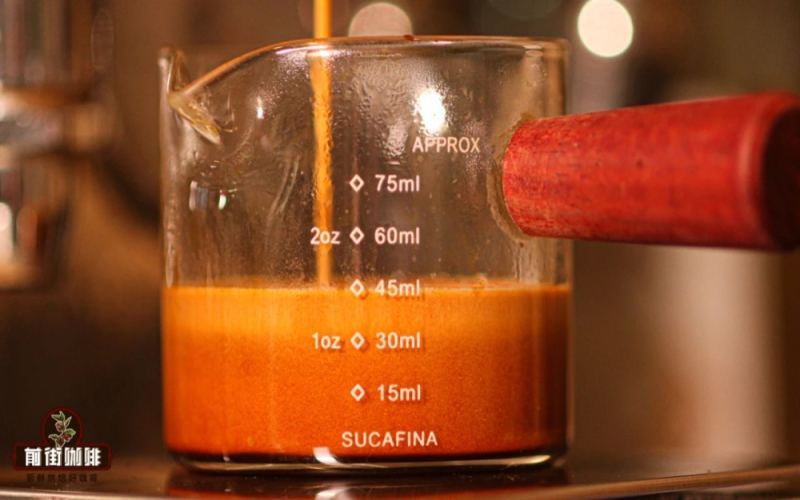
Can a Moka pot produce Crema? A complete guide to extraction techniques and coffee bean selection
Want to brew a rich coffee with Crema using a Moka pot? Although a Moka pot can't fully replicate the performance of a professional espresso machine, mastering the right bean selection, grind size, and brewing techniques can still yield a coffee with distinct layers and a rich crema. This article will delve into how to achieve Moka pot coffee with an espresso-like flavor at home—through freshly roasted beans, suitable roast levels, and precise grinding—and we’ll also recommend several practical and cost-effective beans. [more…]
How to distinguish Indonesian Mandheling from PWN Golden Mandheling? A complete guide to pour over parameters and flavor differences
Indonesian Mandheling coffee is known for its rich spices, herbal notes, and full-bodied taste, making it a popular choice for many coffee enthusiasts. But do you know the difference between Golden Mandheling and regular Lintong Mandheling? From origin, variety, processing method, to flavor and pour over parameters, this article provides an in-depth analysis of the differences between the two and offers practical pour over recommendations to help you better understand this classic Southeast Asian coffee. [more…]
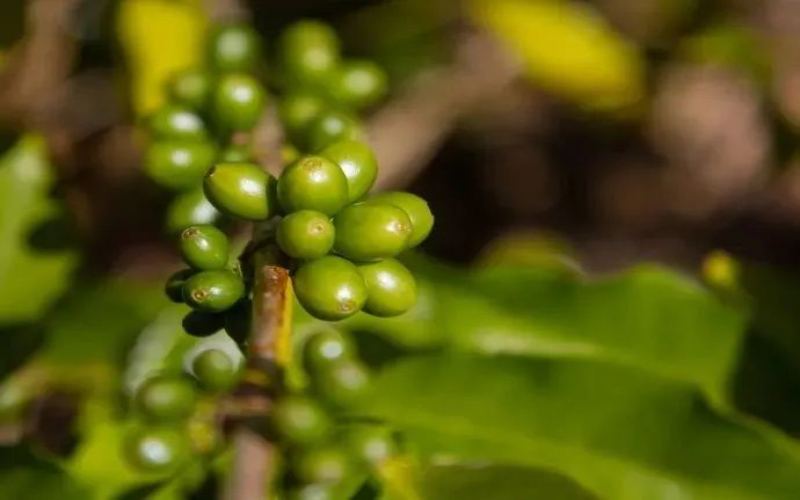
What is Slender Bourbon coffee? Reasons for its high price and flavor comparison with Geisha
Slender Bourbon is a uniquely shaped and extremely rare coffee variety, renowned for its slender bean shape and distinctive floral and fruity aromas. This article delves into why it belongs to the Arabica species, the factors behind its high price, and provides a flavor comparison with the well-known Geisha variety. It also introduces the evolutionary history of the Bourbon variety, highlights characteristics of derivative varieties such as Yellow Bourbon, and shares practical buying and brewing tips to help you gain a more comprehensive understanding of this legendary coffee. [more…]

Moka Pot Brewing Guide | Beginner Bean Selection & Bialetti Extraction Tips + 5 Italian Blend Recommendations
The moka pot is the go-to tool for many households to brew rich coffee. Since its launch in 1933, it has remained widely popular due to its simple operation and classic design. This article will detail the structure and working principle of the moka pot, the ideal roast level for coffee beans, provide essential extraction tips for beginners, and also recommend five Italian blend coffee beans suitable for use with the moka pot—from classic bold flavors to high cost-performance options—to help you find your perfect match. [more…]

Analysis of Ethiopia Gesha Village Gold Label Beans: 3.7% Extremely Rare Yield & Pour Over Flavor Guide
The Gold Label coffee beans from Ethiopia’s Gesha Village Estate account for only 3.7% of the annual production, making them an exceptionally rare and high-end batch. This article will take you on a journey to explore the geographical environment of Gesha Village, the variety characteristics of its eight growing areas, the rigorous grading system, and provide a detailed guide to brewing techniques and flavor profiles of the Gold Label Gesha. It offers a complete reference from bean selection to brewing. [more…]

Beginner's Guide to Latte Art: From Milk Frothing to Heart Patterns, Essential Skills for Beginners
Struggling to master latte art? The key lies in milk foam texture, pouring technique, and pitcher grip. This guide breaks down the entire process—from using the steam wand, achieving the right milk temperature, mastering the pour, to holding the pitcher and cup—step by step. It helps you build a solid foundation and provides efficient practice methods, so even beginners can gradually improve. [more…]
Beginner's Guide to Latte Art: Milk Frothing Techniques, Pouring Essentials, and Step-by-Step Instructions for Heart and Tulip Patterns
Struggling to master latte art? In fact, by nailing the three core skills—milk frothing, milk and espresso blending, and pouring technique—you can consistently create beautiful and smooth patterns. This guide breaks down everything from steam wand angle and milk temperature control to step-by-step instructions for layered hearts, tulips, and leaf patterns, helping you systematically master latte art. Even beginners can gradually improve their success rate. [more…]

The Complete Guide to Semi-Automatic Espresso Machine Maintenance & Cleaning: 5 Key Steps for Great Extraction
A well-maintained semi-automatic espresso machine is key to brewing rich and flavorful coffee. This guide details the complete process from daily cleaning to deep maintenance, including external upkeep, group head screen cleaning, portafilter and basket management, backflushing procedures, and more. It also offers advice on choosing coffee beans suitable for espresso extraction, helping you maintain your equipment at peak performance and consistently produce high-quality coffee. [more…]
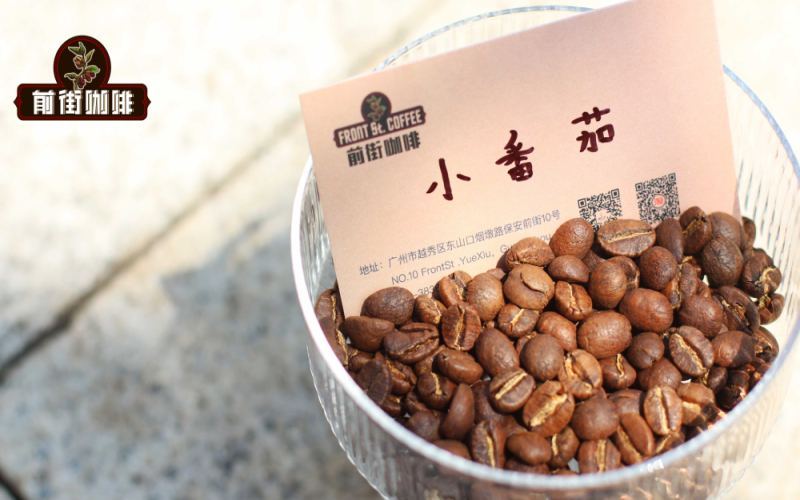
Complete Guide to Kenya K72 Double Washed Processing: From SL Varieties to Berry-Flavored Pour Over Parameters
An in-depth exploration of Kenya's world-renowned K72 double washed processing technique, covering the 72-hour fermentation process, characteristics of native varieties such as SL28/SL34, grading systems, and the origins of its berry acidity. This article fully dissects the science behind Kenya coffee's flavor profile and provides practical pour over parameters and roasting curve references to help coffee enthusiasts master the brewing essence of high-altitude African beans. [more…]
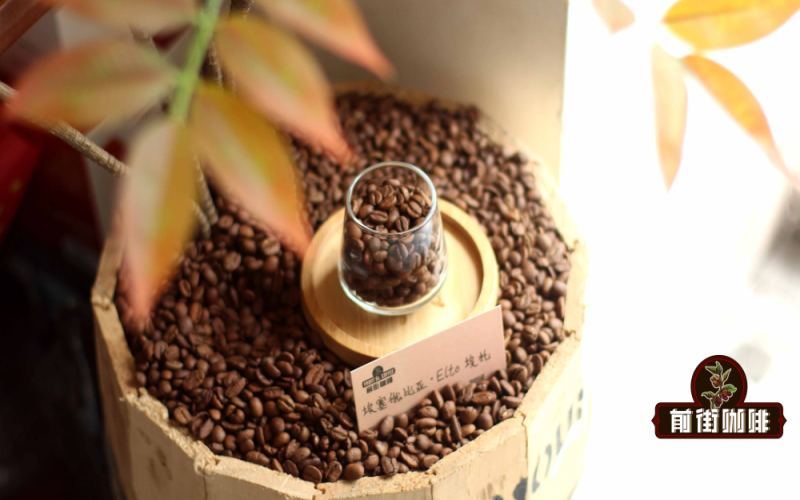
Complete Guide to Kenyan K72 Washed Process: Decoding 72-Hour Fermentation, SL Varieties, and Grading System
Kenyan coffee is renowned for its bright acidity and layered flavors, and the secret lies in the unique K72 double-washed processing method. This article breaks down its three-stage 72-hour fermentation process in detail, explores the characteristics of the SL28 and SL34 varieties, and explains Kenya’s rigorous coffee bean grading system. It also provides practical roasting profiles and pour over brewing recommendations to help you fully grasp the essence of Kenyan beans—from origin craftsmanship to cup flavors. [more…]
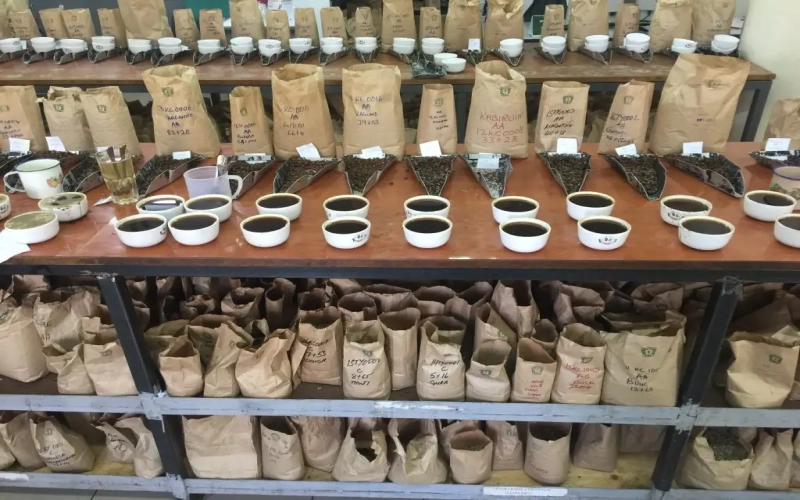
What’s the difference between Kenyan AA and TOP-grade coffee beans? A comprehensive analysis from grading to flavor
The grading system of Kenyan coffee beans is a subject that puzzles many coffee enthusiasts, especially with classifications like AA, AB, PB, as well as unofficial labels such as TOP and PLUS. This article delves into both the official and unofficial grading standards of Kenyan coffee, examining bean size, hardness, and cupping performance. It also includes a hands-on pour over comparison of the flavor differences between AA and AA TOP, helping you choose your ideal Kenyan coffee beans with greater precision. [more…]
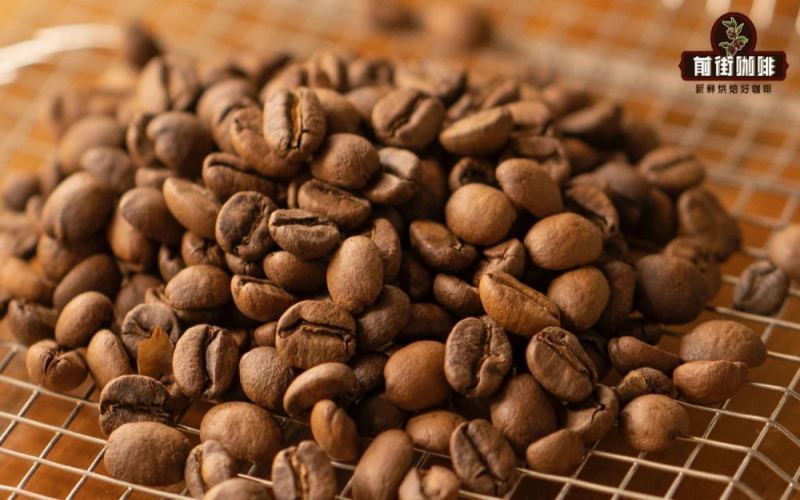
Home Espresso Machine Starter Guide: Crafting Standard Espresso & Blending Bean Selection Tips
For beginners who have just started using a home espresso machine, making a rich-tasting, crema-packed shot of espresso — and even expanding it into a latte — is actually not difficult. This guide starts with basic equipment operation, detailing key steps such as bean selection, dose distribution, tamping, and extraction time, and explains why Italian-style espresso blends are more suitable for making milk-based coffee at home. It also provides practical parameter suggestions to help you steadily master the extraction rhythm, reduce errors, and easily create professional-grade espresso. [more…]
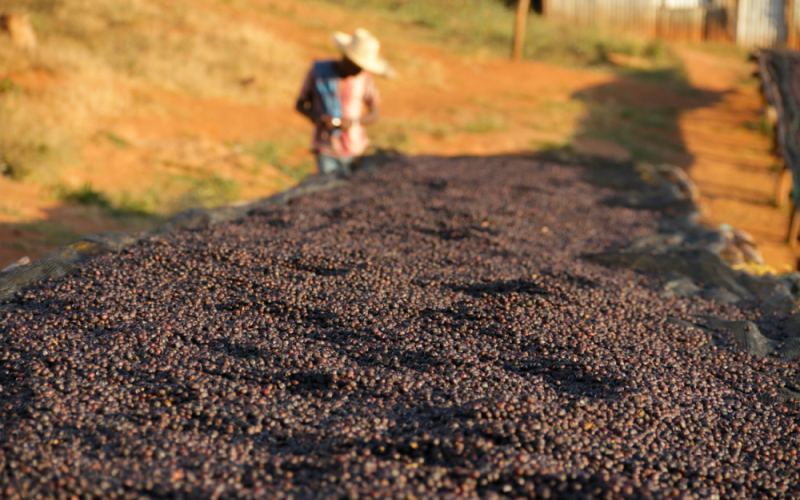
Analysis of the Differences Between Natural and Washed Coffee Processing Methods | The Flavor Secrets from Aroma to Body
Natural and washed are two of the most classic processing methods for green coffee beans, both of which have a significant impact on the final brewed coffee’s aroma, acidity, and body. This article will delve into the key steps of these two processing methods, including mucilage retention, fermentation conditions, drying methods, and more. It will also explore through practical examples how they shape different coffee flavor profiles, helping you better understand how to choose the right coffee beans based on your taste preferences. [more…]
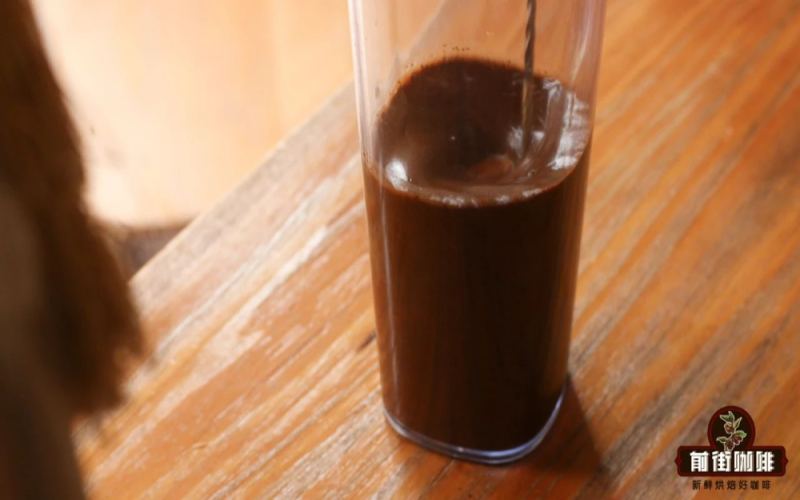
Complete Guide to Making Iced Milk Cold Brew: Bean Selection, Ratios & Flavor Analysis
Easily make smooth and rich iced milk cold brew at home with this guide. This article details how to create a delicate-textured and flavor-varied milk-based cold brew using milk instead of water in the cold brew process. From selecting the right coffee beans, choosing the type of milk, grind size, to the full step-by-step brewing method, we’ll guide you through the key techniques and share real taste profiles from practical examples. Whether you prefer intense caramel notes or refreshing fruity flavors, you’ll find your perfect recipe. [more…]

The Truth Behind the Oil on Cold Brew Coffee | Enhancing Flavor Through Low-Temperature Extraction Principles and Filtration Techniques
Cold brew coffee has become the go-to choice for many people making iced coffee at home due to its simple operation and low cost. However, many notice a layer of oil floating on the surface after brewing, which raises concerns about spoilage or unclean equipment. In reality, this phenomenon is quite different from the crema found in espresso. This article delves into the mechanism of cold brew’s low-temperature extraction, explores the reasons behind the floating oil, and provides practical operational tips such as filter selection and secondary filtration to help you improve your cold brew. [more…]