







Introduction:Sun-dried (natural) and washed (washed process) are two of the most classic methods of processing green coffee beans, both of which have a significant impact on the final aroma, acidity, and body of the brewed coffee. This article will delve into the key steps of these two processing methods, including mucilage retention, fermentation conditions, drying methods, and more. Through real-world examples, we’ll explore how they shape different coffee flavor profiles to help you better understand how to choose the right coffee beans based on your taste preferences.
Have you ever wondered why coffee beans from the same region can taste wildly different—some bursting with fruity aroma and full-bodied richness, while others are bright, clean, and refreshing? One of the key factors lies in the “green coffee processing method.” Among them, sun-dried and washed are the most common and representative methods, and they differ significantly in processing steps, fermentation control, and final flavor expression.
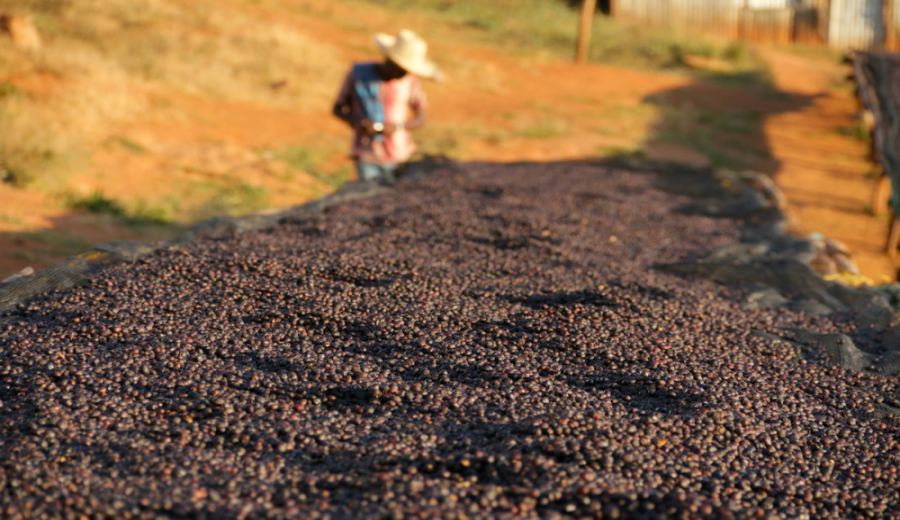
Traditional sun-dried processing retains the entire fruit flesh and mucilage layer of the coffee cherry, undergoing a natural drying process under the sun for up to two to four weeks. This method usually relies on stable and abundant sunlight. As the beans dry, the sugars and yeasts in the fruit flesh gradually interact, creating rich fruity aromas and wine-like notes, while also imparting deeper body and complexity to the coffee. Taking the African raised drying beds as an example, coffee cherries are evenly spread out and need to be turned multiple times a day to ensure even heat distribution, avoiding issues like mold or uneven drying.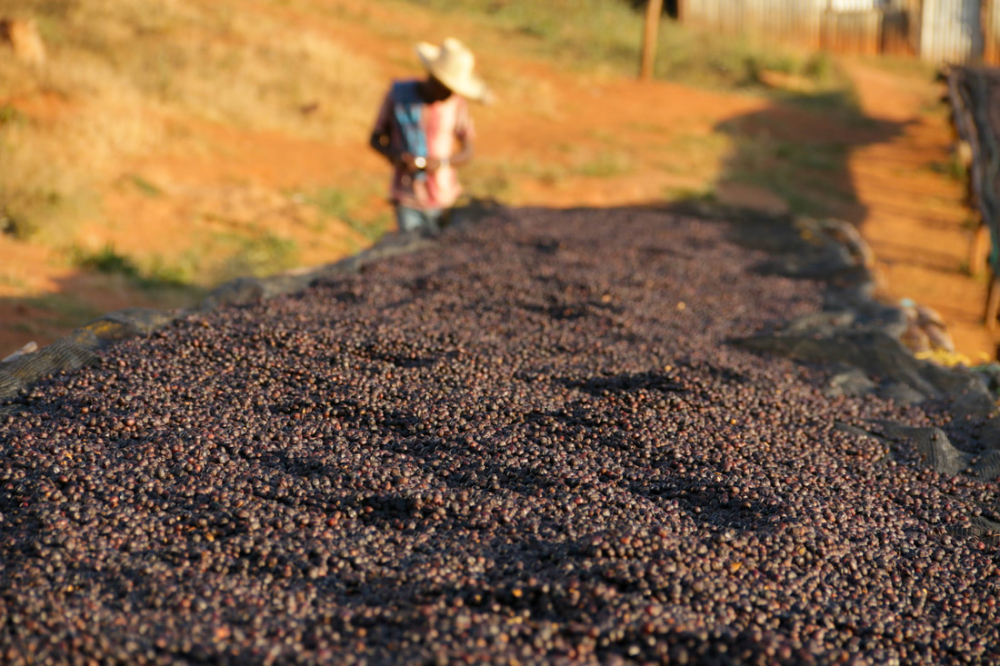
In contrast, the washed process originated in 18th-century Netherlands and is a more scientifically controlled and hygienic procedure. After harvesting, coffee cherries first go through flotation, where differences in buoyancy caused by ripeness levels are used to remove unripe or overripe fruits. Next, a pulper removes the outer skin and flesh, leaving only the green bean covered with a sticky mucilage layer. At this stage, the mucilage is still tightly wrapped around the bean and must undergo a fermentation process lasting 18 to 36 hours to break it down effectively. Fermentation can be done either as wet fermentation (with added water) or dry fermentation (without water), each influencing the flavor profile in unique ways. Once fermentation is complete, the beans are moved to washing channels where water flow and friction between beans remove all remaining mucilage until the surface is smooth and clean.
The most distinctive feature of the washed process is its “clean” flavor profile, typically showcasing bright acidity, clear floral and fruity aromas, and a soft mouthfeel—making it ideal for those who prefer layered, low-interference flavors. However, this method requires a relatively high amount of water, so it is less commonly used in arid regions and is more often seen in areas with abundant rainfall. Additionally, after washing, the coffee beans have a moisture content of about 50%, which must then be gradually reduced to a safe level of 11–12% in a controlled temperature and humidity environment to prevent mold.
One of the biggest differences between the two methods lies in whether the “mucilage layer is retained.” The sun-dried method keeps the complete flesh and mucilage, allowing sugars and microbes to continue interacting during drying and resulting in richer sweetness and complex fruitiness. The washed method, on the other hand, completely removes the mucilage through fermentation and washing, highlighting the coffee’s inherent acidity and elegant aroma.
Drying environment and duration also greatly influence the flavor. During sun-drying, subtle differences in temperature, humidity, and ventilation can lead the final cup to emphasize upfront fruity notes, mid-palate winey tones, or lingering nutty and caramel finishes. The washed process, meanwhile, relies more on careful control of fermentation—for example, overly long fermentation may produce off-flavors of over-fermentation, while too short fermentation may leave mucilage not fully broken down, affecting the purity of the mouthfeel.
In summary, the sun-dried method excels at creating a rich, sweet, and layered coffee experience, ideal for those who enjoy full body and extended fruity notes. The washed method, on the other hand, is known for its bright, clean acidity and distinct aromas, suiting those who prefer a crisp taste and well-defined flavor layers. Understanding the principles and details behind these processing methods can help you make more informed choices when selecting coffee beans based on your personal taste preferences.
The above content is compiled by CoffeeHunters, a coffee news website.


