








Introduction:Indonesian Mandheling coffee is renowned for its rich spices, herbal notes, and bold body, making it a popular choice for many coffee enthusiasts starting their journey. But do you know the difference between Golden Mandheling and regular Lintong Mandheling? From origin, variety, processing method to flavor and pour over parameters, this article delves into the distinctions between the two and offers practical pour over recommendations to help you better understand this classic Southeast Asian coffee.
The unforgettable character of Indonesian Mandheling coffee mainly comes from its unique spicy notes and full-bodied texture, which have made it a favorite among both novice and seasoned coffee drinkers. Among the five Mandheling options from a well-known coffee brand, PWN Golden Mandheling has consistently been the most popular. But what exactly sets Golden Mandheling apart from regular Lintong Mandheling? This article will comprehensively analyze the differences between the two in terms of name origin, growing environment, variety evolution, wet hulling process, grading system, and more, along with pour over parameters and flavor comparisons to help you more accurately grasp the unique qualities of these two classic Indonesian coffees.
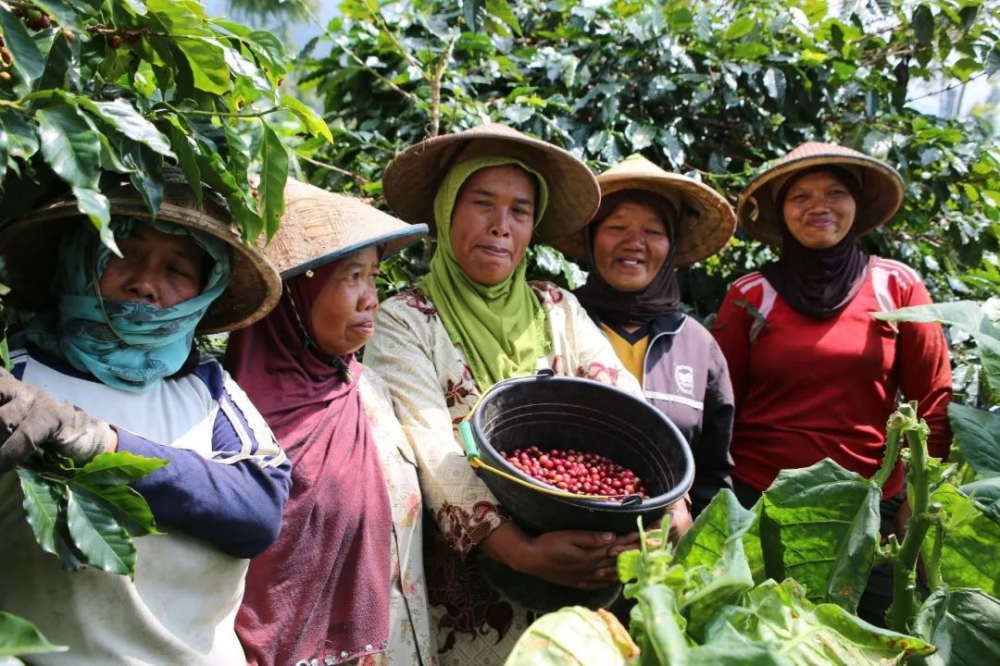
The name “Indonesian Mandheling” carries an interesting historical misunderstanding. After Japanese soldiers ended their colonial rule in Indonesia, they still longed for the local coffee and sought high-quality beans through traders. When they asked locals about the name of the coffee, it was misunderstood as a question about origin. The locals answered “Mandailing,” but the Japanese heard it as “Mandehling,” which eventually evolved into the “Mandheling” we know today. Interestingly, the supplier of these beans was none other than Pwani Coffee Company (abbreviated as PWN), which later produced PWN Golden Mandheling.
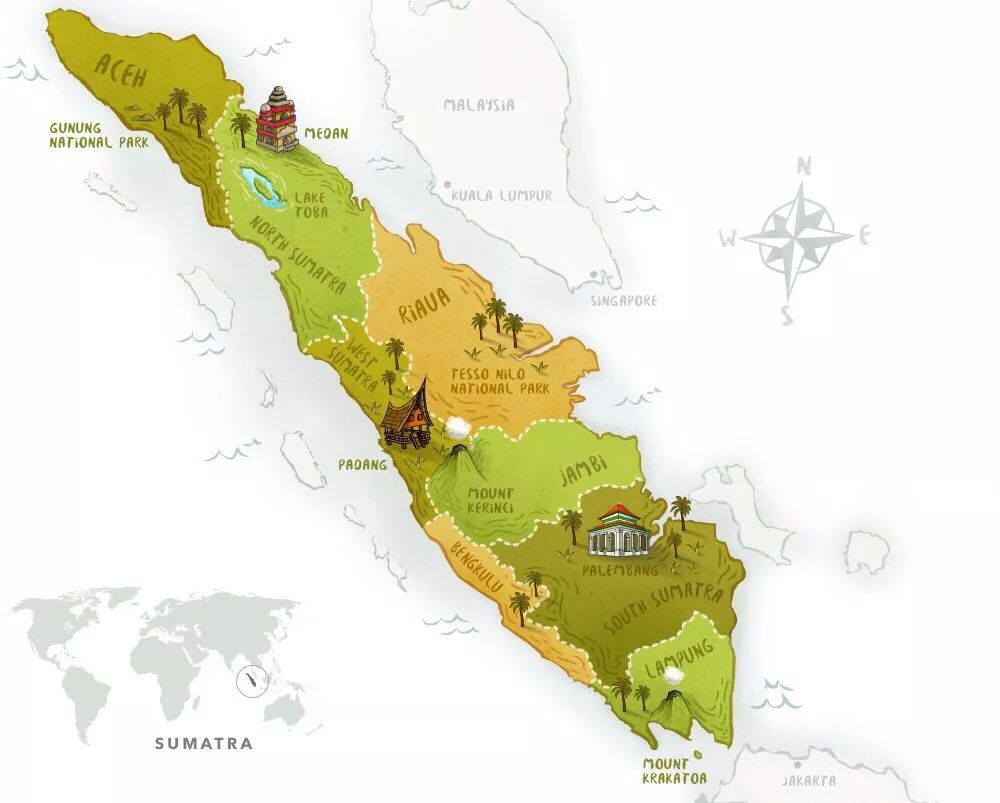
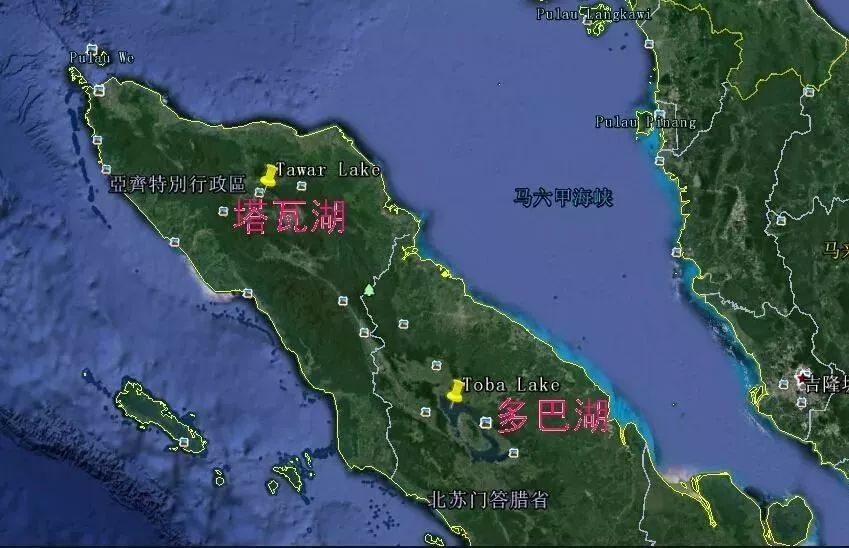
Sumatra, the largest island in Indonesia, is the main producing region for Mandheling coffee. It features a tropical rainforest climate near the equator, with high temperatures and humidity year-round—ideal conditions for coffee cultivation. However, due to altitude limitations, only about 25% of Indonesia’s land is suitable for growing Arabica, with the rest mostly planted with Robusta, which thrives at lower altitudes. Sumatra, being relatively higher in elevation, is where the Arabica from the Lintong region—commonly known as Lintong Mandheling—originates.
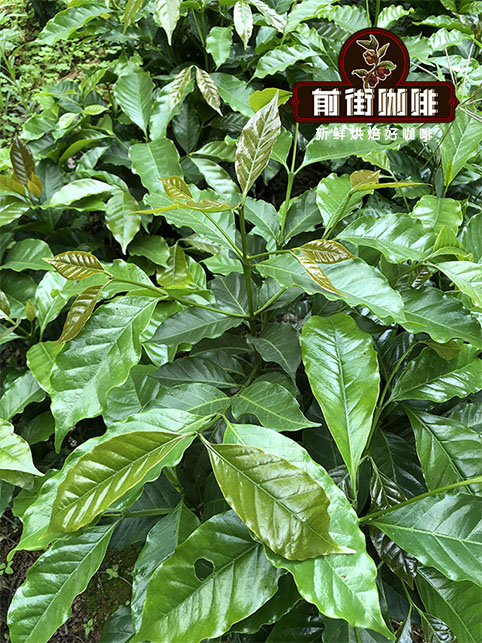
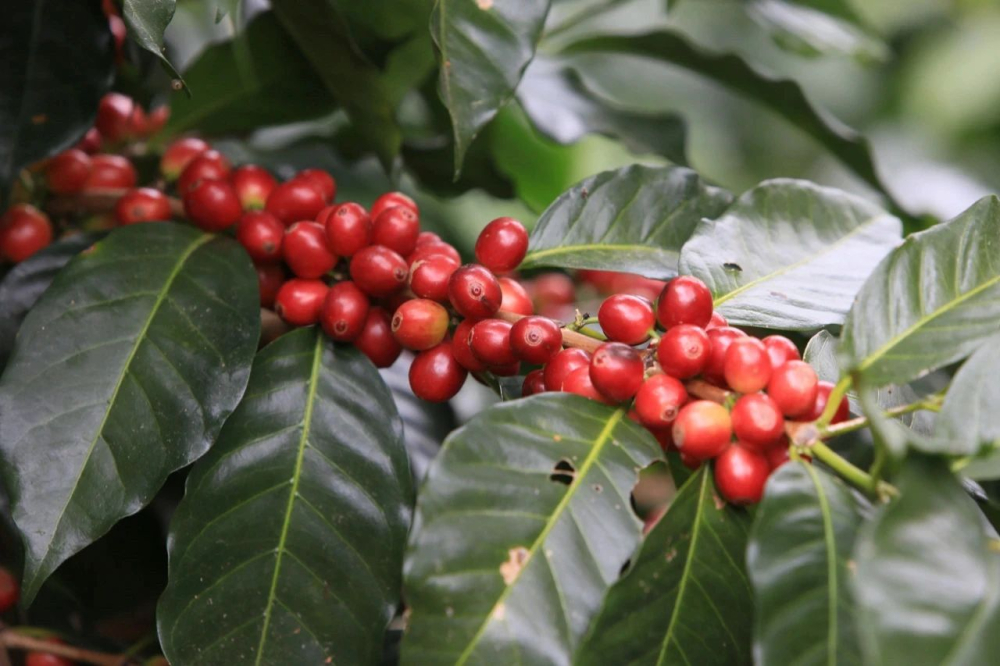
In terms of variety, traditional Mandheling was primarily Typica, one of Ethiopia’s oldest Arabica heirloom varieties, known for its elegant aroma but weak disease resistance. By 2020, however, PWN switched to the Ateng variety (also known as Catimor) for Golden Mandheling. Catimor is a hybrid of the Robusta subspecies Timor and Caturra, characterized by high yield and disease resistance, making it suitable for dense planting. However, it generally lacks the complex flavor layers of Typica, has a shorter lifespan of around ten years on average, and is less nuanced in cup profile.
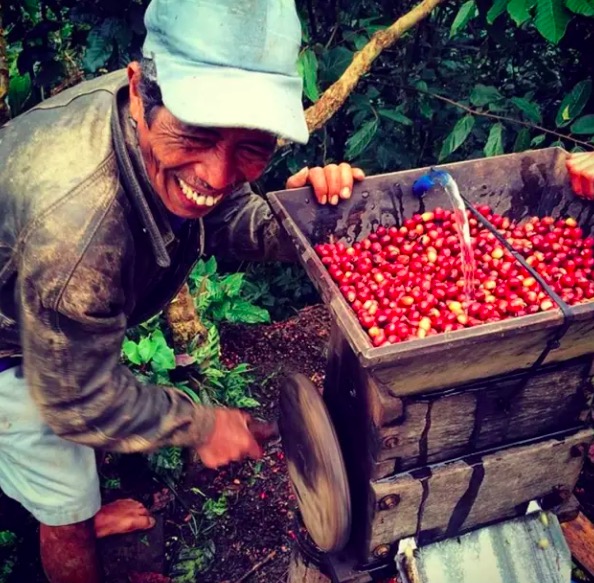
The distinctive earthy, spicy, and herbal characteristics of Indonesian Mandheling are largely due to its unique “wet hulling” process. In this method, after the coffee cherry's skin and pulp are removed, the parchment layer is scraped off while the beans are still semi-dry. During this process, the beans can become damaged, resulting in the so-called "elephant ear" shape—an appearance that is actually common and normal for Mandheling, not a defect. The wet hulling process roughly consists of two stages: first, the skin and pulp are removed using wooden machinery, followed by about three hours of fermentation and initial drying to reduce moisture content to 30%–50%; then the parchment is removed, and drying continues until moisture levels drop to 12%–13%. This method contributes to Mandheling’s bold and layered flavor complexity.
In addition to standard wet hulling, some Mandheling is also processed using “aged wet hulling.” In this approach, the beans undergo standard wet hulling first and are then stored in a cool, ventilated warehouse for 2 to 3 years, with regular turning to prevent mold. During aging, acidity gradually transforms into sweetness, bean color darkens often to yellowish-brown or dark brown, and flavors become richer. Some Mandheling products from a well-known coffee brand are processed this way and are marketed as “Aged Mandheling.”
Indonesian coffee beans are graded primarily based on the number of defects and bean size, rather than altitude as in some other regions. Based on a 300-gram sample, the fewer the defects, the higher the grade. G1 is the highest grade, requiring no more than 3 defects in 300 grams, and PWN Golden Mandheling belongs to this extremely rare grade. In contrast, grades G2 to G6 have progressively more defects and are typically used for commercial-grade or blended coffee.
Speaking of PWN Golden Mandheling, one cannot overlook its driving force—PWN Company. It was one of the first suppliers to introduce Indonesian Mandheling to the Japanese market and set strict selection standards. It is said that under the request of a Japanese trading company, producers hand-sorted the green beans four times, and under sunlight, the beans were found to emit a golden sheen, hence the name “Golden Mandheling.” However, the term “Golden Mandheling” has been trademarked by PWN, so nearly all Golden Mandheling on the market comes from PWN. To identify authentic beans, you may ask the seller to show sacks or certificates bearing the PWN logo.
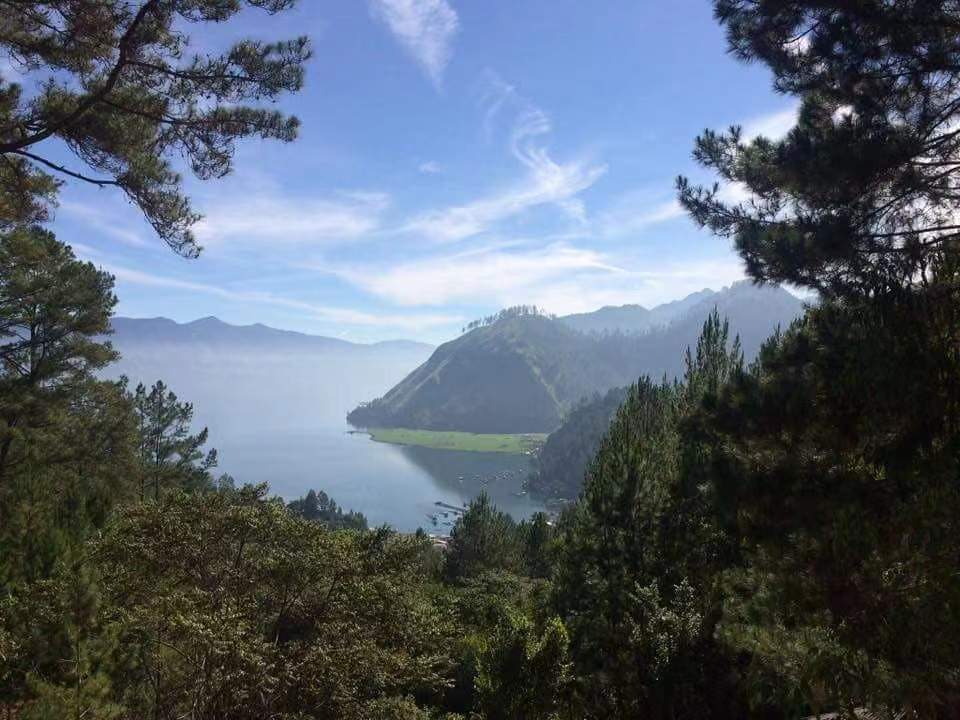
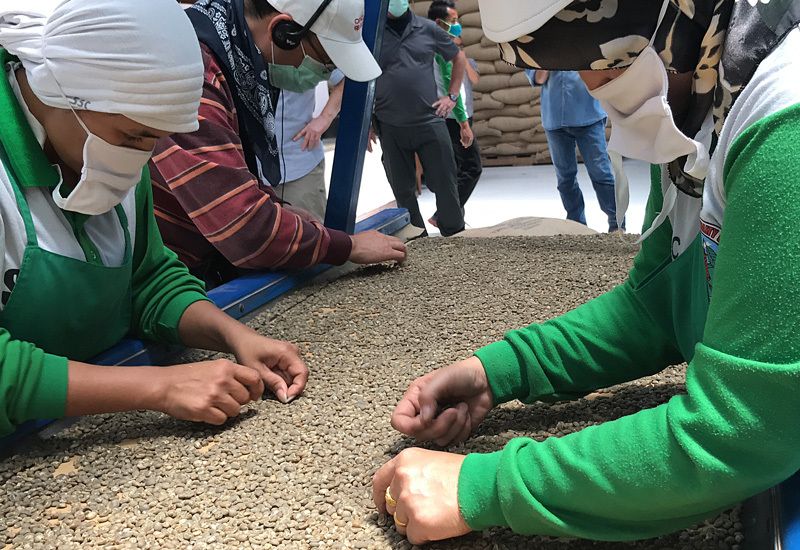
Furthermore, PWN’s Golden Mandheling undergoes three rounds of manual sorting and one round of machine sorting during production, resulting in uniformly shaped beans with very few defects. This also leads to a cleaner, more layered flavor profile after roasting. In recent years, PWN has shifted production to the Gayo Mountains in northern Sumatra, specifically around the town of Takengon and Lake Tawar, at elevations between 1,100 and 1,600 meters. With stable climate and favorable soil conditions, the coffee produced there is even superior to that from the traditional Lintong area.
In terms of flavor profile, PWN Golden Mandheling and Lintong Mandheling exhibit clear differences. Golden Mandheling, using the Ateng variety with wet hulling, showcases intense roasted bread, nutty, caramel, and pine wood aromas, with subtle herbal notes. Its overall body is full and the finish is long-lasting, with noticeable sweetness. In contrast, Lintong Mandheling is mostly based on Typica and Caturra varieties, also processed with wet hulling, and tends toward flavors of roasted bread, nuts, caramel, and herbs. It highlights more herbal and dark chocolate notes on the palate, with a clear but slightly less layered sweetness compared to Golden Mandheling.
For pour over brewing, it is recommended to use a Kono or V60 dripper, with a 1:15 coffee-to-water ratio, 15 grams of coffee, 88°C water temperature, and a grind size passing 70–75% through a #20 sieve. Specifically, start with a 30-gram bloom for 30 seconds, then pour in a circular motion to 125 grams for the first pour. Wait for the water level to drop, then pour to 225 grams before removing the dripper. Under these parameters, Golden Mandheling shows a more balanced body with a chocolatey finish, while Lintong Mandheling excels in herbal and dark chocolate layers, with a more pronounced aftertaste.
In summary, the differences between Golden Mandheling and Lintong Mandheling mainly lie in selection rigor, variety choice, and growing conditions. Golden Mandheling undergoes multiple rounds of manual sorting, resulting in very few defects and a cleaner, sweeter, and more layered flavor; whereas Lintong Mandheling retains more of the traditional Indonesian Mandheling’s herbal and earthy profiles. Though its selection criteria are more relaxed, it remains a classic choice for experiencing the charm of Sumatran coffee. Whether you’re a beginner or an experienced coffee enthusiast, these two beans offer distinctly different taste experiences.
The above content is compiled by CoffeeHunters, a coffee news website.


