







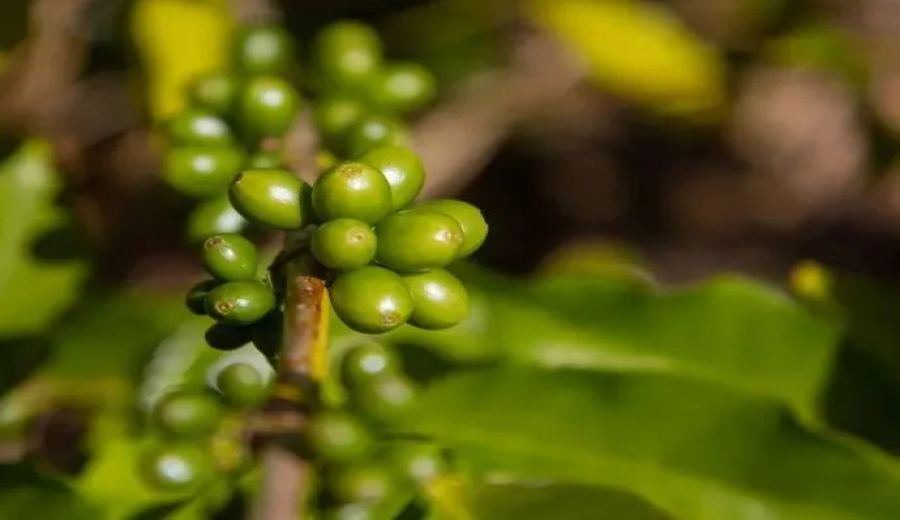
Introduction:Laurina is a uniquely shaped and extremely rare coffee variety, renowned for its slender beans and distinctive floral and fruity aromas. This article delves into why it belongs to the Arabica species, the reasons behind its high price, and offers a flavor comparison with the famous Geisha variety. It also explores the evolutionary history of the Bourbon variety, the characteristics of derivative varieties such as Yellow Bourbon, and shares practical buying and brewing tips to help you gain a more comprehensive understanding of this legendary coffee.
Laurina is a uniquely shaped and very low-yield coffee variety, named for its slender, pointed beans. Once celebrated for its delicate flavors and elegant aromas, it was hailed as "the best coffee in the world" and was highly favored by the French royal family in the 19th century. However, due to its scarce production and weak disease resistance, Laurina disappeared for over half a century until it was successfully revived by a Japanese team in the late 1990s. This article will explore in detail Laurina’s varietal classification, the reasons for its high price, and provide a flavor comparison with the popular Geisha, taking you deeper into the charm of this legendary coffee.
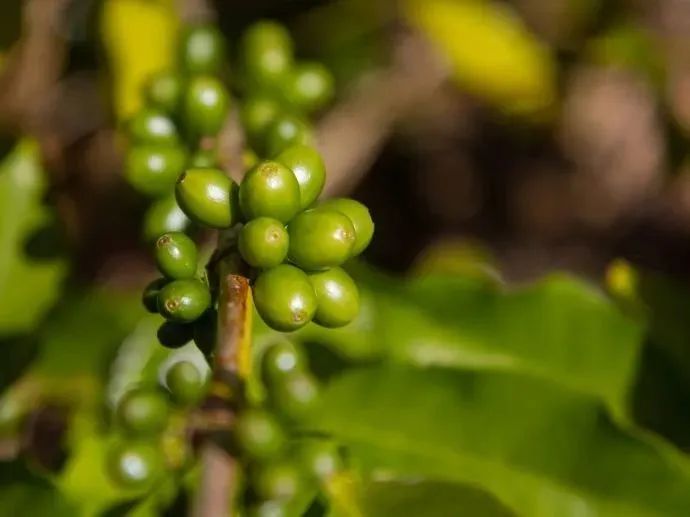
Laurina originated on the Bourbon Island in the Indian Ocean, now known as Réunion Island. This variety is a mutation of the Typica lineage within Arabica, thus belonging to the orthodox Arabica species. Its shape is elongated, with pointed ends at both sides, making it distinctly different from the commonly round coffee beans.This coffee bean boasts pronounced floral and fruity notes, with a smooth and mellow mouthfeel, and a lingering finish that carries hints of citrus and creaminess.Its caffeine content is only about 0.6%, far lower than the typical 1.2% to 1.5% found in most coffees, making it smooth on the palate and less likely to cause palpitations or anxiety, thus regarded as close to a naturally low-caffeine option.
The high price of Laurina is mainly due to its extremely low yield and challenging cultivation process.This variety is highly particular about its growing environment, requiring not only high altitudes (typically between 1062 and 1972 meters) but also specific soil, climate, and humidity conditions. In addition, Laurina has a low fruit-setting rate, producing only a fraction of the yield of regular coffee trees, and is also susceptible to pests and diseases. These factors collectively drive up its market price, making it a dream bean for coffee enthusiasts and collectors.
Looking back at history, Réunion Island (then called Bourbon Island) in the 19th century extensively cultivated this variety, which gained fame through the praise of the French royal family and literary figures. It is said that King Louis XV of France and the literary giant Balzac were both loyal fans. However, due to climate change, pest issues, and poor economic returns, Laurina has had no official production records since 1942, gradually fading from memory and even believed to be extinct. It wasn’t until 1999 that the Japanese UCC coffee team, in collaboration with French agricultural research institutions, after years of investigation and repeated trials, finally identified suitable plants across 107 trial plots in 87 farms, and successfully revived the first batch of Laurina coffee beans in 2006, bringing this variety back to the coffee stage.
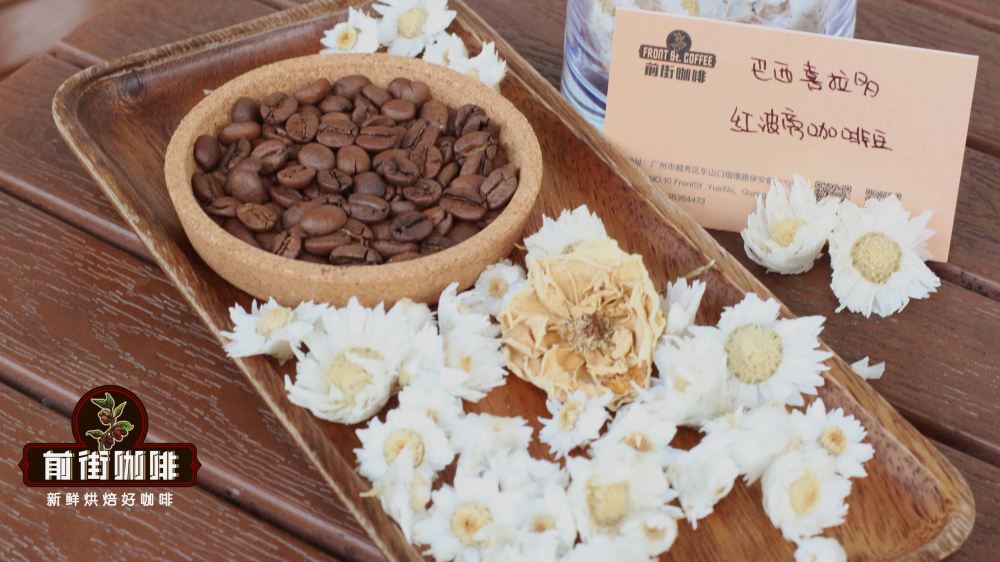
The revived Laurina exhibits an exceptionally refined flavor profile. When brewed, the coffee initially presents delicate osmanthus floral notes and clear citrus acidity, followed by a creamy toffee-like sweetness. The overall taste is bright and clean, with rich layers and a long-lasting aftertaste.This flavor profile forms a strong contrast with the common heavy roast, intense styles, making it more suitable for coffee drinkers who prefer fresh, fruit-forward profiles.Compared to another high-priced variety, Geisha, Laurina leans more towards a gentle and mellow tone, while Geisha is known for its pronounced jasmine, peach, tea-like qualities, and high acidity—ideal for those seeking bold fruitiness and tea-like nuances.
When discussing the Bourbon variety, one cannot overlook the important mutation known as Yellow Bourbon. Yellow Bourbon is a color variation of the Bourbon variety, with fruits ripening to yellow instead of the usual red. This variety also originates from Réunion Island and is widely cultivated in places like Brazil. Typically grown at high altitudes and processed using the washed method, Yellow Bourbon showcases clear citrus aromas, balanced acidity, along with rich fruit and hazelnut notes.Compared to the common heavy chocolate and nut flavors found in typical Brazilian coffees, Yellow Bourbon is fresher and more vibrant, offering great value, and is a commonly used base variety among many specialty coffee roasters.。
Overall, Laurina is not only a rare member of the Arabica family but also, due to its unique historical background and exceptional flavor profile, has become an invaluable gem in the coffee world. Whether enjoyed daily or as a collector’s experience, learning about its growing conditions and savoring its delicate flavors can add an unforgettable chapter to your coffee exploration journey. If you’re interested in pour over coffee or options that offer low caffeine without compromising on flavor, Laurina is definitely worth exploring and trying.
The above content is compiled by CoffeeHunters, a coffee news website.


