








Introduction:The Geisha coffee from Panama’s Hacienda La Esmeralda is world-renowned for its delicate floral and fruity aromas, but do you know the difference between the Red Label, Green Label, and Blue Label? This article starts with the origin of the Geisha variety, analyzing how Hacienda La Esmeralda has propelled it to the pinnacle of specialty coffee. It explores the grading logic behind the three classic tiers, the characteristics of their core growing plots, and provides practical pour over parameters along with a full flavor guide — an essential read for anyone looking to deeply understand Geisha coffee.
Geisha coffee has become a star variety in the specialty coffee scene in recent years, especially excelling in international competitions. Among them, Panama’s Hacienda La Esmeralda is one of the most representative growing regions for this variety. Although Geisha originated in Ethiopia, it was this estate located in Panama’s Boquete region that truly brought it international fame. This article will delve into the discovery and spread of Geisha, and analyze in depth how Hacienda La Esmeralda has presented its flavors perfectly through rigorous management and refined processing methods.
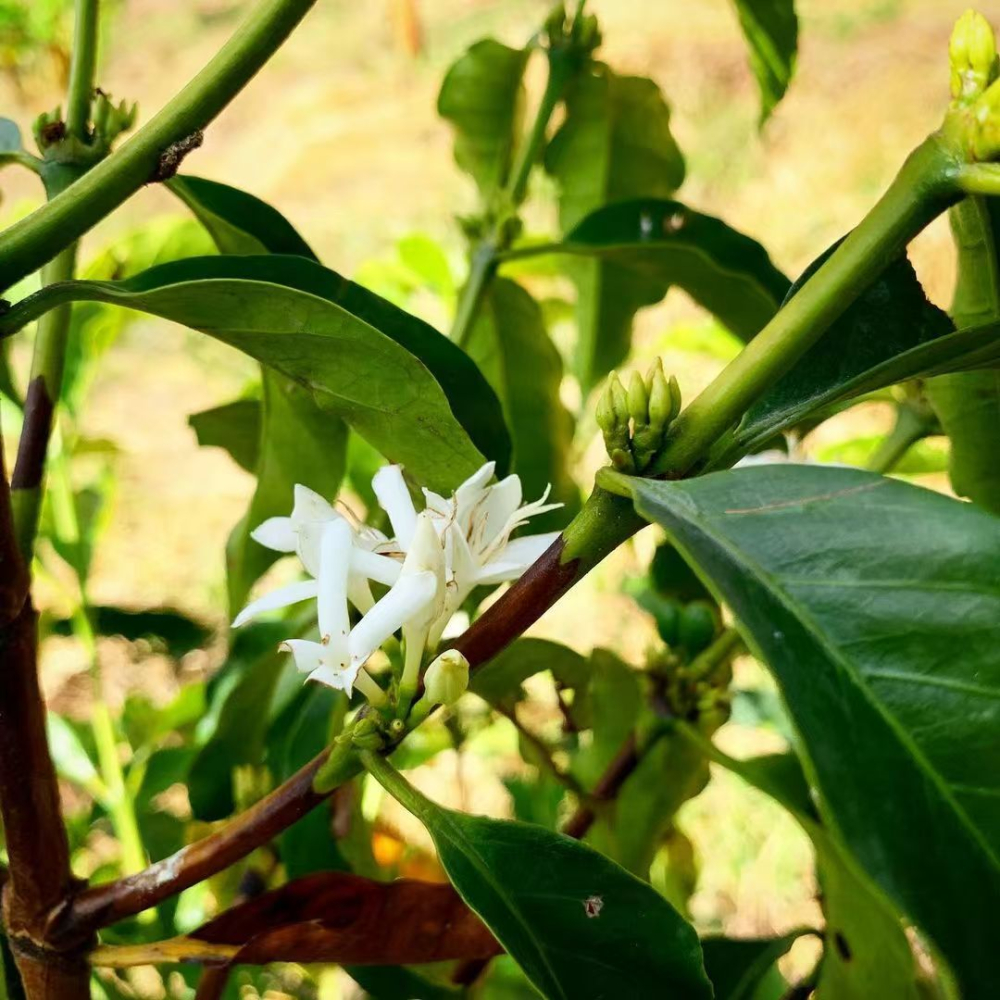
Geisha was first discovered in 1931 in the forests of Gesha, Ethiopia, where it was initially regarded only as an ornamental plant. It wasn’t until the 1950s that it gradually made its way to countries such as Costa Rica and Panama. However, for decades, this variety was overlooked due to its low yield and challenging cultivation. It wasn’t until 2003 that the owner of Hacienda La Esmeralda noticed its unique floral and fruity aromas, distinct from local varieties. The following year, it won the Best of Panama (BOP) competition, bringing Geisha into the spotlight.
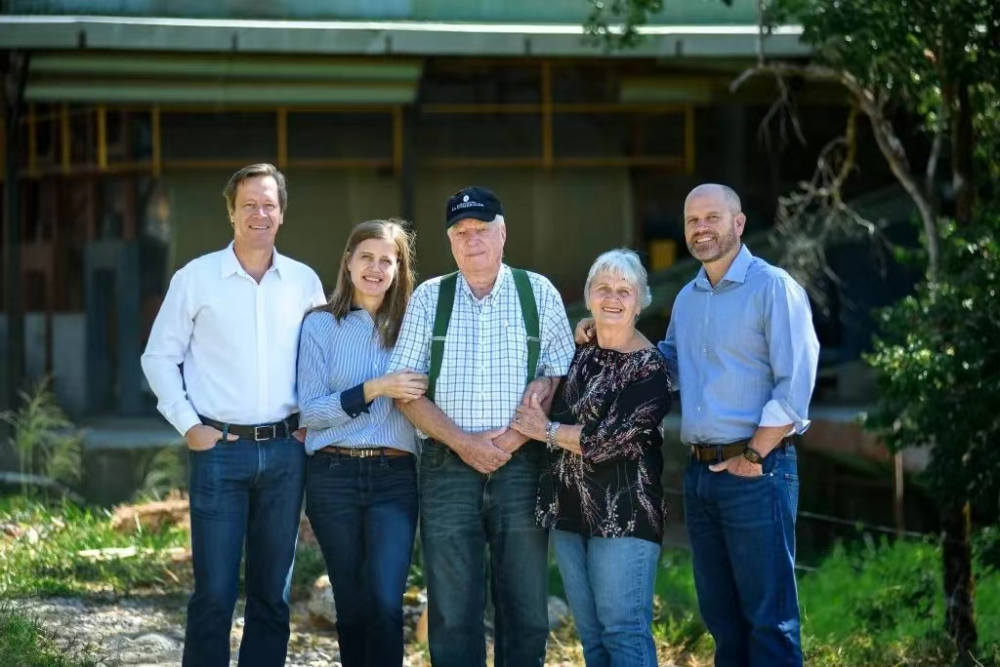
The history of Hacienda La Esmeralda dates back to 1964, when it was purchased by American banker Rudolph A. Peterson. The land, located in Boquete, was initially used mainly for livestock farming. In the 1980s, his son Price Peterson gave up his medical career to return to Panama and help manage the farm. In 1987, he introduced the Caturra and Catuaí varieties, and in 1994 established a washed processing facility, officially entering the specialty coffee arena. In 1996, they also acquired the neighboring Jaramillo estate, whose coffee was known for its distinctive citrus and floral notes, later becoming an important birthplace of the Geisha variety.
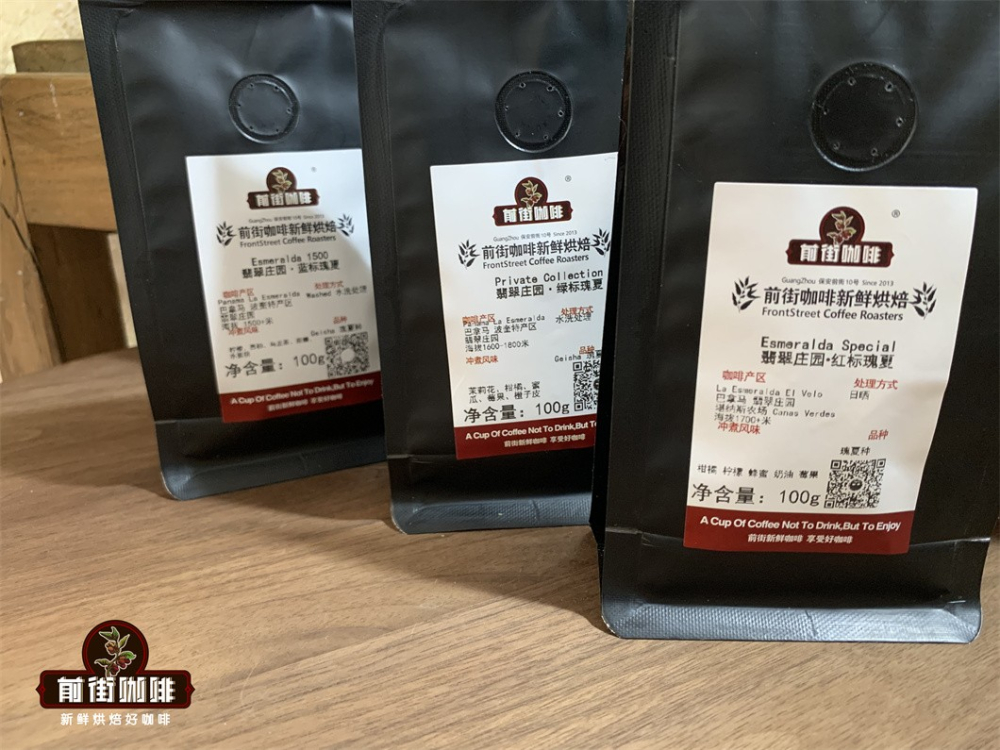
Based on factors such as growing altitude, processing method, and cupping score, Hacienda La Esmeralda classifies its Geisha coffee into three classic tiers: Red Label (Esmeralda Special), Green Label (Private Collection), and Blue Label (Geisha 1500). Each tier has its own unique flavor profile and grading rationale.
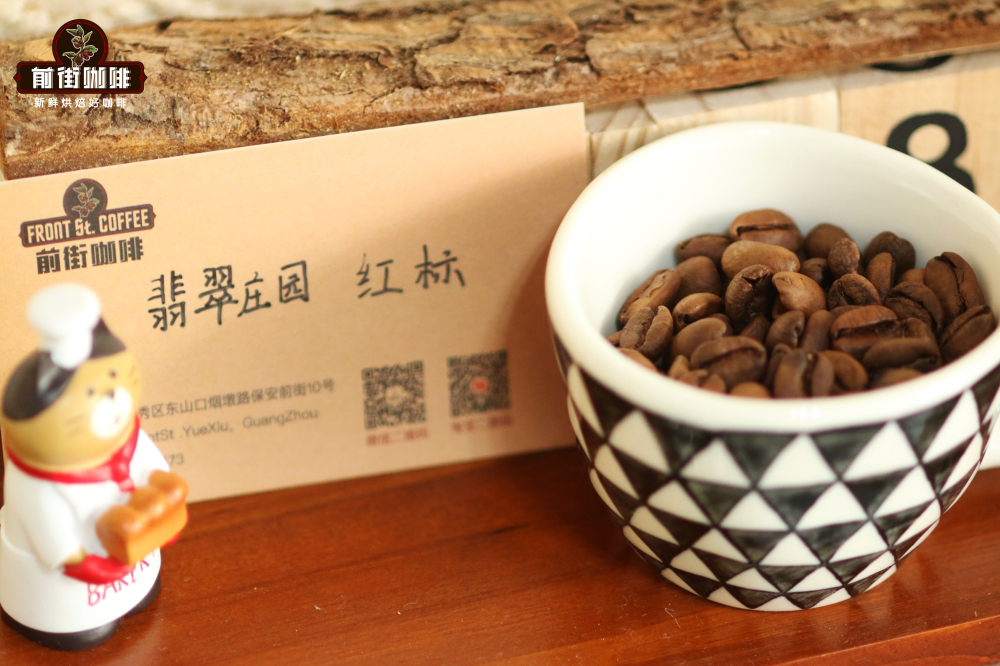
Red Label GeishaAs the flagship representation of Hacienda La Esmeralda, the Red Label is produced only in micro-lots at altitudes above 1600 meters, consistently scoring above 91 points in cupping. Each batch of Red Label Geisha can be traced back to specific plots, harvest dates, altitudes, and processing methods. For example, the renowned Sugarcane plot’s Red Label often exhibits intense jasmine, citrus, berry, and honey aromas, using a 25-day slow sun-drying process that results in extremely rich flavor layers. A recently acquired Red Label batch showcased an excellent balance of citrus, complex fruits, rose tea, and honey.
Green Label Geisha(Private Collection) is a blended lot, primarily sourced from multiple plots within two main farms at altitudes between 1600–1800 meters. While it doesn’t detail each individual plot, it still retains the classic Geisha traits of floral aroma, bright citrus acidity, and rich fruit body. Since 2022, this tier has started indicating sub-farm origins. It offers great value and is perfect for consumers on a budget who still want to experience the charm of Geisha. Typical flavors include jasmine, citrus, melon, and berries, with a refreshing taste and long-lasting aftertaste.
Blue Label Geisha(Geisha 1500) is grown at altitudes between 1400–1500 meters, consisting of blends from three major plots: Jaramillo, Cañas Verdes, and El Velo. Previously offered only in washed processing, some batches since 2024 have also introduced a natural (sun-dried) version. The Blue Label has slightly lighter flavors compared to Red and Green Labels, but still presents clear layers of lemon, oolong tea, cane sugar, and peach — ideal for those who prefer a cleaner taste profile.
Hacienda La Esmeralda’s Geisha is primarily cultivated in three premium plots:Jaramillo,Cañas Verdes, andEl Velo. Each plot, due to differences in microclimate, soil, and altitude, produces distinctly unique Geisha flavor profiles.
Jaramillois the plot where Geisha was first discovered, with an average altitude of about 1700 meters and steep slopes that make harvesting difficult. This area mainly consists of older coffee trees. Though its altitude isn’t as high as other plots, the significant day-night temperature variation creates intense fruit aromas and refined acidity. This plot is further divided into six Red Label-exclusive micro-plots, including Mario, Ferris Wheel, and Queen, with the newly added “Stable” plot also attracting attention last year.

Cañas Verdes(phonetically translated as “Green Reeds”) is located on the eastern slope of the Barú Volcano, with an altitude range from 1500 to 2050 meters. Its complex terrain and fertile volcanic soil provide a diverse growing environment for Geisha. The area experiences notable day-night temperature differences and an annual rainfall of about 3500 mm, resulting in Geisha with abundant floral notes and high sweetness. Major micro-plots here include Lino, Coronado, and Fundador, among 11 blocks.
El Velo Estateis a high-altitude new area acquired by Hacienda La Esmeralda in 2012, with altitudes ranging from 1650 to 1900 meters — the highest among the three plots. The terrain has been artificially leveled for easier precision management. In addition to Geisha, this area also cultivates up to 400 coffee varieties from CATIE for breeding research. El Velo has seven exclusive Geisha plots, such as Guabo, Portón, and Durazno, featuring abundant moisture and even sunlight — an ideal environment for nurturing delicate floral and fruity notes.
For brewing, it is recommended to use freshly roasted (within 5 days of roasting) Geisha beans to fully showcase their vibrant acidity and aroma. We recommend using a Hario V60 dripper, with water temperature controlled at 90°C, a coffee-to-water ratio of 1:15, and a grind size of medium-fine, approximately 80% passing through a Chinese No. 20 sieve. The brewing method suggests a staged approach: start with a 30-second bloom using 30 grams of water, then pour in water up to 125 grams for the first pour. After the water level drops, continue pouring to 225 grams. The total extraction time is around 2 minutes, which effectively highlights the multi-layered flavors of Geisha.

In summary, the reason why Hacienda La Esmeralda’s Geisha coffee stands out is not only due to its rare varietal genetics, but also thanks to strict plot management, refined processing techniques, and a scientific grading system. Whether you’re a beginner or a seasoned coffee enthusiast, you can find your own Geisha experience among the Red Label, Green Label, and Blue Label.
The above content is compiled by CoffeeHunters, a coffee news website.


