







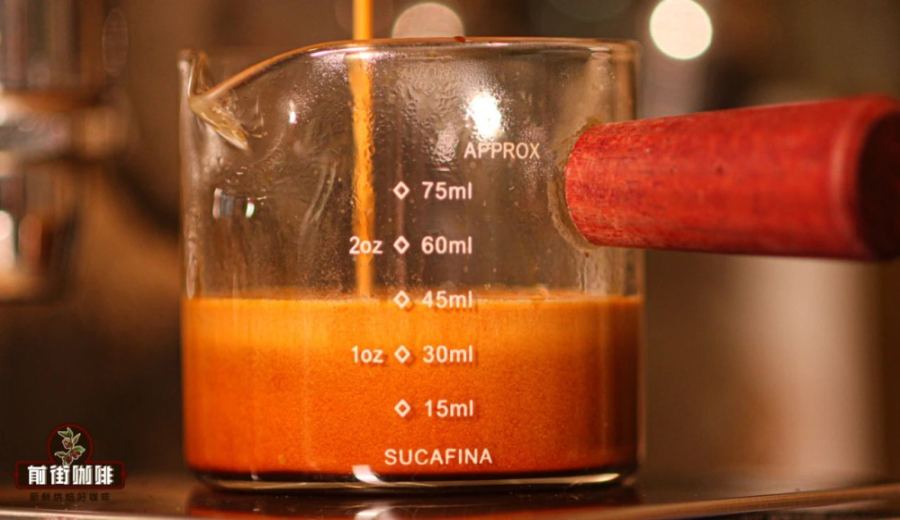
Introduction:Want to brew rich coffee with Crema using a Moka pot? Although a Moka pot can't fully replicate the performance of a professional espresso machine, by mastering the right bean selection, grind size, and brewing techniques, you can still extract a coffee with distinct layers and rich crema. This article will delve into how fresh roasting, appropriate roast levels, and precise grind size can help you enjoy Moka pot coffee with an espresso-like flavor at home, and we’ll also recommend several practical and cost-effective beans for your reference.
Many coffee enthusiasts have this question: can a Moka pot produce that fascinating golden layer of crema just like a professional espresso machine? The answer is yes — it is possible. While a Moka pot may not match the extraction pressure or the fineness of flavor achievable with high-end espresso machines, its simplicity of use, elegant appearance, and affordable price have made it a top choice for many home users seeking an espresso-like experience. If you want to use a Moka pot at home and still achieve coffee with a fine layer of crema, the key lies in three elements: using freshly roasted coffee beans, selecting an appropriate roast level, and controlling the grind size precisely. Below, we’ll detail the essentials of each step to help you enhance the quality of your Moka pot brews, along with several highly cost-effective bean recommendations well-suited for Moka pot use.
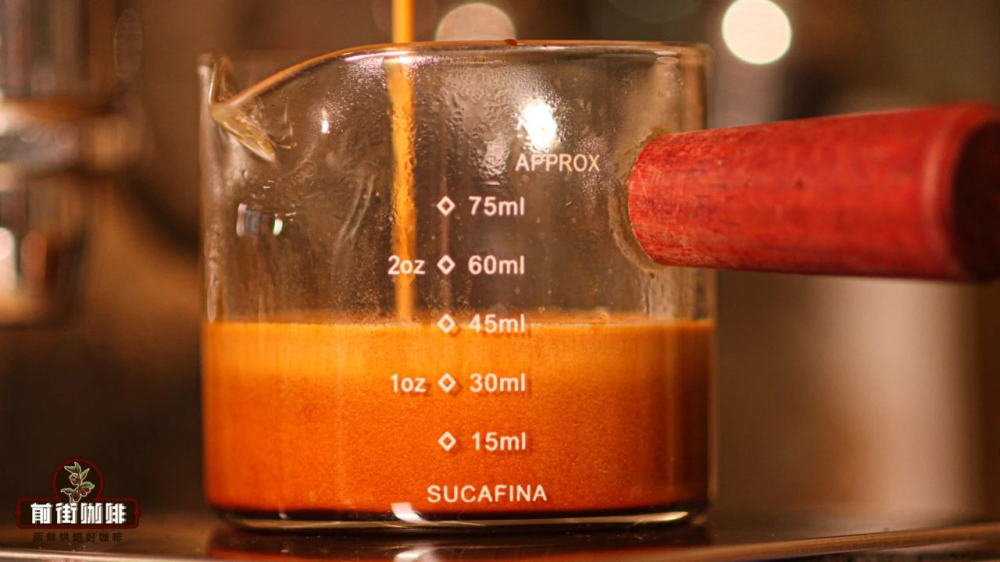
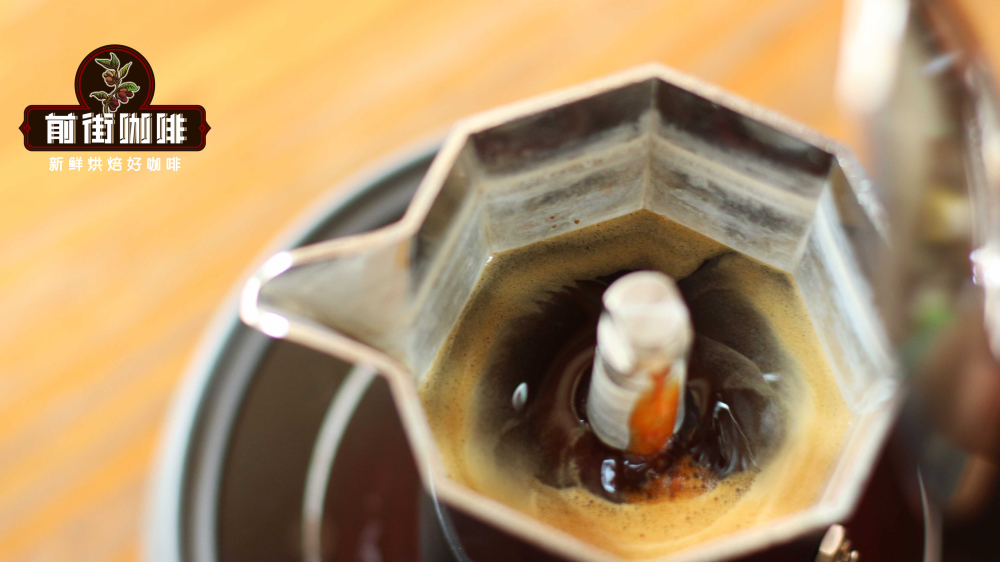
Crema, also known as coffee foam, is one of the defining characteristics of espresso. This fine layer of golden to brownish foam not only delivers intense aroma but also serves as an excellent base for latte art. While a Moka pot may not produce the same delicate crema as professional machines, when used correctly, it can still yield a similar light golden foam layer that emits a soft coffee aroma, adding both visual appeal and flavor enjoyment to your drink.
The coffee brewed with a Moka pot, whether in terms of intensity or layered complexity, is hard to fully match that of a professional-grade espresso. However, compared to expensive professional machines, the Moka pot stands out with its affordable price, ease of use, and stylish design, making it a favorite among many beginner coffee drinkers or home users. Yet, many newcomers often wonder: how should they adjust their technique to brew coffee with crema using a Moka pot? And what type of coffee beans are best suited for this pressurized extraction?
Firstly, using freshly roasted coffee beans is one of the key factors that influence coffee flavor and crema performance. Generally speaking, after roasting, coffee beans continuously release carbon dioxide, and these gases are a crucial element in forming crema. When coffee beans are left too long, the internal carbon dioxide dissipates, not only causing the flavor to become dull but also making it difficult to form a rich foam layer during extraction. It’s recommended to choose coffee beans roasted within 60 days. Ideally, under proper storage conditions (such as being sealed, kept away from light, and stored in a dry environment), most coffee beans can maintain good flavor for about 40 to 50 days. But if the bag is opened and not properly resealed, the beans may start to lose flavor after around 30 days, and at that point, even with a Moka pot, it’s hard to extract noticeable crema or aroma.
For users who want a stable supply of fresh beans, it’s advisable to choose brands with good roasting control and fast delivery, ensuring that each pack of beans maintains optimal flavor from roasting to arrival. Typically, beans roasted within 5 days are ideal for extraction.
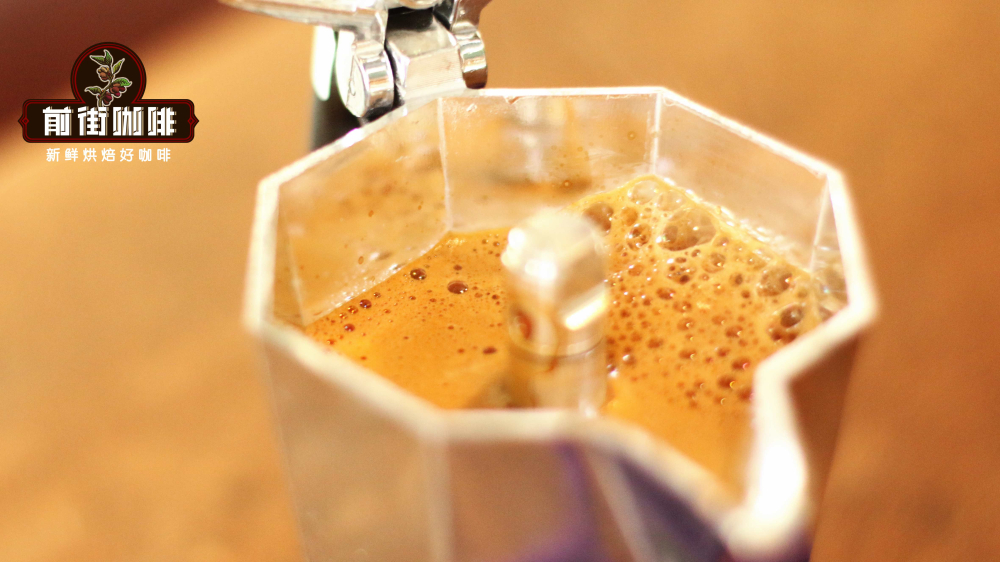
When it comes to bean variety and roast level, since the Moka pot uses a pressurized extraction method similar to that of an espresso machine, darker roasted beans often better showcase rich and bold characteristics, which helps form a thick layer of crema. However, be cautious as overly dark roasts may introduce excessive bitterness. Therefore, it's recommended to go mainly with medium-dark roasts, which preserve rich flavors without being overly harsh. In addition, considering that most users operate the Moka pot at home, choosing cost-effective beans with an espresso-like flavor profile is also a practical and economical option.
The grind size for Moka pot coffee is a crucial parameter that affects extraction effectiveness and crema formation. Compared to pour over coffee, the coffee grounds for a Moka pot need to be finer, though slightly coarser than the extremely fine grounds used in professional espresso machines. This grind size ensures that during the heating process, the carbon dioxide in the coffee grounds can be released under appropriate pressure, thereby forming a stable, golden crema layer. It’s recommended to grind the beans to a fineness similar to that of granulated sugar and to fill the Moka pot basket to capacity without over-tamping, allowing pressure to build naturally.
There are several highly cost-effective bean blends recommended for Moka pot extraction. These include classic espresso blends with hazelnut and malt sugar notes, offering a rich taste with low acidity — perfect for easily extracting a generous layer of crema using a Moka pot. There are also deeper-roasted beans with prominent pine, dark chocolate, and caramel aromas, such as PWN Golden Mandheling, which feature fine crema, a mellow taste, low acidity, and are favored by those who enjoy more robust flavor profiles.
Additionally, if you prefer fruity flavors, the Strawberry Candy espresso blend offers aromas of rose, strawberry soft candy, and dried blueberries, paired with moderate grape-like acidity and almond aftertaste, providing a unique Moka pot experience. Another excellent option is a specialty blend with pronounced caramel and dark chocolate notes, offering low acidity, fine crema, and a clear aftertaste — ideal for everyday home use and also suitable for small cafés.
The above content is compiled by CoffeeHunters, a coffee news website.


