







Category: Coffee Knowledge
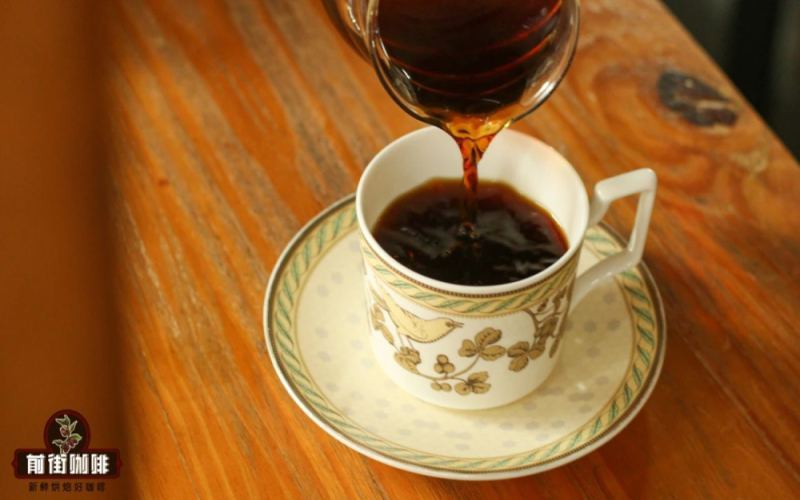
How to distinguish between honey process and pulped natural coffee? A complete guide to flavor differences and pour over techniques
Both honey process and pulped natural are drying methods that retain fruit mucilage, but they produce distinctly different flavor profiles due to variations in mucilage retention and drying techniques. This article delves into the step-by-step differences between the two processes, their grading logic, typical flavor characteristics, and includes detailed pour over parameters for specific bean varieties to help coffee enthusiasts master identification skills and brewing tips. [more…]
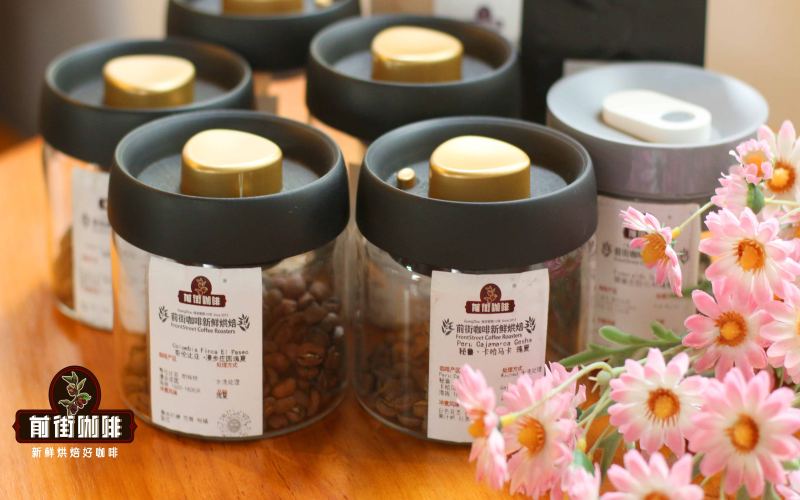
How to Make Geisha SOE Espresso? Practical Flavor Analysis and Brewing Parameter Guide
Geisha coffee shot to fame for its distinctive floral aroma and citrusy honey sweetness in coffee competitions. When this popular coffee variety is used for espresso extraction, it becomes the much-sought-after SOE (Single Origin Espresso). This article will delve into the concept of Geisha SOE, explore the reasons behind the scarcity of high-priced Green Label and Red Label Geishas, and provide practical, actionable Geisha SOE extraction parameters. It also covers flavor profiles when paired with Americano and Latte, and shares budget-friendly single-origin bean alternatives, allowing [more…]
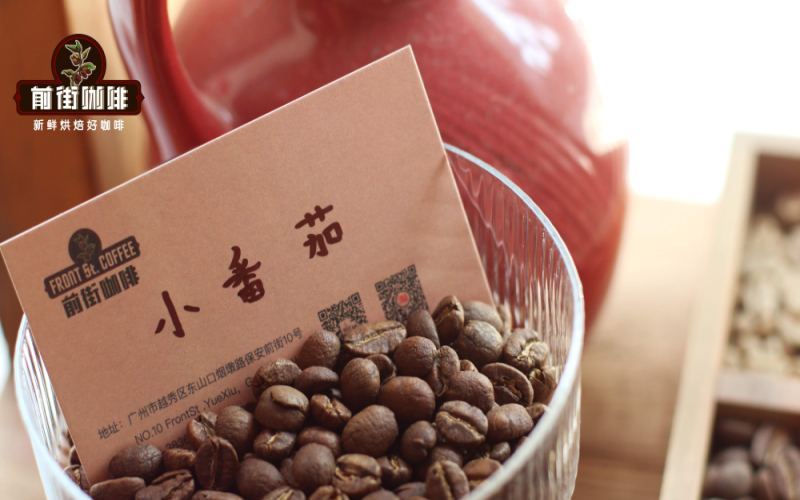
A Complete Guide to Kenyan Coffee Bean Grades: How to Distinguish AA TOP from AA? Pour Over Parameters and Flavor Profile
Kenyan coffee is renowned for its bright acidity and clean taste, and its rigorous grading system is a key indicator of quality. This article provides an in-depth analysis of the eight grades of Kenyan coffee beans, with a special focus on the differences between AA and AA TOP. It also offers brewing recommendations for a classic Kenyan "Little Tomato" bean, including specific parameters for hot and iced pour overs, a three-step pouring technique, and flavor characteristics to help coffee enthusiasts master selection and brewing tips. [more…]
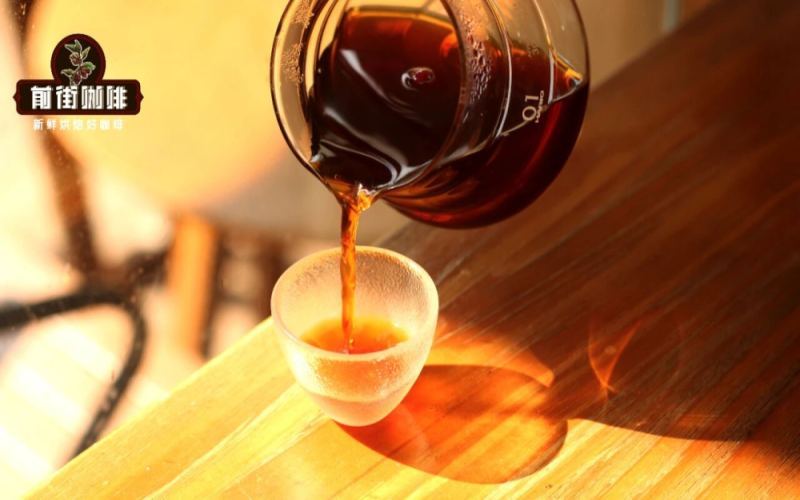
Panama Geisha Flavor Analysis | How Does the Floral and Honeyed Aroma of Pour Over Coffee Come About?
Panama Geisha coffee is renowned worldwide among coffee enthusiasts for its distinctive floral and fruity aromas and refreshing taste. This article will take you through the variety’s journey from Ethiopia to Panama, analyze the reasons behind its high price, and explore the sources of its floral, citrus, and honeyed notes through practical tasting experiences — helping you grasp the essence and brewing essentials of this premium pour over coffee. [more…]
Laurina Coffee: A Complete Guide to Its Naturally Low Caffeine Flavor and Restoration History | Brewing and Tasting Guide
Laurina coffee, also known as Coffea Laurina, is a rare and naturally low-caffeine coffee variety with caffeine content of only about 0.5%. It boasts elegant flavors without the need for decaffeination. Once on the brink of extinction, this coffee tree species has been revived through the efforts of Japanese experts and has made a remarkable comeback in international competitions. This article delves into its historical origins, varietal characteristics, brewing recommendations, and flavor profile, offering you a comprehensive understanding of the unique charm of this rare coffee. [more…]
The Ultimate Guide to Jamaican Blue Mountain Coffee: Grades, Flavors, Pour Over Techniques & Spotting Fakes
Jamaican Blue Mountain coffee is hailed as the pinnacle of the coffee world, yet the market is flooded with imitations and misconceptions. This article delves into the unique flavors of authentic Blue Mountain coffee, its regional grading system—from NO.1 to Peaberry (PB)—and explains the key differences compared to regular commercial beans. It also provides expert pour over recommendations and parameters, allowing you to fully experience the allure of Blue Mountain from aroma to taste, and learn how to identify common fake Blue Mountain practices on the market. [more…]
The Ultimate Guide to Panamanian Geisha Coffee: Differences Between Red, Green, and Blue Labels, Roasting Curves, and Pour Over Parameters
Geisha coffee from Panama’s Hacienda La Esmeralda is renowned for its distinctive floral and fruity aromas, but the differences between the Red Label, Green Label, and Blue Label often cause confusion. This article provides an in-depth analysis of the origin sources, processing method characteristics, and market positioning of the three grades, along with professional recommendations on roasting curves and pour over parameters to help coffee enthusiasts explore the layered flavors of Geisha—from beginner to advanced. [more…]

What’s the difference between flat white, latte, and Dirty coffee? A complete breakdown from milk foam thickness to flavor
When ordering at specialty coffee shops, common milk-based coffees such as flat white, latte, and Dirty may all combine espresso with milk, but they differ significantly in texture, milk volume, and preparation techniques. This article will provide an in-depth analysis of the recipe ratios, milk foam characteristics, and flavor profiles of these three drinks, covering everything from ingredient selection to brewing methods to help you find the milk coffee that best suits your personal taste preferences. [more…]
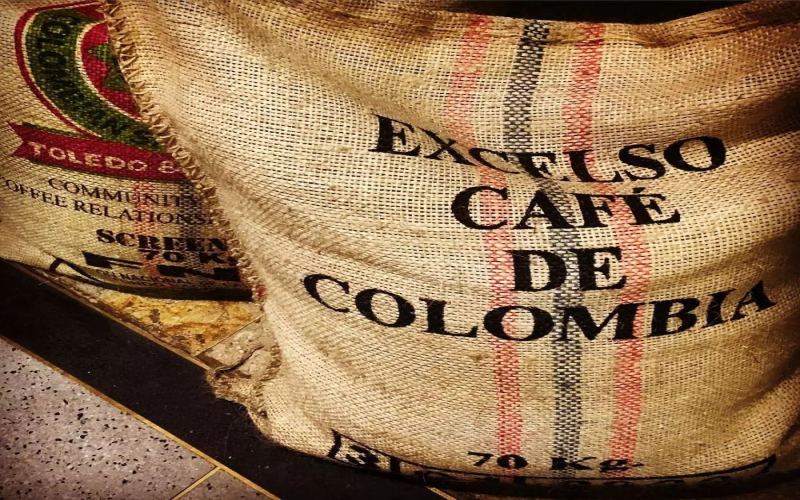
Flavor Analysis of Colombian Coffee Regions and Pour Over Brewing Recommendations
Colombian coffee is renowned for its consistent quality and diverse micro-regions. From Huila to Nariño, each area presents a unique flavor profile. This article delves into the geographical conditions, historical background, and processing characteristics of Colombia’s major coffee regions, analyzing the key factors that influence flavor. It also provides practical pour over brewing parameters for washed Huila beans, including grind size, water temperature, filter choice, and a three-step pouring method, helping you accurately reproduce the classic Central and South American flavor profile. [more…]
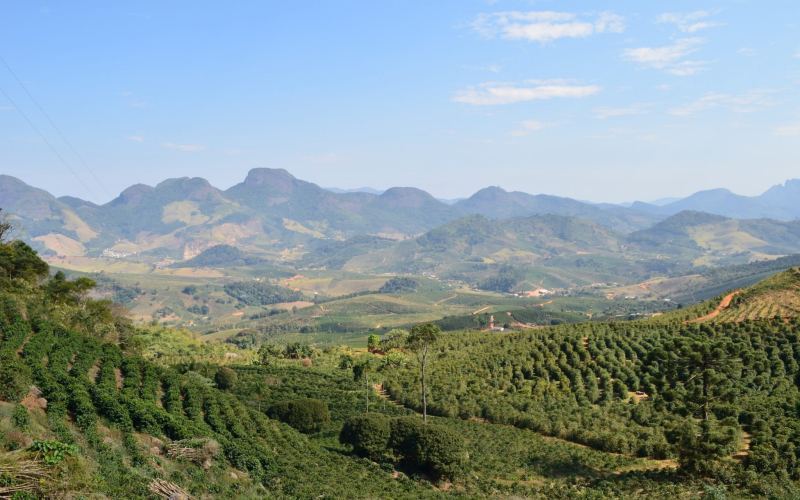
Complete Guide to Brazilian Coffee Beans: Varieties, Regions, Processing Methods & Pour Over Recommendations
Brazil is the world’s largest producer of Arabica coffee, accounting for 30% of global output, wielding significant influence on market prices. From the early Typica variety to the now dominant Bourbon family, the evolution of Brazilian coffee, along with its unique pulped natural processing method, has given rise to its signature flavor profile—low acidity, full body, and notes of chocolate and nuts. This article will provide an in-depth analysis of Brazil’s main coffee varieties, three carefully selected regions, classic processing techniques, and practical medium-dark roast pour over recommendations. [more…]

The Ultimate Guide to Panamanian Geisha Coffee: Regions, Processing Methods & V60 Pour Over Parameters
Panamanian Geisha coffee stands out in the specialty coffee world with its distinctive floral and fruity aromas and bright acidity. This article delves into the microclimates and soil conditions of three major regions including Boquete, explores the origins of the prestigious Best of Panama (BOP) competition, and details the flavor profile of washed Geisha along with the golden V60 pour over parameters—giving you a complete understanding of this top-tier bean from origin to cup. [more…]

Zero-Basics Latte Art: Cocoa Powder Water-Shaking Method + Milk Circulation Techniques – Mastering Designs While Saving on Ingredients
Want to practice latte art but hate wasting coffee beans and fresh milk? This article reveals low-cost training methods secretly used by baristas—from practicing with cocoa powder and dish soap, to reusing espresso shots and milk multiple times, and even teaching you how to create near-espresso-quality milk foam using common household appliances. No need for expensive equipment—you can gradually build up your milk foam control and make your latte art patterns more precise with every practice. [more…]
Zero experience? No problem – A beginner’s guide to low-budget latte art practice & espresso bean selection
You don’t need to spend a fortune to learn latte art with milk foam designs (拉花)! This article breaks down how to build solid foundational skills at home using affordable materials and looping techniques. From choosing richly crema-ed espresso blends, to practical steps for steaming milk with a French press, we also offer specific methods such as using dark soy sauce detergent for simulation practice and recycling concentrated milk – all to help coffee beginners gradually master the tricks of latte art. [more…]
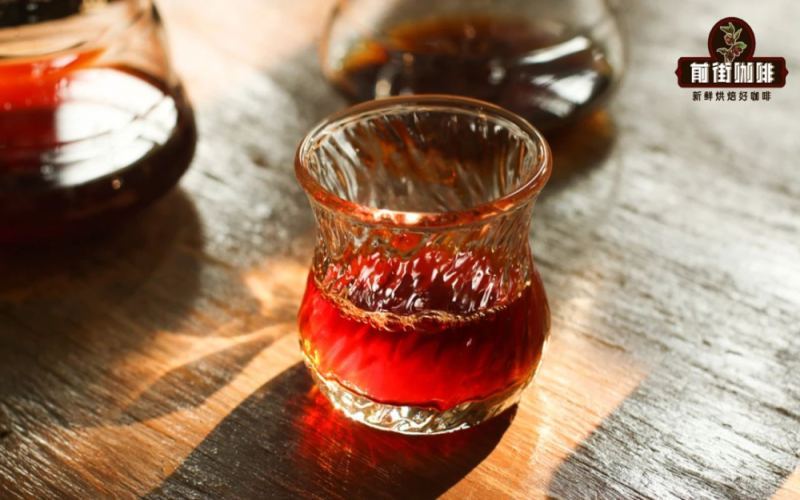
Complete Guide to Ethiopian Yirgacheffe Pour-Over Coffee Pods: Brewing Tips & Flavor Analysis
Want to explore the charm of specialty coffee but worried about complicated steps? Coffee pods are your best entry-level choice. This article takes Yirgacheffe from Ethiopia’s renowned producing region as an example, delving into the craftsmanship behind its washed processing and medium-light roasting, analyzing the origins of its bright fruity acidity and delicate floral notes. It also provides a detailed guide on brewing coffee with pods, covering water temperature control, pouring ratios, and common issues, allowing you to easily enjoy stable, pour-over-quality coffee at home. [more…]
Uncovering Brazil’s Coffee Origins: A Deep Dive into Its History, Geography, and Key Growing Factors
Brazil is not only the world’s largest coffee-producing country, but its coffee culture and regional conditions also carry profound historical and natural advantages. This article will take you on a deep dive into the history of Brazilian coffee—from its introduction in the early 18th century to its gradual rise as the dominant global supplier. We’ll also analyze the country’s unique geographical, climatic, and soil conditions, exploring why Brazil can mass-produce both commercial-grade coffee and high-quality specialty beans. This insight will help you truly understand the distinctive charm of Brazilian coffee at its roots. [more…]

From Farm to Cup: The Bright Acidity and Grading System of Kenyan Coffee
Kenyan coffee is renowned for its bright acidity and rich fruity flavors, making it a flagship single origin bean favored by many pour over enthusiasts. This article delves into the historical journey of Kenyan coffee since its introduction in the late 19th century, explores the distinctive terroirs of its six major growing regions, analyzes the grading system centered on bean size, and provides practical pour over brewing recommendations to help you fully appreciate the essence of Kenyan coffee. [more…]
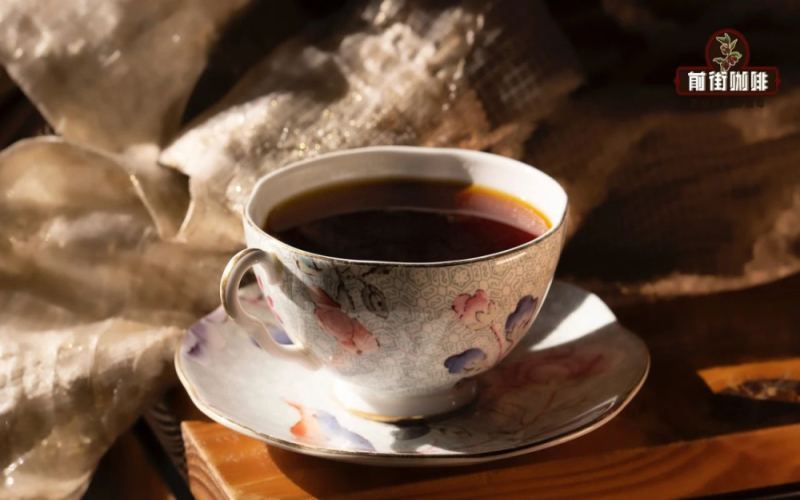
Guatemala Coffee Guide: Flavor Differences Between Antigua and Huehuetenango & Pour Over Parameters
Dive deep into Guatemala, a renowned coffee-producing country famous for its smoky aromas and bright acidity. This guide provides a comprehensive analysis of its unique flavor profile, covering the characteristics of its eight major regions, grading system, and processing methods. Focusing on two well-known regions—Antigua and Huehuetenango—it details their flavor profiles and recommended brewing methods, along with professional roasting and pour over parameters to help you select and brew with precision. [more…]
In-Depth Analysis of Pink Bourbon Coffee: Flavor Characteristics and Cultivation Insights of a Rare Variety
Pink Bourbon is a specialty coffee variety originating from the cross between Red Bourbon and Yellow Bourbon, renowned for its rare pink-colored cherries and distinctive flavor profile. This article provides a detailed exploration of its varietal origins, cultivation challenges, how Colombia’s high-altitude microclimates influence its flavors, and how proper roasting and brewing methods can bring out its balanced sweetness and acidity along with caramel aromas—helping coffee enthusiasts gain a deeper understanding of this refined and rare bean. [more…]
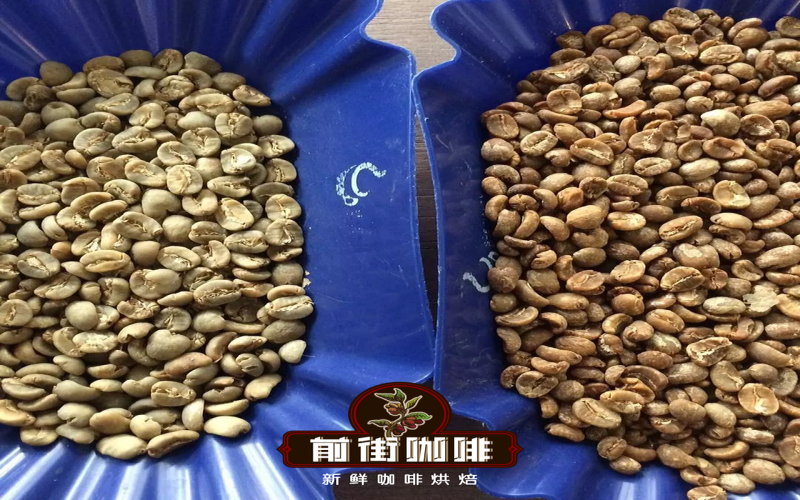
Sumatra Aged Mandheling: 24-Month Aging Process and Flavor Development for Pour Over Beginners
Aged coffee is not just old beans left sitting around—it is an art of maturation under precise control. This article delves into the aging process of Sumatra Mandheling, from the 24-month cellar-aging technique to the flavor transformation mechanism, helping you grasp the rich characteristics of this classic coffee variety. It also provides pour over recommendations under medium-dark roasting, including filter choice, water temperature control, and grind-to-water ratio adjustments, to help you fully experience the layered charm of aged Mandheling. [more…]
Complete Guide to Yirgacheffe Coffee Beans: Flavor, Origin & Pour Over Brewing Tips
Yirgacheffe is one of Ethiopia’s most iconic specialty coffee regions, renowned for its delicate floral and fruity aromas and bright acidity. This article delves into the historical roots and geographical environment that shape its unique flavors, and provides practical flavor profiles and pour over brewing parameter recommendations to help you better understand this globally popular washed Arabica bean. [more…]