







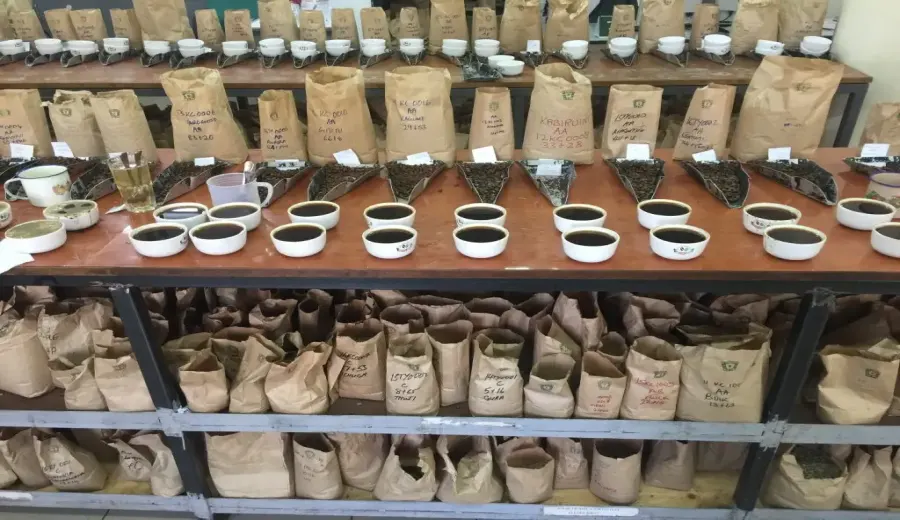
Introduction:Kenya's coffee grading system can be a complex subject for many coffee enthusiasts, especially with designations such as AA, AB, PB, and unofficial labels like TOP, PLUS, which often cause confusion. This article takes an in-depth look at both the official and unofficial grading standards of Kenyan coffee beans—from bean size, hardness, to cupping performance—and compares the flavor differences between AA and AA TOP through actual pour-over brewing, helping you choose your ideal Kenyan coffee beans more accurately.
Kenyan coffee is renowned for its unique berry notes and bright acidity, but to select high-quality Kenyan beans, it’s essential first to understand its grading system. Many consumers often see packaging labeled with AA, AB, or even AA TOP—what do these grades actually mean? Is AA TOP an official grade? This article will guide you through the grading logic of Kenyan coffee beans from both official and non-official perspectives and compare the flavor differences between AA and AA TOP in practice.
Kenya's coffee industry is supported by both large-scale estates and numerous smallholder farmers. Regardless of size, all harvested coffee cherries undergo processing and are almost always sent to the Kenya Coffee Board for unified grading and evaluation. This system operates through a transparent auction mechanism, held every Tuesday at the Nairobi Coffee Exchange in the capital. Buyers can participate in bidding through official or independent agents or trade directly with producers, ensuring fair prices and avoiding middleman exploitation.
The Kenyan government maintains strict control over the coffee industry—not only regulating the cutting down of coffee trees but also striving for precision in quality management. Among these measures, the grading system plays a crucial role in quality control. It primarily classifies coffee beans from highest to lowest based on three criteria: bean size, appearance, and hardness. The grades are AA (or AA+), AB, PB, C, E, TT, and T. There is also a category MH/ML representing the lowest quality, intended only for domestic circulation.
AA GradeThis is Kenya’s highest grade, with bean sizes between 17–18 screens, typically offering better uniformity and appearance. It is the preferred choice for many specialty coffee lovers.AB GradeThese beans are slightly smaller, within the 15–16 screen range, and are the most commonly seen grade on the market, with the highest production volume.PB GradeRefers to peaberry beans, which make up about 10% of the total and are often considered to have more intense flavors.C GradeThese beans fall within the 12–14 screen size.E Grade(also known as elephant beans) are rare, large mutant beans with sizes exceeding 18 screens.TT GradeandT Gradeconsist of lighter beans screened out from higher grades, generally possessing lower hardness and quality with a higher risk of defects. As forMH/ML Grade,these are unwashed and unsorted naturally fallen beans, available only for domestic markets.
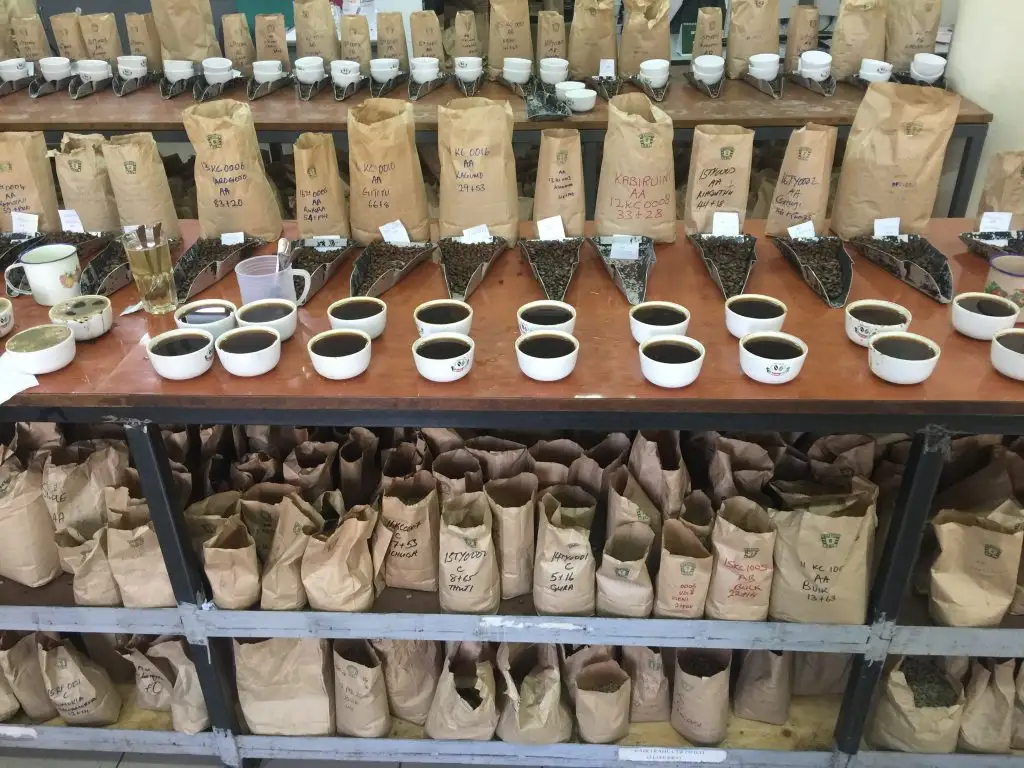
In addition to the official grades, many exporters or traders also apply unofficial labels such as TOP, PLUS (+), and FAQ to further differentiate the quality within AA and AB grades. Among them,TOPthe TOP grade is determined based on cupping results. Though not an official standard, it usually indicates that the batch performs exceptionally well in flavor.PLUS (+)also lacks a unified standard, with definitions varying by supplier and should be taken as a reference only.FAQFAQ stands for "Fair to Average Quality," allowing for minor defects but without compromising overall flavor.
It’s worth noting that common labels like “AA+” or “AA++” seen on the market are mostly marketing terms added by exporters. Actual quality should still be judged based on cupping results and brewing performance. While these additional labels offer some guidance, it’s ultimately recommended that consumers roast and cup the beans themselves, or choose reputable suppliers, to ensure bean quality.
To better understand the difference between AA and AA TOP, we compared the pour-over performance of two Kenyan beans. The first is a premium washed Kenyan bean labeled AA TOP, sourced from the Thika region, grown at an altitude of 1550–1750 meters, using SL-28 and SL-34 varieties, and processed with a 72-hour washed method. The second is the Kenyan Karogoto AA, from the Nyeri region, grown at 1800 meters altitude, also of the SL28 and SL34 varieties, produced by cooperative smallholders.
Pour-over parameters were set as follows: using a V60 dripper, a sugar-like fine grind (80% passing through a #20 sieve), water temperature of 92–93°C, and a brew ratio of 1:15. The brewing method involved a 30-second bloom with 30 grams of water, followed by pouring to 120 grams then pausing, and then pouring to 225 grams, with a total extraction time of around 2 minutes.
The results showed that the AA TOP-labeled 【Asali】 exhibited wet aromas of ripe tomato and floral notes. When hot, it presented pronounced caramel and brown sugar sweetness. As the temperature dropped slightly, the acidity layers of cherry tomato and black plum became distinct. The overall mouthfeel was clean, with a medium body and prominent juiciness. In contrast, 【Karogoto】 had a fresh entry, dominated by cherry tomato and berry acidity. As it cooled, it developed a slight tea-like note along with caramel aroma. Overall, its flavor profile was more refreshing, though slightly less layered and sweet than the AA TOP.
Overall, AA TOP-grade beans generally excel in cleanliness, flavor complexity, sweetness, and acidity expression, making them ideal for coffee lovers seeking refined taste experiences. Regular AA-grade beans, on the other hand, shine with their bright and clean profiles, suiting those who prefer simpler flavor expressions. Regardless of the grade chosen, it’s recommended to adjust brewing parameters according to personal taste preferences to fully showcase the unique charm of Kenyan coffee.
The above content is compiled by CoffeeHunters, a coffee news website.


