







Category: Coffee Knowledge
How does brewing Blue Mountain coffee with a siphon work? Key techniques to extract its rich and sweet flavors
Blue Mountain coffee is renowned for its delicate and refined flavor profile. But can a siphon brewer perfectly showcase its richness and aroma? This article delves into the temperature control, grind size settings, and step-by-step practical operation of brewing Blue Mountain coffee using the siphon method. It also provides specific advice on common issues such as over-extraction, incorrect heat application, and how to judge coffee freshness. By adjusting water temperature, stirring intensity, and extraction time, it helps you brew a balanced, smooth Blue Mountain coffee with a long-lasting aftertaste. [more…]
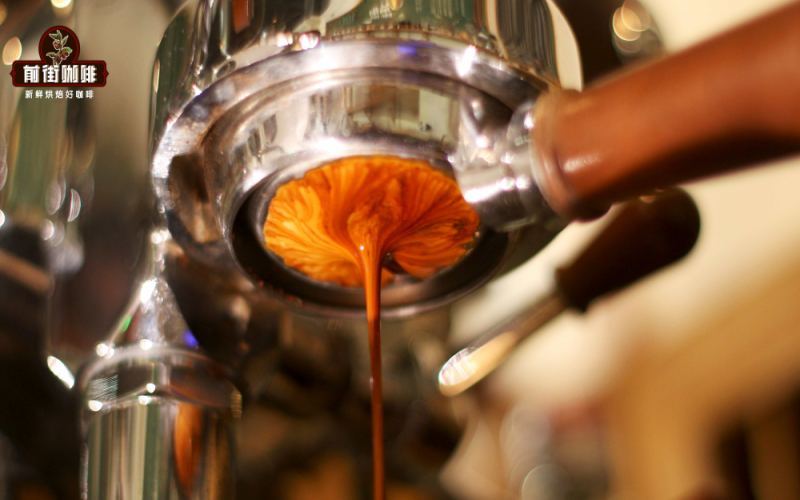
What to do if your espresso extraction is uneven? A complete guide to solving channeling and splattering issues
Have you ever encountered a situation where your extraction parameters seem correct, but the espresso tastes sour and thin, or even has holes in the puck? This is likely caused by “channeling”! This article delves into the causes of channeling, including key factors such as coffee bean selection, dose matching, coffee distribution and leveling techniques, and tamping methods. It also provides specific improvement suggestions to help you achieve more stable extractions with balanced flavors, while reducing the chances of splattering and puck holes. [more…]
Cracking the Channeling Effect in Espresso: A Comprehensive Guide to Uneven Extraction and Splattering Issues & How to Fix Them
Have you ever encountered weak, overly sour espresso with strange little holes in the coffee puck? Chances are, it’s caused by the “channeling effect”! This article takes an in-depth look at the causes of this common extraction issue—from bean selection and rest period, to dose control, dosing, distribution, and tamping techniques—and step-by-step teaches you how to avoid uneven extraction and splattering, resulting in more stable flavor and a richer mouthfeel in your espresso. [more…]

Why Does Mandheling Coffee Have Acidity? A Complete Guide to the Flavor of Golden Mandheling and Pour Over Brewing Techniques
Many coffee beginners, upon first trying Mandheling coffee, are often struck by its intense, bitter roastiness. However, with careful tasting, one can also detect a subtle acidity that’s not immediately obvious. This seemingly contradictory flavor profile is actually closely related to the degree of roasting, processing method, and brewing technique. This article will delve into the origin of the name “Mandheling,” explore the characteristics of Indonesia’s wet-hulled processing method, analyze how roast level influences its flavor profile, and provide recommended pour over brewing parameters for PWN Golden Mandheling to help you [more…]

Guatemala’s Eight Major Coffee-Growing Regions: Flavor Profiles & Pour Over Parameters Guide
Want to dive deep into the unique charm of Guatemalan coffee? This guide provides a detailed analysis of the geography, climate characteristics, and flavor profiles of the country’s eight renowned coffee-growing regions, with a special focus on the three classic areas—Antigua, Huehuetenango, and Nuevo Oriente. Featuring practical pour over examples, it will help you master the brewing techniques and parameter settings for high-scoring Guatemalan coffees such as the Antigua Fleur de Sel SHB, covering everything from tasting to extraction. [more…]

How to Make Pour Over Coffee with Milk? Flavor Transition Techniques from Café au Lait to Japanese Interpretations
The practice of pairing pour over coffee with milk actually originated from the 17th-century French classic "Café Au Lait," which later spread to Japan and evolved into a localized, high-concentration version. Whether this combination can deliver delicious results depends on the roast level of the coffee beans and appropriate brewing parameters. This article details the historical background and flavor pairing principles of pour over coffee with milk, and using a medium-dark roasted bean as an example, shares practical steps and tasting insights to help you master this classic coffee beverage. [more…]
Analysis of Acidity in Indonesian Mandheling Pour Over | Flavor & Brewing Tips for Golden Mandheling
Many beginners who enjoy single-origin coffee often choose Mandheling to avoid acidity. However, after actually brewing it via pour over, they may perceive a slight acidity, which slightly differs from the expected rich, sweet, and bitter flavors. This article delves into the background of this classic Indonesian bean—from the origin of the name "Mandheling," the definition of Golden Mandheling, the characteristics of the Ateng variety, to the wet-hulling processing method—and explores the possible reasons for its acidity. It also provides suggestions on the roasting and Kono filter cup brewing methods for Golden Mandheling, helping you better understand... [more…]
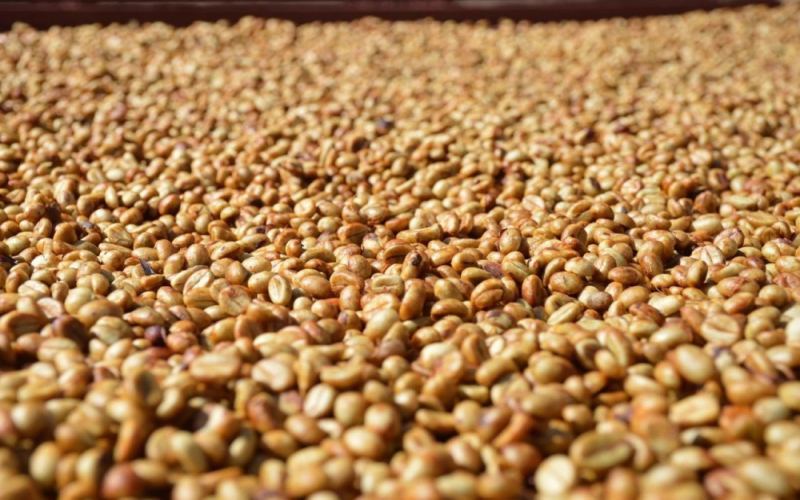
A Comprehensive Guide to Costa Rica Honey Processed Coffee Beans: Flavor Differences of Yellow, Red, and Black Honey, and Regional Analysis
Costa Rica honey processed coffee beans are renowned for their diverse mucilage retention techniques. The differences between yellow honey, red honey, and black honey are reflected not only in appearance and drying methods but also directly influence flavor profiles. This article delves into the core characteristics of the three main types of honey processing, explores the unique terroir of the Tarrazú region, and provides detailed practical advice on roasting and pour over brewing to help coffee enthusiasts fully grasp the charm of honey processed beans—from beginners to advanced levels. [more…]

Analysis of Ethiopia's Huakui Bean Growing Region & Flavor Comparison of African Beans: Extraction & Selection Guide
Delve into the origin of Huakui coffee beans from Ethiopia's Sidamo region, particularly Guji-Hambella, and compare the flavor differences between Sidamo and Yirgacheffe, as well as the rich juice-like body of Kenyan beans. This article provides a detailed analysis of the characteristics of Ethiopian native varieties and Kenya SL varieties, the impact of washed and natural processing methods on flavor, and offers practical extraction suggestions and parameter settings to help you master the essence of premium African coffee. [more…]
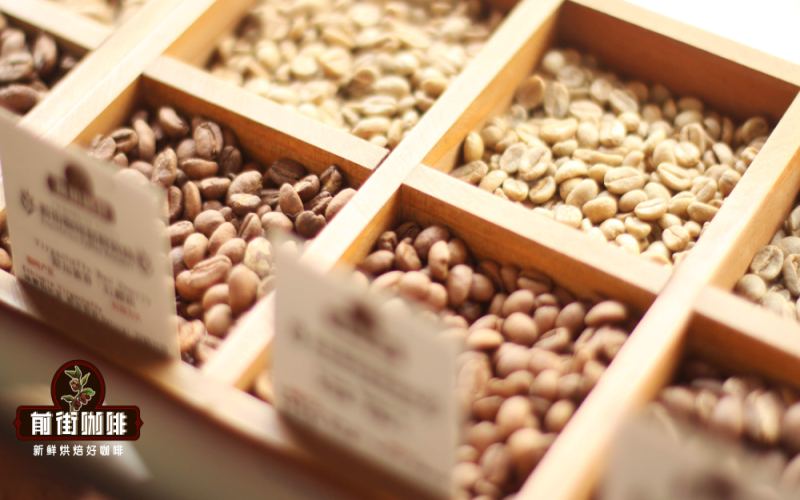
Ethiopian Hua Kui vs Kenyan Coffee Beans: A Full Analysis of Acidity Differences and Pour Over Parameters
African specialty coffee is renowned for its vibrant fruit acidity, and Ethiopian Hua Kui and Kenyan beans each have their own unique characteristics. The former excels in bright floral and fruity notes, while the latter showcases rich berry acidity. This article explores the flavor profiles of both by examining their growing regions, varietal traits, and processing methods, and also provides professional pour over parameter recommendations to help you master the extraction secrets of these two classic beans. [more…]

Cold Brew Drip Bag Coffee Tutorial: Home Method, Coffee-to-Water Ratio, and Flavor Adjustment Tips
Want to enjoy refreshing cold brew coffee at home but don’t have specialized equipment? Actually, you can easily make a delicious cold brew beverage using common drip bag coffee. This article explains in detail how to use drip bag coffee as a base and adjust the coffee-to-water ratio, ice ratio, and steeping time to create an ice-cold coffee perfect for summer. Whether you're a coffee beginner or an enthusiast who loves experimenting with different flavors, you’ll learn practical tips and key parameters here. [more…]
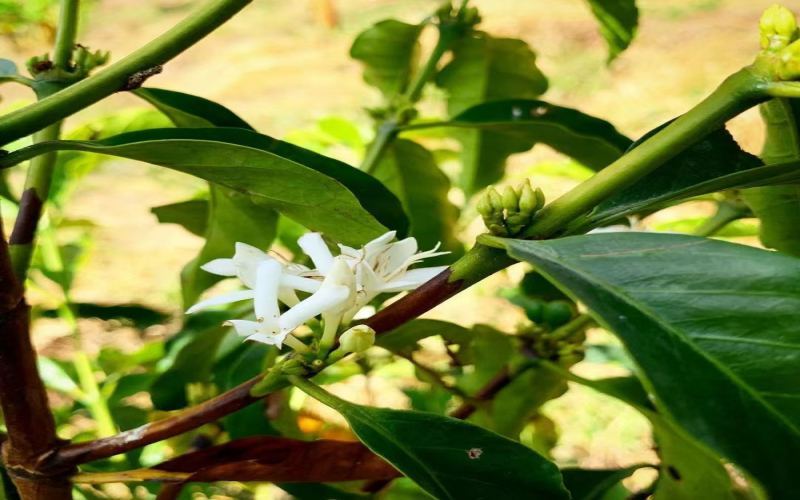
What’s the difference between Panamanian Geisha and Artisan coffee beans? Flavor analysis and pour over roasting recommendations
Geisha and Artisan are often mistaken for different varieties, but in fact, they are the same premium coffee bean originating from Ethiopia. Once used as windbreak trees, this bean rose to fame after Panama's Hacienda La Esmeralda discovered its potential and won the cupping competition championship in 2004. This article delves into the origin of the Geisha variety, green bean characteristics, roasting recommendations, and cupping flavors to help coffee enthusiasts gain a more comprehensive understanding of this legendary coffee. [more…]

In-depth Analysis of Finca El Valle Geisha Beans: Flavor Profiles, Grade Differences, and Pour Over Parameters
Geisha coffee is hailed as the pinnacle of specialty coffee, beloved by coffee enthusiasts worldwide for its distinctive floral and fruity aromas and bright acidity. This article will take you through how Geisha rose to prominence from Finca El Valle in Panama, detail the differences between the Red and Green labels, and provide practical V60 pour over parameters to help you brew Geisha flavors at home that are close to auction-grade quality. [more…]

A Complete Guide to Panamanian Geisha: How to Choose Between Emerald Estate’s Red, Green, and Blue Labels? Overview of Flavors and Brewing Parameters
Want to know why Geisha coffee can command sky-high prices at auctions? How does Emerald Estate create a top-tier coffee experience through altitude-based grading? This article takes an in-depth look at the three core growing regions of Panama’s Emerald Estate, covering the grade differences between Red, Green, and Blue labels, their cupping flavor profiles, as well as practical pour over recommendations and roast curve details—helping you fully master the selection and brewing secrets of Geisha. [more…]
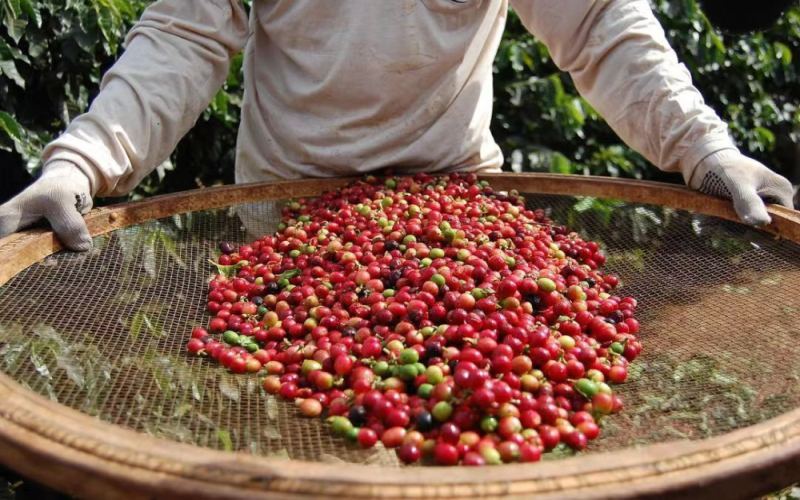
The Ultimate Guide to Brazilian Coffee Beans: Grading Standards, Regional Characteristics, and Pour Over Guides for Two Popular Beans
Brazil is the world’s largest coffee producer, boasting a diverse range of coffee styles—from commercial-grade to specialty-level offerings. This article delves into Brazil’s coffee grading system and regional characteristics, while focusing on two best-selling representative beans from the industry—Cerrado Red Bourbon and Fazenda Rainha Yellow Bourbon Natural. From regional environments, variety features, processing methods, to pour over parameters and flavor profiles, this guide will help you fully grasp the essence of Brazilian coffee. Whether you’re a beginner or an advanced enthusiast, [more…]
Essential Guide to Pour Over Coffee: A Complete Overview of Coffee Dosage, Brew Ratio, and Bloom Techniques
To consistently brew a well-balanced cup of pour over coffee, mastering the coffee dosage, brew ratio, and bloom technique is key. This article provides a detailed analysis of the rationale behind using 15 grams of coffee, a 1:15 brew ratio, and extracting 225 milliliters of coffee, while also comparing these parameters with those commonly used for espresso. This helps establish a scientific brewing framework. Then, taking a washed Yirgacheffe bean as an example, it step-by-step explains the V60 three-stage brewing process—including details such as bloom degassing, pouring height, and pulse pouring rhythm—to help beginners get started with ease. [more…]
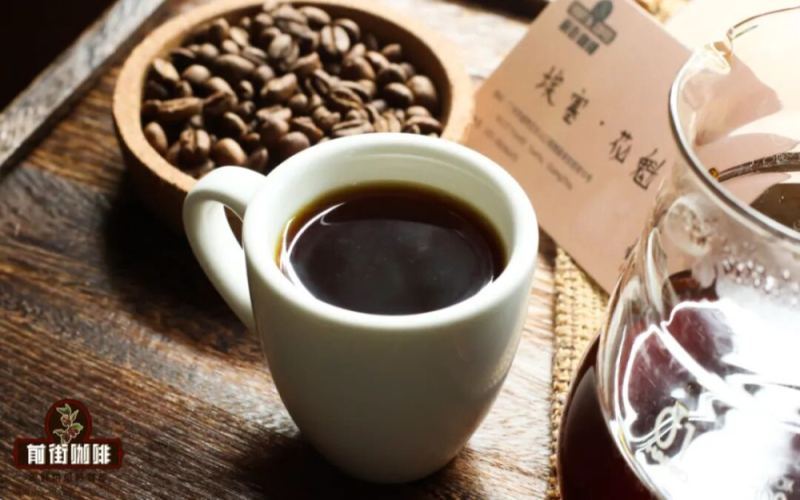
8 Best Pour Over Coffee Beans | A Comprehensive Guide to Floral & Fruity Flavor Profiles and Roast Impact
Many people mistakenly think that coffee only tastes bitter and astringent. In fact, by selecting the right coffee varieties and controlling the roast level, you can also enjoy elegant floral and fruity aromas reminiscent of floral teas. This article explores how roasting affects flavor, explaining why light and light-medium roasts better preserve floral and fruity acidity. We’ve carefully selected eight pour over coffee beans with distinct floral characteristics, covering renowned origins such as Yirgacheffe, Geisha, and Huagu. Each bean comes with detailed flavor descriptions and brewing recommendations to help you find your perfect match. [more…]

How Does Light Roast Coffee Unleash Elegant Floral Aromas? Analyzing White Floral Types and Pour Over Extraction Essentials
The floral notes in coffee are always captivating yet elusive to master. This article delves into the botanical background and sensory classification of white floral aromas, guiding you to identify the characteristics of different floral tones—from muted, subtle, to fresh fragrances. It also explores how light to medium roasting preserves more floral compounds, and offers pour over extraction techniques for grinding, blooming, and tasting stages to help you more precisely appreciate and select your favorite floral coffee beans. [more…]
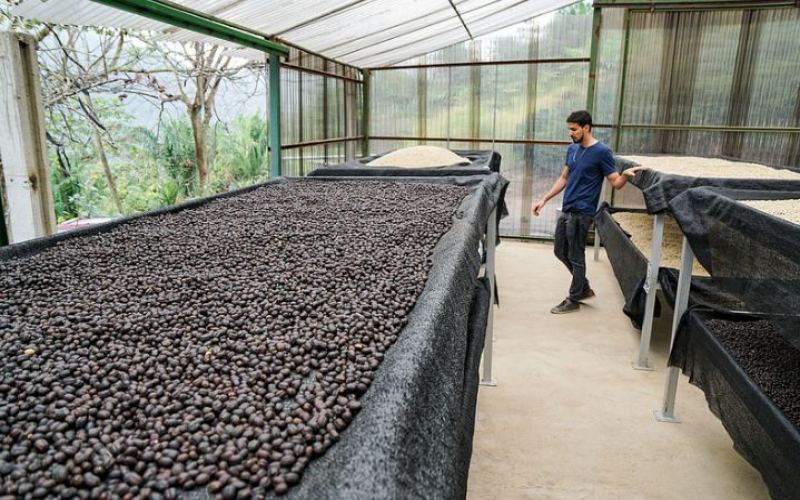
Bolivian Hacienda Warique Java Coffee Beans: A Comprehensive Guide to Natural Processing and Smallholder Farming
Explore the rare Java coffee beans from Hacienda Warique in the Caranavi region of Bolivia, and delve into their complete journey from cultivation and processing to roasting. This article provides an in-depth look at the bean variety’s historical roots, unique flavor profile, and precise pour over brewing recommendations, allowing you to savor its complex layers of hazelnut, citrus, and wine-like notes. [more…]
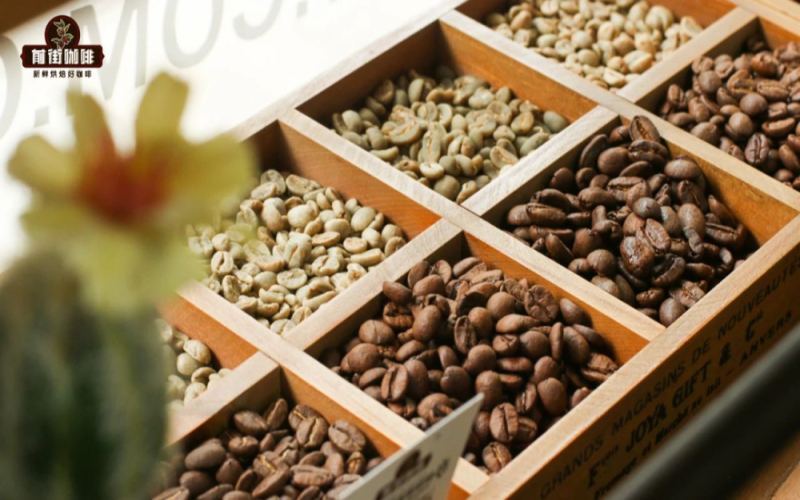
Complete Guide to Ethiopian Coffee Grades: G1 vs. G3 Differences and Regional Flavor Profiles
An in-depth analysis of the characteristics of Ethiopia’s nine major coffee-growing regions and the ECX grading system. From a side-by-side cupping comparison of Yirgacheffe G1 and G3 beans to the impact of natural and washed processing methods on flavor, this guide equips you with essential knowledge for selecting specialty coffee beans, along with expert-level pour over brewing parameters. [more…]