







Introduction:For beginners who have just started using a home espresso machine, making a rich and creamy shot of espresso — and even expanding it into a latte — is actually not difficult. This article starts with the basics of equipment operation, detailing key steps such as bean selection, dosing, tamping, and extraction time, and explains why espresso blends are better suited for home milk coffee preparation. It also provides practical parameter suggestions to help you stabilize your extraction rhythm, reduce mistakes, and easily produce professional-grade espresso.
Many people who are new to coffee brewing often feel at a loss when facing a home espresso machine. However, regardless of the price of the equipment, the principles behind espresso extraction are fundamentally the same. From a beginner’s perspective, this article systematically breaks down the entire process — from selecting coffee beans, evenly distributing the grounds, tamping steadily, to judging extraction time — and analyzes why espresso blends are more suitable for making lattes. It also offers a set of practical extraction parameters to help you get started quickly and consistently produce rich, flavorful espresso with a good crema.
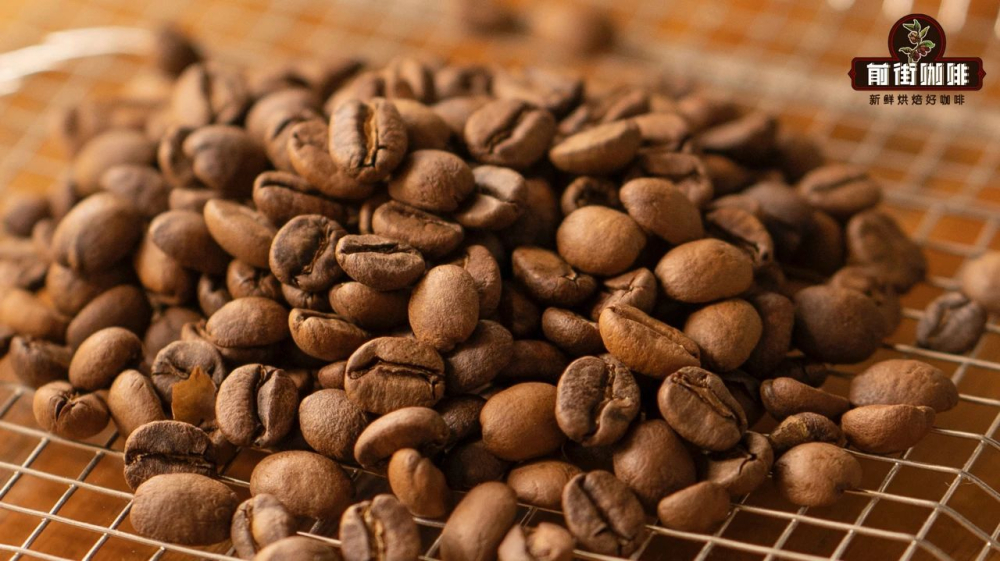
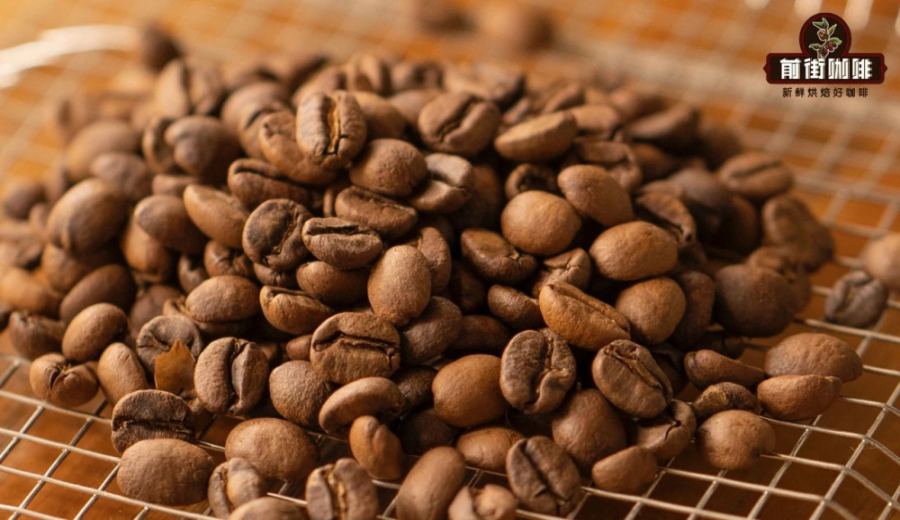
For coffee newcomers who want to consistently make a delicious latte, choosing an espresso blend is a more reliable option. Generally, baristas recommend using espresso blends with high flavor stability. If you’re aiming for a rich crema, you might consider a classic Mamba-flavor blend or a dark-roasted coffee; if you value cost-effectiveness and consistent extraction, a medium-dark roasted blend is also a good choice; and for those who prefer fruity and floral notes, you can opt for a blend with bright acidity, ideal for crafting specialty lattes.
Blends typically combine beans from different regions, roasted to a medium to dark level. This not only delivers a rich and full-bodied taste but also helps form a thick crema, adding more dimension to milk-based coffee. Moreover, most espresso blends are designed with café needs in mind, excelling in stability and cost control, often offering better value compared to single-origin beans.
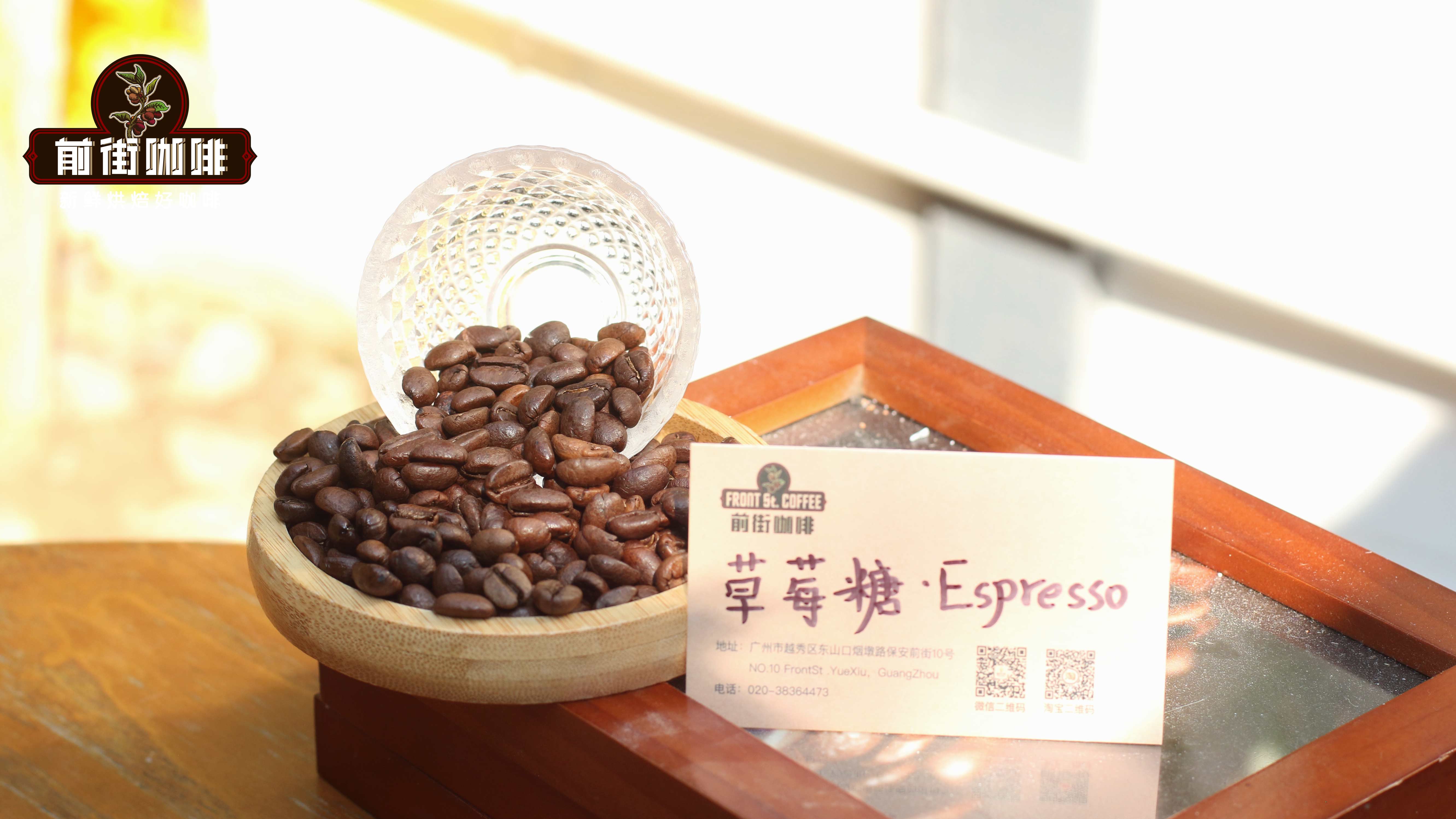
This article uses a classic espresso blend that works well for both home and commercial settings as an example to illustrate the actual brewing process. This blend draws inspiration from the classic "Mamba coffee," combining the herbal and spicy aromas of Indonesian Mandheling with the body and low acidity of Brazilian beans, resulting in a well-balanced and layered flavor. Additionally, a small amount of Robusta is added to enhance the texture and thickness of the crema, allowing home-brewed espresso to achieve a professional-level taste that’s perfect for latte art or pairing with milk.
Coffee beans: Classic Espresso Blend
Coffee dose: 20 grams
Yield: 40 grams
Brew ratio: 1:2
Extraction time: 26–32 seconds
Grind size: Medium-fine grind recommended, e.g., Galileo 2.0 setting (adjust slightly based on your equipment)
No matter whether your home espresso machine is worth a few thousand yuan, a few hundred yuan, or is a professional-grade device costing tens of thousands, the basic extraction principle doesn’t differ much, so the operational steps are largely similar. This guide demonstrates using a double basket, with a recommended dose of 20 grams of coffee, extracted at a 1:2 brew ratio, aiming to produce 40 milliliters of espresso in an ideal time frame. If your portafilter basket holds 18 grams, then extracting 36 milliliters of coffee is advisable.
Extraction time is generally recommended to be controlled between 20–35 seconds, with the optimal range being 26–32 seconds. If the extraction time is less than 20 seconds, the coffee may taste thin and lack complexity; if it exceeds 35 seconds, it may become over-extracted with noticeable burnt or bitter notes. Therefore, beginners are advised to stabilize the extraction time within 26–32 seconds to achieve a balanced and rich flavor.
Before starting the extraction, first clean the portafilter basket, grind about 20 grams of coffee beans using the grinder, and weigh them accurately with an electronic scale. Then, use a distribution tool to evenly spread the coffee grounds, followed by tamping with a tamper applied vertically to ensure a compact and level puck — this greatly improves extraction stability. After tamping, you can briefly open the extraction switch to let water flow for 1–2 seconds to wet the group head and flush out any residual coffee grounds.
Place the cup under the group head and put an electronic scale at the bottom of the cup. Tare the scale, then begin extraction. Gently lock the portafilter into the group head, start the extraction, and observe the flow rate and the scale reading. When the coffee reaches 40 grams and the time is around 30 seconds, turn off the extraction switch to get a shot of espresso that’s fragrant, rich, and topped with a thick crema.
If the final extraction time is between 30–35 seconds, it indicates a slower flow rate. For the next shot, try reducing the coffee dose by about 0.3–0.5 grams (note: avoid making large adjustments to the grind size to prevent significant impact). If the time exceeds 35 seconds, the grind may be too fine and should be adjusted coarser. Conversely, if the extraction time is only 20–25 seconds, you may consider increasing the dose by 0.3–0.5 grams; if it’s below 20 seconds, adjust the grind finer to extend the extraction time and achieve a fuller release of flavors.
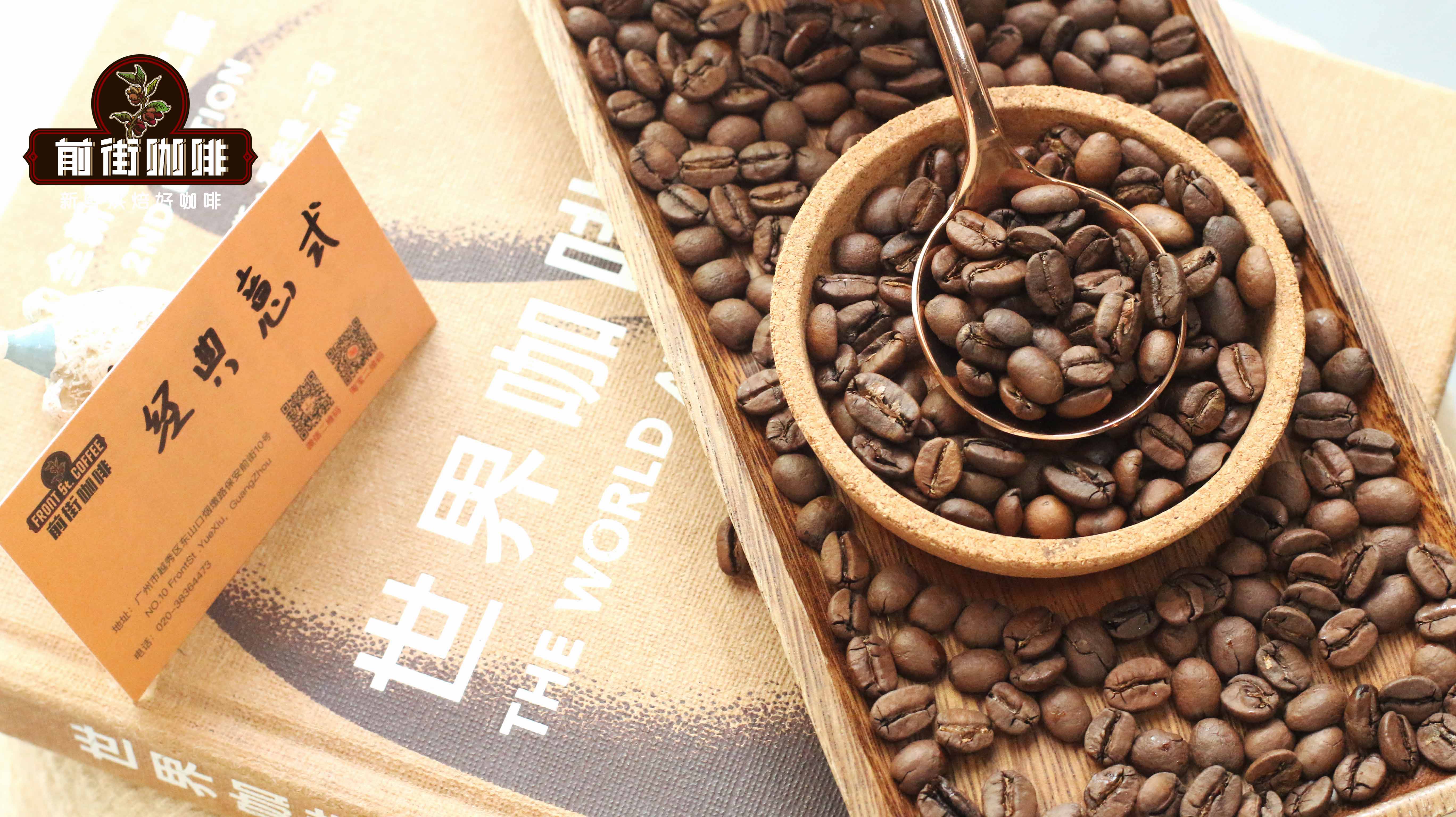
What is an espresso blend?
In the early days when espresso was not yet widely popular, many cafés used single-origin beans, such as Mocha or Brazilian beans, without emphasizing the concept of blending. However, as market demand grew, single-origin beans often exhibited fluctuations in supply, quality, and flavor. To reduce extraction risks, roasters began blending beans from different regions, using their complementary characteristics to achieve more stable brewing results.
Additionally, to further mask potential defects or excessive acidity in certain batches, many blends are roasted to a medium-dark or dark level. This not only enhances crema formation but also develops rich flavors like caramel, dark chocolate, nuts, and cream — traits that have made espresso blends a classic choice for making espresso and milk coffee.
The above content is compiled by CoffeeHunters, a coffee news website.


