








Introduction:A well-maintained semi-automatic espresso machine is key to brewing rich and flavorful coffee. This article provides a comprehensive guide to the full process of maintenance — from daily cleaning to in-depth care — including external maintenance, group head screen cleaning, portafilter and basket management, backflushing procedures, and more. It also offers advice on selecting coffee beans suitable for espresso extraction, helping you maintain your machine’s optimal performance and consistently produce high-quality coffee.
In the world of specialty coffee, the semi-automatic espresso machine is truly the heart and soul of any shop. Whether in a professional café or a home setup, this equipment not only embodies the essence of extraction techniques, but its daily cleanliness and upkeep are also crucial factors that determine coffee flavor and machine longevity. With proper maintenance, not only can you extend its service life, but you can also ensure that every shot of espresso maintains stable and outstanding extraction performance.

As everyone knows, the semi-automatic espresso machine is the “heart” of a coffee shop. And whether this “heart” can operate stably over the long term depends not only on the initial quality of the equipment, but also on meticulous day-to-day maintenance. A professional barista must not only be able to extract coffee with rich layers of flavor, but also understand how to use the correct cleaning procedures to keep the equipment in its best condition. This article will guide you step-by-step through the details of daily and regular maintenance, ensuring your espresso machine consistently performs at its best.

First and foremost, keeping the exterior of the coffee machine clean is the most basic step. Many people tend to overlook this, but in reality, the enjoyable experience of a great cup of coffee often starts with the first visual and tactile impression. After each extraction, it is recommended to immediately wipe the machine body with a soft, dry cloth to prevent coffee drips from leaving residues. Over time, this not only affects the appearance but may also lead to oxidation or discoloration of the machine casing.
Next, cleaning the group head screen is especially important. This is the final barrier before water enters the coffee basket and a key component that affects extraction uniformity. After each extraction, although most of the coffee grounds remain in the puck, a small amount of fine particles still adhere to the surface of the group head screen. If not cleaned promptly, it may not only affect the flavor of the next shot but could also lead to channeling. It is recommended to open the brew head after each use, quickly rinse the group head screen with clean water, and gently brush the outer edge with a fine-bristle brush to ensure no residue builds up.
Cleaning the portafilter and basket is another step that many shop owners and home users often overlook. Especially for bottomless or spouted portafilters, after each extraction, the basket retains quite a bit of coffee oils and fine particles. If not cleaned regularly, it can produce off odors and may also affect the purity of subsequent extractions. It is recommended to remove the basket after each day’s use, rinse it with hot water and a small amount of neutral detergent, and optionally soak it with about 5 grams of specialized coffee machine cleaning powder mixed with hot water for about 30 minutes, then thoroughly rinse with clean water. This effectively removes accumulated oils and odors and restores the basket to its original state.
Additionally, backflushing is an essential part of maintaining the internal piping of the machine. This step mainly targets E61 or similar brew head structures, aiming to clear the fine coffee particles and oils that accumulate in the internal pipelines over time. For this, you can use what is called a “blind basket” — a basket without filter holes — attach the portafilter, and perform a brief extraction (recommended for no more than 10 seconds). This uses high-pressure hot water to backflush the internal pipes. It is advised to repeat this action several times, and discard the residual liquid in the blind basket after each extraction to ensure effective removal of dirt.
If the espresso machine is used frequently — for example, making more than 20 cups per day — it is recommended to perform a backflush with cleaning powder once a week. The specific method is: add about 3 grams of specialized coffee machine cleaning powder into the blind basket, install it, and perform a 10-second extraction, then discard the remaining solution. Repeat the extraction and cleaning process at least three times. Then follow up with several short extractions using only water to ensure no cleaning agent residue remains in the pipes. For home use, the frequency can be reduced to once a month, but regular execution is still recommended to maintain optimal extraction quality.
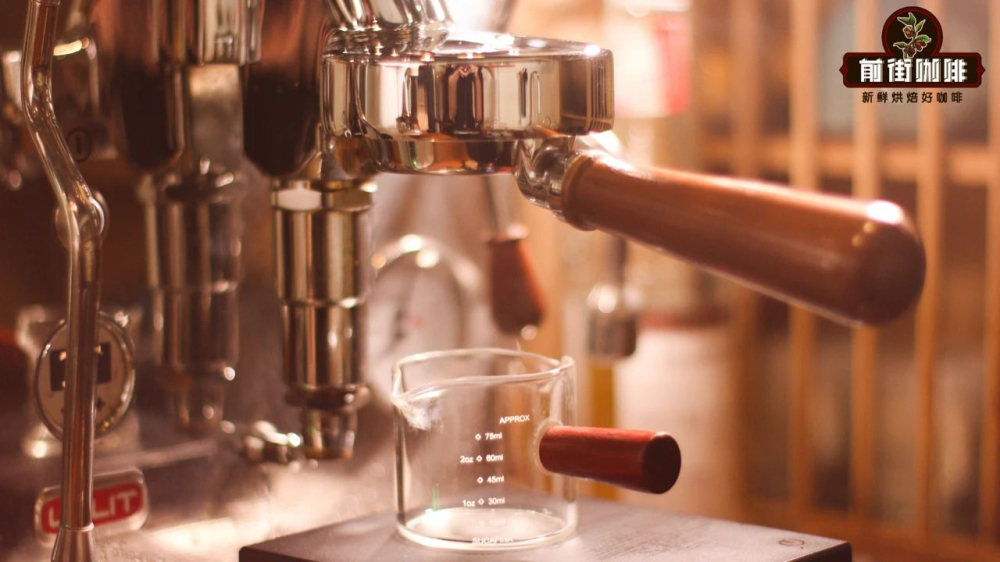
Finally, don’t forget to regularly inspect and replace the group head screen, check the gaskets, and perform boiler maintenance. Generally, the group head screen should be removed and cleaned approximately every six months, especially if you notice uneven water flow or unstable extraction pressure, which could be signs of a clogged screen. Gaskets, due to constant exposure to high temperatures and steam, can harden and lose elasticity. It is recommended to check them every 6 to 12 months, and if you notice the portafilter sits at an angle greater than 90 degrees when locked in, it’s time to consider replacing them. As for the boiler, if non-purified water is used, scale can build up over time. It is advisable to have a professional technician perform internal descaling maintenance every 1 to 2 years to ensure heating efficiency and prolong the machine’s lifespan.
In summary, maintaining a semi-automatic espresso machine is not just about extending its service life, but also about ensuring the stable performance and delicious flavor of every cup of coffee. From daily external cleaning and group head screen maintenance, to deep cleaning of the portafilter and basket, and on to backflushing and regular servicing, each step plays a critical role. By mastering these basic principles, you can keep your coffee machine running steadily and consistently deliver unforgettable shots of espresso to every customer or family member.
The above content is compiled by CoffeeHunters, a coffee news website.


