







Category: Coffee Knowledge

Complete Guide to Brazilian Coffee: From Regional Grading to Bourbon Varieties, Mastering Flavor and Processing
As the world’s largest coffee-producing country, Brazil not only supplies stable commercial blends but also nurtures specialty coffees with distinct terroir characteristics. This guide delves into Brazil’s four major producing regions, the differences among classic Bourbon varieties, the features of mainstream processing methods, and the rigorous three-tier grading system—giving you a comprehensive understanding of Brazilian beans from green to cup. It also provides tested roasting profiles and pour over parameters, helping both beginners and advanced enthusiasts find their ideal Brazilian coffee. [more…]

Cold Brew vs. Hot Brew Coffee: Difference Analysis | Extraction Principles, Suitable Beans & Ice Drink Beginner's Guide
Want to enjoy a uniquely flavored cup of coffee on a hot summer day? Though cold brew and iced pour over may seem similar, they actually differ significantly in extraction temperature, brewing time, and final flavor profile. This article delves into the basic principles of low-temperature slow brewing versus high-temperature pour over, offering an in-depth analysis of how the two methods vary in terms of coffee molecule release, balance between bitterness and sweetness, and body sensation. It also provides advice on selecting coffee beans, grind size and coffee-to-water ratio references, immersion duration control, and storage tips to help you master the essentials of iced coffee brewing. [more…]
Can a hand grinder make espresso? A full review and grind settings test of the TaiMo Chestnut G1S
Many believe that hand grinders struggle with the extremely fine grind required for espresso, but through actual testing, we found that with the right techniques, a conical burr hand grinder can also produce espresso with vibrant flavors. In this test, we used a certain brand of hand grinder along with an Italian blend to walk through the entire process from adjusting grind size to evaluating flavor, and also shared the key differences between conical and flat burrs—offering a practical guide for those who want to challenge themselves with making espresso using a hand grinder. [more…]
How to choose a pour over coffee filter? A comprehensive analysis of the pros and cons of paper filters, metal filters, and cloth filters
The flavor profile of your pour over coffee is closely tied to the choice of filtration material. From the most common coffee paper filters, to eco-friendly metal filters, to uniquely textured cloth filters — each material affects crema, fine particles, and extraction efficiency differently. This article provides an in-depth look at their structural principles, usage methods, and flavor characteristics to help you find the filtration solution that best suits your brewing habits. [more…]
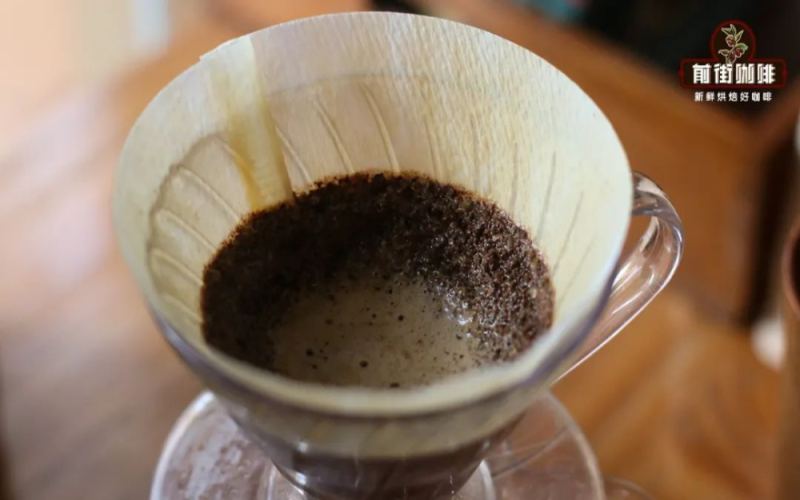
Pour Over Coffee Flow Rate Guide: Analyzing Key Factors Affecting Extraction Time
When brewing pour over coffee, even with the same amount of coffee grounds, extraction time can vary significantly due to differences in flow rate. Understanding the factors that influence flow rate not only helps you better control the brewing rhythm but also enhances the flavor expression of the coffee. This article will delve into core variables such as roast level, processing method, bean density, and grind size, and provide practical suggestions for adjusting flow rate. [more…]
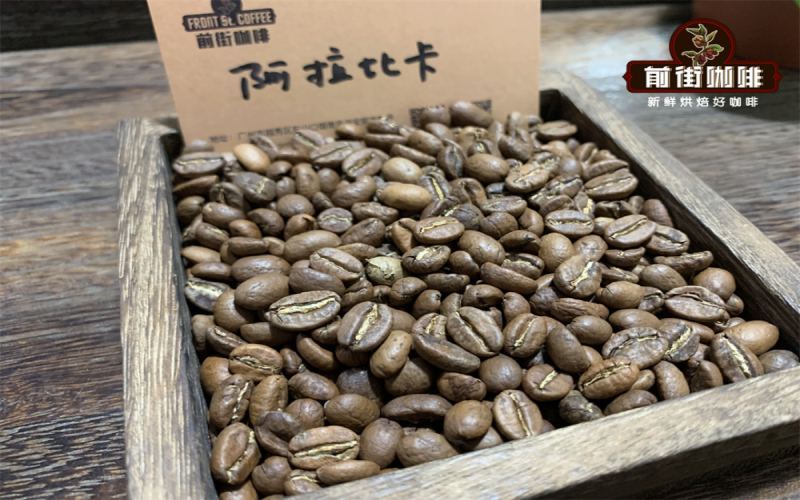
Complete Guide to Arabica Coffee Varieties: Flavor Profiles & Pour Over Recommendations
Although Arabica coffee beans account for nearly 75% of global production, many people still have only a vague understanding of the differences between varieties and the brewing methods that suit them best. This article provides an in-depth analysis of the origins, flavor profiles, and cultivation characteristics of the three mainstream Arabica-derived varieties—Typica, Bourbon, Caturra, and Catuai—as well as practical pour over recommendations to help you choose the beans that best match your taste preferences. [more…]
Is Blue Mountain Arabica? An In-depth Analysis of Flavor, Varieties, and Cultivation Essentials
Arabica coffee is the mainstream variety in the global specialty coffee scene, and Blue Mountain coffee also falls into this category. This article delves into its characteristics and suitable brewing methods by exploring everything from variety evolution and flavor profiles to common derivatives such as Typica, Bourbon, Caturra, and Catuai. It also discusses the challenges and advantages of the Arabica species, helping you build a more comprehensive coffee knowledge system — from flavor to variety. [more…]

How to Brew SOE Espresso? Unveiling Ideal Parameters and Practical Tips to Avoid Acidity & Astringency
SOE (Single Origin Espresso), beloved for its ability to showcase distinct regional flavors, can sometimes present overly sharp and unpleasant fruit acidity—especially in lightly roasted beans—due to the high temperature and pressure of the extraction environment. This article delves into key extraction parameters, common causes of flavor defects, and uses real coffee examples to provide comprehensive brewing advice, covering everything from coffee-to-water ratio and grind size to brew time. Whether you're a home enthusiast or aiming to master advanced techniques such as pairing with milk or crafting an Americano, these tips will help you consistently produce balanced and smooth SOE shots. [more…]
The Ultimate Guide to Pour Over with Yellow Bourbon from Fazenda Rainha in Brazil: Flavor Profile & Precise Brewing Parameters
As one of Brazil’s most iconic and rare coffee varieties, Yellow Bourbon is widely celebrated for its rich, sweet flavor profile—it has even consistently ranked among the top three at Brazil’s Cup of Excellence competition. This article delves into the Yellow Bourbon beans sourced from Fazenda Rainha in the Mogiana region, exploring their unique genetic lineage, the fruit sugar accumulation effect nurtured by high-altitude microclimates, and provides a complete pour over brewing guide including grind size, water temperature, brew ratio, and a three-stage pouring technique—helping you achieve the full expression of flavors such as dark chocolate, cream, and nuts. [more…]

The Ultimate Guide to Panamanian Geisha Varieties: Exploring Boquete Region Flavors and the Differences Between Single-Origin and Blends
Dive deep into the world of Panamanian Boquete Geisha coffee — from its origins and growing environment to the flavor profiles of single-origin and blended versions. This comprehensive guide reveals why the highland microclimate of Boquete gives Geisha its distinctive floral and fruity notes, and compares the experience of brewing single-origin Geisha via pour over versus enjoying it in everyday blends, helping you find your ideal way to savor this celebrated specialty coffee. [more…]

Pour Over Coffee Beginner’s Guide: Four Classic Japanese Techniques + Recommended Bean Selections from Three Major Regions
If you want to brew pour over coffee at home that rivals café-quality, selecting premium beans is only part of the equation—mastering the right brewing technique is key. This guide takes an in-depth look at four classic Japanese pour over methods: the Matsuya style, the Kono style, the Volcano pour, and the Zigzag pour. We’ll walk you through the steps, flavor profiles, and practical tips for each. Additionally, based on beans from three major regions—Africa, Asia, and the Americas—we recommend several high-value beginner-friendly pour over beans, along with detailed guidance on grind size, water temperature, and coffee-to-water ratio. [more…]

How to Choose an Italian Blend? Freshness of Home Espresso Beans & Analysis of Four Recommended Blends
For coffee enthusiasts who are new to Italian-style coffee, selecting the right blend is often the first step. Italian blends, through the artful combination of beans from different regions and varieties, create a flavor profile that is richer and more layered than single-origin beans. However, choosing and storing blends also requires attention—especially when using a home espresso machine. How to pick the right blend and ensure its freshness is key to influencing the flavor of your coffee. This article will analyze the characteristics of Italian blends, explain freshness... [more…]
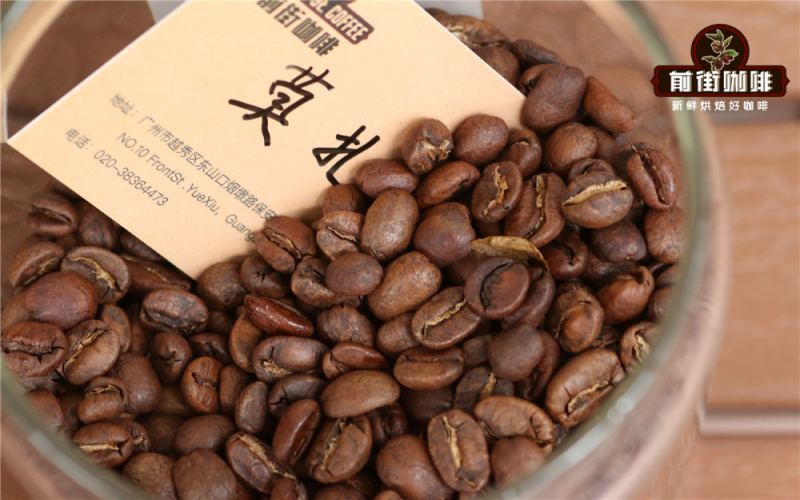
Costa Rica Mozart Coffee: Raisin Honey Process, Naming Origins & Pour Over Guide
An in-depth exploration of Mozart coffee beans from Costa Rica’s high-altitude Tarrazú region, covering the backstory behind its musician-inspired name, the origins of the Canet Estate, the fermentation technique of the raisin honey process, and how to extract its captivating berry sweetness and rich wine-like notes through pour over brewing. This article provides comprehensive regional information, processing method insights, and practical three-stage pour over parameters to help you master this uniquely flavored specialty coffee. [more…]
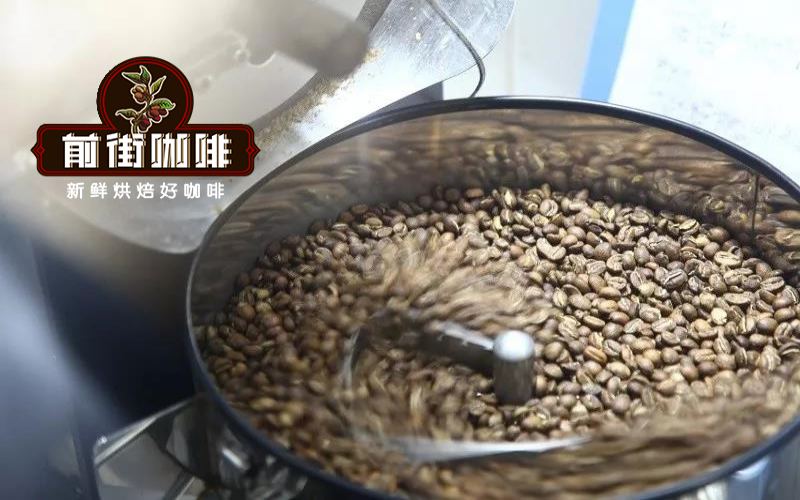
How to Choose Medium-Dark Roast Coffee? A Guide to Balanced Flavors Ideal for Pour Over & Siphon Brewing
Medium roast and medium-dark roast coffee beans, known for their rich and well-balanced flavor profiles, are popular choices for daily drinking and brewing experiments. This article delves into the flavor differences among medium roast (medium), medium-dark roast (city roast), and dark roast, and explains how to select suitable bean varieties based on different brewing methods. It also includes practical flavor descriptions and extraction tips to help you better appreciate the charm of these classic roast levels. [more…]
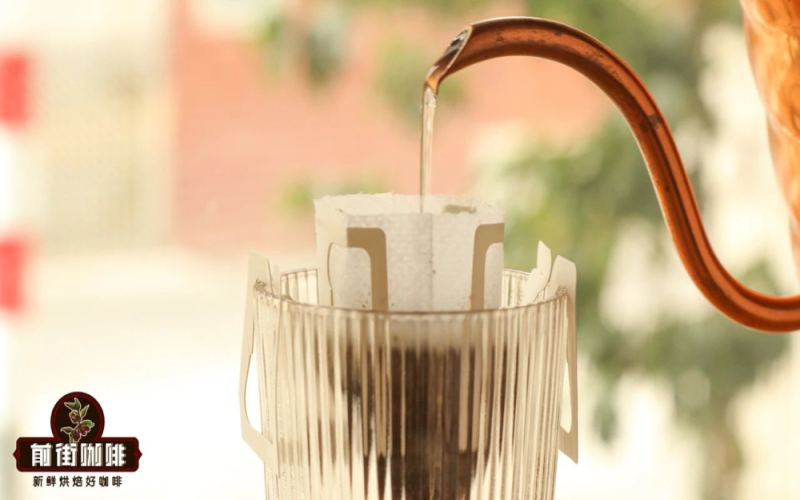
A Beginner's Guide to Filter Coffee: From Bean Selection to Optimal Brewing Techniques to Unlock Coffee Flavor
Filter coffee combines the refinement of pour over with the convenience of instant, making it an ideal choice for many busy individuals or travelers. This article delves into the principles behind filter coffee, the correct brewing methods, and offers practical selection advice based on two key factors: flavor characteristics and storage conditions. Whether you’re a beginner or an experienced coffee drinker, you’ll learn little tips to make your coffee taste even better. [more…]
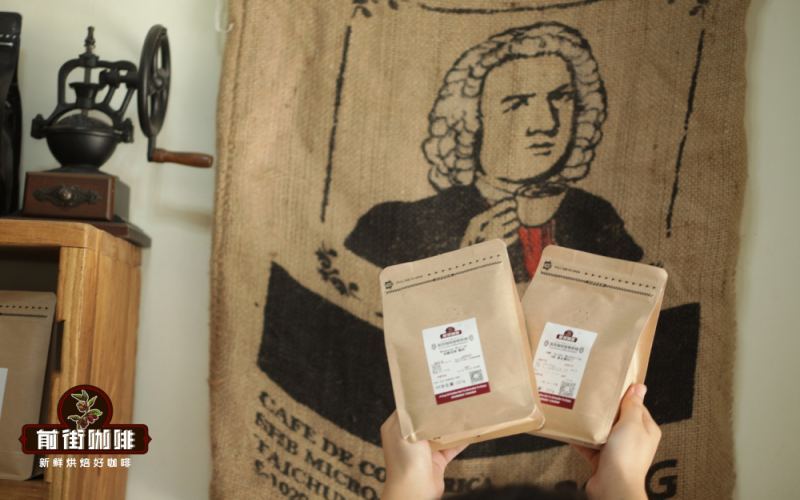
Costa Rica Canet Mozart Coffee Beans Pour Over Tutorial: Raisin Honey Process Flavor Analysis
The Canet Estate Mozart coffee from Costa Rica’s Tarrazú region, processed with the raisin honey method, delivers intense sweetness and floral-fruit aromas, making it one of the sought-after specialty beans among coffee enthusiasts. This article delves into its regional background, processing technique, and the unique origin of its name, while also providing practical V60 pour over parameters and steps to help you precisely extract its layers of white floral, berry, and honey sweetness. [more…]

Complete Guide to Making Japanese Iced Coffee: Two Practical Pour Over Techniques & Flavor Analysis
As temperatures rise, refreshing iced coffee becomes the top choice for many coffee enthusiasts. This article delves into two classic methods of making Japanese iced coffee — the stirring method by Kyoto’s KURASU and the ice shake method by Taiwan’s Amis. From equipment selection, coffee bean characteristics, pouring techniques to the actual brewing process, it provides a detailed breakdown of each step and key parameters. Using Ethiopia Yirgacheffe Alo Hattesa as an example, it teaches you how to brew coffee that boasts both intense aroma and [more…]
Analysis of Costa Rica Mozart Coffee Beans: The Key to Outstanding Flavors from Raisin Honey Processing and Pour Over Brewing
The Mozart coffee beans, produced in Costa Rica's Tarrazú region and named after the musician, combine the raisin honey processing method to create a rich profile of berries, honey, and white floral notes. This article delves into the coffee’s regional background, its unique processing technique, as well as the optimal home pour over parameters and three-stage pouring technique to help you fully master brewing a coffee that is rich, sweet, and full of flavor depth. [more…]

In-Depth Analysis of Kenya Kiambu AA Coffee: Grading System, Varietal Characteristics, and Iced Pour Over Practice
Kenyan coffee is renowned for its high acidity and vibrant fruitiness, but do you know the grading logic behind ‘AA’ and ‘AB’? This article takes you through Kenya’s official eight-tier grading system, analyzes the unique flavor profile of K72 washed beans from the Kiambu region, and provides expert-level iced pour over parameters and a three-stage brewing method — mastering this popular specialty bean from theory to practice. [more…]

What’s the difference between drip bags and pour-over black coffee? A complete look at the principles, flavors, and correct brewing methods
Drip bag coffee has become increasingly popular in recent years, allowing busy modern individuals to easily enjoy the flavor of single-origin coffee similar to traditional pour-over. So what is the essential difference between drip bags and classic black coffee? From their origins and evolution, to extraction principles, why they shouldn’t be steeped for too long, and even how to control water temperature and pouring techniques, this article explains the key differences in an easy-to-understand way and provides practical brewing steps to help you find the coffee experience that suits you best. [more…]