








Introduction:Cold brew coffee is a top choice for many at-home iced coffee enthusiasts due to its simple process and low cost. However, during the brewing process, some may notice an oily layer floating on the surface of the finished cold brew, raising concerns about spoilage or unclean equipment. In reality, this phenomenon is quite different from the crema found on espresso. This article delves into the low-temperature extraction mechanism of cold brew, explores the reasons behind the oil layer, and offers practical tips such as filter selection and secondary filtration to help improve the clarity and flavor of your cold brew.
Cold brew coffee is the go-to choice for beginners looking to make iced coffee at home. All it takes is a sealed container and a cool environment—just steep the coffee grounds for several hours, and you can enjoy a richly flavored iced coffee. The entire process requires no complex skills and is low in cost, making it easy even for newcomers. That’s why cold brew is not only a convenient option for busy lives but also a refreshing treat during hot summer days.
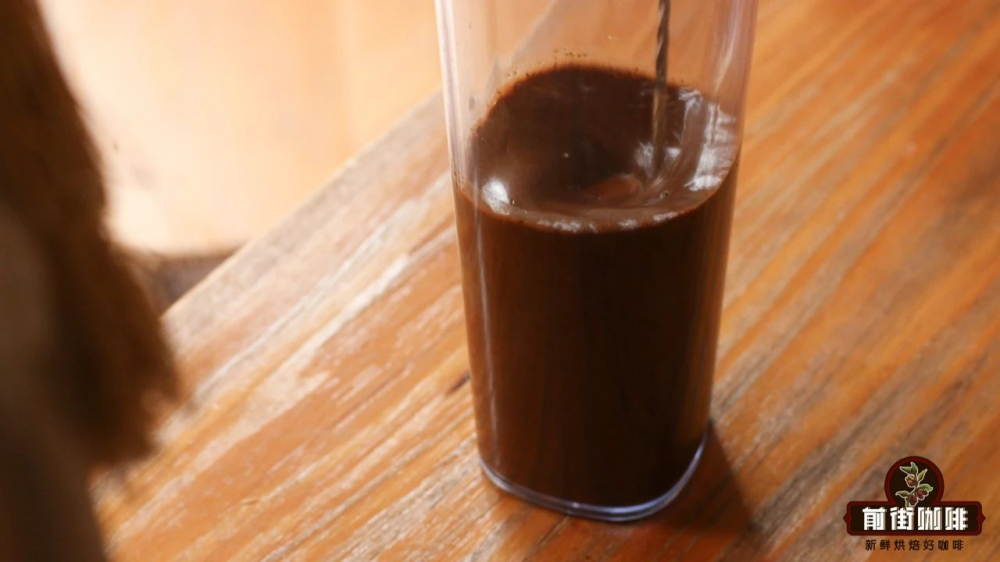
However, many people notice that after cold brewing, there’s often an oily film on the surface of the coffee. They might wonder: Is this a sign of spoilage? Or is the equipment not clean enough? In fact, this oily layer is not a flaw but rather a natural occurrence during the low-temperature extraction process. Its cause is very different from the crema on espresso, which results from the mixture of oils and carbon dioxide under high temperature and pressure. The oily layer in cold brew, on the other hand, is the result of coffee oils condensing in a low-temperature environment.

Cold brew is extremely flexible when it comes to container choices. Whether you use a specialized cold brew maker, a plastic bottle, a lidded teacup, or even a French press, as long as the container is sealable, clean, and can withstand steeping, it can be used for cold brewing. This makes the barrier to entry very low, not only suitable for everyday enjoyment but also a great way to beat the summer heat.
As for removing coffee grounds, common tools include the built-in filter of a cold brew maker, metal filters, filter paper, and flannel filter cloths. These filtering materials come with varying pore sizes and can trap coffee particles of different fineness, affecting the final clarity and taste of the coffee. For example, a common commercial cold brew maker may have a filter with around 245 mesh density, which provides a certain level of filtration but still cannot fully trap very fine coffee particles. Without further treatment, the coffee surface may easily develop a flocculent oily sheen, and the taste could feel slightly rough, with visible coffee grounds possibly settling at the bottom.
To achieve a smoother and clearer drinking experience, it is recommended to use higher-density filter paper for a second filtration. High-quality filter paper can effectively trap fine particles and block most of the coffee oils, allowing only minimal oil to pass through, forming an almost invisible thin oil film. Cold brew processed in this way not only has a purer flavor but also a smoother mouthfeel. The acidity becomes more pronounced, and the overall taste is more balanced.
Additionally, to allow the flavors to mature further, it is suggested to let the filtered cold brew sit sealed in the refrigerator for 3 to 4 hours. This step helps the flavor compounds to further settle and integrate, enriching the coffee's layers and delivering a more robust flavor upon drinking, ultimately elevating the overall drinking experience.

Of course, the flavor profile of cold brew is also closely related to the choice of coffee beans. If you prefer a refreshing taste, opt for washed-processed beans, which usually offer delicate floral notes and berry tones. If you enjoy rich fruitiness, choose beans with a fruity profile—cold brew made from these beans often presents a rounded, sweet character reminiscent of fruit wine, with complex flavor layers.
Finally, cleaning should not be overlooked. Many users, after finishing their cold brew, tend to rinse the equipment with water only, neglecting the condensed oils that may remain on the filter. If left to accumulate over time, these oils can produce off-flavors and affect the purity of subsequent brews. Therefore, it is recommended to thoroughly clean your cold brew equipment regularly, especially if you use it frequently, to ensure that every cup of cold brew delivers its best possible flavor.
The above content is compiled by CoffeeHunters, a coffee news website.


