







Introduction:Kenyan coffee is renowned for its bright acidity and layered flavors, and the key behind these characteristics lies in the unique K72 double-washed processing method. This article delves into the 72-hour, three-stage fermentation process, details the characteristics of the SL28 and SL34 varieties, and analyzes Kenya’s rigorous coffee bean grading system. It also provides practical roasting profiles and pour over parameters to help you fully grasp the essence of Kenyan beans—from origin craftsmanship to cup flavor.
In the specialty coffee scene, Kenyan coffee has always held a prominent position thanks to its distinctive bright acidity and rich flavor complexity. One of the key processes that contribute to these traits is the widely acclaimed K72 double-washed processing method. This refined system, evolved from traditional Kenyan washed coffee techniques, employs three precise fermentation cycles totaling 72 hours, endowing the beans with highly recognizable clean and vibrant flavors.
The term K72 refers to the coffee cherries undergoing three separate 24-hour fermentation and washing cycles after harvest. Each cycle effectively removes the mucilage while preserving and enhancing the coffee’s intrinsic flavor compounds. This technique originated from innovative attempts by Kenyan coffee farmers to improve the quality of washed coffee. Its core principle lies in leveraging extended fermentation time to allow the natural sugars and enzymes in the mucilage to interact more thoroughly with the green beans, thereby producing a more three-dimensional balance of acidity and sweetness, along with pronounced fruity notes.
[Detailed Process of the K72 Fermented Washed Method]
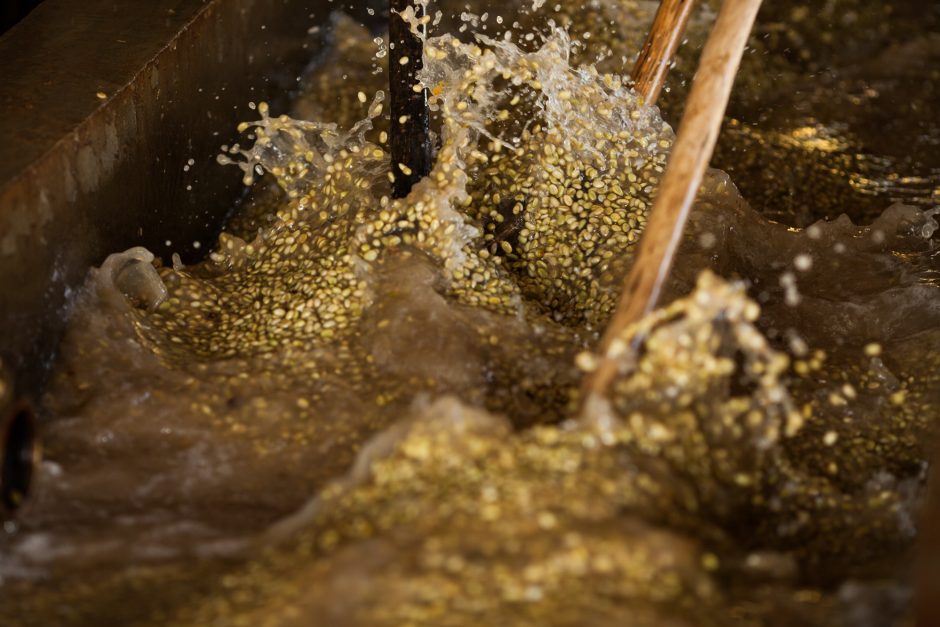
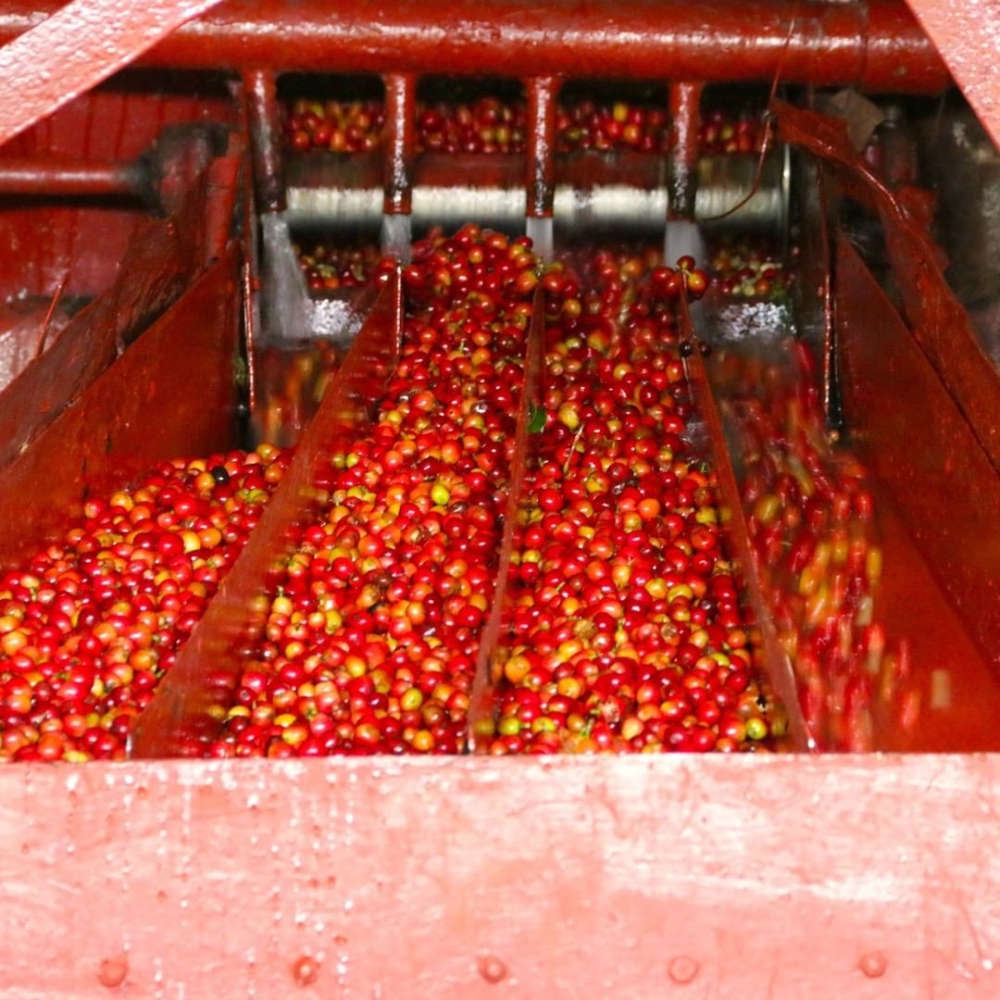
The entire K72 process can be divided into three main stages. First, on the day of harvest, farmers use water density sorting to initially screen the cherries—denser, riper fruits sink to the bottom, while unripe or overripe ones float, ensuring only the highest-quality cherries proceed to the next steps. Next, the depulped beans undergo their first 24-hour washed fermentation. During this phase, natural sugars in the mucilage begin to break down, releasing key compounds that influence acidity and sweetness, removing approximately 80% to 90% of the mucilage.
This is followed by a second fermentation round, again soaked in clean water, with fermentation time maintained between 24 to 48 hours. This longer fermentation helps increase protein and amino acid content, further enriching the coffee’s acidity profile and flavor complexity. After fermentation, any remaining mucilage is thoroughly washed off, and the beans are moved to raised drying beds for sun drying. The total drying duration depends on weather conditions, typically taking 5 to 10 days.
The final fermentation also follows the 24-hour rule. After three cycles, the cumulative fermentation time reaches 72 hours, which gives the K72 method its name. A key feature of this technique is the low-temperature, long-duration fermentation environment, which effectively prevents off-flavors from over-fermentation while allowing the beans to retain brighter, cleaner, yet still full-bodied flavor characteristics during drying.
[Growing Conditions and Geographic Advantages of Kenyan Coffee]
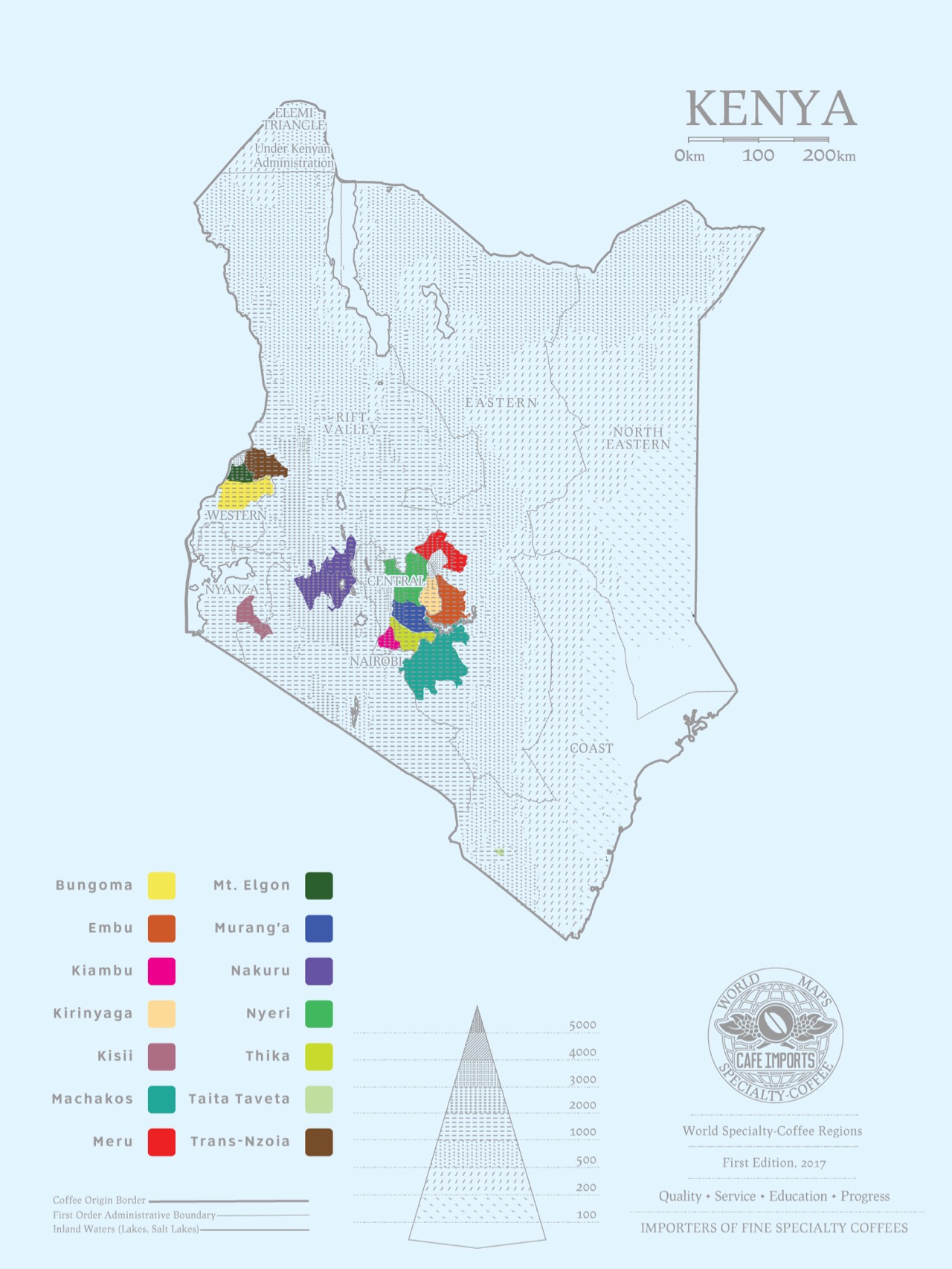
Located in East Africa, Kenya is crossed by the equator in its central region and features predominantly highland terrain, with an average altitude of 1,500 meters. Its central Mount Kenya (Mount Kirinyaga) stands at 5,199 meters, making it the second-highest peak in Africa. This high-altitude environment offers ideal conditions for coffee cultivation—low temperatures slow the growth rate of coffee cherries, aiding in the full accumulation of flavor compounds. Especially in volcanic soil regions at elevations of 1,600 to 2,100 meters, where the soil is fertile and well-drained, many renowned coffee-growing areas thrive.
Kenya has a tropical climate with two main rainy seasons each year: one from June to August (accounting for about 40% of total production) and another from October to December (about 60%). This dual harvest season characteristic enables Kenya to stably supply high-quality coffee beans. Volcanic soil is rich in minerals, and the moderate diurnal temperature variation further promotes the development of coffee bean flavors, particularly pronounced fruit acidity and clear aroma expression.
[Main Varieties and Characteristics of Kenyan Coffee]
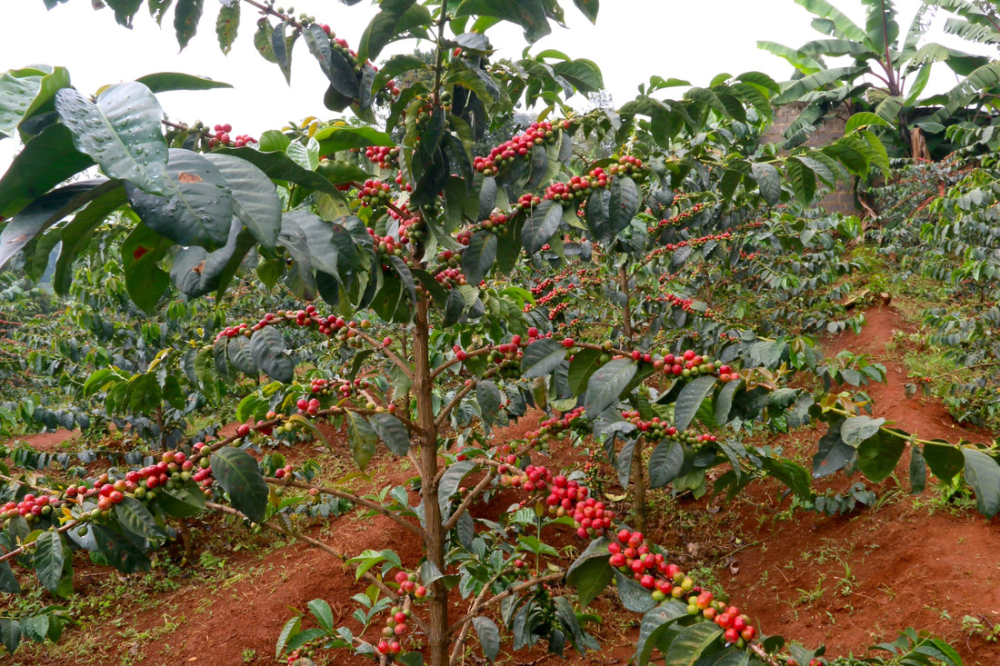
The diversity of Kenyan coffee varieties is also a cornerstone of its flavor profile. The main planted varieties include SL-28, SL-34, Ruiru11, and Batian, all cultivated by the Kenya Coffee Research Institute (CRI). Among them, SL-28 and SL-34 are the most representative, both originating from the breeding program at Scott Laboratories in the 1930s, aiming to develop varieties that could adapt to Kenya’s high altitudes, combining disease resistance with superior flavor.
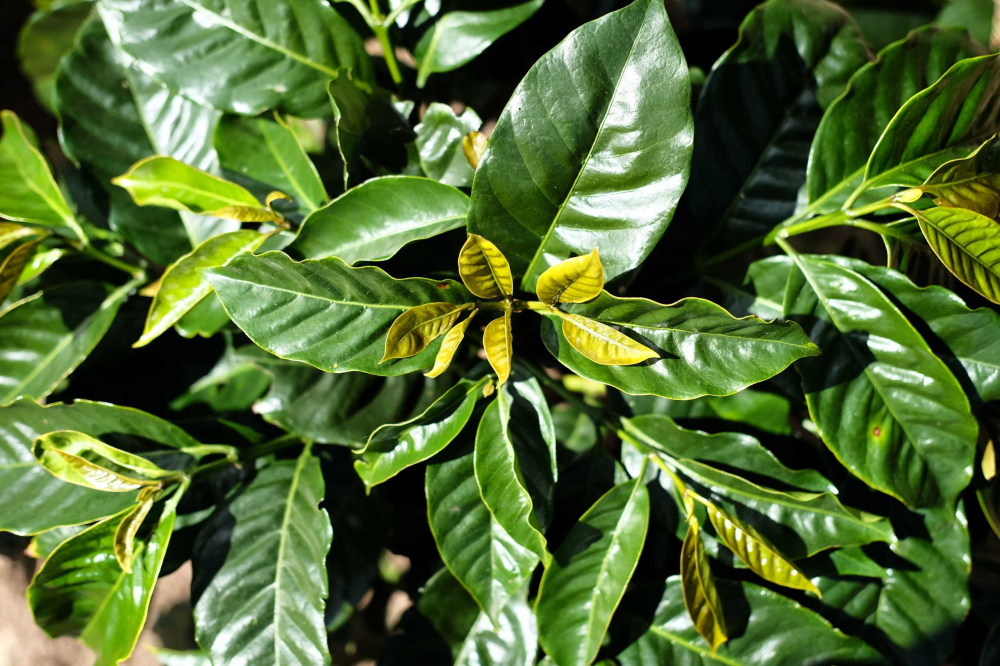
SL-28 is known for its copper-colored leaves and pea-shaped beans. In terms of flavor, it is celebrated for its bright citrus notes, black plum acidity, and rich sweetness, often described as having the vivid acidity of cherry tomatoes. SL-34 shares similar flavors but has a richer and fuller body, along with stronger adaptability to sudden weather changes. Ruiru11, introduced in the 1980s, is a disease-resistant variety combining CBD resistance genes with high-yield traits. Batian, released in 2010, is the latest variety, genetically closer to SL28, with excellent cup quality and high stability.
[Kenya’s Coffee Grading System]
Kenya employs a strict coffee bean grading standard, primarily classifying beans based on size, shape, hardness, and cupping results. From highest to lowest, the grades are AA (or AA+), AB, PB, C, E, TT, and T. Among them, AA grade (bean size 17–18 mesh) and AB grade (15–16 mesh) are the main export grades, with AA+ representing top-tier batches with exceptionally outstanding cup quality. PB (peaberry), due to its unique shape (containing only a single seed), though not directly related to flavor, is often regarded as a symbol of high quality.
In addition to the official grading, some exporters further subdivide into unofficial tiers such as TOP, PLUS (+), and FAQ based on cupping results, offering consumers a more refined quality reference. This rigorous grading system, combined with the K72 process and premium varieties, contributes to Kenyan coffee’s unique and distinguished status in the specialty market.
[Practical Reference: Roasting and Pour Over Suggestions for Kenyan Beans]
Taking the Kenyan Asali Coffee Bean as an example, it is produced at the Asali Processing Factory at an altitude of 1,550–1,750 meters, using the SL28 and SL34 varieties and processed via the K72 washed method, showcasing flavors such as Sydney pear, black plum, brown sugar, and cherry tomato. It is recommended to use a light roast to highlight its bright acidity. For roasting, a Yangjia 800N semi-direct-fire machine is used, with a bean charge of 480g, an entry temperature of 160°C, and precise temperature and air damper adjustments, finally dropping at 193.8°C to ensure a balanced sweet and sour profile and complete aroma retention.
For pour over, it is recommended to use a Hario V60 filter, with a water temperature of 90°C and a powder-to-water ratio of 1:15. The grind size is roughly equivalent to fine sugar fineness, with about 80% of a Chinese No. 20 sieve mesh passing through. For extraction, start with 30g of water for a 30-second bloom, then pour in a small circular motion up to 125g for the first pour, wait for the water level to drop, then pour up to 225g. Total extraction time is controlled within 2 minutes, which can fully showcase its juicy mouthfeel and berry-like aroma in the aftertaste.
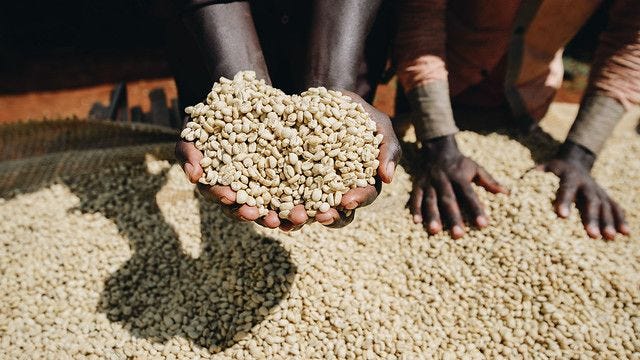
Another Kenyan coffee bean, the Sachini Estate PB, is grown at an altitude of 1,680 meters, with varieties including SL28, SL24, and Ruiru, also processed using the K72 method. Its flavor profile is dominated by cherry tomato, almond, black plum, and honey. Roasting should take into account its relatively harder bean texture due to the higher altitude, so it is advised to extend the Maillard reaction time and control the first crack development stage. Roasted using a Yangjia 800N machine, it is dropped at 193.3°C, resulting in a rich flavor layer and lively acidity.
For pour over, you can choose either a V60 or a cake dripper. The water temperature is 90–91°C, and the powder-to-water ratio is 1:15, with a grind size similar to that of the Asali. The segmented extraction method is similar, but you can slightly adjust the pouring speed according to the dripper characteristics. Using the V60 can highlight floral and citrus notes, while the cake dripper enhances juiciness and tea-like qualities, showcasing the diverse flavor possibilities of Kenyan coffee.
The above content is compiled by CoffeeHunters, a coffee news website.


