







Introduction:Want to explore the allure of top-tier Geisha coffee? This article delves into the Artisan (Geisha) coffee from Panama’s La Esmeralda estate, covering its origin story, growing conditions, and the differences among the Red Label auction lots, Green Label private reserves, and Blue Label flavor profiles — along with practical pour over recommendations and flavor descriptions to help you find your ideal Geisha experience.
Geisha coffee is hailed as the pinnacle variety in the coffee world, and the Artisan Geisha produced by Panama’s La Esmeralda estate stands out as the crème de la crème of this variety. But do you know the origin of the name "Geisha"? What do the commonly seen Red Label, Green Label, and Blue Label actually represent in terms of grade and flavor? This article will guide you from the regional background and growing environment to the specifics of each label, helping you fully grasp the charm of this legendary coffee.
When it comes to Geisha, most people immediately think of Panama’s La Esmeralda estate. Even though other regions such as Geisha Village also grow the Geisha variety, La Esmeralda’s version is widely regarded as superior in flavor expression. What exactly makes La Esmeralda’s Geisha the industry benchmark? We’ll take you on an in-depth journey from terroir, history, to detailed breakdowns of its various grades.
Geisha, also known as Artisan coffee, derives its name from the English “Gesha” or “Geisha,” which sounds similar to the Japanese word for “geisha,” hence it is often translated as Artisan coffee in Taiwan. “Geisha,” however, is the more commonly used term in the Chinese market, coined by Mr. Yuan of Kalumon Coffee and widely adopted. Regardless of the name, this coffee’s unique flavor profile and demanding cultivation requirements have made it a dream bean for coffee enthusiasts.
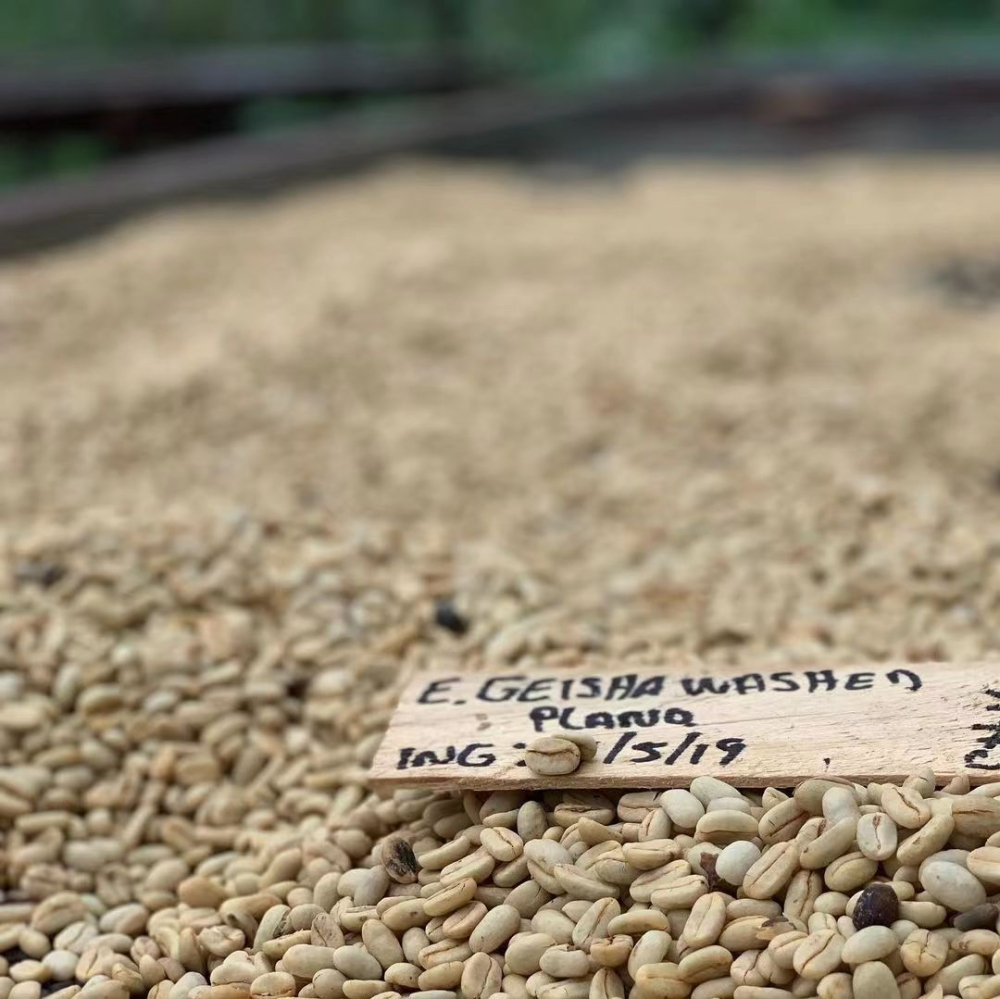
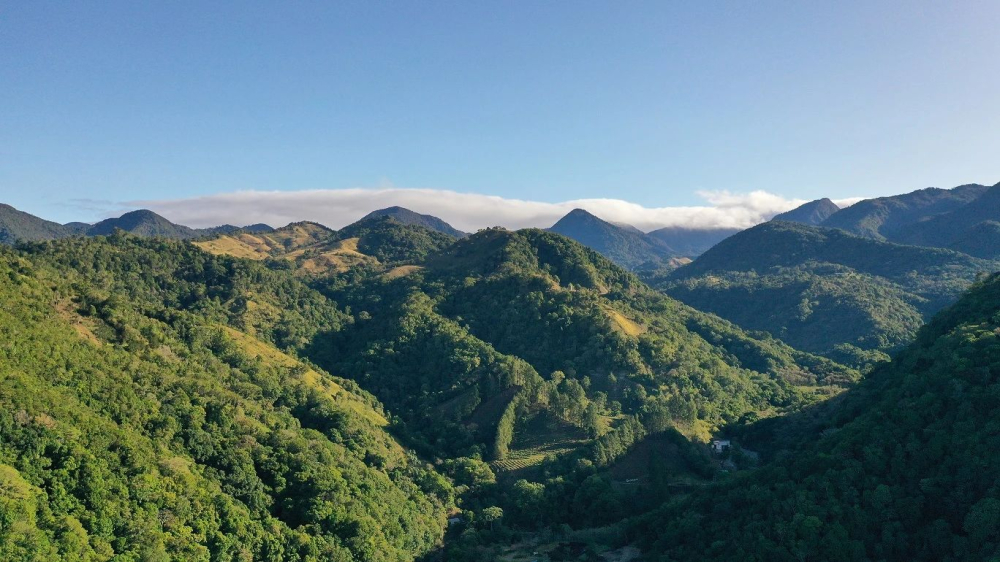
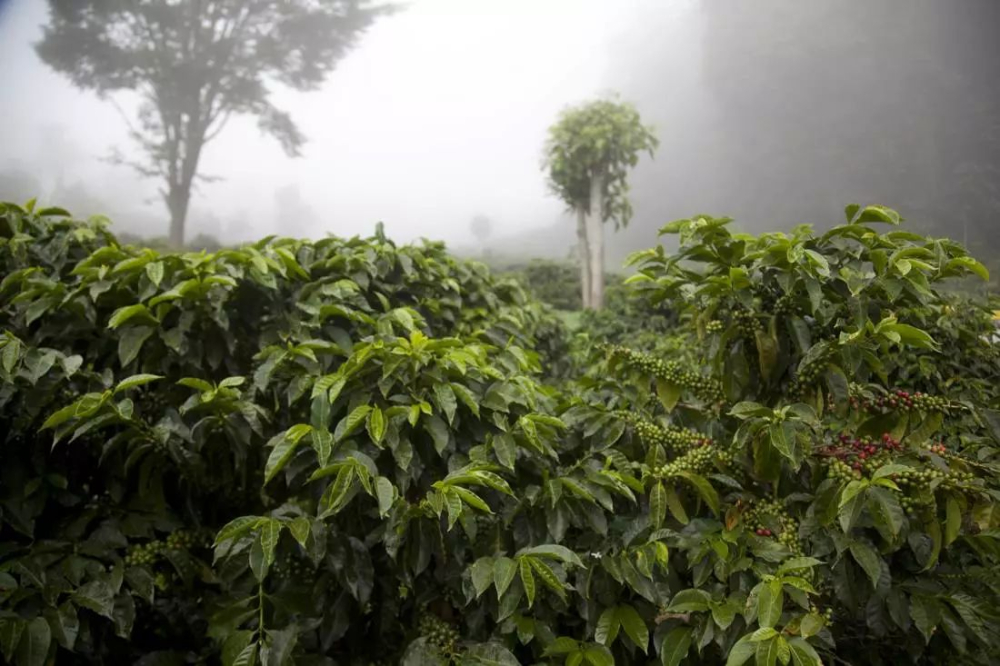
Geisha is extremely particular about its growing environment, thriving best at high altitudes, typically above 1,500 meters, with conditions such as cloud cover, shade trees, and fertile soil that together nurture its optimal flavor potential. Take Boquete in Panama’s Chiriquí Province, where La Esmeralda is located, as an example: the region has an average elevation of around 1,625 meters, with annual temperatures ranging between 16°C and 25°C, and annual rainfall reaching up to 3,500 millimeters. Coupled with semi-shaded cultivation and the presence of tall shade trees such as Hass avocados, these factors collectively contribute to Geisha’s exceptional flavor potential.
The global fame of La Esmeralda’s Geisha stems from a serendipitous turn of events. In 1964, American banker Rudolph A. Peterson purchased the estate, then primarily a dairy farm, as his retirement residence. It wasn’t until 1987 that his son, Price Peterson, abandoned his medical career to take over the farm, establishing a wet processing facility in 1994 and gradually building a comprehensive coffee production chain. In 1996, the Peterson family acquired the neighboring high-altitude Jaramillo estate, where neglected old Geisha trees were rediscovered. These trees went on to win the Best of Panama (BOP) competition in 2004, thereby establishing the estate’s world-class status.
Currently, La Esmeralda’s Geisha is mainly divided into three grades: Red Label (auction lots), Green Label (private collection), and the former Blue Label (now renamed to “Volcanic Soil” or other designations). Among them, the Red Label represents the highest grade, sourced exclusively from specific high-altitude micro-lots and only available through auctions, making it the focal point of the market’s pursuit.
The Red Label Geisha is selected from the Jaramillo and Cañas Verdes districts at elevations between 1,600 and 1,800 meters, often scoring over 90 points in cupping tests, and must go through the estate’s exclusive auction process. It’s worth noting that there are also non-auction Red Labels available on the market — these come from the same auction lots but did not participate in the actual bidding process, making them generally more affordable while still offering excellent flavor. One well-known coffee shop offers a sun-dried Red Label Geisha from the Mario plot, featuring aromas of citrus, complex fruits, rose tea, and honey, with a juicy mouthfeel and rich layers of flavor.
The Green Label Geisha belongs to the private collection series. Though not part of the auction lots, it also comes from high-altitude micro-lots with similar altitude ranges to the Red Label. This coffee showcases the classic floral and fruity notes of Geisha, with flavors including jasmine, citrus, berries, melon, and green tea. It has a full body and a long-lasting aftertaste, and is considered an excellent value-for-money option — perfect for coffee lovers who want to experience the charm of Geisha without breaking the bank.
As for the Blue Label Geisha, formerly known as Geisha 1500, it was sourced from beans grown at elevations between 1,400 and 1,500 meters, from three plots: Jaramillo, Canas Verdes, and El Velo. This lot had a lighter flavor profile, with subtle floral and fruity acidity and notable sweetness. However, in 2021, La Esmeralda discontinued the Blue Label due to pricing strategy adjustments. The “Volcanic Soil” Geisha that emerged later is said to have a flavor profile similar to the old Blue Label. Cupping tests from one renowned coffee shop showed that the washed Blue Label had a refreshing profile of lemon, oolong tea, and cane sugar, while the sun-dried Blue Label exhibited distinct berry notes and fermentation aromas, with high sweetness and a vibrant mouthfeel.
For brewing recommendations, it’s advised to use freshly roasted coffee beans (preferably within 5 days of roasting) to fully showcase Geisha’s delicate flavors. The Hario V60 dripper is recommended, with water temperature controlled at 90°C, a coffee dosage of 15 grams, a brew ratio of 1:15, and a medium-fine grind (approximately 80% passing through a No. 20 sieve according to the Chinese standard). Use a pulsed pouring method: start with a 30-second bloom using 30 grams of water, then pour in small streams until reaching 125 grams for the first pour, wait for the water level to drop, then continue pouring to 225 grams. The total brew time is about 2 minutes, effectively highlighting Geisha’s layered aromas and flavors.
In summary, La Esmeralda’s Red Label Geisha is celebrated for its vibrant floral-fruity notes and honeyed sweetness, the Green Label shines with its high value and refined citrus tones, while the Blue Label (or Volcanic Soil) offers a lighter, more refreshing choice. If you’re planning to try Geisha, consider starting with the Green Label, then gradually exploring the Red Label and other variations to fully appreciate the boundless charm of this top-tier coffee bean.
The above content is compiled by CoffeeHunters, a coffee news website.


