







Category: Coffee Knowledge
Analysis of the World’s Top Five Champion Coffee Beans | Essential Pour Over Guide for Beginners
Want to dive deeper into the unique flavors and origin characteristics of the world’s top single-origin coffee beans? This article provides a comprehensive breakdown of five renowned beans, including Geisha, Blue Mountain, Colombian, Brazilian, and Yirgacheffe — exploring everything from their growing environments and processing methods to the aroma and taste profiles after brewing. Whether you're a beginner just starting with pour over or an advanced enthusiast who pays attention to every detail, you’ll gain insight into the personality of each bean and develop your own coffee flavor preferences. [more…]
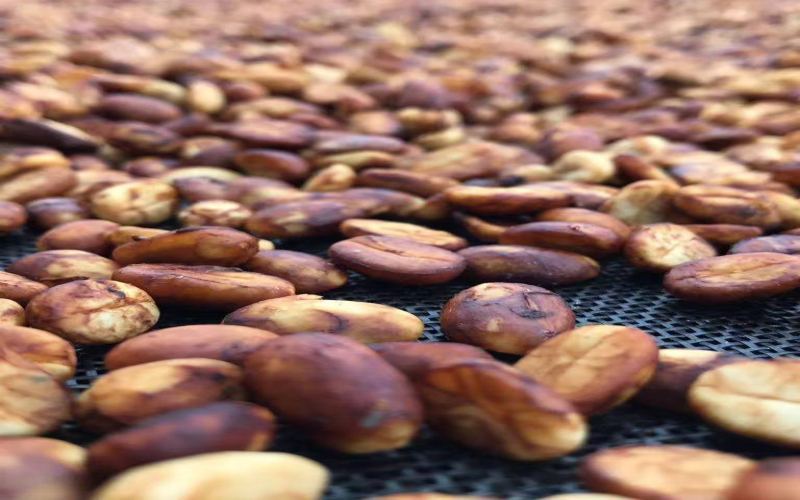
A Complete Guide to Honey Process Coffee: From Yellow Honey to Black Honey, Exploring Flavors and Techniques
Honey processing is a coffee bean processing method that combines characteristics of both washed and natural (sun-dried) processes. By adjusting the amount of mucilage retained, it can be categorized into various grades such as white honey, yellow honey, red honey, and black honey. Each technique influences drying time, fermentation levels, and ultimately the flavor profile. This article delves into the origins of honey processing, the technical differences among each honey color grade, and their impact on cup flavors, helping you better understand how to choose honey processed coffee that suits your taste. [more…]
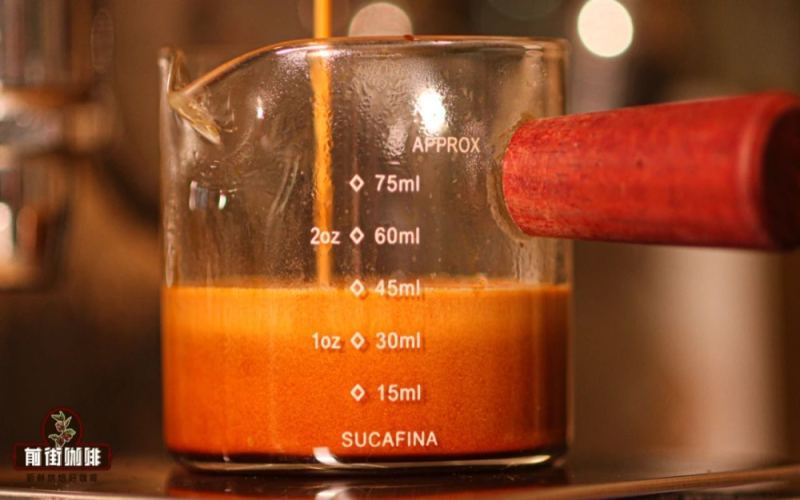
Complete Guide to Using a Home Drip Coffee Maker: From Coffee-to-Water Ratio to Iced Americano Brewing and Coffee Bean Selection
Brewing a delicious cup of American coffee at home is not difficult, especially with a drip coffee maker—no professional skills are needed for consistent results. This article will detail the usage techniques of a drip coffee machine, including settings for coffee-to-water ratio, grind size selection, coffee bean recommendations, and how to adjust for a refreshing iced Americano. Whether you're a beginner or looking to enhance your daily coffee experience, you'll find practical guidance here. [more…]
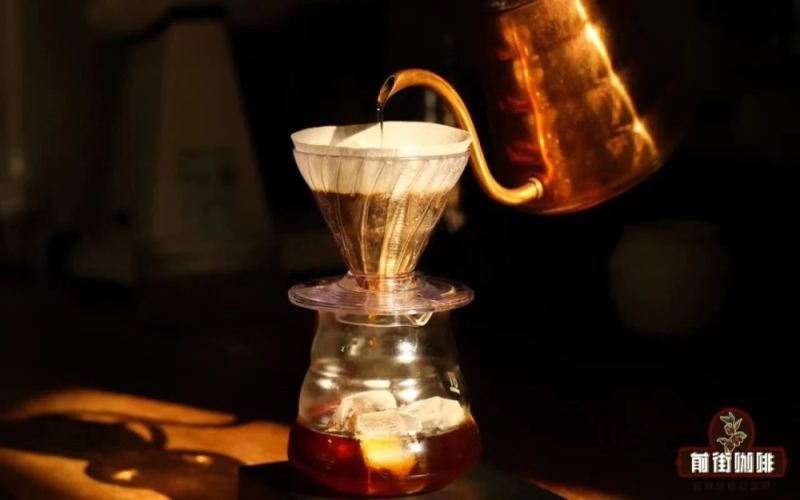
Complete Guide to Pour Over Coffee Grind Size: From Sieve Pass Rate to Flavor Adjustment Techniques
The flavor performance of pour over coffee largely depends on the grind size of the coffee grounds. From surface area contact, extraction time, to final mouthfeel, the impact of grind size is everywhere. This article will delve into how to judge grind status through sieve pass rate, compare the effects of different particle sizes on extraction efficiency and flavor expression, and also provide grind recommendations for light, medium, and dark roasted beans. Even without professional sieves, you can find a suitable grind setting based on the characteristics of the coffee bed. [more…]
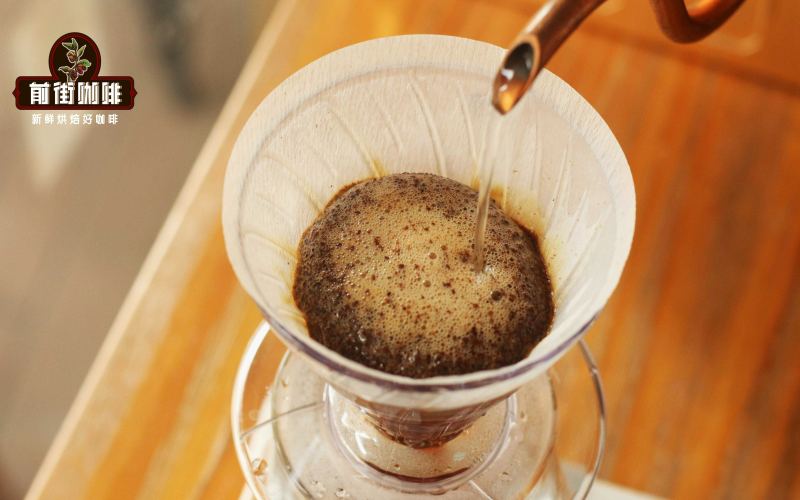
Pour Over Coffee for Beginners: A Complete Guide to Key Extraction Parameters and Three-Stage Pouring Techniques
Pour over coffee may seem complex, but by mastering six key elements, even beginners can consistently brew well-balanced, flavorful coffee. This article provides an in-depth analysis of how coffee bean freshness, grind size, coffee-to-water ratio, water temperature, pouring technique, and extraction time interact. It also offers a practical three-stage pouring procedure, grind selection advice for light, medium, and dark roasts, as well as a classic 1:15 coffee-to-water ratio reference — helping you brew high-quality pour over coffee with clear flavor and layered complexity at home. [more…]
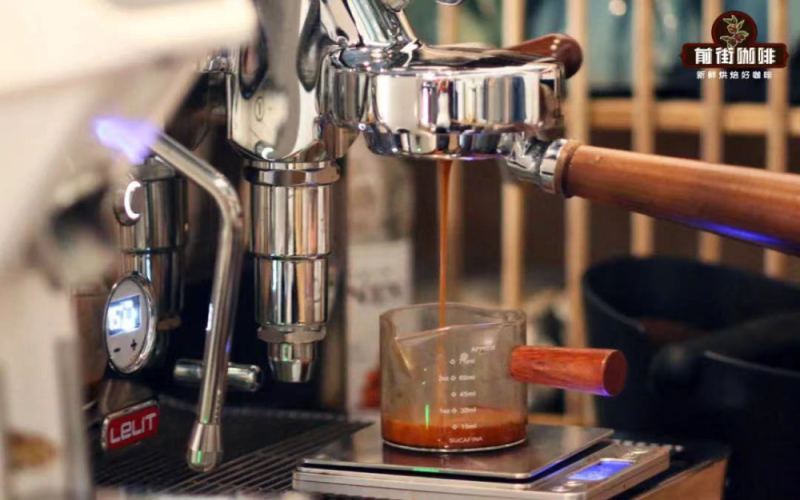
The Truth About Starbucks Flat White Milk Foam | Analyzing the Taste and Preparation Differences of the Flat White
Many coffee enthusiasts often wonder when ordering a Flat White whether it has milk foam, and how it differs from a latte. This article delves into the differences between the Flat White and latte in terms of espresso extraction, milk steaming, and ratio, analyzing their flavor characteristics and detailed distinctions to help you find the option that better suits your taste. [more…]
How to Drink Flat White? Professional Analysis of Milk Foam, Cup Size & Ristretto Flavor Tips
As an exquisite representative of milk-based coffee, Flat White carves out a distinctive style beyond lattes and cappuccinos with its uniquely thin milk foam, smaller serving size, and rich coffee base. This article delves into the standard thickness of milk foam for Flat White, the ideal cup size design, and the reason for using Ristretto as its base. It will guide you through the brewing techniques and correct way to enjoy this 'mini latte,' elevating your coffee experience every time. [more…]
What’s the difference between Starbucks Flat White and Au Lait? Exploring the Ristretto shot ratio and calorie content
Since its launch, Starbucks Flat White has been immensely popular, beloved by milk coffee enthusiasts for its rich coffee aroma and delicate microfoam. But is Flat White the same as the commonly seen Au Lait? How many shots of espresso does it use? What are the brewing characteristics of the Ristretto shots involved? This article delves into the origins of Flat White, the number of espresso shots, the extraction principles, and explores the similarities and differences between Flat White and Au Lait, while also providing calorie information to help you better understand this classic beverage. [more…]
Analysis of the Differences Between Starbucks Flat White and Flat White | A Complete Guide to Origins, Preparation, and Flavor
Both Flat White and Flat White are popular coffee beverages in recent years, but the differences between them often cause confusion. This article provides an in-depth analysis of their historical origins, brewing methods, milk foam thickness, and coffee flavor profiles, along with professional extraction parameters and blend recommendations to help readers better understand the unique charm of these two classic milk coffees. [more…]
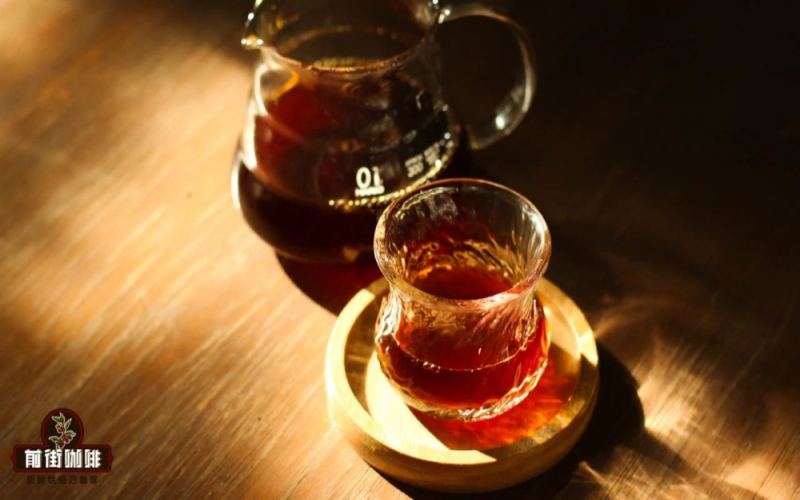
How long is the shelf life of drip bags? A complete guide to water temperature and brewing techniques, and can they be reused?
Drip bags combine the flavor of pour over coffee with convenience, making them a favorite among busy coffee enthusiasts. But did you know they also have a shelf life? Drip bags of different roast levels preserve their flavors for varying amounts of time. This article delves into the shelf life, optimal drinking window, suitable water temperature, and brewing parameters for drip bags, while debunking the myth of reusing them—teaching you how to enjoy a cup of drip black coffee at its best. [more…]
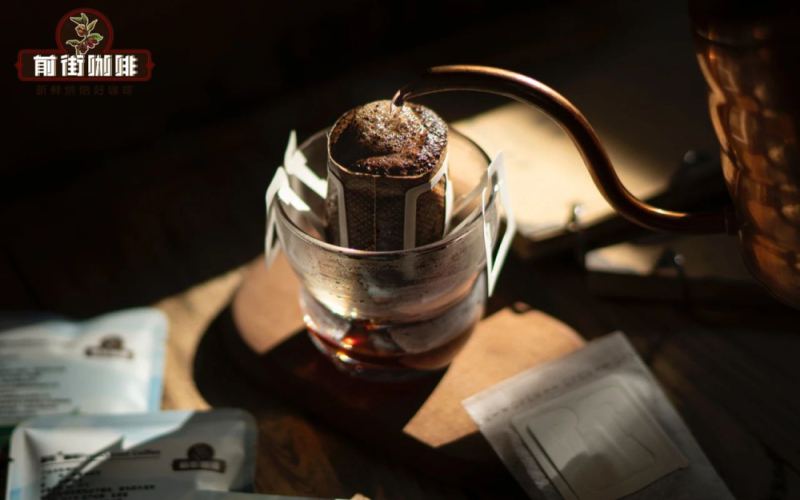
Complete Guide to Brewing Pour-Over Coffee with Filter Bags: Mastering Coffee-to-Water Ratio and Pouring Techniques to Enhance Extraction Flavor
Thanks to their convenience, filter bag coffee has become the go-to choice for many when it comes to daily black coffee consumption. But if you truly want to savor its full layers of flavor and aroma, mastering the correct brewing details is essential. This article starts with the design principles of filter bags, and delves into key parameters that influence flavor — including the coffee-to-water ratio, water temperature control, pouring rhythm, and total extraction volume. It also provides practical advice for coffee beans with different flavor profiles, helping beginners quickly level up and brew a more nuanced cup of filter bag coffee. [more…]

How to choose between washed, natural, and honey processes? A comprehensive guide to the flavors and techniques of the three major coffee processing methods
In the world of specialty coffee, washed, natural, and honey processes are the three most common green coffee processing methods, each imparting a distinctly different flavor profile to the coffee. This article delves into the step-by-step differences and key techniques of these three processing methods, and helps you understand how they influence the final extraction flavors and taste profiles. It also provides practical roasting parameters and bean variety characteristics to assist you in more accurately grasping the potential of each type of bean. [more…]
Colombian Paradise Estate Coffee: Exploring the High-Altitude Fermentation Techniques of the Cauca Region and COE Gold Medal Records
Leveraging the unique geographical conditions of the Cauca region and innovative double anaerobic fermentation technology, Colombian Paradise Estate achieved a historically high bidding price in the COE competition. This article delves into the terroir characteristics of the region, the development journey of Paradise Estate, and the key steps of its experimental processing methods, helping coffee enthusiasts gain an in-depth understanding of the craftsmanship and flavor potential behind this top-tier coffee bean. [more…]
What to Do with Expired Coffee Beans? 3 Eco-Friendly Reuse Tips + Brewing Adjustments for Stale Beans
Don’t throw away coffee beans just because they’ve been sitting around too long or have expired. This article will teach you how to improve the extraction of stale coffee beans by adjusting grind size and blooming techniques. We’ll also share three practical and eco-friendly ways to reuse them — for deodorizing, cleaning, and as plant fertilizer — so every coffee bean can serve its final purpose. From pour over parameters to household hacks, master the versatile uses of coffee grounds in one go. [more…]
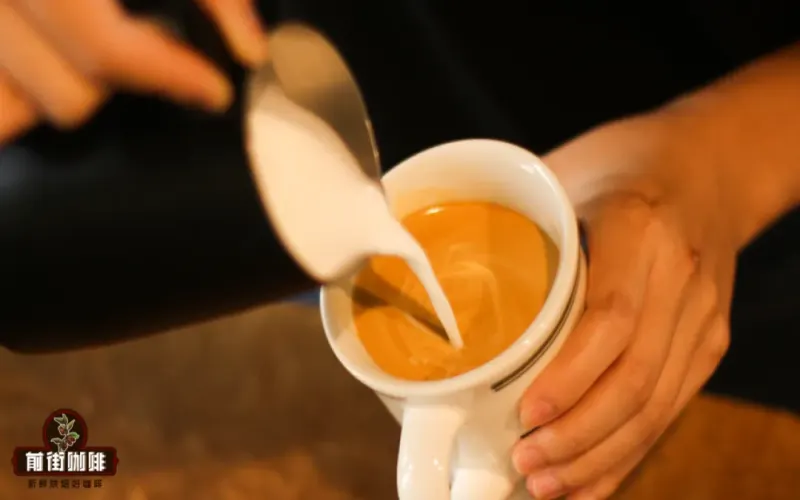
Latte Art Pouring & Blending Techniques: Solving Four Common Mistakes in Flow Distance, Flow Rate, and Milk Foam
During the latte art process, the blending stage is like the bloom step in pour over brewing—it’s a crucial preparatory step that sets the foundation for both the visual appeal of the design and smooth operation. However, many baristas often encounter issues such as too low a pouring distance, excessive flow rate, unstable flow, or poor milk foam quality, all of which can negatively affect the final result. This article takes an in-depth look at the causes and adjustment methods for these four common mistakes, helping you master the blending details and improve your latte art success rate. [more…]
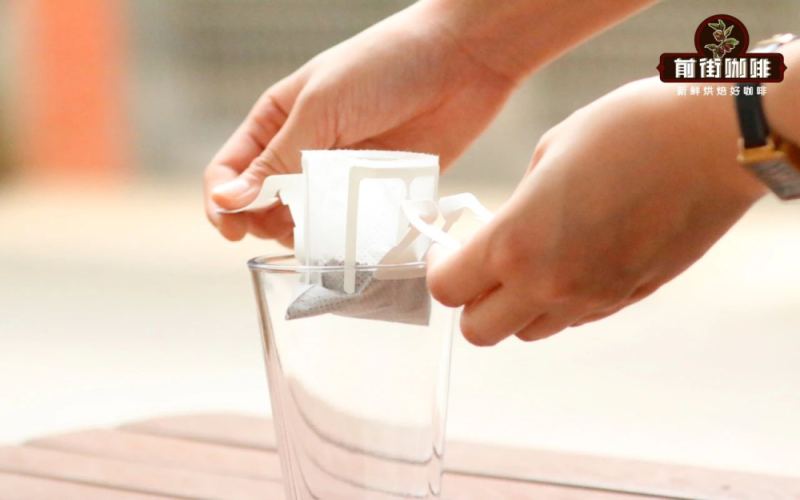
Real-World Freshness Test of Pour Over Coffee Bags: Analyzing 4 Months of Flavor Changes and Key Preservation Insights
Many coffee enthusiasts love the convenience of pour over coffee bags, but often overlook how quickly the flavor of ground coffee deteriorates after grinding. This article presents an experiment using pour over coffee bags made from a well-known brand’s Ethiopia Red Cherry medium-light roast beans. It meticulously documents the flavor changes over 1 to 4 months of storage, both with and without the addition of a freshness preservative. The experimental data reveals the true optimal drinking window for pour over coffee bags and offers practical storage recommendations to help readers avoid drinking [more…]
Complete Beginner’s Guide to Pour Over Coffee: Drip Filtration Principles, Bean Variety Selection, and Extraction Parameters Explained
Want to understand the difference between drip coffee and espresso? This article provides an easy-to-follow introduction to the origins and characteristics of drip coffee, and its key differences from espresso. It also explains in detail how to showcase the layers and flavors of coffee through water temperature, grind size, and brewing techniques. With tested parameters for the V60 and KONO drippers, it teaches you how to brew classic beans such as Yirgacheffe Huakui and Mandheling to achieve ideal flavor profiles—whether you’re a beginner or an advanced enthusiast, you’ll find a pour over approach that suits you. [more…]
The Core Differences Between Drip and Espresso: Extraction Keys of Water Temperature and Grind Size
Drip coffee was the mainstream brewing method before the popularity of espresso, with pour over being its most representative branch. This article delves into the fundamental differences between drip and espresso in terms of concentration, flavor longevity, and suitable bean types, while also exploring the impact of water temperature on extraction efficacy. Through two filter cones—V60 and KONO—it details segmented pouring techniques and practical brewing parameters for both light and medium-dark roasted beans, helping you accurately replicate professional-grade flavor profiles at home. [more…]
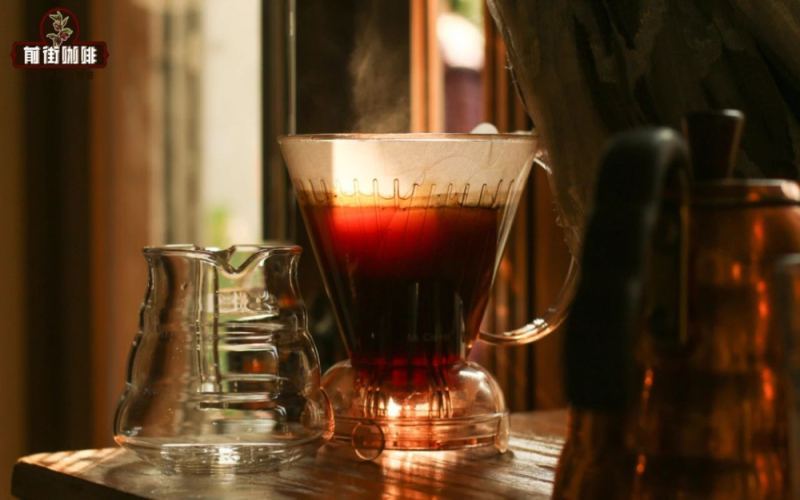
How to Use a Smart Dripper? A Complete Guide to Pour Over Coffee Basics and Brewing Techniques
The smart dripper combines the features of both pour over and French press brewing. It’s simple to operate, delivers stable results, and is an ideal choice for many coffee beginners. This article delves into the piston valve mechanism, filter paper pairing, and complete brewing steps, while also providing practical parameters such as coffee-to-water ratio, water temperature, and grind size to help you easily extract balanced flavors. Even if you’re new to brewing, you can quickly master the essentials. [more…]
Analysis and Brewing Recommendations for Costa Rica Honey-Processed Coffee Beans
The honey processing method combines the advantages of both natural and washed processes, creating the unique sweetness and caramel tonality characteristic of Costa Rican coffee. This article provides an in-depth analysis of the differences among the four processing levels—white honey, yellow honey, red honey, and black honey—from the formation principles of the sticky mucilage layer on the beans to how varying drying levels affect flavor, along with practical brewing parameter suggestions to help you choose the right honey-processed coffee beans based on your taste preferences. [more…]