








Introduction:When coffee meets different types of milk, the resulting flavor profiles can vary significantly. This article compares the actual performance of bottled fresh milk and water buffalo milk in three classic coffee drinks—hot latte, Dirty, and iced mocha—analyzing aspects such as milk foam texture, integration, layering effect, and overall flavor profile. It also explores how pasteurization and ultra-high temperature (UHT) sterilization affect taste, helping coffee enthusiasts and shop owners choose the most suitable milk pairing.
In recent years, water buffalo milk has gradually made a name for itself in the coffee world, especially after the introduction of the water buffalo milk Dirty, which sparked discussions among many industry professionals and consumers. For residents in Guangzhou, Foshan, and Guangxi, water buffalo milk may be part of their childhood memories, but how does it actually perform in coffee applications? Through practical testing, we used both bottled fresh milk and water buffalo milk to prepare hot lattes, Dirty, and iced mochas, analyzing their performance across multiple dimensions. We also supplemented the analysis with insights on how pasteurization and UHT technologies impact milk flavor, providing practical reference material.
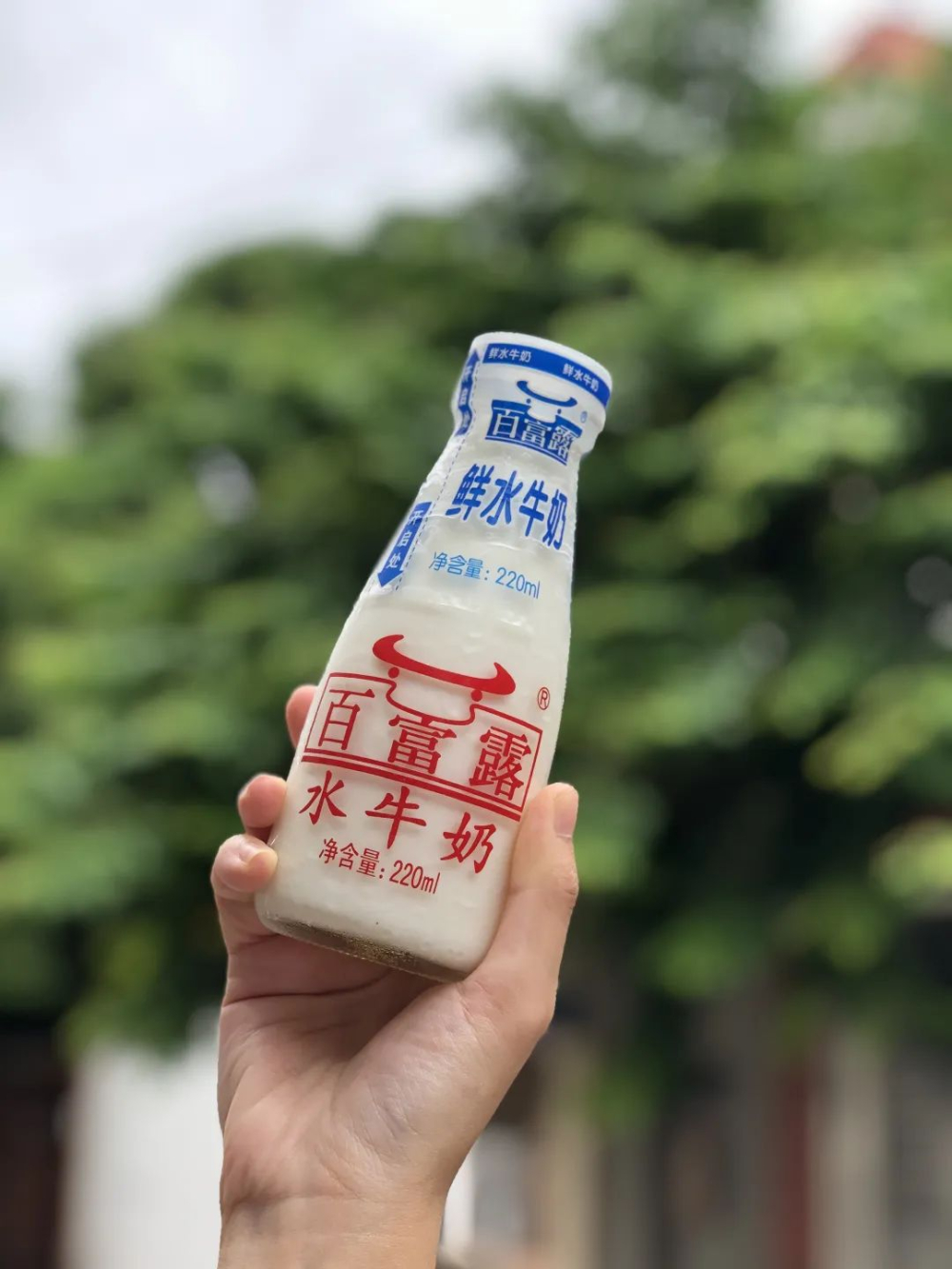
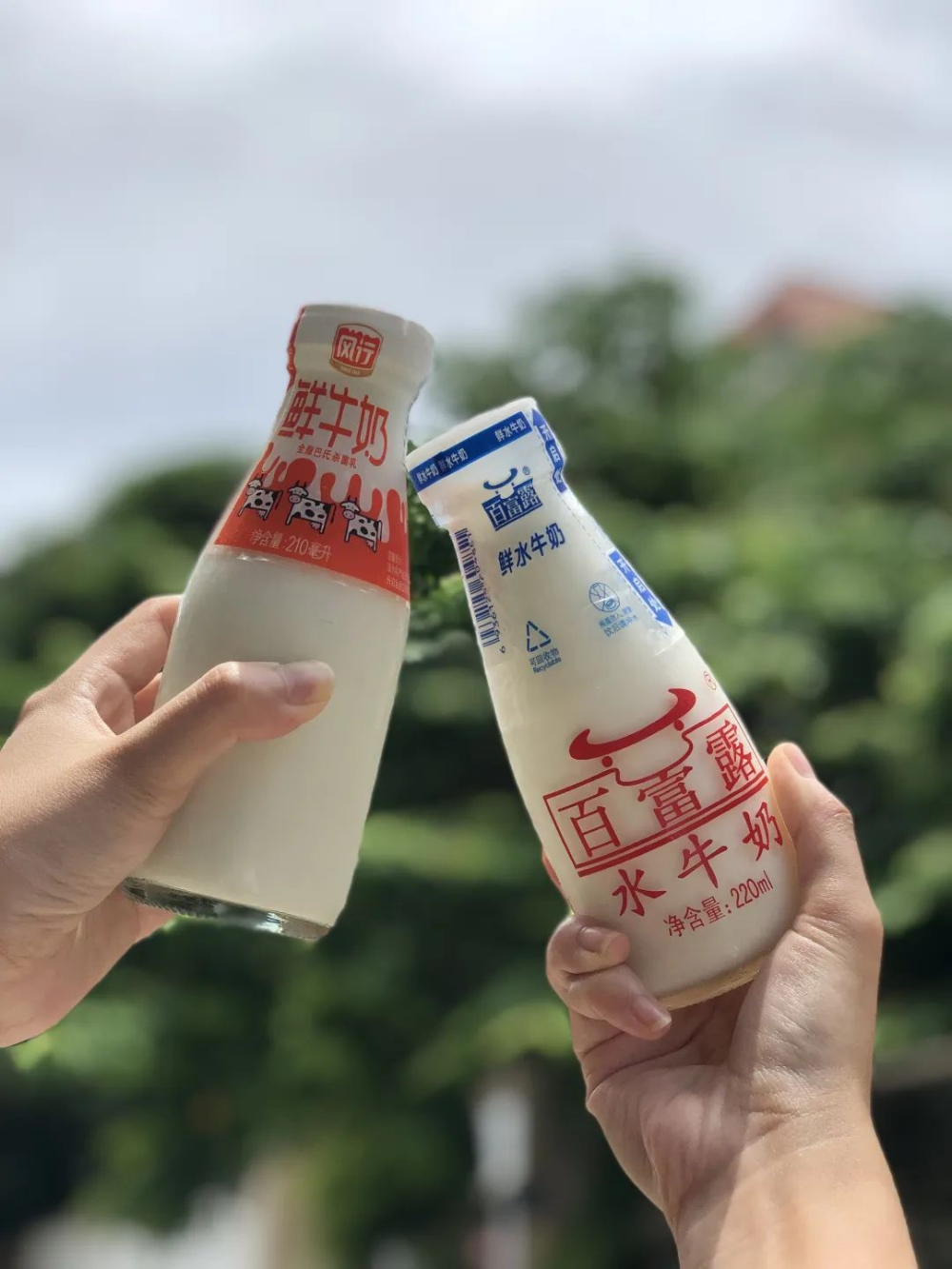
Not long ago, a water buffalo milk Dirty launched by a certain coffee shop instantly became a hot topic, drawing attention to this milk source that had previously seen limited use in coffee. Water buffalo milk might be relatively unfamiliar to people in some regions, but in the Guangdong-Guangxi area, it is a nostalgic flavor for many. Among the many water buffalo milk brands available, finding a fresh, ready-to-use version is not easy—most commercially available products are UHT milk stored at room temperature. Therefore, this test primarily focused on the readily available bottled fresh milk and water buffalo milk.
Packaging and Sterilization Methods: The Key Factors Affecting Taste
Bottled fresh milk usually employs pasteurization, with temperatures controlled between 60-82°C. This method retains the majority of nutrients and the original flavor. While there is a slight loss of vitamin C and B1, the overall taste is closest to freshly squeezed milk. The downside is that its shelf life is only about 5 days and it requires refrigeration. In contrast, the commonly seen gable-top paper carton milk often uses UHT processing, with temperatures reaching 120-137°C, which sterilizes more effectively and extends the shelf life to up to 15 days. However, the high-temperature treatment also leads to a loss of flavor and some nutrients, especially noticeable after extended storage.
Due to its lower sterilization temperature, pasteurized fresh milk tends to form a delicate milk skin when heated, resulting in a richer mouthfeel—this is one of the reasons many people prefer bottled fresh milk. Although paper carton milk is convenient for storage and transport, if you’re aiming for a more nuanced performance in coffee pairings, pasteurized fresh milk still holds certain advantages, particularly for shops and consumers who prioritize flavor complexity.

The Nutritional Advantages and Practical Performance of Water Buffalo Milk
Compared to common Holstein cow’s milk, water buffalo milk generally has higher nutritional content. For example, in terms of protein, the national standard for raw cow’s milk requires a minimum of 2.8%, with high-quality commercial fresh milk around 3.2%-3.6%. Meanwhile, various types of water buffalo milk can easily exceed 3.6% protein content. Additionally, they typically contain higher levels of calcium, vitamin A, and fat. However, higher nutritional content doesn’t necessarily mean it suits everyone—digestibility varies from person to person, so individual constitution should also be considered when choosing.
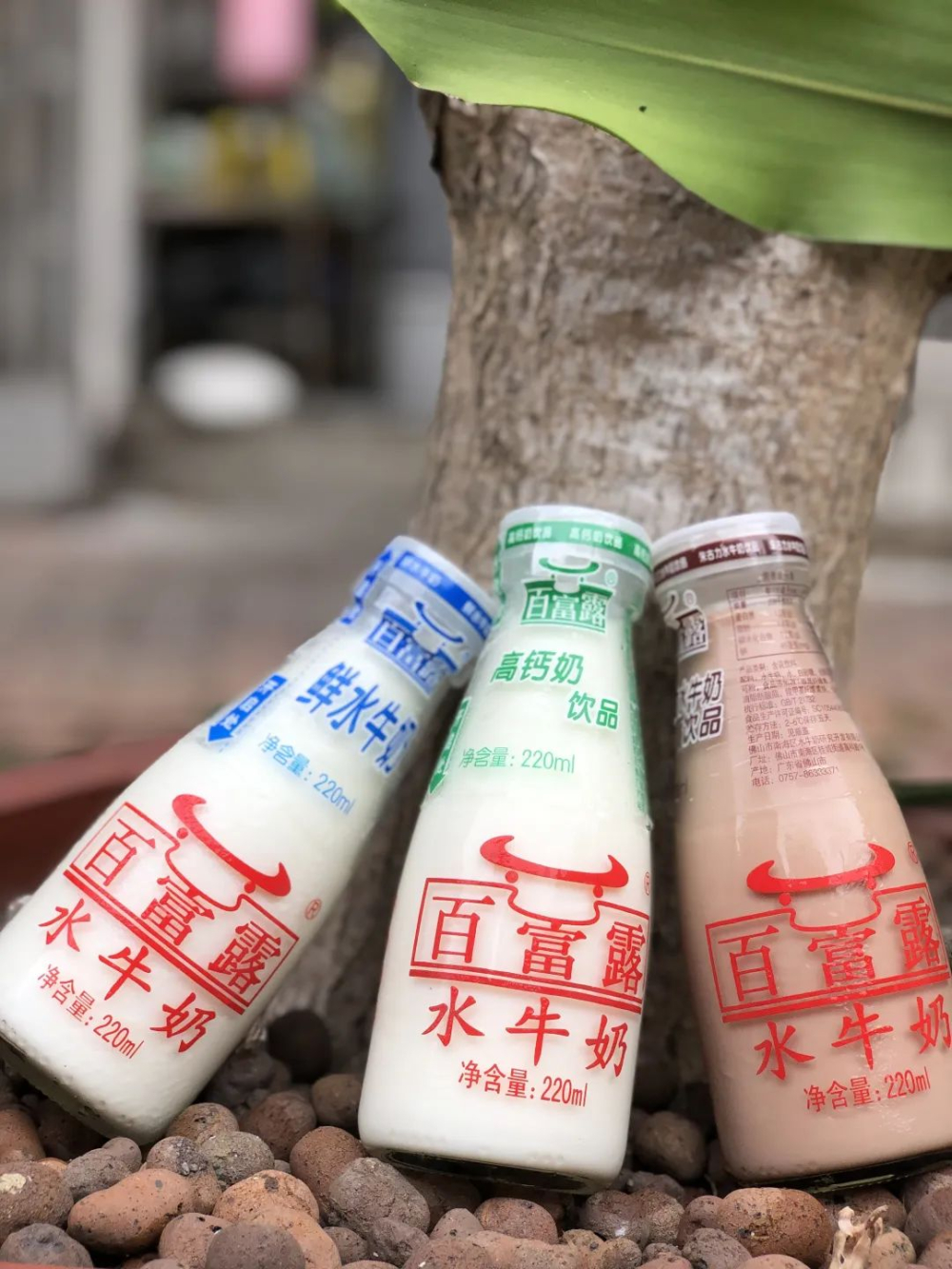
In this practical test, we used the same type of bottled regular fresh milk and water buffalo milk, paired with a blend bean that features notes of wine, berries, and nuts, to prepare hot lattes, Dirty, and iced mochas. We also conducted comparisons using sweet-flavored water buffalo milk and chocolate-flavored water buffalo milk to observe their actual performance in coffee.
Practical Flavor Test Records: From Hot Latte to Iced Mocha
In terms of hot latte performance, bottled water buffalo milk tends to produce a noticeable milk skin aroma when heated, but its milk foam fineness is slightly inferior, feeling a bit coarser to the touch. When integrated with coffee, it presents a natural sweetness and a minty cream-like flavor, with a relatively short aftertaste. On the other hand, bottled fresh milk produces finer milk foam, and when integrated, it brings out berry and vanilla cream notes, with a hazelnut finish in the aftertaste, offering a more balanced overall profile.
For Dirty performance, water buffalo milk, due to its rich mouthfeel and good supporting ability, forms clear layering. The initial sip reveals the coffee’s wine-like aroma and berry acidity, transitioning mid-palate to roasted nut and milk flavors, with a milky sweetness lingering in the aftertaste. By comparison, the fresh milk Dirty also has attractive layering, but the milk aroma is more pronounced, with a distinct vanilla cream note in the middle and an overall sweeter richness.
In the iced mocha test, the version made with sweet water buffalo milk, though no additional chocolate was added, complemented the coffee with a balanced sweetness and chocolate flavor—it didn’t overpower the main notes but instead enhanced the overall complexity. Meanwhile, the iced latte made with high-calcium water buffalo milk showcased a rich and smooth character. When combined with coffee, its slight sweetness helped moderate the bitterness and brought out a composite flavor of strawberry, vanilla, and nuts, delivering a standout performance.
Summary Recommendations: Choosing the Right Milk Source Based on Coffee Type
Based on the comprehensive tests, water buffalo milk demonstrates rich layering and a full-bodied mouthfeel in Dirty-style coffees, making it suitable for consumers seeking flavor variety. Fresh milk, on the other hand, performs steadily in hot lattes and iced coffees, with better milk foam fineness and integration. Pasteurized fresh milk, due to its retention of more original flavors and milk skin characteristics, remains an option not to be overlooked for shops focused on flavor detail.
Regardless of the milk source chosen, understanding its sterilization method, nutritional composition, and actual performance can help baristas and consumers make more suitable pairing decisions, thereby further enhancing the overall drinking experience. If you want to explore different styles, you can also choose sweet, high-calcium, or chocolate-flavored water buffalo milk based on the unique traits of the coffee specialty drink, opening up even more possibilities.
The above content is compiled by CoffeeHunters, a coffee news website.


