







Introduction:An in-depth analysis of Kenya’s world-renowned K72 double-washed processing method—from the 72-hour fermentation process, the characteristics of native varieties such as SL28/SL34, to the grading system and the reasons behind its berry-like acidity. This article fully breaks down the processing science behind Kenyan coffee flavors and provides practical pour over parameters and roast curve references to help coffee enthusiasts master the brewing essence of high-altitude African beans.
Kenyan coffee is known for its bright, vibrant acidity and deep berry notes, and this unique flavor profile largely stems from the widely used K72 double-washed processing method in the region. This technique, involving three cycles of 24-hour fermentation, allows the coffee beans to develop a more layered fruit aroma, especially appealing to drinkers who enjoy bright acidity and complex aftertastes.
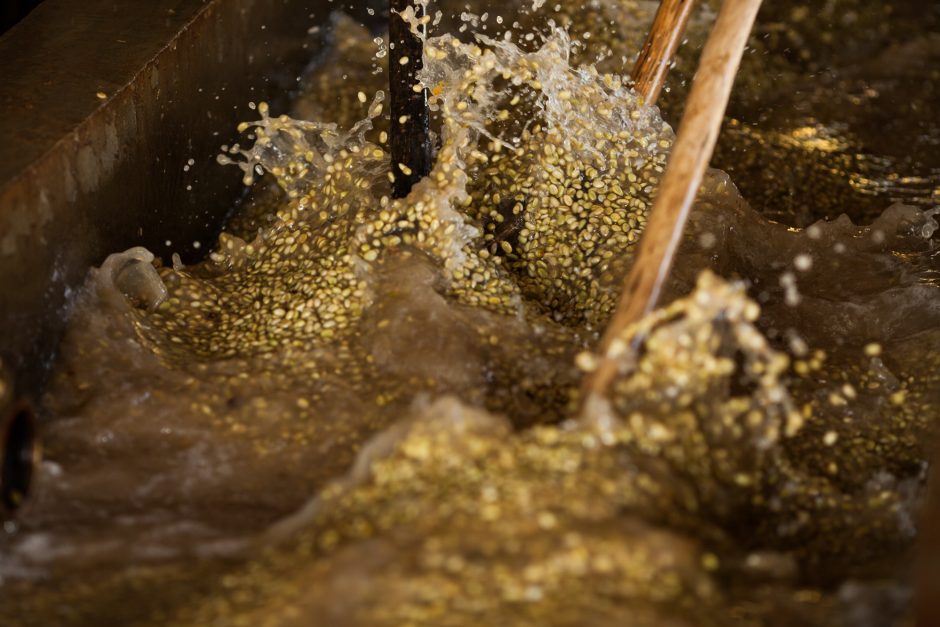
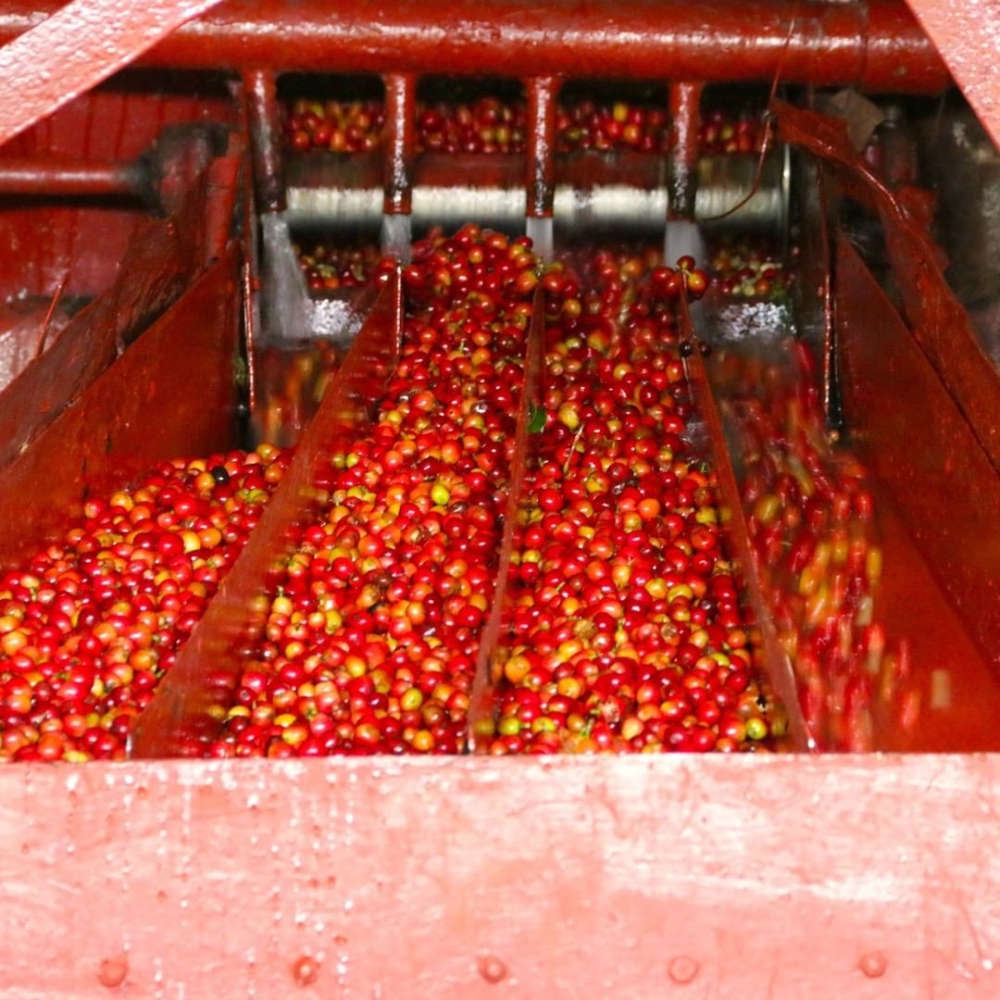
The key to the K72 process lies in extending fermentation time and strict temperature control. After harvesting, the coffee cherries are first sorted by water density, keeping only the mature, dense ones that sink to the bottom. The depulped beans then undergo the first 24-hour water fermentation, during which the natural sugars in the mucilage begin to convert, laying the foundation for sweetness. After rinsing, the beans go through a second 24-hour fermentation cycle, which further breaks down residual mucilage and develops a more refined acidity structure.
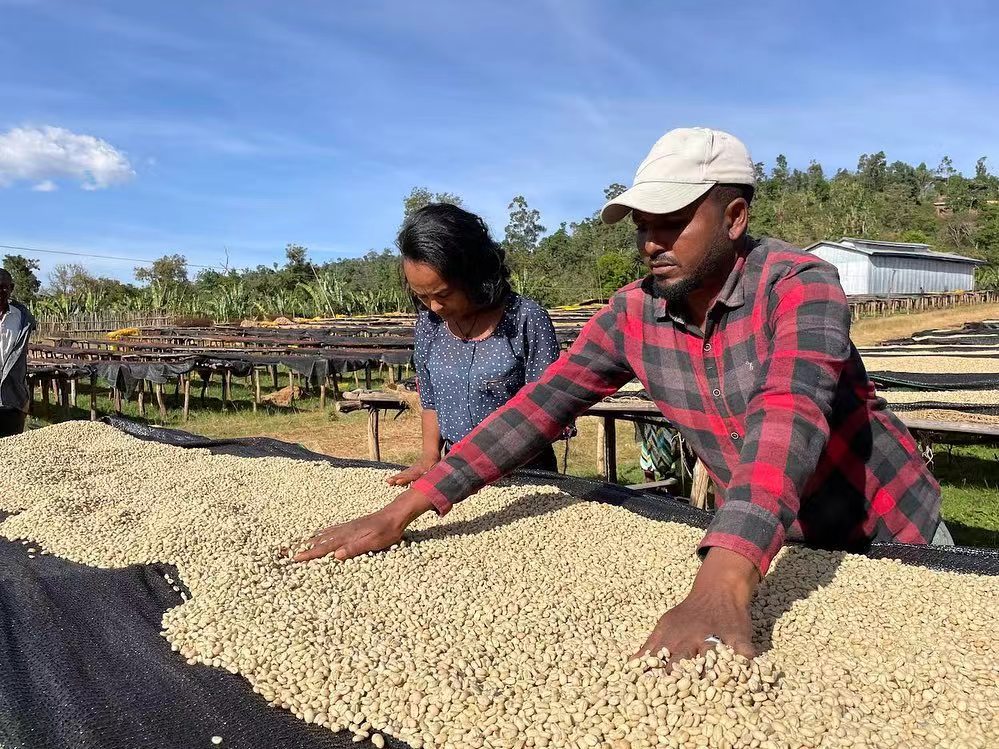
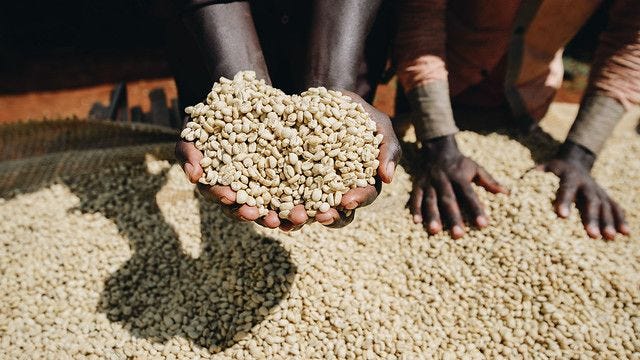
The complete three-stage fermentation (totaling 72 hours) must be carried out in a constant temperature environment, typically maintained at 20–22°C to avoid over-fermentation. The rinsing step after each fermentation is crucial—clean mountain spring water must be used to thoroughly remove mucilage residues, otherwise off-flavors may develop. Finally, the beans are placed on raised drying beds for sun drying, which takes about 5–10 days depending on climatic conditions, with regular turning to ensure even dehydration.
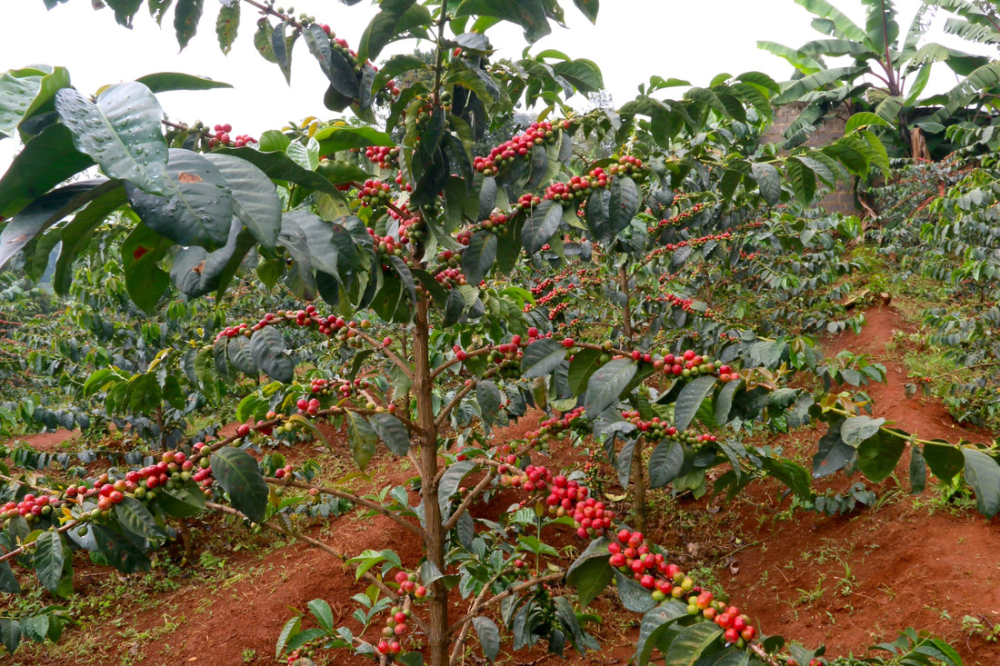
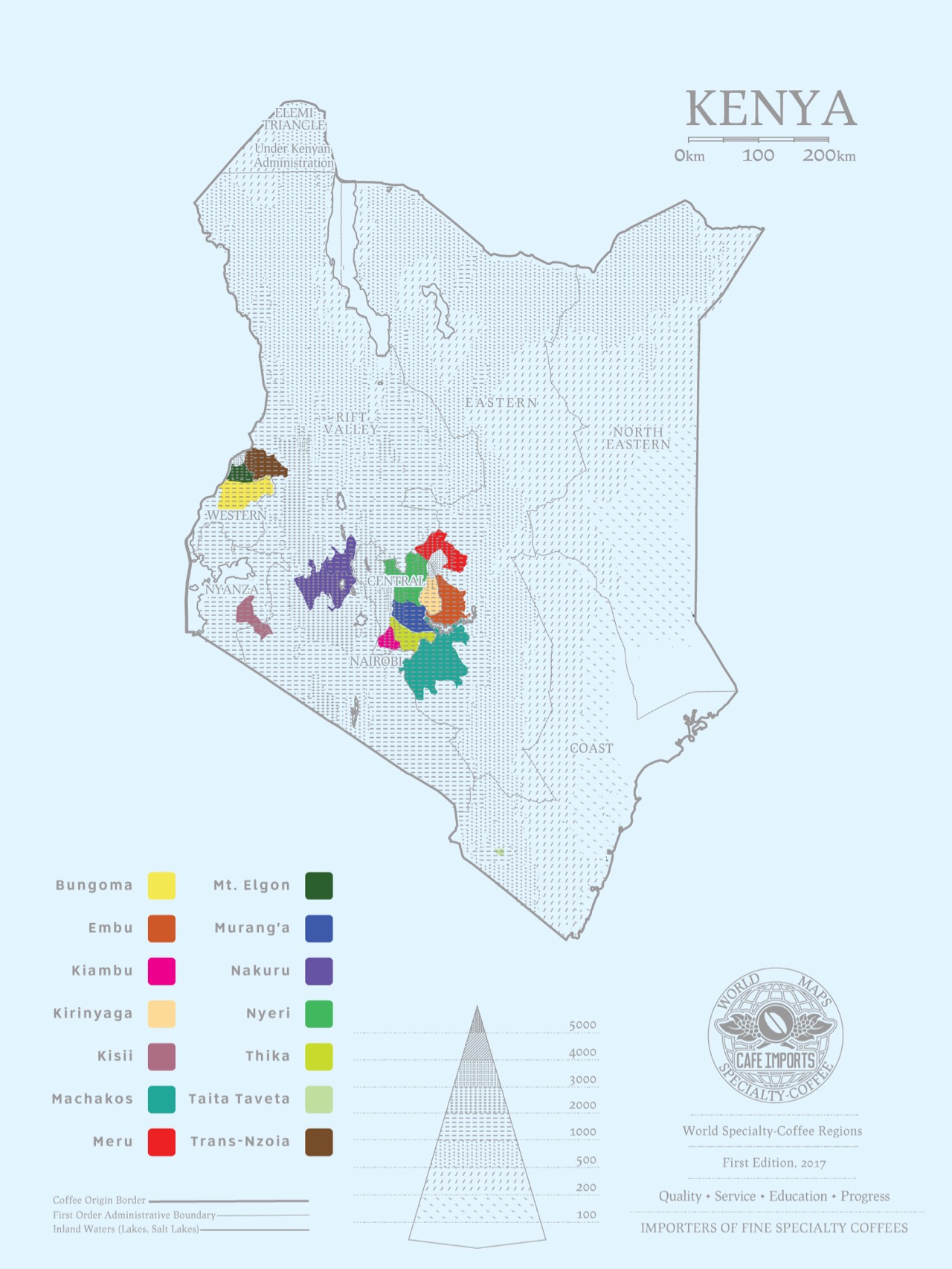
The exceptional quality of Kenyan coffee is built upon its uniquely favorable growing environment. The country is located on the East African Plateau, with an average altitude exceeding 1,500 meters. Its prime producing areas are found in the volcanic soil regions around the capital, Nairobi, at elevations between 1,600 and 2,100 meters. The high altitude slows the ripening of coffee cherries, allowing for better accumulation of flavor compounds, resulting in the solid body and vibrant acidity characteristic of Kenyan beans.
The region mainly cultivates four classic varieties: SL28, SL34, Ruiru11, and Batian. SL28 and SL34 were developed by the Scott Laboratories in the 1930s. The former is known for its copper-colored beans and citrus notes, while the latter showcases a fuller tartaric acid profile and a nutty finish. Ruiru11, a disease-resistant variety from the 1980s, combines Robusta rust resistance with Arabica flavor characteristics. Batian, introduced in 2010, is an improved variety that successfully reduces the proportion of Robusta genes while enhancing cup quality.
Kenya’s rigorous grading system also influences the final performance of its coffee. Based on bean size and cupping results, grades range from highest to lowest as follows: AA+ (17–18 mesh), AA (17–18 mesh), AB (15–16 mesh), and PB (peaberry). AA+ grade beans usually exhibit the richest flavor profiles, while peaberries (PB), due to their higher density, often deliver more concentrated sweetness and acidity.
For actual brewing, it’s recommended to use a medium-light roast to highlight the bright acidity of Kenyan beans. Using a Hario V60 filter, for example, with a water temperature of 90°C, a 1:15 coffee-to-water ratio, and a medium-fine grind (80% passing through a Chinese No. 20 sieve), a segmented extraction method can balance the berry acidity and cane sugar sweetness. Suggested parameters: bloom with 30 grams of water for 30 seconds, then pour in stages up to 125 grams and wait for the water level to drop before continuing to 225 grams. Total extraction time should be controlled to around 2 minutes.
It’s worth noting that there are subtle differences in the K72 process among different processing farms. Some estates may adjust the ratio of fermentation times or use shading during the drying stage to slow down evaporation—these details all influence the final flavor’s brightness and aftertaste length. When tasting, pay special attention to the bright acidity reminiscent of cherry tomatoes, the deep fruity notes akin to black plums, and the subtle honey-like sweetness lingering in the aftertaste.
The above content is compiled by CoffeeHunters, a coffee news website.


