







Introduction:The quality of a pour over coffee hinges on whether the extraction is just right. But how can you tell by taste if it’s over-extracted or under-extracted? This article delves into the common flavor characteristics of extraction imbalances—including sharp acidity, watery body, salty notes, and woody tones—and explores their underlying causes, along with practical tips for adjustment. Whether you’re a beginner or a seasoned enthusiast, you’ll learn how to fine-tune key parameters like coffee-to-water ratio, water temperature, and grind size.
The ultimate goal of pour over coffee is to brew a well-balanced, memorable cup. However, assessing whether a coffee is well-extracted isn’t just about numbers—it’s more important to rely on your sense of taste. Starting from the fundamentals of extraction and combining real-world experience, this article will help you understand what under-extraction and over-extraction are, what flavor profiles they produce, the common causes behind them, and how to improve.
The essence of extraction is to properly release the flavor compounds in coffee beans. Too little extraction results in a thin, bland cup, while too much brings out undesirable bitter and astringent notes. Even when the extraction yield falls within the generally ideal range of 18% to 22%, various factors can still lead to subpar flavors. Therefore, learning to assess extraction status by taste is a skill every coffee lover should have.
For most people, the goal of brewing coffee is the same: to make it taste good. While “tasting good” is subjective, simply avoiding obvious under-extraction or over-extraction usually keeps the quality at an acceptable level. Thus, improving your pour over skills and learning to adjust your brewing strategy based on actual flavor performance is crucial.
The most direct way to judge extraction status is by inferring from the flavors. Beginners are advised to start with a single-origin bean that has a distinct flavor profile. For example, those who prefer bright floral and fruity notes might try a washed-processed bean; lovers of sweet and tropical fruit flavors can choose varieties with prominent sweetness; and if you prefer a rich, bold mouthfeel, you can challenge yourself with a dark roast that offers spicy undertones.
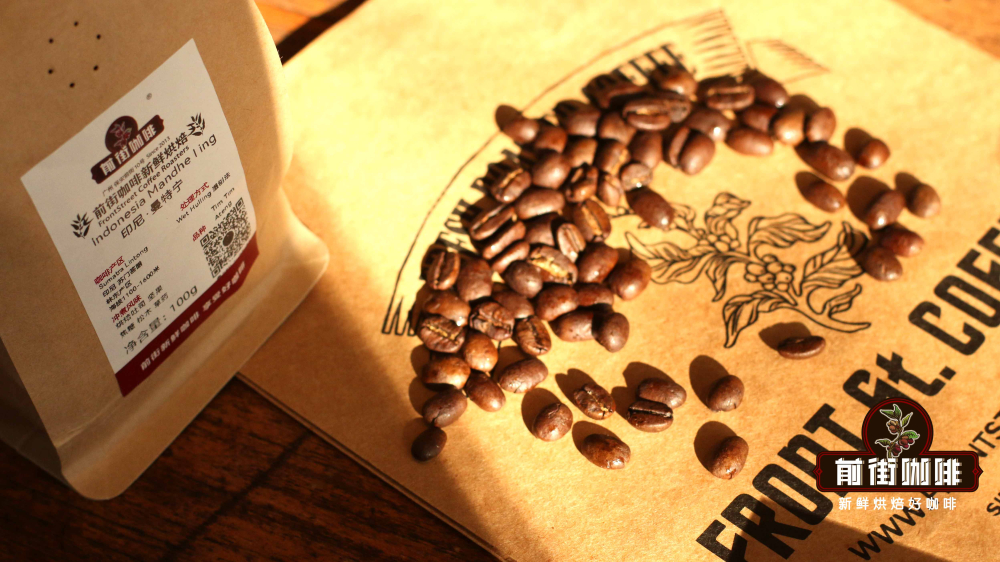
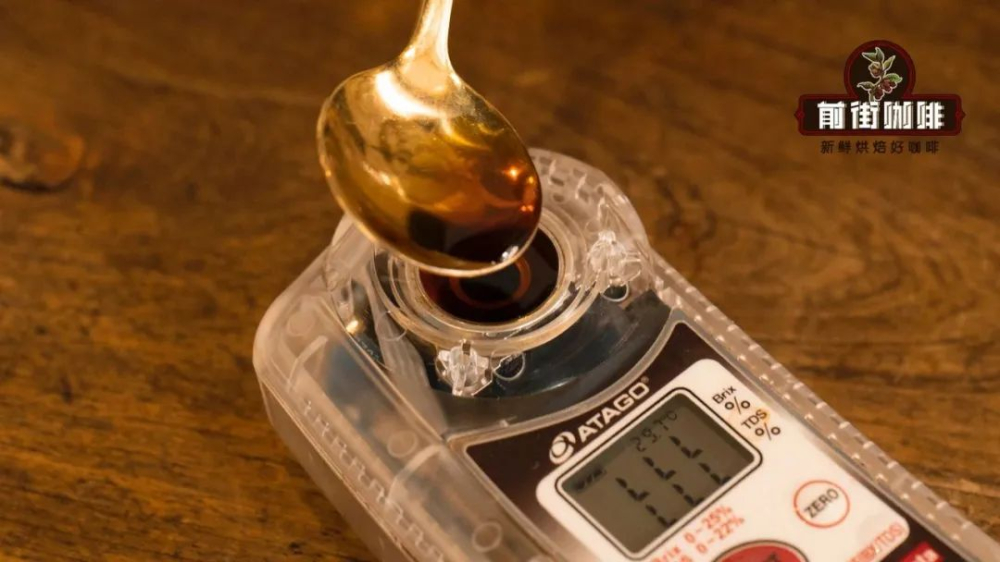
Traditionally, many coffee enthusiasts refer to the so-called “Golden Cup Standard,” where an extraction yield between 18% and 22% is considered ideal—below 18% is under-extracted, above 22% is over-extracted. However, in practice, even professional baristas rarely measure concentration and extraction rate with instruments every time. An experiment conducted by one coffee shop also showed that even when the extraction rate falls within this range, the coffee may still exhibit unappealing flavors; conversely, some coffees slightly over 22% can surprisingly taste smooth, which is closely related to the composition of flavor compounds and their solubility in the beans.
There are numerous factors that influence coffee extraction, including the type of coffee bean, roast level, grind size, water temperature, coffee-to-water ratio, filter design, pouring technique, and brewing time. Each variable can subtly alter the final flavor profile. Therefore, rather than obsessing over precise numbers, a more practical approach is to use your sense of taste to determine whether the coffee is over- or under-extracted based on the actual brewing result, then adjust the parameters accordingly.
Generally, the release of flavor compounds in coffee follows a certain order: light molecular compounds associated with acidity are extracted first, followed by sweet compounds, and finally the larger molecular bitter components. As a result, when under-extracted, the acidity in coffee often stands out noticeably, while sweetness and body are lacking, making the overall flavor thin and one-dimensional.
Common signs of under-extracted coffee include weak aroma, vague flavors on the palate, excessively sharp or astringent acidity—especially in light roasts. Additionally, due to the absence of sweet and body-enhancing compounds, the mouthfeel can feel thin, with short or nearly nonexistent aftertaste. In dark roasts, under-extraction often leads to a pronounced “watery” feel, lacking caramel notes and sweetness, resulting in an overall dull performance.
Interestingly, under-extracted coffee can sometimes carry a hint of saltiness. This is because, in the absence of sufficient sweet and acidic compounds, the normally masked salty characteristics become more noticeable. Although saltiness is not commonly found in coffee, when it does appear, it’s often a warning sign of under-extraction.
Common causes of under-extraction include using a grind that’s too coarse, brewing with water that’s too cool, pouring for too short a time, or using an improper coffee-to-water ratio. For example, sometimes ending the brew process prematurely and not fully extracting the final drips can also lead to sharp acidity and incomplete flavor expression.
On the other hand, over-extraction refers to the release of too many compounds, especially those large molecules that typically carry negative flavors—such as excessive bitterness, astringency, woody notes, straw-like flavors, or dryness. These flavors are usually released later in the brew, and issues like excessively long steeping time, too high water temperature, or too much fine sediment can easily cause over-extracted flavors.
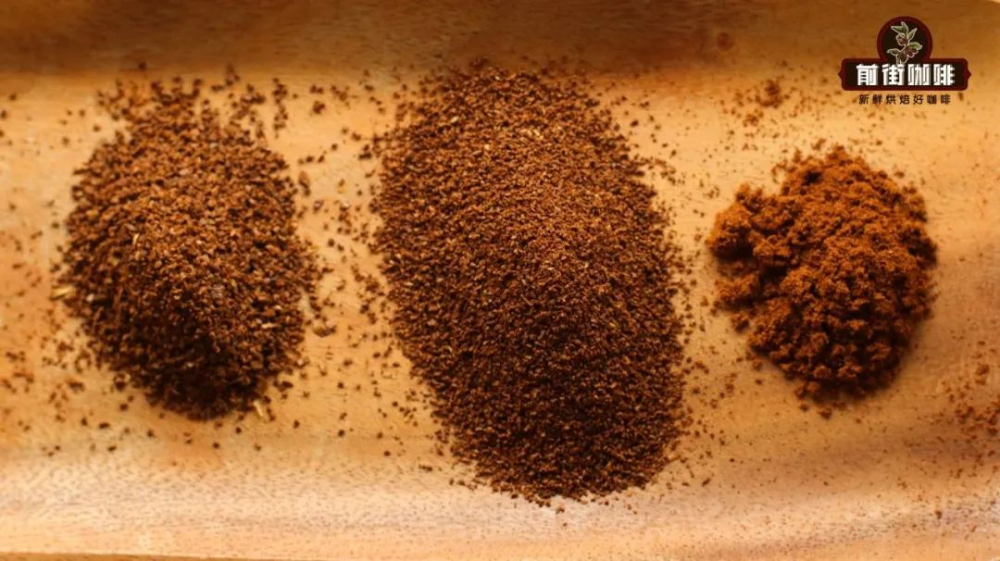
Over-extracted coffee often tastes overly concentrated and chaotic, and may even leave an unpleasant bitter aftertaste in the back of the throat. If the coffee tastes uniformly muted, not bright, but without clearly negative flavors, it might simply be a case of higher concentration that hasn’t reached severe over-extraction. In such cases, you can try adding 10 to 20 milliliters of bypass water to dilute the concentration and restore balance to the flavor.
In summary, to brew a well-balanced pour over coffee, the key lies in mastering variables like grind size, water temperature, coffee-to-water ratio, and brewing time, and judging through actual tasting whether the extraction is just right. Remember, data is only a reference—the palate is the ultimate judge.
The above content is compiled by CoffeeHunters, a coffee news website.


