







Introduction:Laurina coffee, also known as Coffea Laurina, is a rare naturally low-caffeine coffee variety with caffeine content of only about 0.5%. Without undergoing decaffeination processing, it offers elegant flavors. This coffee tree species, once on the verge of extinction, was revived through the efforts of Japanese experts and has since shined in international competitions. This article delves into its historical origins, varietal characteristics, brewing recommendations, and flavor profiles to provide a comprehensive understanding of this rare coffee’s unique charm.
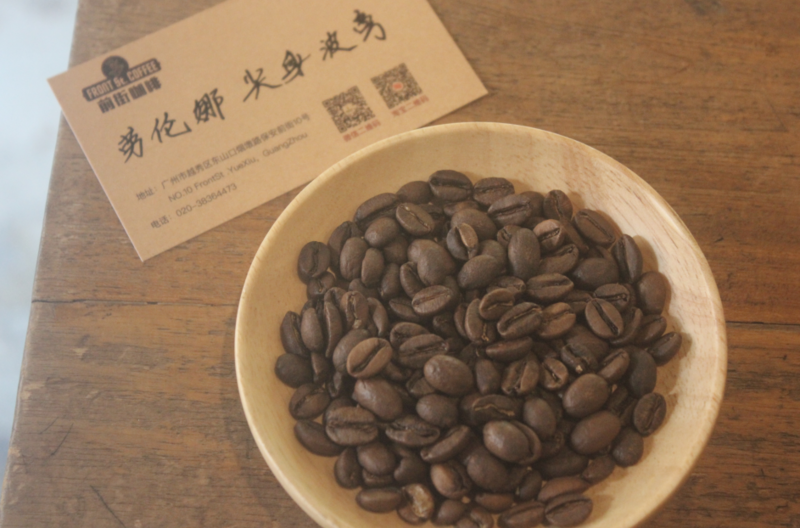
Laurina (Bourbon Pointu), scientifically known as Coffea Laurina, is a naturally very low-caffeine coffee variety, with caffeine content of only around 0.5%, significantly lower than the 1.2% to 1.5% typically found in regular Arabica varieties. Because of this, it can offer a low-caffeine beverage option without artificial decaffeination processes while retaining captivating coffee flavors. Its most distinctive physical feature is its slender bean shape with pointed ends at both sides, hence the name “Laurina” or “pointed.”
What makes this coffee truly fascinating is not just its low caffeine content, but the fact that it still presents rich and gentle flavor profiles despite the low caffeine level. Its unique genetics result in relatively reduced bitter substances such as chlorogenic acid, making the taste smoother, often accompanied by noticeable sweetness and fruity notes upon consumption.
Many people immediately associate low-caffeine coffee with products that have had their caffeine removed through chemical or solvent-based treatments. However, Laurina is a gift from nature — its low caffeine trait stems from a natural genetic regression. Compared to regular Bourbon varieties, Laurina has significantly lower caffeine levels, but this also leads to slower growth, extremely low yield, and weaker disease resistance. It is particularly susceptible to leaf rust and coffee berry disease, which are the main reasons why it has long been difficult to popularize.
Looking back in history, as early as the 18th century, Laurina was once hugely popular and favored by French King Louis XV and the renowned writer Honoré de Balzac. Between the 18th and 19th centuries, this variety was extensively cultivated on Île Bourbon (now Réunion Island), a French colony, with annual production peaking at around 4,000 metric tons around the year 1800. However, subsequent climate disasters and pest issues caused cultivation areas to rapidly shrink. By 1942, the last shipment of Laurina coffee beans back to France amounted to only about 200 kilograms. Since then, it has almost disappeared and was even believed to be extinct.
It wasn’t until 1999 that Ryoaki Kawashima, a coffee expert at Japan’s UCC (Ueshima Coffee Company), heard that low-caffeine coffee trees might still exist on the French island of Bourbon in El Salvador, prompting him to begin his search. On his way to Africa, he visited the island but found that local youth knew nothing about it. He could only leave contact information and hope for future developments.
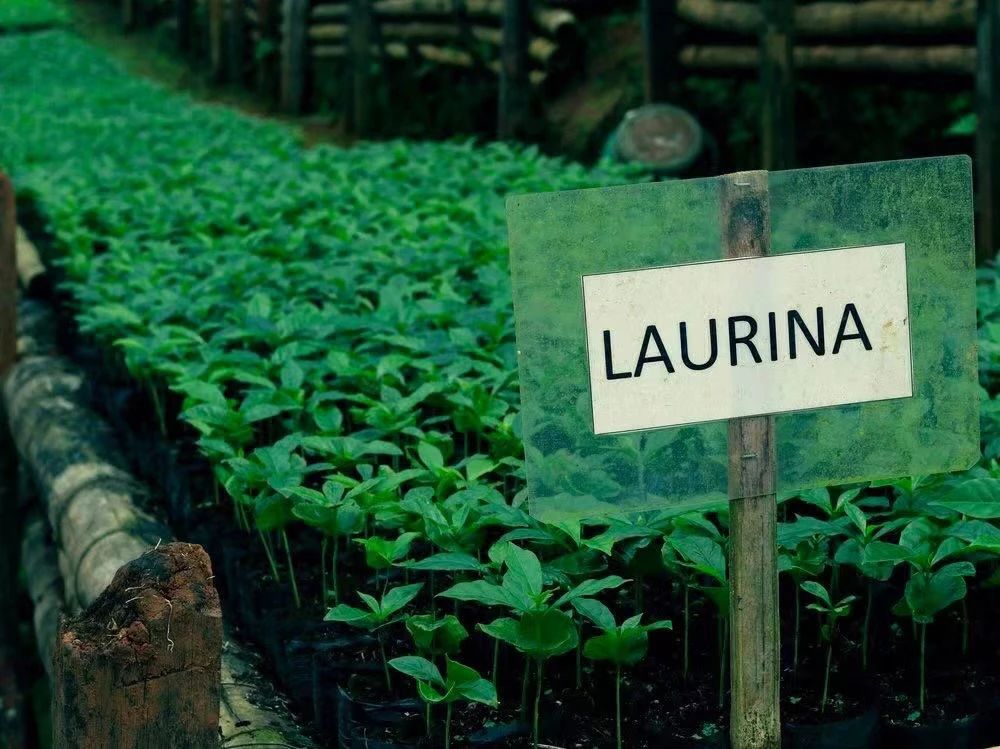
Two years later, in 2001, Kawashima finally received good news from local farmers who reported discovering about thirty coffee trees with unusual appearances in the wilderness. Upon expert identification, these were confirmed to be the long-lost Laurina coffee trees. Subsequently, through collaboration between French scientists and UCC Japan, a revitalization project was launched. It was not until 2006 that the first small batch of Laurina coffee beans was harvested, officially hitting the market in 2007. But the supply was extremely limited, primarily targeting the Japanese market, and the price was steep — reportedly even four times higher than top-grade Blue Mountain coffee.
The Laurina coffee tree also has visibly distinct characteristics compared to other common varieties. The plant is relatively short, with short branches and narrow leaves, resembling a miniature Christmas tree. In addition, its red cherries mature earlier but are also more susceptible to pests and diseases, all of which limit its commercial development.
In 2018, Laurina once again stepped onto the international stage. At that year’s World Brewers Cup, Swiss competitor Emi Fukahori won the championship using Laurina coffee beans processed via semi-carbonic maceration from Brazil’s Daterra Estate, defeating multiple well-known Geisha varieties and once again putting this legendary coffee in the spotlight.
The beans used by Emi Fukahori at the time came from the Cerrado region of Brazil and were of the Laurina variety (i.e., Laurina). She specifically noted that this coffee had about half the caffeine content of regular Arabica, along with lower chlorogenic acid content, resulting in significantly less bitterness and a rounder flavor. According to her description, the aroma of this coffee included layers of red grapes, orange blossom, pineapple, rum, and green apple, all very enchanting.
Nowadays, although Laurina’s price is no longer as prohibitively high as in earlier years, it remains a treasured item among coffee enthusiasts. So what about its actual brewing performance and flavor characteristics?
Taking sun-dried Laurina as an example, a certain coffee brand provides the following practical brewing parameters and flavor notes for coffee lovers’ reference:
Brewing Parameters:Coffee dose: 15 grams, using a Hario V60 filter, water temperature controlled at 90°C, grind size: medium-fine, brew ratio: 1:15.
Brewing Technique:Adopting a pour-over method in stages. First, pour 30 grams of water for blooming for about 30 seconds until the coffee bed surface changes from wet to dry; second, pour water in small streams in a circular motion from the center outward until reaching 125 grams, then pause briefly; as the liquid level drops close to exposing the coffee bed, continue pouring until reaching a total of 225 grams, then remove the V60 and end the extraction. The entire extraction process is controlled at approximately 2 minutes.
Flavor Profile:Dry aroma reveals pronounced notes of fermentation, spices, nuts, and tropical fruits; wet aroma gives off a fresh floral scent. The cup offers a smooth mouthfeel with a clear flavor profile, including red fruits (such as cherry), plum, and pine nuts, while the finish delivers a lingering sugarcane-like sweetness with a long and pleasant aftertaste.
In summary, Laurina coffee is not just a low-caffeine beverage, but a rare coffee variety with complex flavors and historical value. For coffee lovers seeking unique experiences and willing to explore diverse flavor profiles, this coffee is definitely worth a try.
The above content is compiled by CoffeeHunters, a coffee news website.


