







Introduction:Both honey process and pulped natural share the trait of preserving fruit mucilage during drying, yet their distinct levels of mucilage retention and drying methods yield completely different flavor profiles. This article delves into the procedural differences, grading logic, and typical flavor expressions of the two techniques, accompanied by detailed pour over parameters for actual coffee beans to help enthusiasts master identification skills and brewing techniques.
Both the honey process and pulped natural are methods where the outer skin is removed before the beans are directly dried. Their primary difference lies in the degree of mucilage retained and the control of drying conditions, resulting in notably divergent flavor directions. The pulped natural technique originated in Brazil, emphasizing efficiency and stability, often yielding flavors with robust notes such as nuts, chocolate, and caramel. The honey process, on the other hand, emerged in Costa Rica and is subdivided into yellow, red, and black grades based on the proportion of mucilage retained, showcasing more pronounced sweetness and fruity aromas. This article will thoroughly dissect the processing techniques, flavor characteristics, and grading standards of both, while integrating practical pour over recommendations for specific beans, to give you an in-depth understanding of the mysteries behind these two popular methods.
The pulped natural process (semi-dry processing) sits between the traditional washed and natural processes, and can be further divided into two main types: peeled natural and honey process. Their initial steps are largely similar — first removing the outer skin of the coffee cherry in a manner akin to the washed method, but skipping the "fermentation in water tanks" and "clear water rinsing" stages of the washed process. Instead, the coffee fruit with mucilage is directly placed under the sun to dry. Though the surface steps seem alike, it is the critical differences in mucilage retention and drying methods that ultimately create two distinctly flavored types of coffee, each worthy of separate exploration.
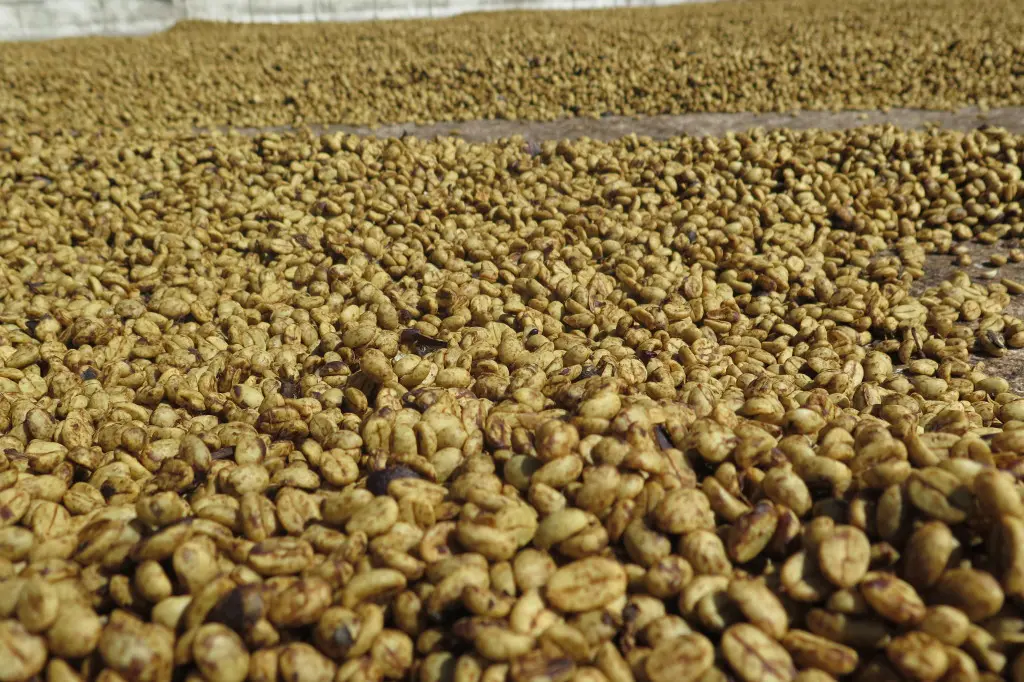
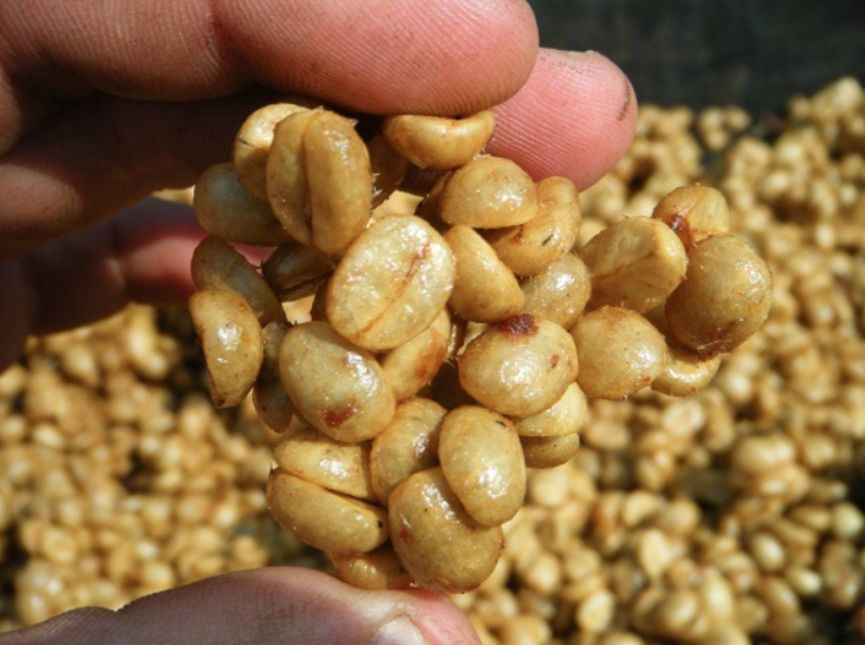
The standard operating procedure for pulped natural is as follows: harvested coffee cherries are first poured into a large water tank, where unripe floaters are skimmed off, and the ripe ones sinking at the bottom are sent to a depulper to remove the outer skin and pulp. This not only filters out unripe cherries but also ensures that only the sticky mucilage layer remains on the beans during drying, facilitating easier control of subsequent fermentation. Then, the coffee fruit with its yellow mucilage is directly placed under the sun to dry (this mucilage layer is where the majority of the coffee fruit’s sugars are concentrated). Once the bean moisture content drops to10.5%-12%, hulling is performed, followed by a final polishing before bagging for export. This method uses significantly less water than the traditional washed process, with some steps resembling the washed method (such as pulp removal) and others akin to the natural method (no tank fermentation), which is why it is also referred to as the semi-washed method.
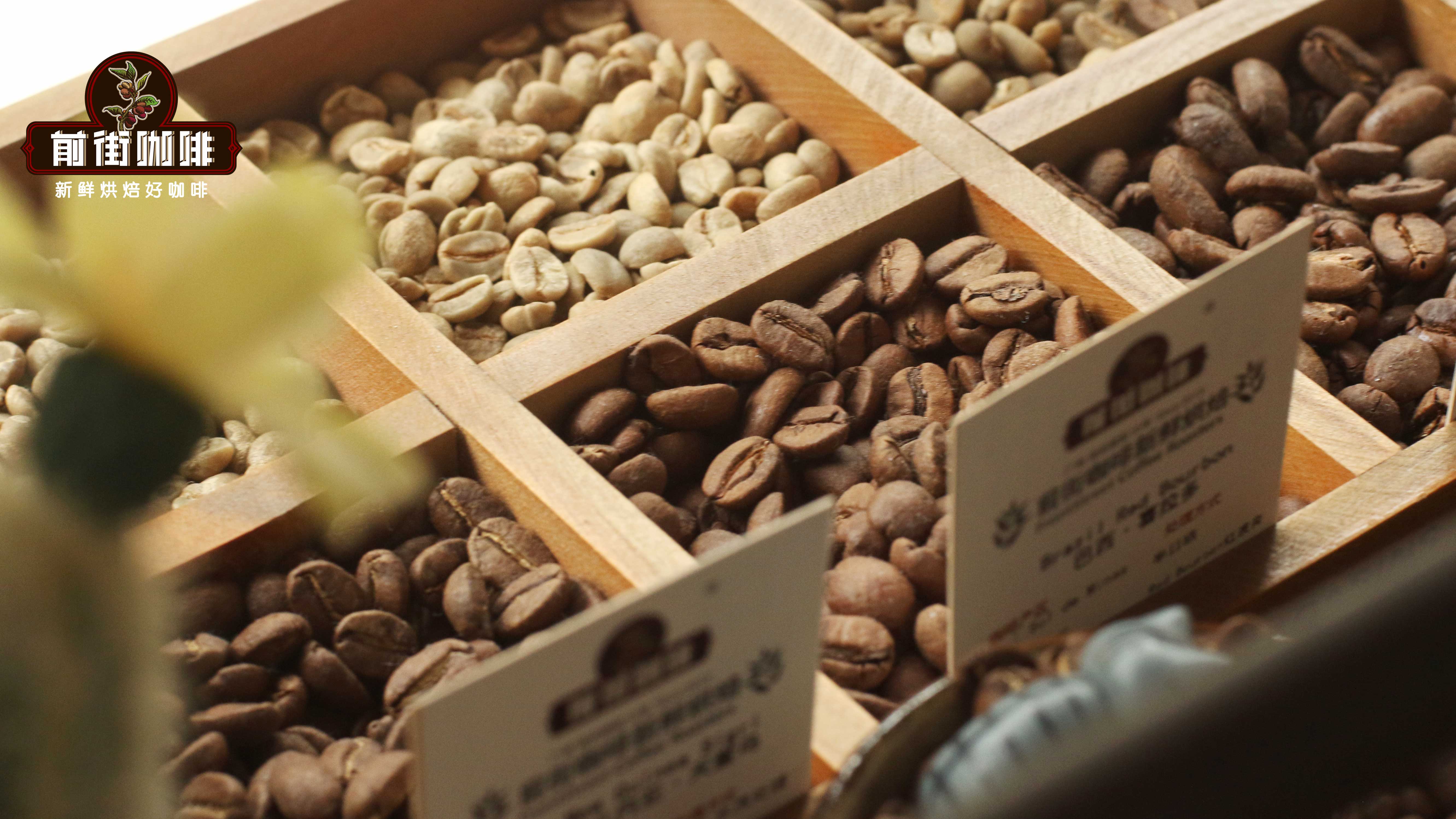
The pulped natural method has several practical advantages: First, its workflow is suitable for commercial-scale production (with Brazil being the primary adopting country), relatively simple to operate, and offers both water-saving and environmentally friendly benefits. Second, during the removal of skin and pulp, ripe pulp tends to naturally detach, whereas immature green fruit skins do not separate easily, creating a natural secondary screening that effectively filters out unripe beans, improving overall maturity consistency. Compared to the traditional natural process, it achieves higher cleanliness and ripeness uniformity, resulting in more unified flavors. Third, the drying time is significantly shortened, helping to save overall processing time and cost, and enhancing product added value. Lastly, due to more consistent maturity, it aids in the long-term storage and quality stability of the beans. This method is the common technique for Brazilian Red Bourbon coffee and is widely used in commercial bean production.
The honey process (Honey processing) originated in Costa Rica and later became widely adopted in producing regions such as El Salvador. It is essentially an improvement and extension of the Brazilian pulped natural process. Initially developed by local coffee farmers aiming to elevate coffee bean quality, it gradually became a signature processing method in the region. The motivation for Costa Rican farmers to adopt this method was very practical: coffee farmers’ income primarily depends on coffee bean sales, and higher-quality beans bring greater profits, thus making the continuous experimentation with new processing methods an inevitable choice. For coffee-growing regions, the three main avenues for quality improvement include refining processing methods, changing planted varieties, or improving soil and farm environments. But just as when adjusting coffee extraction one prioritizes extraction parameters over immediately replacing equipment, farmers typically opt for the most time- and cost-efficient processing improvements first — and the honey process is precisely such a practical choice.
The specific process of the honey process is as follows: harvested coffee cherries are first rigorously sorted to eliminate substandard fruits. Then, qualified cherries are fed into a depulping machine to remove the outer skin and pulp, but the sugar-rich mucilage layer is deliberately retained — this layer contains up to 80% of the sugars in the coffee fruit and is key to influencing the final flavor and fermentation process. Based on varying levels of mucilage retention, the honey process is further categorized into yellow honey (approximately 60% mucilage retained), red honey (around 75% mucilage retained), and black honey (almost no mucilage removed), with more mucilage retained correlating to richer flavors and higher sweetness. Unlike traditional washed processing, the honey process retains part of the mucilage for prolonged drying, reducing the coffee bean’s moisture content to approximately11%. The entire drying process usually takes18 to 25 days, with the exact duration adjusted according to local climate conditions and the processor’s experience. Once dried, the beans are bagged and stored until hulling — the removal of the parchment layer — just before export.
The flavor profile of the honey process is generally more outstanding, featuring a well-balanced acidity and sweetness. Due to sun drying with retained mucilage, the coffee’s natural aromas become more intense, and body is significantly enhanced. Currently, producing regions commonly grade honey process green beans by light exposure during drying, categorized into yellow, red, and black grades. Yellow honey undergoes the most sunlight exposure, typically drying within a week, making it suitable for hot or low-humidity areas. Red honey takes 2–3 weeks to dry, often with reduced light exposure due to weather factors or intentional shading. Black honey has the longest drying time, requiring at least 2 weeks or more, and is kept in near darkness with minimal light throughout, involving the highest labor costs and therefore commanding the highest price. The respective proportions of mucilage and parchment retained for the three are: yellow honey about 25%, red honey 50%, and black honey 100%, which directly affect drying difficulty and final flavor complexity. In terms of flavor, black honey is usually the richest and most intense, but yellow and red honeys, with their shorter drying times and lower costs, are more commonly found in the market.

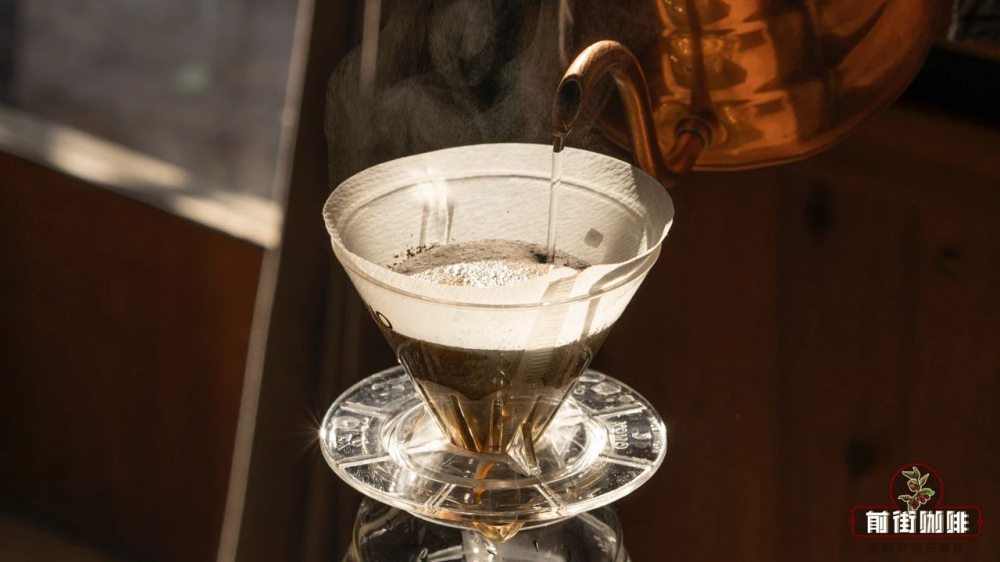
The honey process Geisha from La Laboratoria Estate in San Isidro, Labrador, Costa Rica, hails from the Cacique Tres Piedras highlands in the Tarrazú region, at an altitude between1900~2100 meters. This bean employs the honey process, with the renowned high-altitude ecological Geisha variety. Its flavor profile clearly showcases bright fruit notes such as cherries, oranges, and yellow peaches, paired with delicate floral aromas and an oolong tea-like finish. It boasts prominent sweetness and rich layers. For pour over, it is recommended to use90℃water temperature, a coffee dose of15 grams, a coffee-to-water ratio of1:15, with grind size adjusted to80% passing through a #20 standard sieve(medium-fine). The specific method is: the first pour involves30 gramsof water for a30-second bloom, followed by pouring95 grams(scale reading approximately125 grams) over about1 minute. When the water level drops to two-thirds of the coffee bed, pour the remaining100 grams(scale reading approximately225 grams) over about1 minute and 40 seconds. The total extraction time is controlled to around1 minute and 50 seconds for completion of dripping, after which the filter is removed to finish brewing.
The above content is compiled by CoffeeHunters, a coffee news website.


