







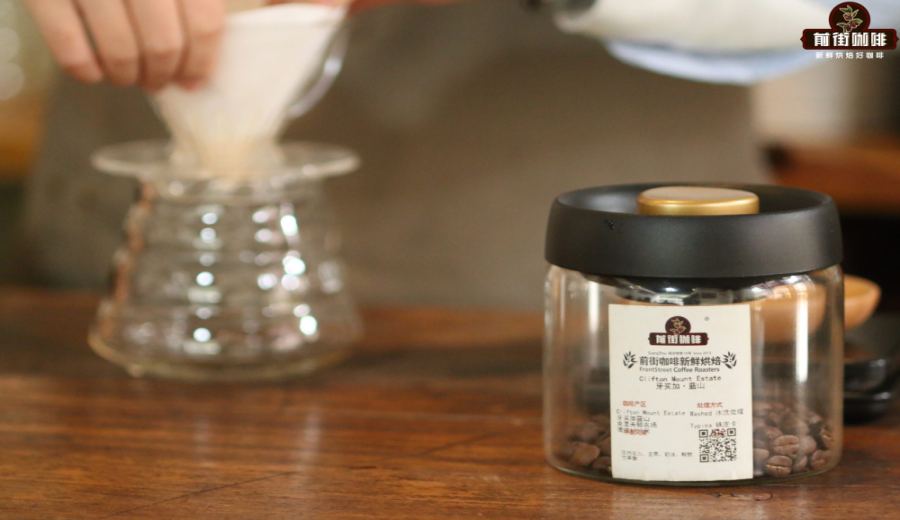
Introduction:Jamaican Blue Mountain coffee is hailed as the finest in the coffee world, yet the market is flooded with counterfeits and misconceptions. This article delves into the unique flavor profile, regional grading system, and differences among grades from NO.1 to Peaberry (PB) of authentic Blue Mountain coffee, while also highlighting its key distinctions from regular commercial beans. It further provides expert pour over recommendations and parameters, allowing you to fully experience the charm of Blue Mountain from aroma to taste, and learn how to discern common fake Blue Mountain practices in the market.
Blue Mountain coffee was once a legend in the specialty coffee world and continues to captivate coffee enthusiasts worldwide. Even in today’s information age, many still only have a partial understanding of its true nature. This article will give you a comprehensive overview of the unique flavor characteristics, rigorous grading system, and fundamental differences between Jamaican Blue Mountain coffee and ordinary commercial coffee. From a professional perspective, we will also break down the pour over process for Blue Mountain No.1, letting you savor its rich and nuanced layers, while debunking the prevalent fake Blue Mountain issues in the market.
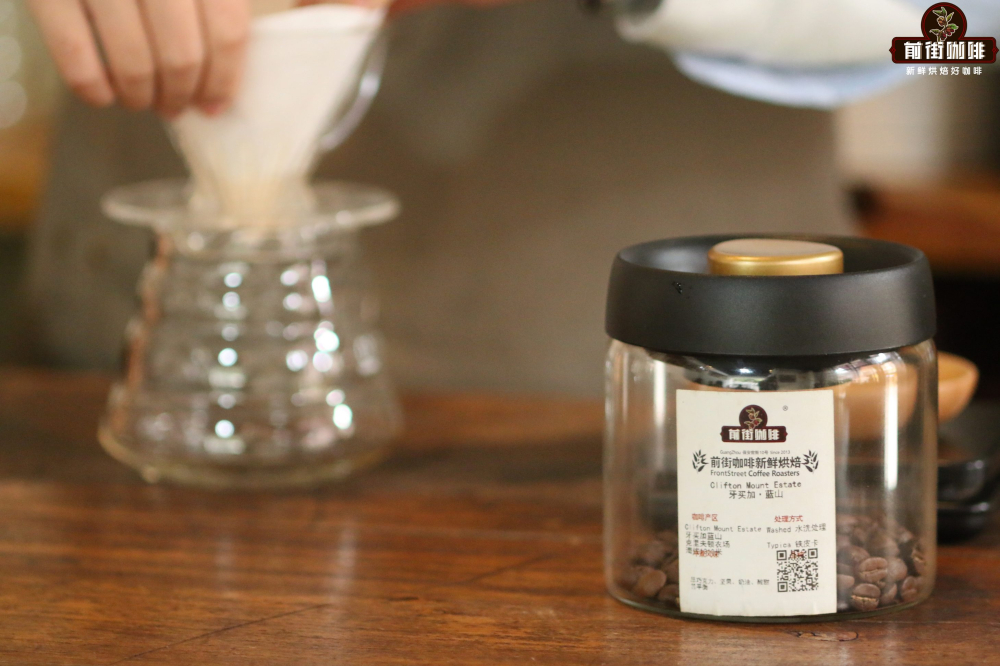
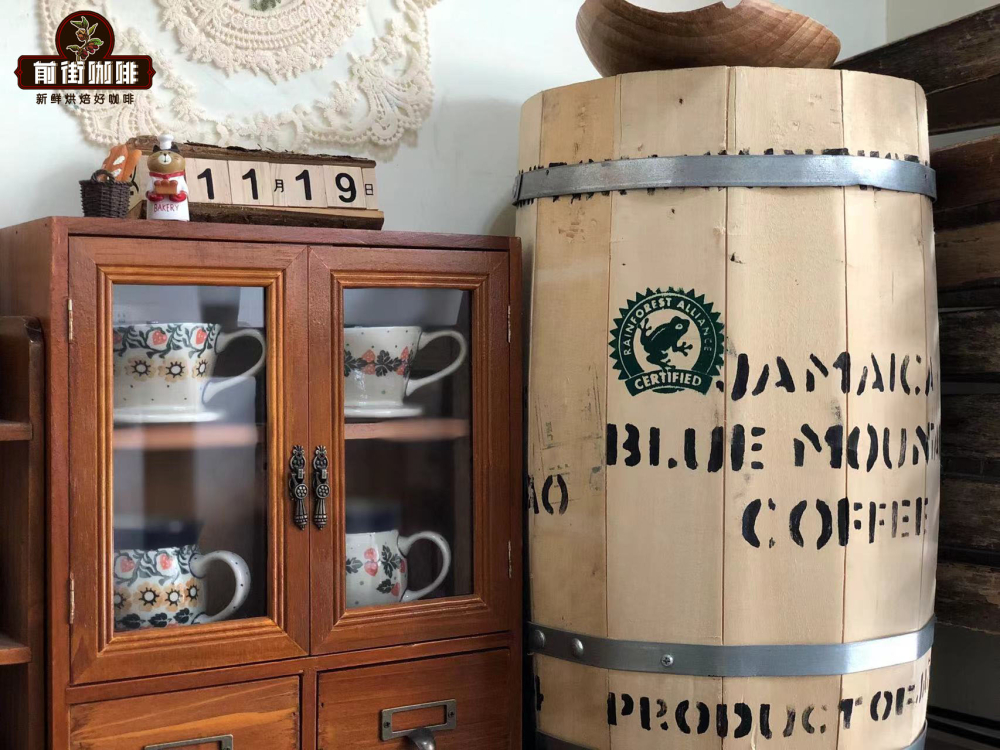
When it comes to Blue Mountain coffee, many people immediately think of high prices and an air of mystery. But what exactly constitutes ‘authentic’ Blue Mountain? The key lies in its origin and grade. Jamaican Blue Mountain coffee must be grown in a specific region of the Blue Mountains at elevations between approximately 910 and 1700 meters, spanning the four administrative parishes of Saint Thomas, Saint Mary, Saint Andrew, and Portland, and cultivated exclusively from the Typica variety. Only coffee produced under these strict conditions qualifies as ‘Jamaican Blue Mountain coffee.’ Additionally, the green beans must pass multiple certifications by the Jamaica Coffee Industry Board (CIB) to earn the official Blue Mountain designation.
The flavor of Blue Mountain coffee is the main reason for its fame. The high-altitude growing environment gives it a rich and balanced taste, with distinct notes of chocolate and roasted hazelnuts, where acidity, sweetness, bitterness, body, and aroma are perfectly harmonized. Compared to regular coffee, Blue Mountain coffee has a denser, more lingering aroma, clearer flavor layers, and a longer aftertaste. This unique flavor stems from stringent cultivation management, refined post-harvest processing, and the region’s exceptional geographical and climatic conditions.
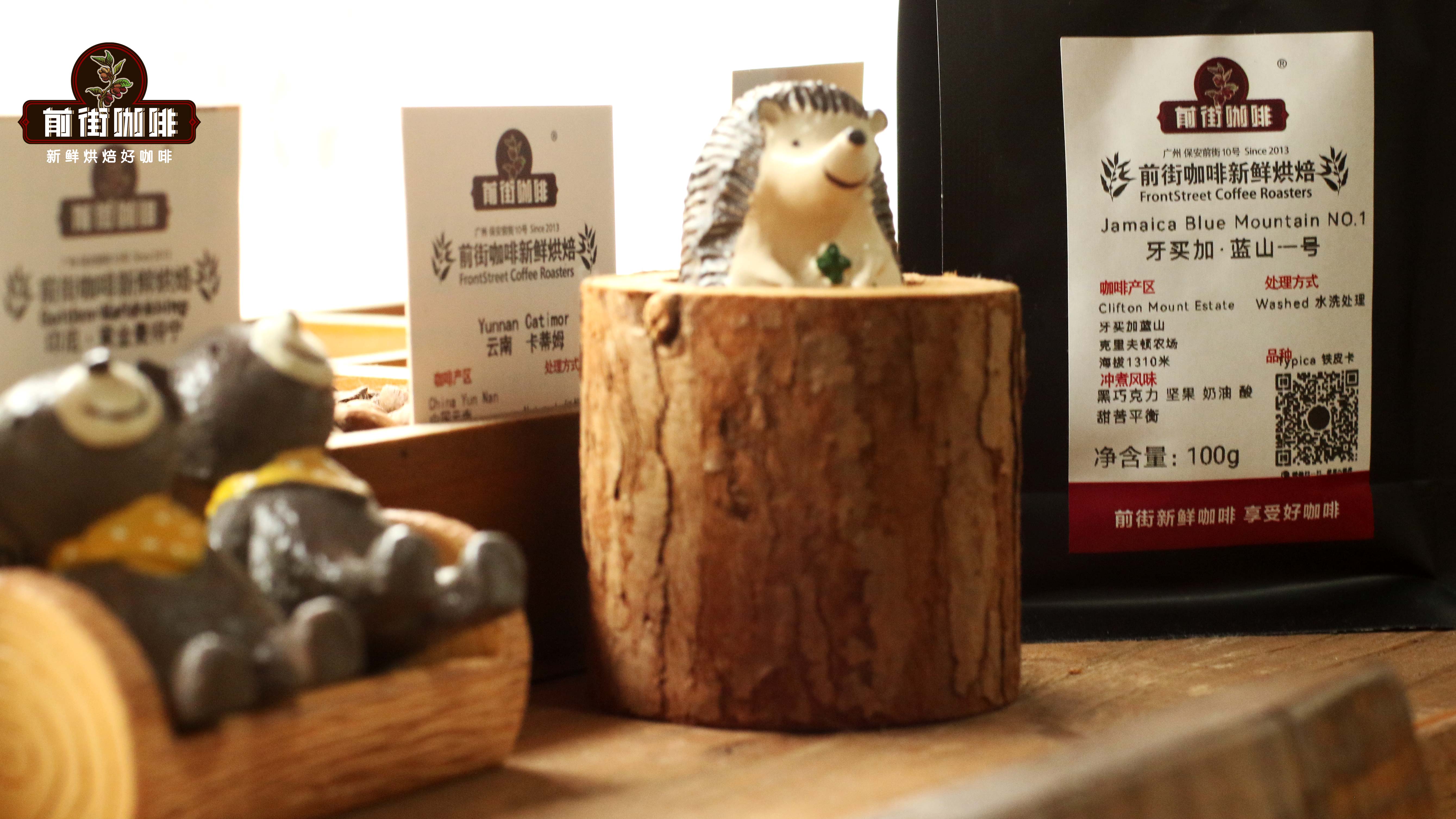
Based on growing altitude and bean quality, Jamaican Blue Mountain coffee is divided into three main types: Blue Mountain coffee, High Mountain Supreme coffee, and Prime Washed coffee. Only Typica beans grown within the aforementioned four regions at elevations between 910 and 1700 meters can bear the name ‘Blue Mountain coffee.’ Furthermore, based on factors such as bean size, appearance, color, defect rate, and cupping performance, Blue Mountain coffee is further graded into four levels: NO.1, NO.2, NO.3, and PB (Peaberry). Among these, NO.1 is the highest grade, featuring uniformly sized beans with minimal defects, and is widely recognized as the most premium Blue Mountain coffee on the market.
It’s often said that ‘all Blue Mountain coffee is bought by Japan,’ and there’s some truth to that. In the early days, Japan’s UCC company signed a long-term contract with Jamaica, securing about 90% of the Blue Mountain quota, making the amount available to other markets extremely limited. However, in recent years, with market liberalization, consumers now have more opportunities to taste authentic Blue Mountain. For instance, Blue Mountain No.1 can be experienced in a pour over setup for around 60 yuan, allowing you to enjoy its unique charm.
So, is Blue Mountain No.1 suitable for black coffee? The answer is yes—and it’s highly recommended. Using a KONO filter cone for pour over can fully bring out its rich and rounded qualities. The KONO filter cone, with its shorter ribs, reduces airflow exchange, prolonging the blooming and extraction time of the coffee grounds, resulting in a more concentrated and balanced flavor. It is suggested to use 15 grams of coffee grounds, with a 1:15 coffee-to-water ratio, and a grind size around EK43s setting 10.5 (75% through a Chinese 20-mesh sieve), with water temperature controlled at 87–88°C. The specific steps are as follows: first, wet the filter paper and fit it snugly into the cone, then add the coffee grounds and gently tap to level; in the first stage, pour 30 grams of water for a 30-second bloom; in the second stage, add water up to about 125 grams, using a circular motion from the center outward; when the liquid level drops by half, pour the final amount up to 225 grams, with a total extraction time of about 2 minutes. This method brings out the deep chocolate and nutty tones of Blue Mountain No.1, with a sweet almond finish on the aftertaste, and as the coffee cools, reveals a creamy smoothness and subtle caramel sweetness.
After brewing Blue Mountain No.1 via pour over, the first flavors to emerge are intense dark chocolate and roasted hazelnut, with a rich and layered mouthfeel. The mid-palate reveals a mildly sweet aftertaste of nuts and almonds, while the finish offers a gentle acidity and delicate caramel aroma, achieving excellent overall balance. As the coffee cools, you can further appreciate the transformation of the roasted hazelnut notes and the silky smooth texture reminiscent of cream—this is the very essence of Blue Mountain No.1.
In summary, Blue Mountain coffee is not just a showcase of its origin, but also the result of a perfect combination of quality control, altitude, variety, and processing methods. Understanding its grading, flavor characteristics, and correct extraction techniques is essential to truly appreciating what it means to be the ‘king of coffees.’ When faced with numerous commercial beans marketed as having a ‘Blue Mountain flavor’ or being a ‘Blue Mountain blend,’ consumers should stay rational and identify genuine Blue Mountain coffee through certification, origin, and grade, in order to savor this ultimate flavor from the heights of Jamaica.
The above content is compiled by CoffeeHunters, a coffee news website.


