







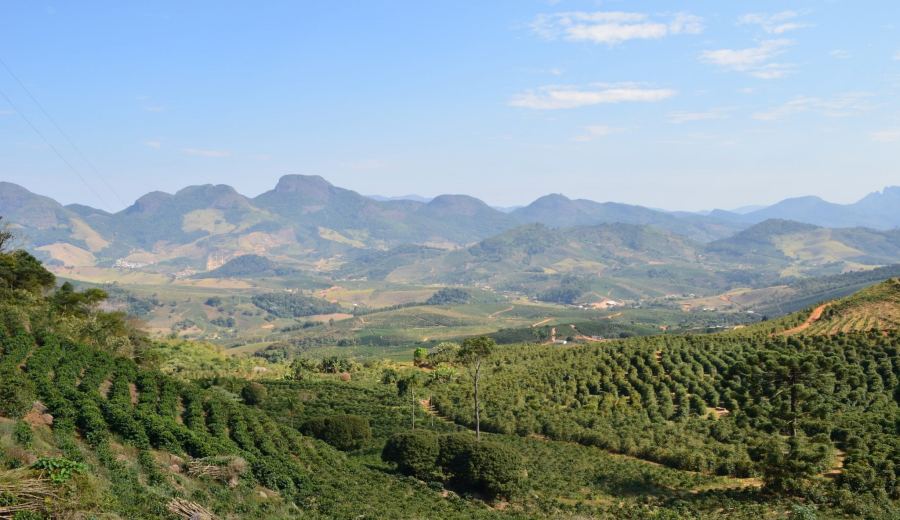
Introduction:Brazil is the world’s largest producer of Arabica coffee, accounting for about 30% of global output, and has a significant impact on market prices. From early cultivars like Typica to today’s dominant Bourbon varieties, the evolution of Brazilian coffee, along with its unique semi-washed processing method, results in flavors that are low in acidity, full-bodied, and characterized by notes of chocolate and nuts. This article will take an in-depth look at Brazil’s major coffee varieties, three top-tier producing regions, classic processing techniques, and provide practical medium-dark roast pour over parameters to help you better understand and brew the distinctive charm of Brazilian coffee.
Brazil is not only the kingdom of football but also a heavyweight player on the global coffee map. As the world’s largest Arabica coffee producer, it accounts for roughly 30% of the world’s total annual Arabica production, exerting a direct and significant influence on international coffee futures prices. From the trial planting of Typica in the early 18th century, to the widespread adoption of Bourbon varieties, and the development of specialty-producing regions such as Minas Gerais, Bahia, and São Paulo, Brazilian coffee has gone through a rich and diverse developmental journey.
Dating back to 1727, it is said that a Portuguese military officer brought a batch of coffee seeds to Brazil in an effort to please the wife of the governor of French Guiana. However, due to the initial limitations in climate and altitude, cultivation was not very successful. It wasn’t until 1774, when a Belgian missionary successfully grew coffee in the warmer southern part of Brazil, that coffee cultivation began to gradually expand. The Typica planted in the northern state of Pará initially adapted well to the local terroir, but due to high genetic similarity, it was susceptible to pests and diseases and was later replaced by other varieties.
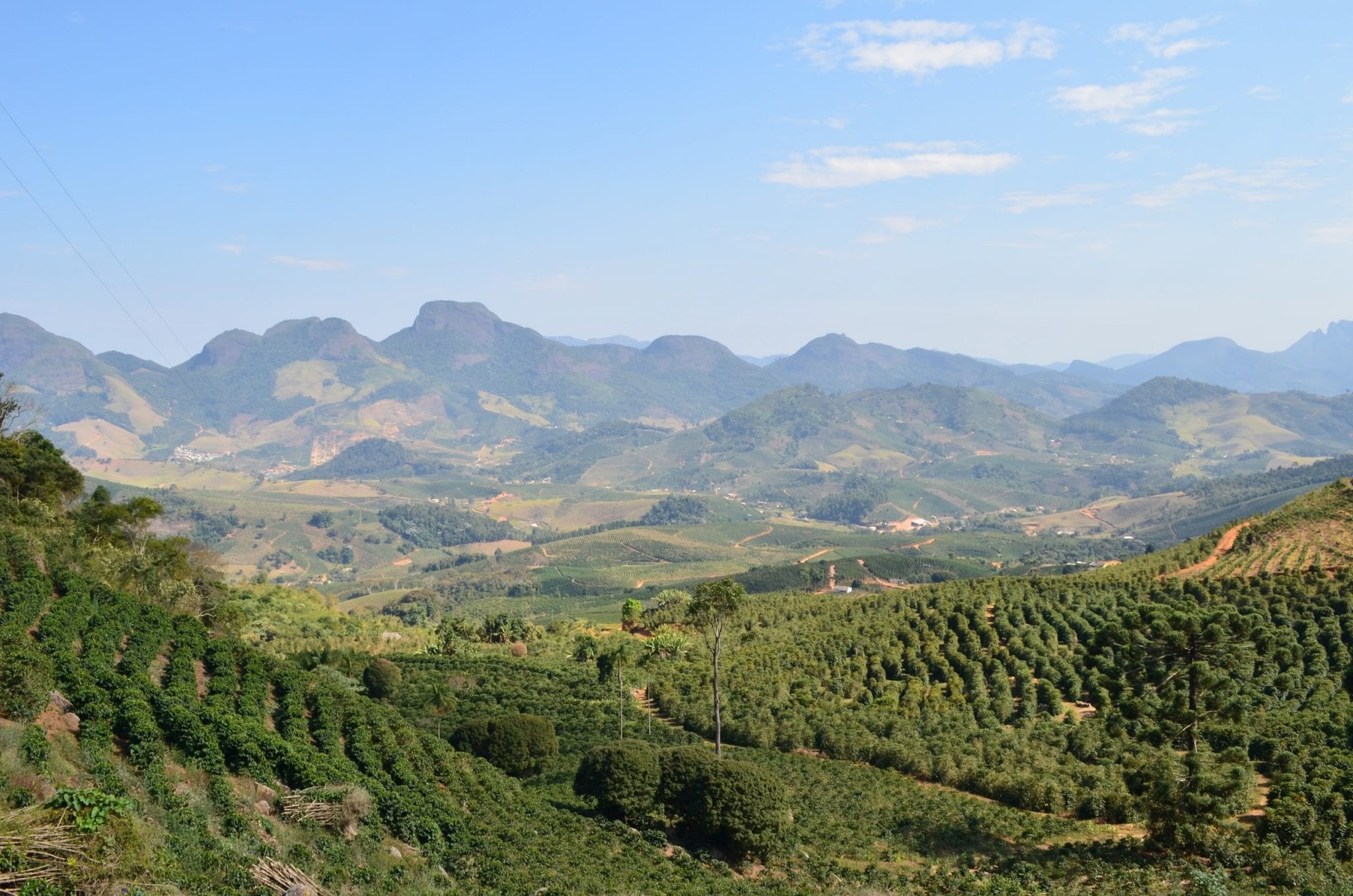
In the 1860s, Brazil introduced the round-seeded Bourbon variety from Bourbon Island. This marked the first entry of Bourbon coffee into Central and South America, and it spread to surrounding regions starting from Brazil. Compared to Typica, although Bourbon offers a slightly higher yield per unit area, it still requires two years for each harvest cycle, resulting in relatively low overall productivity. It has broad leaves and dense foliage, and the coffee it produces typically features gentler acidity and rich sweetness. Later, Brazil’s coffee-growing areas gradually expanded from the north to the southeastern state of São Paulo and the southern state of Paraná, though the latter suffers frequent winter frosts that caused considerable damage to coffee crops.
In search of more stable growing conditions, during the 1970s and 1980s, Brazilian farmers shifted their focus to Minas Gerais (often simply called Minas), Bahia, and São Paulo in the northern part of São Paulo state. These regions have warm winters and almost no frost, becoming today’s core areas for Brazilian specialty coffee. Among them, the South Minas region in Minas Gerais, with its high altitude and stable microclimate, has nurtured many high-quality coffee farms.
In terms of varieties, Brazilian specialty coffee is dominated by Bourbon-related varieties, including Red Bourbon, Yellow Bourbon, and Caturra, with Bourbon being the most common. Red Bourbon gets its name from the red color of its ripe cherries. It has broad leaves and high fruit yield, and although like Typica it is a two-year-harvest variety, its flavor profile is often richer. Cupping experience shows that Red Bourbon typically exhibits subtle fermented fruit aromas, with a distinctly sweet finish, often accompanied by notes of nuts and cream.
Yellow Bourbon is a natural mutation of Red Bourbon that occurred in São Paulo, Brazil. Its cherries ripen to an orange-yellow hue rather than red, and it is currently mainly found in the São Paulo region. Compared to Red Bourbon, Yellow Bourbon has a cleaner and more refreshing flavor profile, with soft and balanced acidity, little bitterness, and more pronounced sweetness. Overall, it presents a bright and clean cup, making it very popular among many coffee enthusiasts.
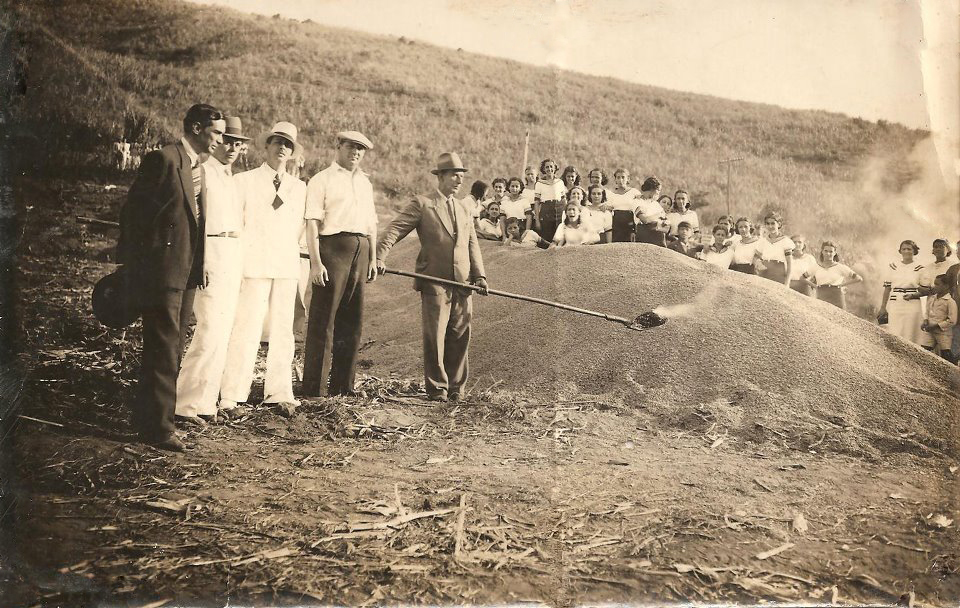
When discussing the processing characteristics of Brazilian coffee, one cannot overlook the globally unique “semi-washed” or pulped natural method. Due to the relatively dry climate in most of Brazil’s coffee regions, farmers have developed this processing method tailored to local conditions. In the pulped natural process, after removing the pulp and mucilage, the beans are not fermented in water tanks or thoroughly washed with large amounts of clean water. Instead, fermentation is controlled through partial sun exposure and regulated temperature and humidity environments. This approach helps preserve rich sweetness and a full body while effectively suppressing overly sharp acidity, creating the classic Brazilian coffee traits of low acidity, smoothness, and flavors of caramel and chocolate.
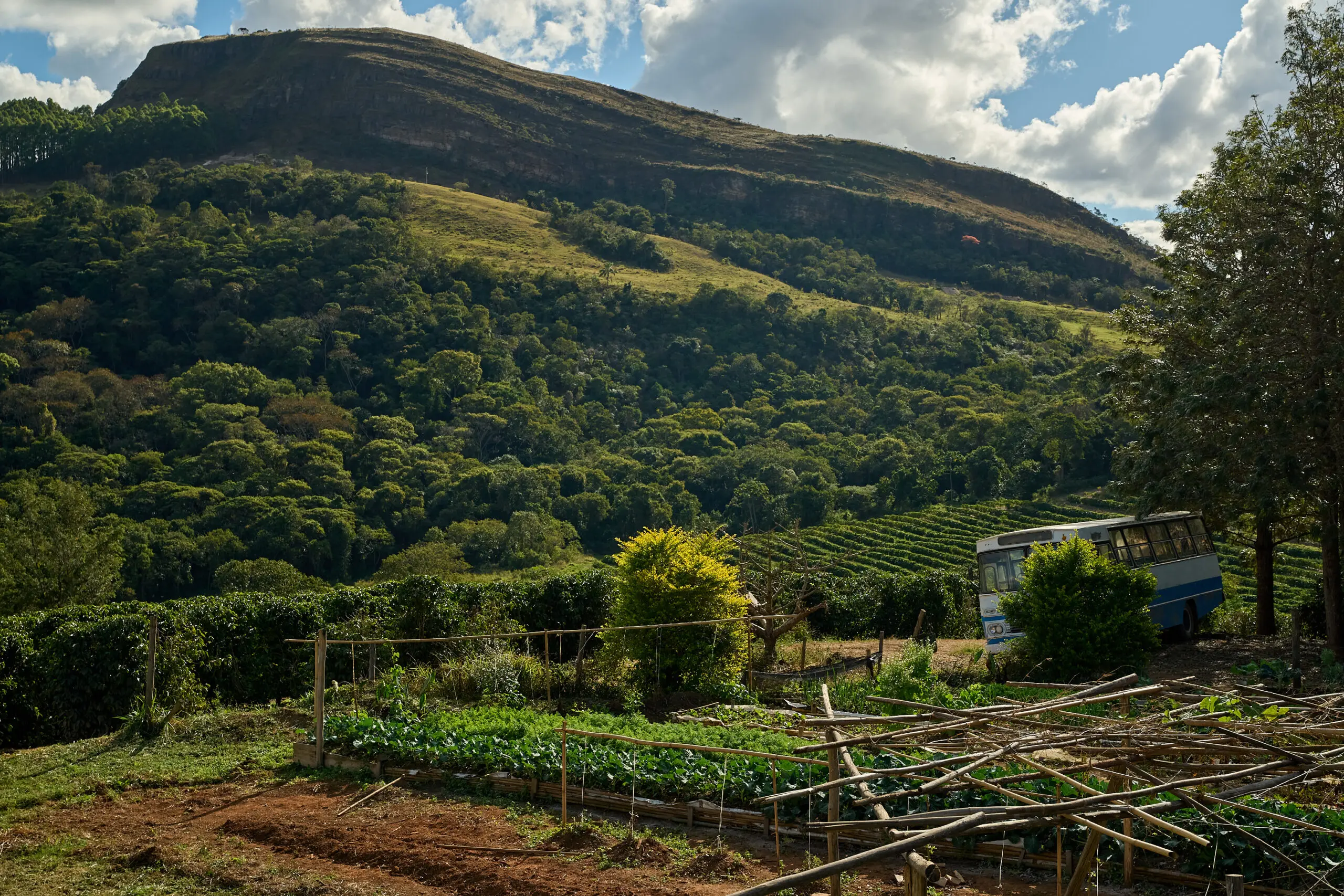
If you want to experience the unique flavors of Brazilian coffee, you can prioritize Red Bourbon beans from South Minas, grown at around 1,000 meters altitude and processed using the semi-washed method. These beans often present notes of nuts, chocolate, cream, and caramel, making them ideal for those who enjoy a full-bodied taste. Another option is Yellow Bourbon from Fazenda Rainha in São Paulo state, grown between 1,400 and 1,950 meters altitude, available in both semi-washed and natural versions. Its flavor profile includes notes of nuts, peanuts, fermented fruits, and cane sugar, with an overall bright cup and rich sweetness.
For medium-dark roasted Brazilian coffee beans, due to their relatively loose bean structure, it is recommended to use a medium-coarse grind (about the size of white sugar, or a 75% passing rate through a Chinese No. 20 sieve), and avoid excessively high water temperatures—around 88°C is advised to reduce over-extraction and bitterness. Practical pour over parameters can be as follows: 15 grams of coffee, a 1:15 coffee-to-water ratio, using a Kono filter. Employ a three-stage pouring method—first pour 30 ml for a 30-second bloom, then pour 100 ml in a circular motion from the center outward, and once the water level drops, pour another 95 ml in the third stage. The total extraction time should be controlled to around 2 minutes to fully showcase the richness and layered complexity of Brazilian coffee.
A high-quality Brazilian coffee often features distinct sweetness and low acidity. The cup may start with subtle lemony aromas, develop into rich notes of nuts and dark chocolate in the mid-palate, and finish with a smooth and rounded aftertaste. Whether enjoyed as a single origin or as the base for milk coffee, Brazilian coffee showcases its stable and layered character, making it highly suitable for both beginner and advanced coffee enthusiasts to explore.
The above content is compiled by CoffeeHunters, a coffee news website.


