







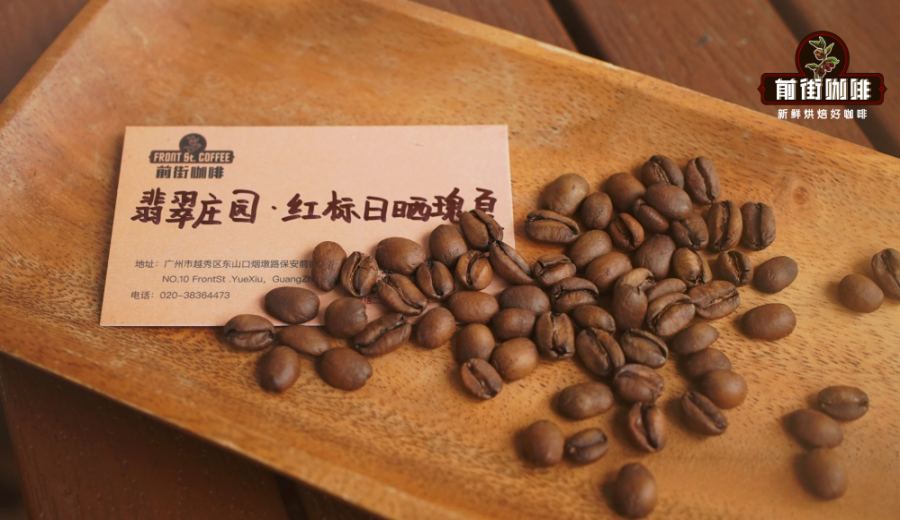
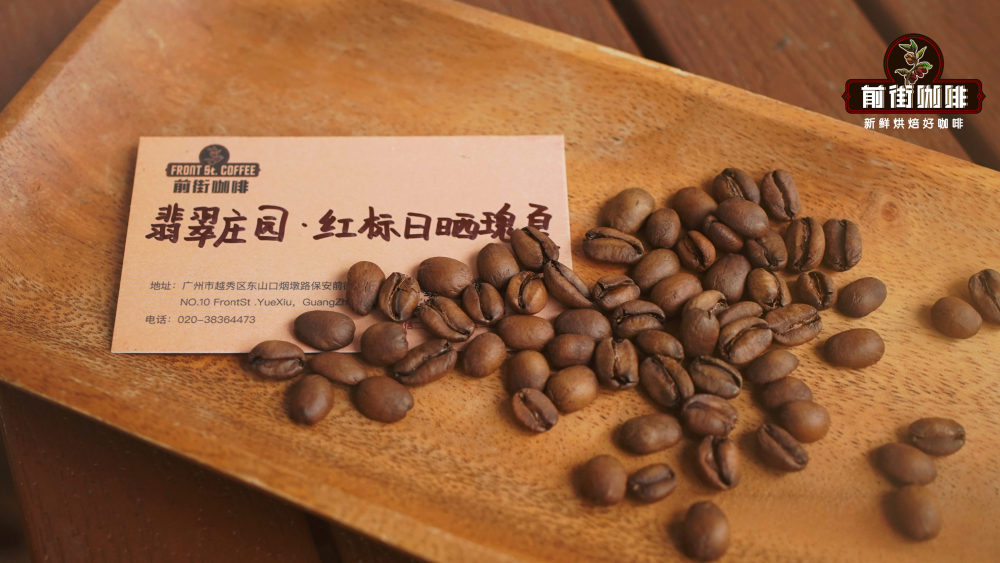
Introduction:The Geisha coffee from Panama’s Hacienda La Esmeralda is renowned for its distinctive floral and fruity aromas, but the differences between the Red Label, Green Label, and Blue Label often cause confusion. This article delves into the origin sources, processing characteristics, and market positioning of these three grades, while also providing expert roast curves and pour over parameter recommendations to help coffee enthusiasts explore the layered flavors of Geisha—from beginner to advanced levels.
Geisha coffee once ranked on Forbes’ list of the world’s most expensive coffees and has since become a star variety in the specialty coffee scene. Among them, the Geisha produced by Panama’s Hacienda La Esmeralda is especially famous, as it is meticulously categorized into different grades such as Red Label, Green Label, and Blue Label based on altitude, microclimate, and cupping results. These grades not only vary significantly in price, but also exhibit vastly different flavor profiles. This article will trace the historical development, terroir environment, and grading logic of the estate, and provide a detailed explanation of the processing features, roast recommendations, and pour over parameters for each grade, helping you gain an in-depth understanding of this top-tier coffee’s unique qualities.
The history of Hacienda La Esmeralda dates back to 1964, when American banker Rudolph A. Peterson retired and moved to Panama, purchasing the Pamela Farm located in Boquete, which was initially used mainly for cattle ranching. It wasn’t until 1987 that his son, Price Peterson, abandoned his medical career, took over the farm, and introduced the Caturra and Catuai varieties, renaming the farm Hacienda La Esmeralda. In 1994, the estate built its own washed processing facility, and in 1996, it acquired the neighboring Jaramillo Farm, which boasted excellent terroir conditions. At the time, the coffee trees in that area were mostly growing wild with mixed varieties, yet unexpectedly gave rise to the Geisha variety that would later shake the coffee world.
The name “Geisha” originates from the Japanese word for “geisha.” It was first discovered in 1997 by Price’s youngest son, Daniel, in the lower-altitude areas of the Jaramillo Farm. At that time, these tall and distinctive coffee trees were considered to have low fruit yields and poor economic returns, and most farms had already cut them down. However, Daniel recognized their potential and transplanted them to higher altitudes. With the rise of the specialty coffee movement in the early 2000s, Daniel used cupping techniques to identify a batch of Geisha from the Mario plot in 2004 that exhibited explosive floral and fruity aromas. That year’s entry won the Best of Panama (BOP) competition, instantly establishing Hacienda La Esmeralda’s position on the global specialty coffee map.
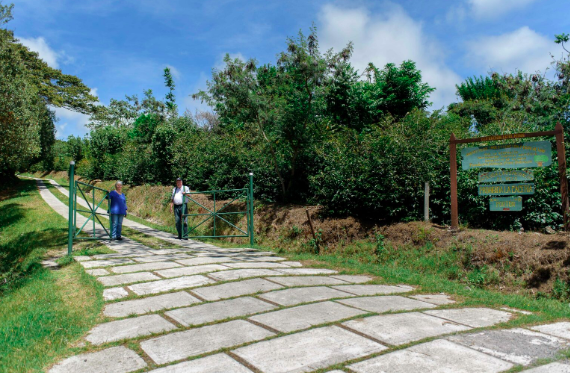
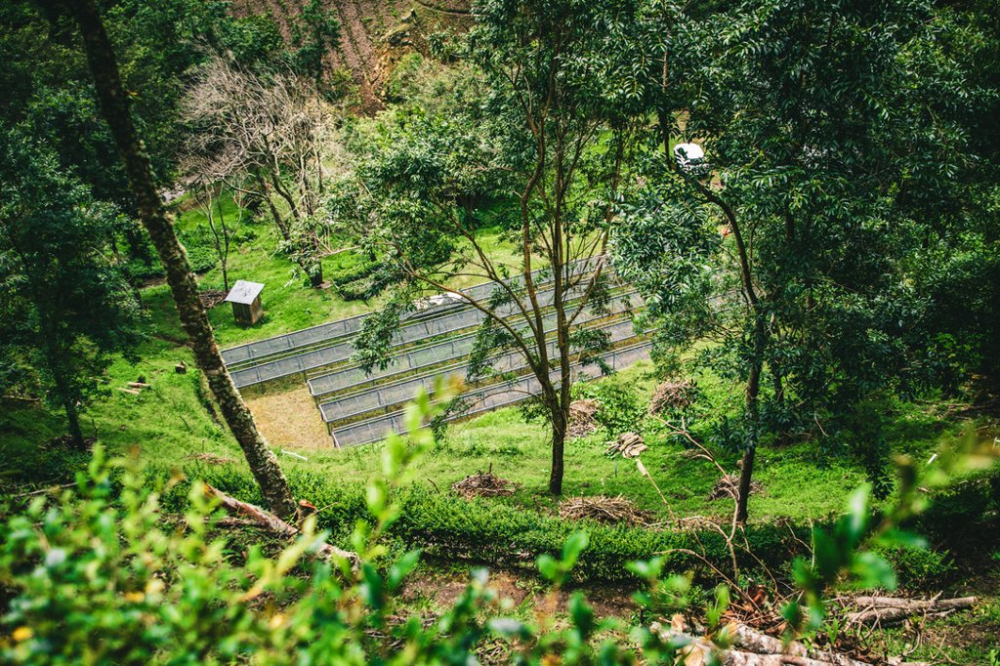
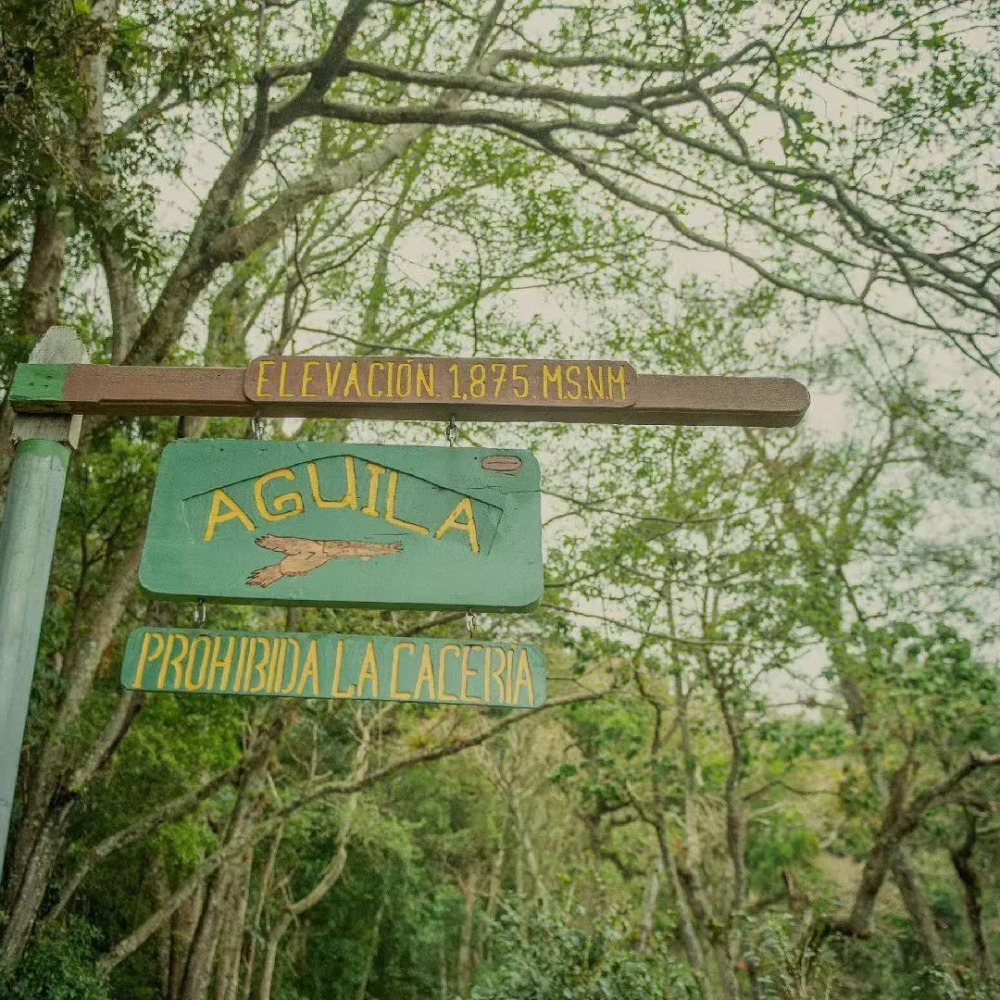
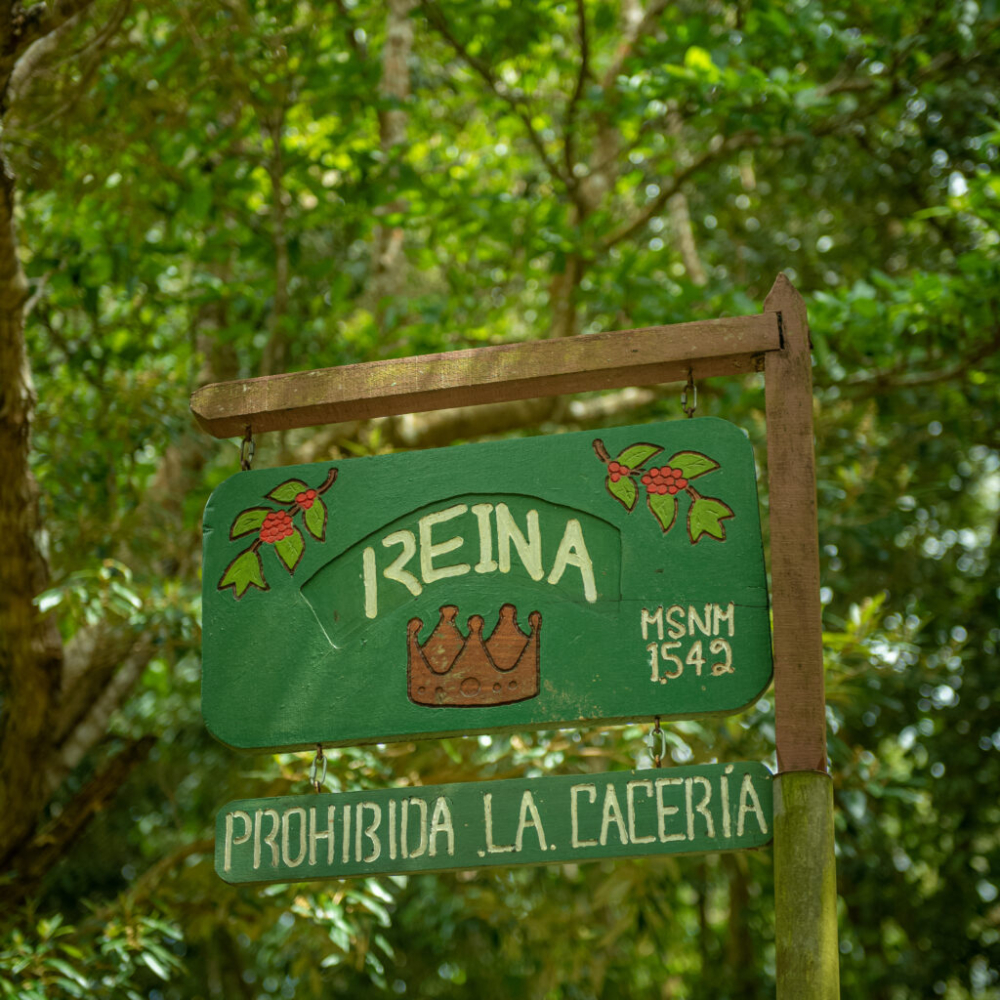
Currently, the main Geisha-growing regions of Hacienda La Esmeralda include Jaramillo, Cañas Verdes, and the more recently acquired El Velo. Among them, Jaramillo sits at an altitude of approximately 1600–1700 meters, with annual rainfall reaching up to 4000 millimeters and significant day-night temperature variations, contributing to the delicate floral notes and citrus tones of the Geisha. Cañas Verdes, at a similar altitude, is divided into nine smaller plots and also provides ideal growing conditions for Geisha. The El Velo plot is a newly acquired high-altitude area from 2012, with some sections exceeding 1700 meters in elevation and featuring a diverse range of planted varieties, including not only Geisha but also small amounts of rare cultivars such as Laurina and Pacamara.
Hacienda La Esmeralda’s grading and branding strategy for Geisha has undergone multiple adjustments over the years. In the early days, different grades such as Red Label, Green Label, and Blue Label were introduced based on cupping results and origin. The Red Label represented auction-grade Geisha, the Green Label was a micro-lot blend, and the Blue Label was an entry-level option grown at around 1500 meters. Between 2019 and 2022, the third-generation owners, Daniel and Rachel, decided to further elevate the brand’s positioning by separating the auction lots from the original Red Label into the “Esmeralda Auction,” available only through bidding. On August 17, 2022, a single lot even set a record-breaking price of $2,755 per kilogram.
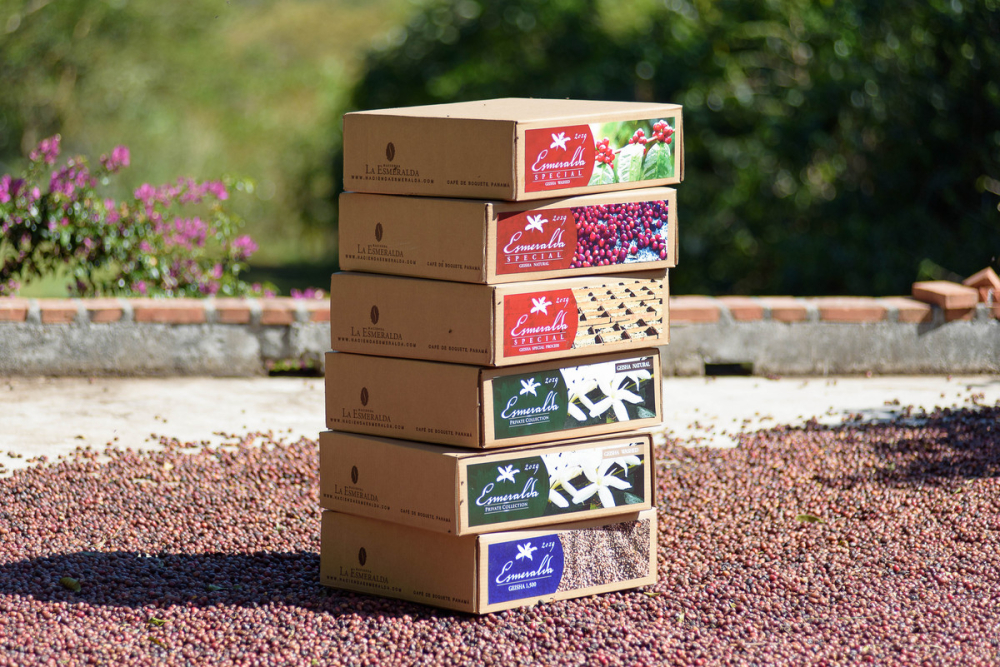
In the current grading system, “Esmeralda Special”—commonly known as the Red Label—consists of Geisha from independent plots in Jaramillo and Cañas Verdes grown at altitudes of 1600–1800 meters with cupping scores above 90. Processing methods include natural and washed, with one well-known shop particularly recommending the slow natural lot from the Jaramillo Mario plot, the very source of the 2004 BOP champion. The Red Label features bright floral and citrus notes as its core, complemented by layers of berries, apricots, and honey, delivering a full-bodied mouthfeel and a long, lingering finish.
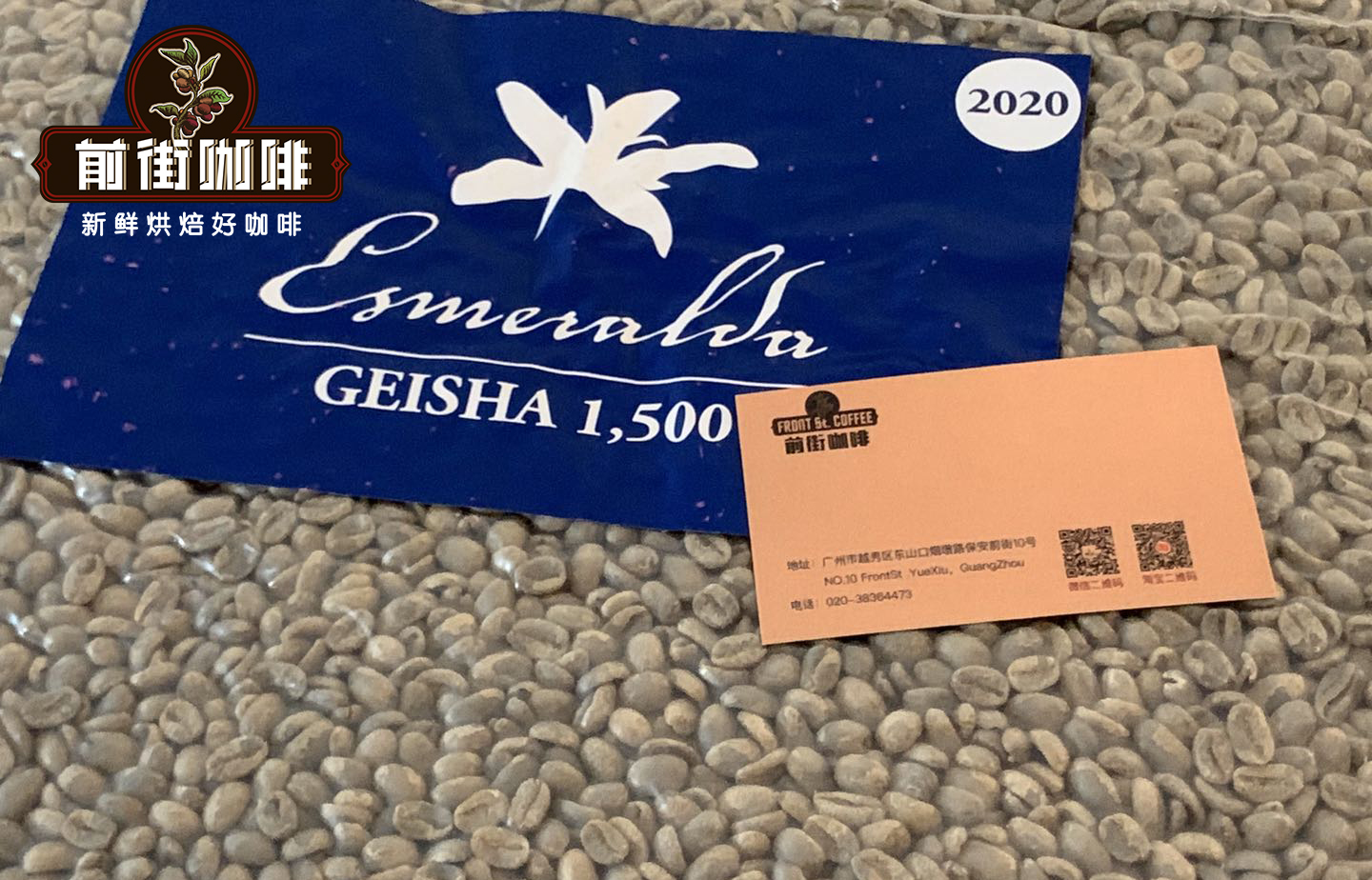
The Green Label (Private Collection), commonly referred to as mid-tier Geisha, is a blend of micro-lots from the same altitude range but different plots. Although it does not specify exact origins, it still retains the classic floral-fruity aromas and citrus acidity of Geisha. In recent years, it has only been offered in the washed process, with stable flavor performance and high cost-performance. The Blue Label (Geisha 1500) is sourced from blocks around 1500 meters in altitude, with relatively more affordable pricing. Its flavors primarily feature citrus, jasmine, and honey, making it suitable for consumers trying Geisha for the first time. The washed version is clean and refreshing, while the natural batch offers fermented wine-like notes and tropical fruit sweetness.
In terms of roasting strategy, a well-known shop tailors its approach to Geisha’s high aroma and bright acidity by employing a light roast to preserve its delicate nuances. The Red Label, due to its highest altitude and most complex flavors, is roasted at an inlet temperature of 150°C, with a steady rise in temperature leading to a 1 minute and 28 second development after first crack, and an exit temperature of 189.5°C, enhancing the explosiveness of its floral and citrus notes. The Green Label adjusts the inlet temperature to 160°C, with first crack starting slightly earlier, a development time of 1 minute and 20 seconds, and an exit temperature of 192.5°C, highlighting its sweetness and juice-like character. The Blue Label, being from a lower altitude, uses a higher inlet temperature (180°C), a 1 minute and 28 second development after first crack, and an exit temperature of 190°C, ensuring clarity of flavor without over-roasting.
For pour over recommendations, it is advised to use a Hario V60 dripper, with water temperature controlled at 90°C, a coffee-to-water ratio of 1:15, and a grind size of medium-fine (80% passing through a Chinese No. 20 sieve). These parameters help fully extract the delicate aromas and balanced acidity-sweetness of Geisha. In practice, a three-stage extraction method can be employed: start with a 30-second bloom using 30 grams of water, then pour in a circular motion until reaching 125 grams for the first pour, wait for the water level to drop just before exposing the coffee bed, and then pour up to 225 grams. The total extraction time is about 2 minutes. This method balances flavor release and avoids over-extraction or excessive acidity.
The Red Label offers a rich array of flavors, often featuring rose, citrus, rice, berries, and honey, with a full body and sweet aftertaste. The Green Label centers on jasmine, paired with citrus, berries, and a creamy texture, finishing with green tea and citrus notes. The washed Blue Label is refreshing, with initial lemon and grapefruit acidity, a honeyed sweetness in the middle, and an oolong tea and brown sugar finish. The natural Blue Label showcases fermented wine-like aromas and tropical fruit sweetness, with distinct layers. Whether you’re a coffee novice or an experienced enthusiast, you can find your own preferred flavor experience within the diverse profile of Geisha.
The above content is compiled by CoffeeHunters, a coffee news website.


