







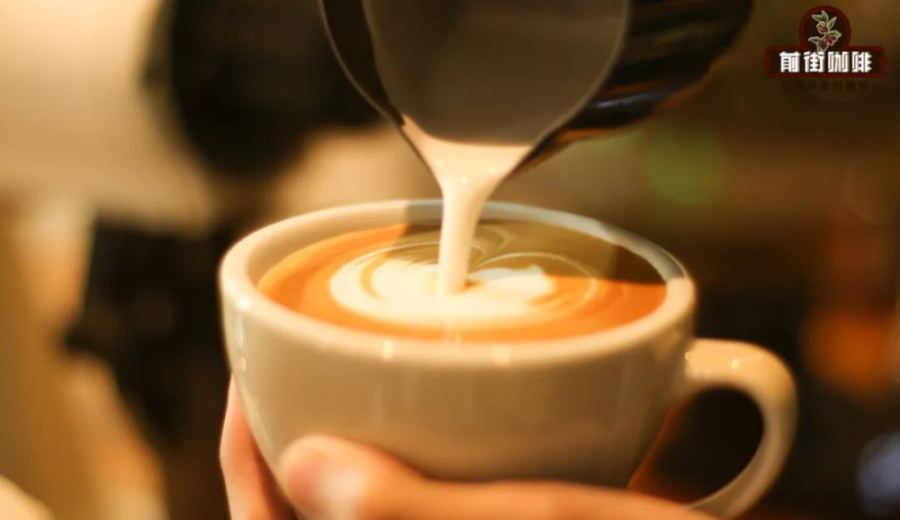
Introduction:You don’t need to spend a fortune to learn latte art pouring skills. This article explains in detail how to develop solid fundamentals at home using low-cost materials and recycling techniques. From selecting an espresso blend with rich crema, to practical steps for steaming milk with a French press, it also provides specific methods such as using dark soy sauce and dish soap for simulated practice, and recycling concentrated milk — all to help coffee beginners gradually master the art of latte pouring.
The core of latte art lies in muscle memory for milk foam flow rate and angle. However, frequently using freshly extracted espresso and fresh milk not only increases costs, but leftover drinks often go to waste. Many coffee professionals and enthusiasts are turning to cost-effective training methods that allow them to refine their technique while reducing consumable expenses. This article will delve into practical training strategies used by professional coffee shops, including key points for choosing espresso blends suitable for latte art, alternative methods for making milk foam without professional equipment, and two highly cost-efficient simulation practice methods.
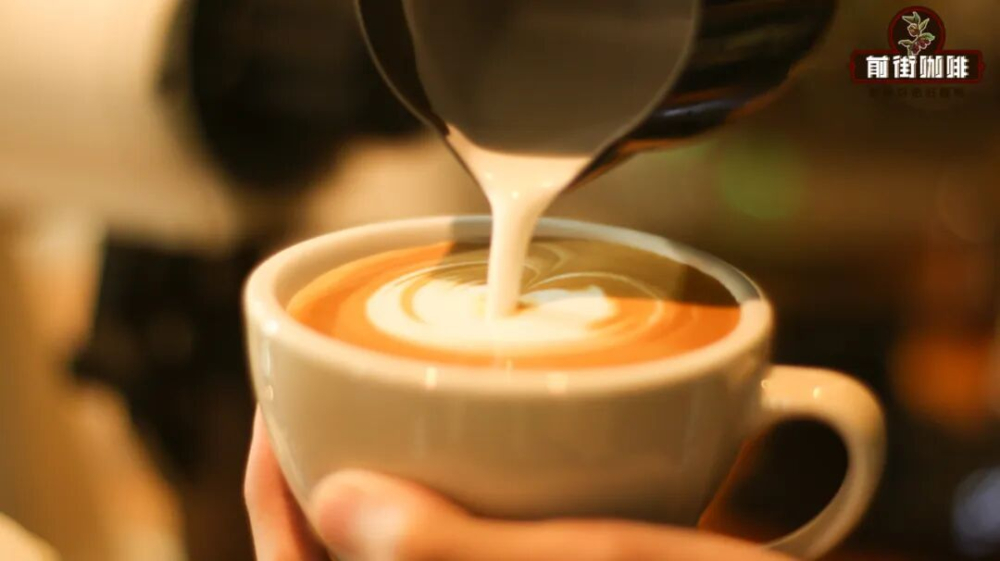
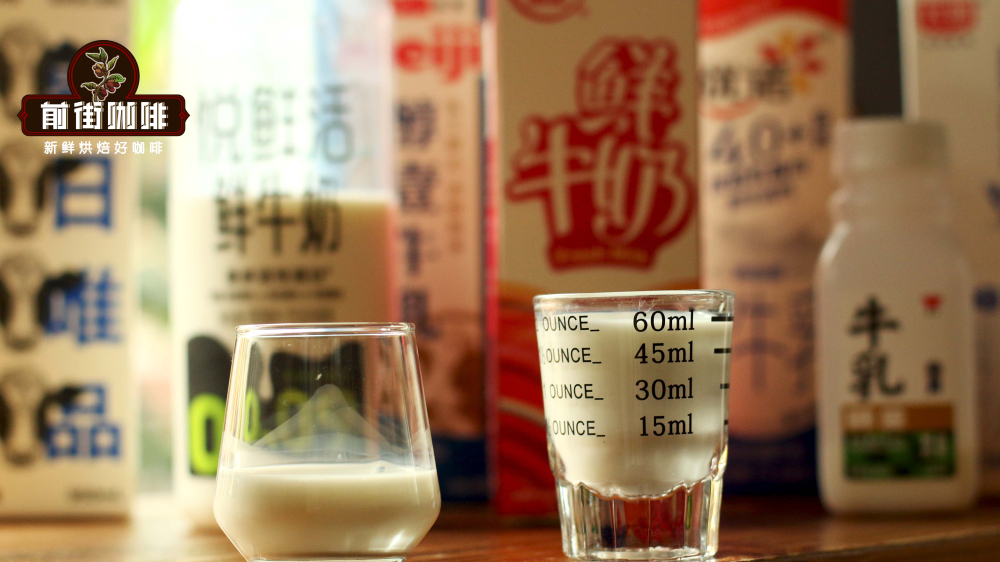
To create clear and layered latte art patterns, mastering the flow characteristics and stability of milk foam is essential. Behind every barista’s smooth latte pouring movements at the counter lies countless repetitions of basic training. If each practice session uses freshly extracted espresso and freshly steamed milk, besides incurring costs, unused drinks are often discarded — a real pity. To address this, many creative coffee lovers have developed various consumable-saving practice modes, effectively reducing material waste and financial input. Next, we’ll introduce practical training methods commonly used in coffee shops, covering suggestions for choosing espresso blends for latte art, milk foam-making techniques in environments without coffee machines, and detailed explanations of low-cost practice solutions using dark soy sauce with dish soap, as well as recycling espresso and milk — so you can steadily improve your latte art skills even at home.
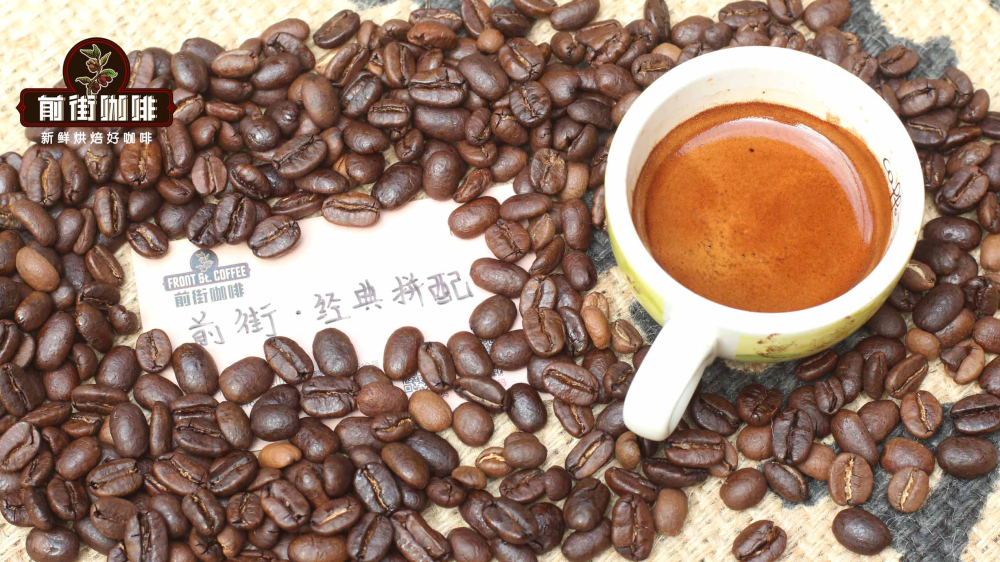
When selecting coffee beans suitable for latte art, crema content and extraction stability are key indicators. The presentation of high-quality latte art relies not only on milk quality, but also closely relates to the characteristics of the espresso. Coffee shops typically prioritize blends with rich crema and balanced flavor when performing latte art. Take the “classic blend” as an example: this recipe combines Brazilian, Mandheling, and a small amount of Robusta varieties, roasted to a medium-dark level. During extraction, it releases distinct aromas of butter, toasted bread, and caramel cookies. Not only does it offer a rich and layered flavor profile with a full-bodied taste, but it also produces fine and stable crema — providing an ideal foundation for latte art. Thanks to its stable extraction performance, this blend has become the top choice for many beginners starting out with home brewing.
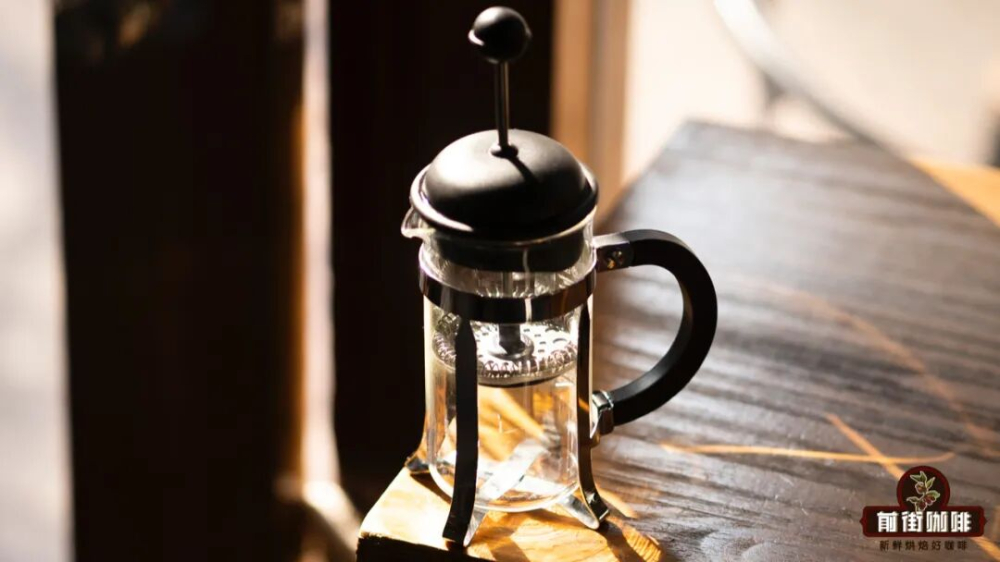
Does the lack of a professional coffee machine mean you can’t practice latte art? The answer is no. Many home setups use moka pots or capsule coffee machines to brew coffee. While these devices lack steam wands for frothing and thus can’t produce fine milk foam, you can still experience the joy of latte art through alternatives. As long as you have a French press or electric frother, you can break through equipment limitations and begin your latte art practice journey.
For complete beginners with no latte art experience, the dark soy sauce and dish soap simulation practice method is recommended. Although these two materials may seem unrelated to coffee, their actual performance is surprisingly practical. Dark soy sauce plays the role of espresso here, while dish soap simulates the foamy properties of milk. The advantage of this combination is its low cost — each material can be purchased in large quantities for around ten yuan, making it suitable for long-term practice. Here’s the specific process: first, pour a small amount of dark soy sauce into the practice cup, just enough to cover the bottom. Assuming a standard 240 ml latte cup, about 10 ml of dark soy sauce is recommended. Then, add 220 ml of room temperature water to the pouring pitcher, and squeeze in one pump of dish soap (if not available in a pump bottle, simply pour about 5 ml directly). Once prepared, you can start making simulated milk foam. If using a coffee machine for frothing, follow the regular milk foam preparation process; if using a French press, rapidly pump up and down, adjusting the speed to produce different fluidities, eventually forming a dense “milk foam.” After frothing, it’s recommended to gently shake the pouring pitcher to evenly distribute the foam, then you can begin practicing basic latte art movements.
Special note: when using a coffee machine for frothing, if the water temperature is too high and causes the foam to become too fine or difficult to form, try replacing about one-third of the water with ice cubes. Lowering the temperature extends the frothing time, helping to form a more ideal foam structure. If using a French press, you can directly use room temperature water. However, this method has obvious limitations: the dark soy sauce and dish soap mixture can only be used once, and must be discarded after completing the pattern practice — it cannot be reused. Also, be sure to thoroughly clean cups, pouring pitchers, and nozzles after use to avoid residual flavors affecting subsequent practice.
Another more realistic practice method is to directly use real espresso and milk, and reduce material costs through recycling. Compared to the dark soy sauce and dish soap method, this approach offers a more authentic latte pouring feel, as the mixture of coffee and milk has higher flow resistance. Here’s the specific process: first, extract a shot of espresso in the usual way and froth an appropriate amount of milk foam. After completing a basic latte art pattern, although the coffee and milk have been mixed, there’s no need to discard them. Pour the mixture back into the pouring pitcher for storage. Then, in the practice cup, pour a small amount of coffee liquid (just enough to cover the bottom), and add a suitable amount of coffee grounds, shaking gently to darken the liquid — creating a visual contrast with the mixture in the pouring pitcher. This helps maintain the layering of the pattern and allows for multiple practice sessions. Practical tests show that a single shot of espresso and milk foam can be recycled for about five uses on average. When too much coffee powder accumulates in the mixture, causing the color contrast to become unclear, it’s recommended to replace with fresh materials. This method can be alternated with the dark soy sauce and dish soap practice. Beginners are advised to start with simulated practice to build basic muscle memory, and once familiar with the fundamentals, transition to the espresso and milk recycling method for a more realistic experience.
The above content is compiled by CoffeeHunters, a coffee news website.


