







Introduction:Gain an in-depth understanding of Guatemala, a renowned coffee origin country famed for its smoky aromas and bright fruit acidity. This article provides a comprehensive analysis of the unique flavor profiles from its eight major regions, classification system, and processing methods. It focuses on two well-known regions—Antigua and Huehuetenango—comparing their flavor characteristics and ideal brewing methods, along with professional roasting and pour-over parameters to help you select and brew with precision.
Guatemala is a significant player on the global specialty coffee map, celebrated for its distinctive smoky finish and clear fruit acidity layers, often affectionately referred to by coffee enthusiasts as "cigarette coffee." The country’s coffee cultivation history dates back to 1747, when local farmers had already mastered coffee growing techniques. The establishment of the Coffee Promotion Committee in 1845 further solidified coffee as a key economic crop. With strong government support, coffee exports accounted for up to 90% by 1880, although this led to the loss of indigenous lands. Today, major coffee-producing areas remain concentrated in the southern highlands.
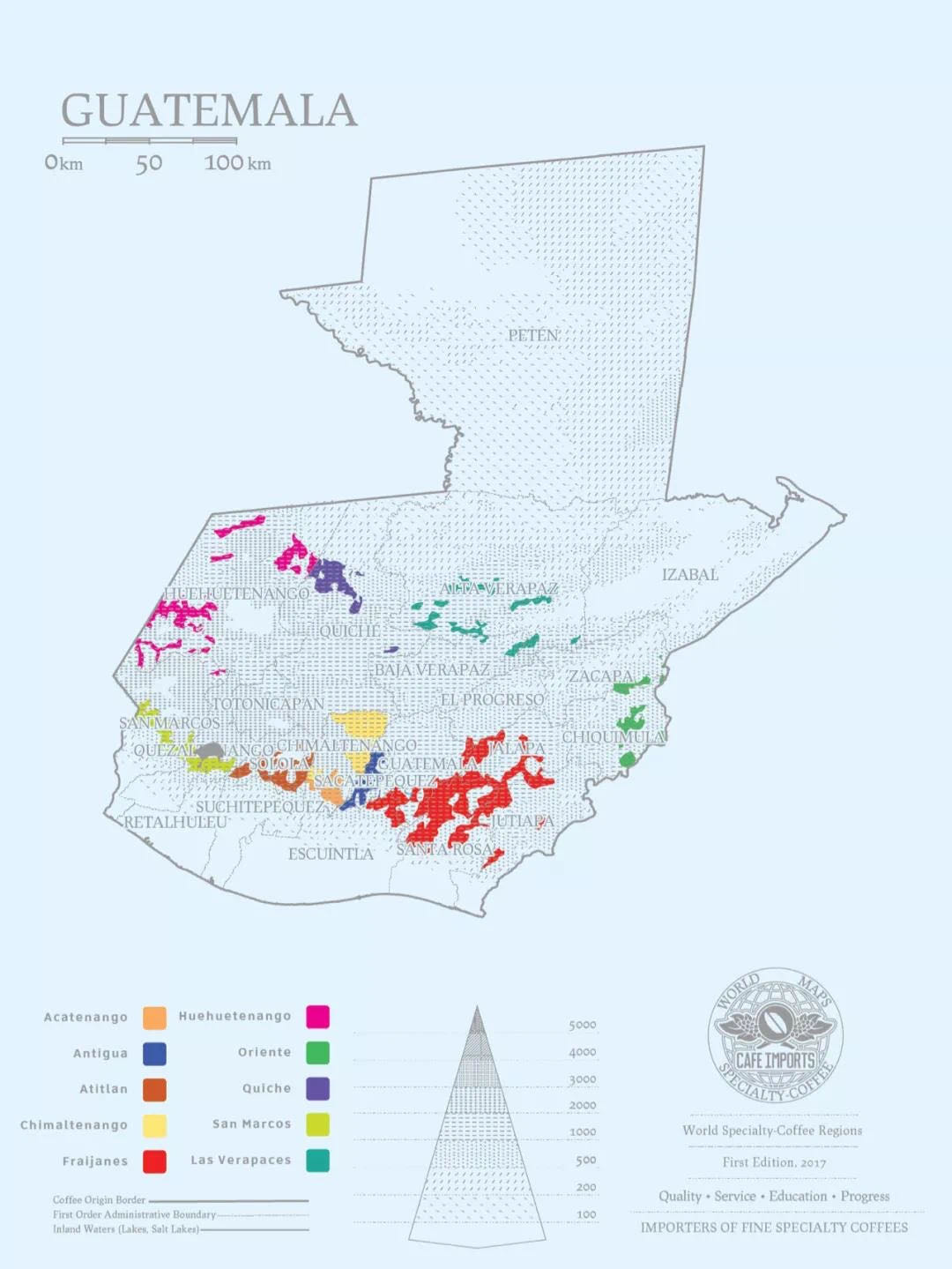
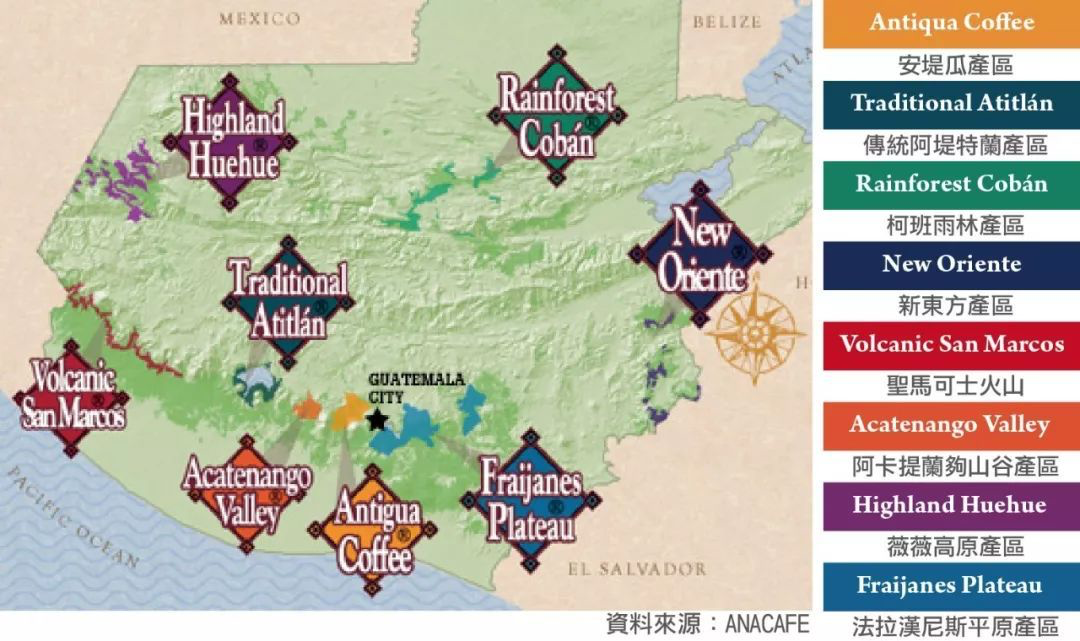
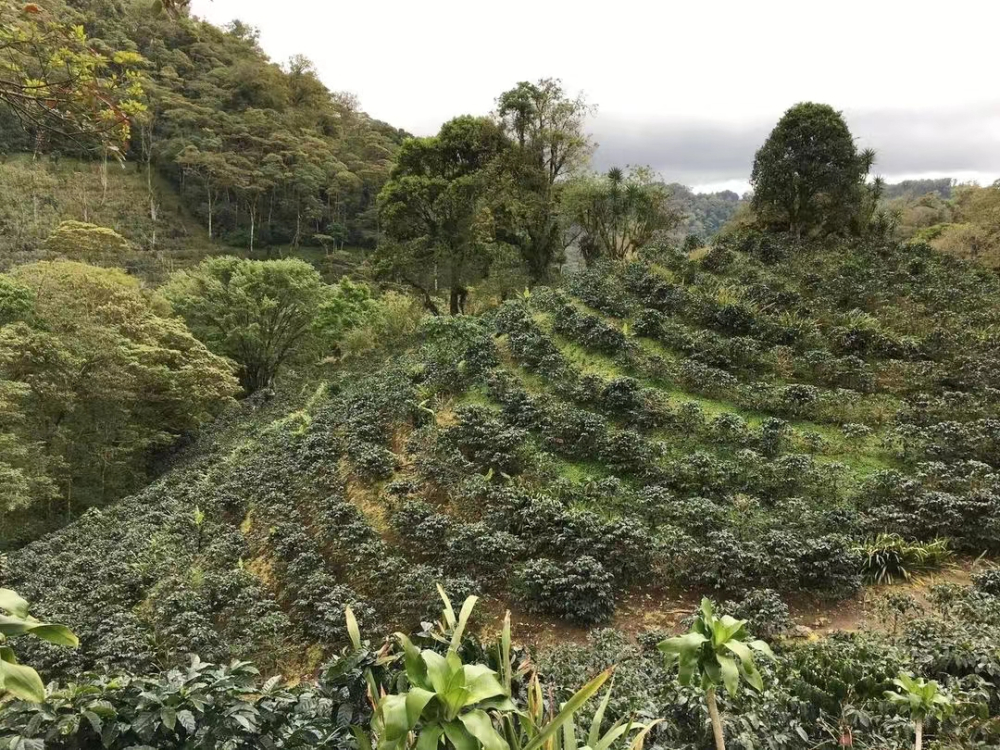
Guatemala is divided into eight coffee-growing regions, each developing distinct flavor personalities due to differences in altitude, microclimate, and soil conditions. Over 40% of the country’s coffee is classified as specialty grade, and nearly all is processed using the washed method, showcasing a high degree of quality consistency. These regions are mostly located at elevations between 1,200 and 2,000 meters above sea level, featuring significant day-night temperature variations and volcanic soils rich in minerals, providing an ideal environment for coffee trees.
The Antigua region, located in the former capital area, is one of Guatemala’s most iconic coffee zones. Volcanic soils here nurture Bourbon varieties that often exhibit rich caramel and spice notes, with bright acidity and a structured body. In contrast, the Huehuetenango region has an even higher average altitude, ranging between 1,500 and 2,000 meters. Its dry hot winds and varied terrain create unique berry and citrus flavors, often accompanied by delicate floral notes and nutty aftertastes. Though both regions lie in high-altitude areas, their differing microclimates lead to distinctly different flavor directions.
In-depth analysis of the eight regional characteristics: Antigua is known for its volcanic soils, with altitudes between 1,500–1,700 meters, emphasizing a balanced acidity and sweetness; the Acatenango Valley features a wide altitude range (1,300–2,900 meters), where large day-night temperature differences produce delicate fruit acidity; the Cobán rainforest region, shrouded in clouds year-round, has limestone-rich soils that impart chocolate and tropical fruit flavors; the San Marcos volcanic region experiences unstable rainfall, requiring precise control over the drying process; the Atitlán Lake region combines fertile soils with high altitudes (1,500–1,750 meters) to yield rich and full-bodied coffees; the Huehuetenango Plateau, influenced by Mexican hot winds, grows distinctive beans at elevations up to 2,000 meters with bright acidity; the Fraijanes Plateau’s pumice soils add unique aromas; and the Nuevo Oriente region blends chocolate and spice notes.
Guatemala’s coffee-growing conditions are exceptionally favorable. Bordered by Mexico to the north and the Pacific Ocean and Caribbean Sea to the south, the terrain includes tropical rainforests, highlands, and volcanic zones. The climate is divided into wet and dry seasons: the rainy season runs from May to October, while the dry season spans November to April of the following year. The central highland areas at 1,300–1,800 meters maintain stable temperatures between 18–28°C year-round. Annual precipitation varies from 2,000–3,000 mm in the northeast to 500–1,000 mm in the south. High-altitude regions (between 14–16°N latitude) are particularly suitable for cultivating strictly hard beans, all of which are processed using the washed method, with 45% achieving specialty grade.
Coffee bean grading is strictly based on altitude and hardness: SHB (Strictly Hard Bean) must grow at 1,500–1,700 meters; HB (Hard Bean) at 1,350–1,500 meters; SH (Semi-Hard Bean) at 1,200–1,350 meters; Extra Prime (Premium Washed) at 1,000–1,200 meters; Prime (High-Quality Washed) at 850–1,000 meters; Good Washed (Standard Washed) at 700–850 meters. The higher the altitude, the greater the bean density, resulting in more abundant and layered flavors during extraction.
The predominant processing method is washed, with only a few using natural (sun-dried) processing. Washed processing highlights the region’s native flavor characteristics through the following steps: selecting ripe cherries → removing pulp and flesh → fermenting to remove mucilage (approximately 16–36 hours, producing organic acids such as citric acid) → rinsing with clean water → sun-drying or mechanically drying to reach 12% moisture content. Natural processing first removes floaters, then sun-dries whole cherries to 10–12% moisture content before hulling. These two methods respectively enhance cleanliness and fermentation aromas; washed processing is ideal for showcasing delicate acidity, while natural processing adds sweetness and complexity.
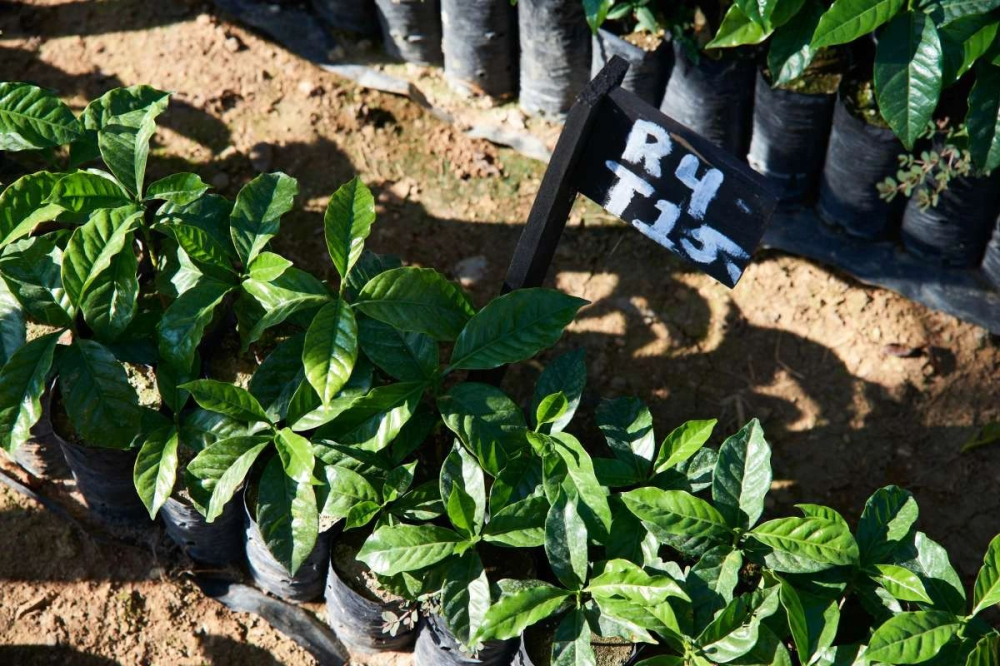
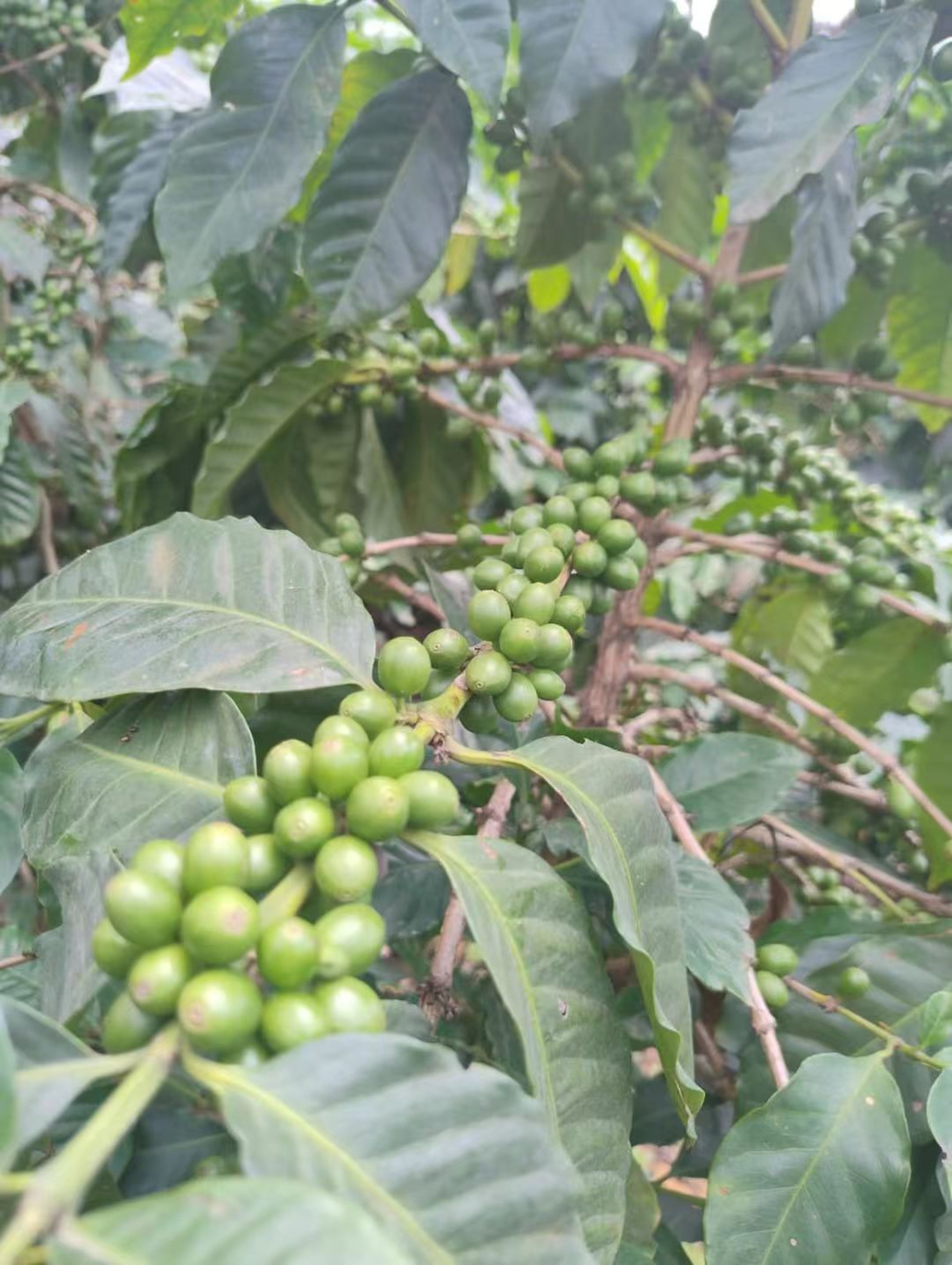
The main cultivated varieties include Bourbon, Typica, Caturra, and Catuaí. Bourbon beans turn wine-red when ripe; high-altitude planting imparts wine-like aromas and bright acidity. Typica is a traditional specialty variety with low yields but excellent flavor, though susceptible to rust disease. Caturra, derived from a Bourbon mutation, has a shorter tree structure but weaker disease resistance and higher yields. Catuaí is a hybrid of Caturra and a New World variety, combining disaster resistance with good acidity, and comes in both red and yellow fruit types. Each variety has distinct traits, and factors such as planting altitude and processing method further influence the final flavor profile.
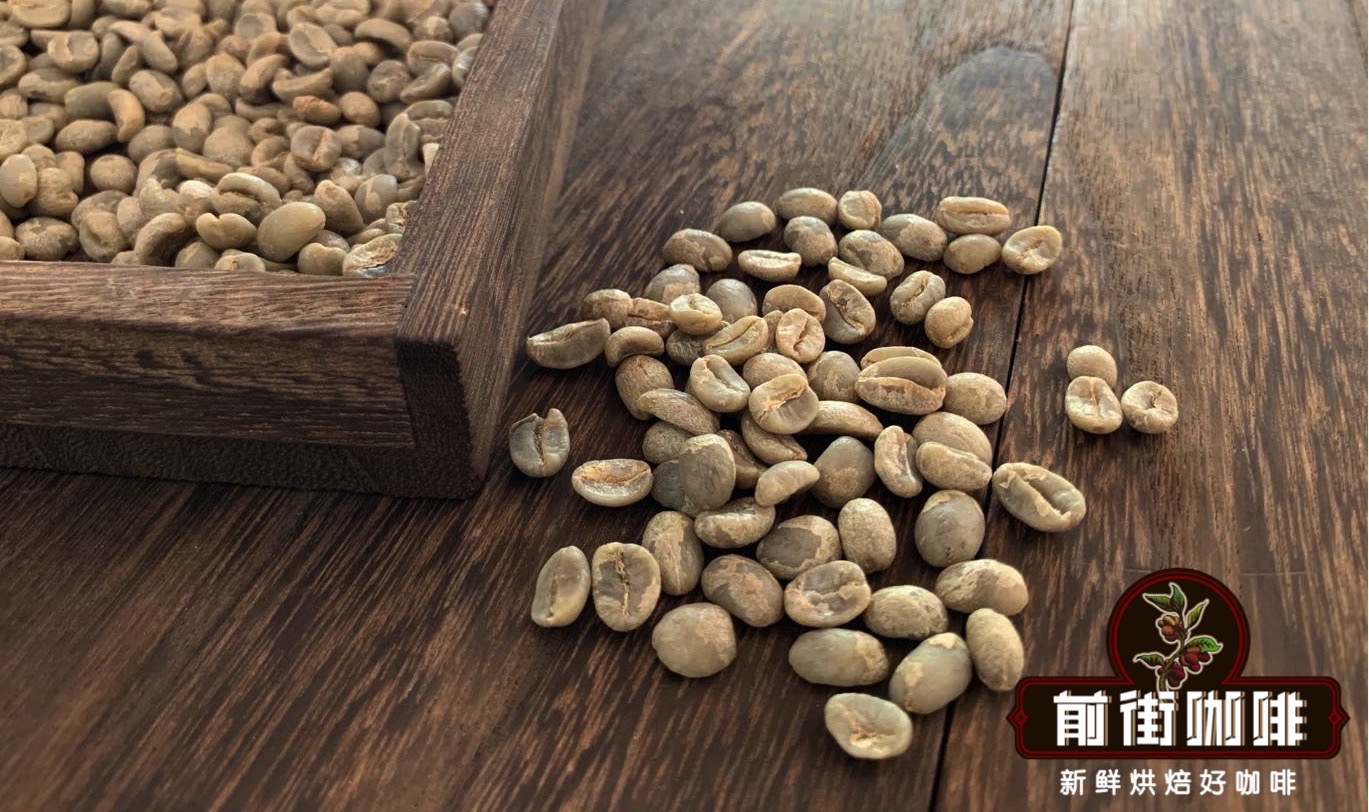
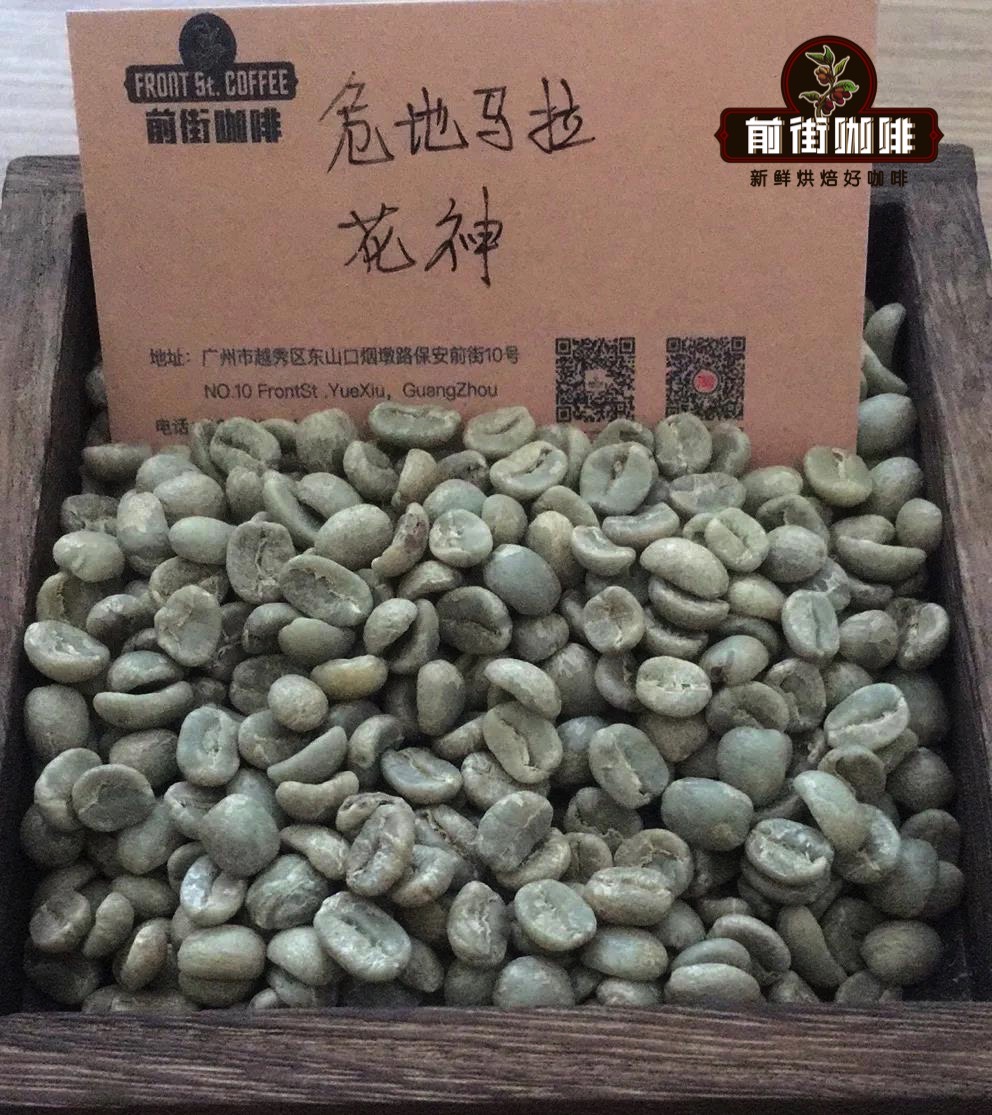
For actual tasting, we recommend two representative beans: the Huehuetenango everyday drinker blend uses a mix of Bourbon, Caturra, and Catuaí, and after washed processing, offers notes of nuts, lemon peel, berries, and citrus. It suits medium roasting to highlight fruit acidity and aroma. The Antigua Fleur de Café bean mainly consists of Bourbon and Caturra varieties, with washed processing bringing out berry, citrus, light floral, and soft fruit acidity, finishing with a chocolate aftertaste. Both beans showcase typical Guatemalan coffee traits, but microclimate differences give each a unique flavor outline.
Brewing reference for Antigua Fleur de Café beans: Medium roast is recommended to maintain a balance between acidity and aroma. Roasting curve is for the Yangjia 600g semi-direct-fire roaster: drum entry temperature 200°C, damper 3 → 160°C → at 4’50” adjust to 140°C → damper 4 → at 8’32” before first crack adjust to 80°C → damper 5 → drop at 195.3°C. Pour-over recommendation: Use a V60 dripper, 15g coffee, 1:15 coffee-to-water ratio, water temperature 90°C, grind size EK43s setting 10. Step extraction: 30g bloom for 30 seconds → 125g pour → continue pouring to 225g and stop, total extraction time about 2 minutes. Flavor profile: floral, citrus acidity, caramel, and mild smokiness.
The above content is compiled by CoffeeHunters, a coffee news website.


