







Category: Coffee Knowledge
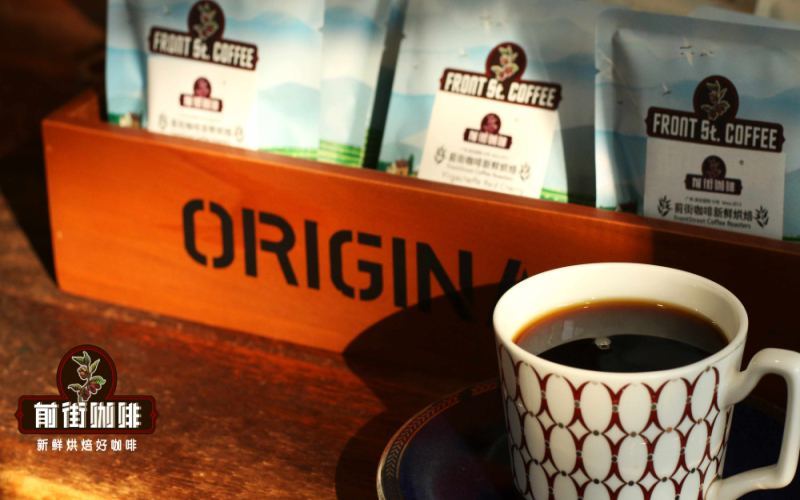
2026 Must-Buy Bagged Coffee Bean Recommendations: 8 Flavor Profiles + Full Guide to Storage Tips
Want to brew professional-grade coffee at home? Choosing the right beans and storage method is key. This article selects top-performing bagged coffee bean brands in the 2026 market, with an in-depth look at 8 best-selling single-origin offerings from one brand — ranging from espresso blends to naturally processed Yirgacheffe, covering everything from rich chocolate notes to bright fruity and floral profiles. It also includes expert-level storage advice to help readers avoid oxidation pitfalls and extend the beans’ optimal flavor window. [more…]
Ethiopia Yirgacheffe Chelba Qilba G1 Natural Process Bean: Flavor Profile & Origin Guide
Want to explore the charm of Ethiopia Yirgacheffe Chelba Qilba G1 Natural Process beans? These G1 specialty beans from the Gedeo region showcase intense fruity aromas and rich body through the natural processing method. This article delves into the origin’s unique characteristics, growing environment, and provides a detailed flavor profile along with recommended brewing methods to help you discover your perfect coffee experience. [more…]
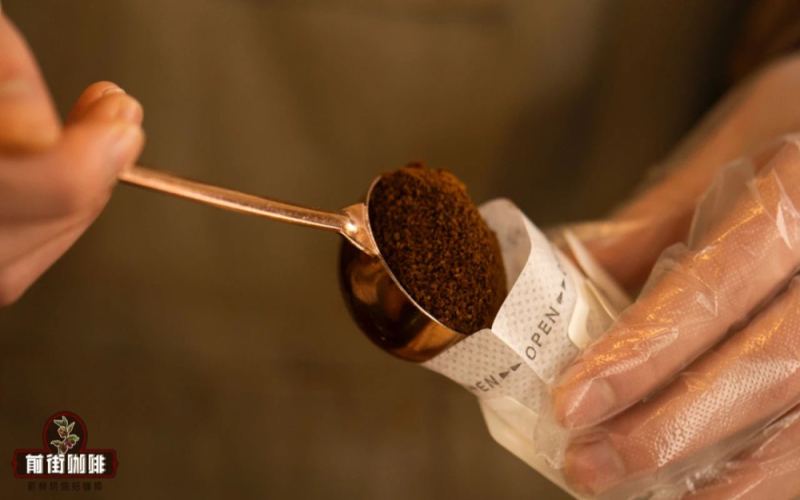
How to Choose Jamaican Blue Mountain No. 1 Coffee Drip Bags? Flavor Analysis & Proper Brewing Techniques
Want to understand the true flavor characteristics of Jamaican Blue Mountain No. 1 coffee and how it’s presented in drip bag form? This article provides an in-depth analysis of the pricing logic and regional grading system of Blue Mountain No. 1 drip bags. It also guides you through mastering the correct brewing methods and key parameters — from water temperature and coffee-to-water ratio to water flow control — step by step explaining how to brew a cup of coffee that comes close to the true Blue Mountain flavor. Additionally, it compares the differences between drip bags and pour over brewing to help you make a smarter choice. [more…]
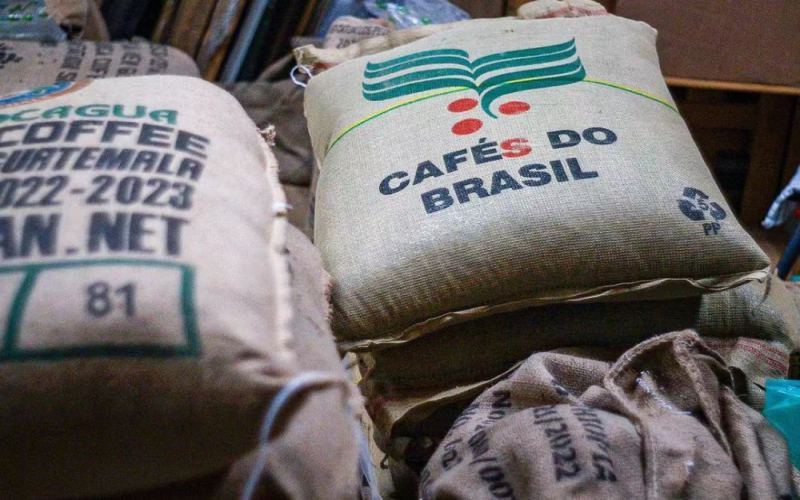
Complete Guide to Brazilian Coffee Regions: Flavor Profile of Red Bourbon and Pour Over Parameter Recommendations
As the world’s largest coffee-producing country, Brazil is renowned for its Arabica beans, which are celebrated for their stable production capacity and diverse flavor profiles. This article delves into the geographical characteristics and bean variety performance of major Brazilian regions such as Cerrado and Minas Gerais, with a focus on the unique flavor profile of the Red Bourbon variety. It also provides practical pour over parameter suggestions and an analysis of Brazil’s official coffee grading standards, helping you comprehensively grasp the essence of Brazilian coffee—from regional traceability to brewing practice. [more…]
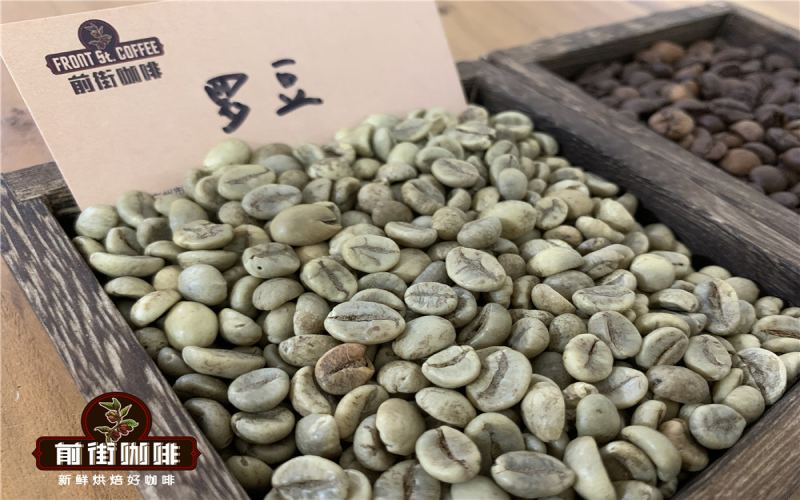
A Comprehensive Guide to Robusta Coffee Beans: From Misconceptions to Their Role in Espresso Blends
Robusta coffee beans are often regarded as lower-grade, but they actually play an indispensable role in the coffee industry. This article delves into the origins of Robusta, its characteristics, how it differs from Arabica, and its crucial position in espresso blends. By understanding its high caffeine content, strong disease resistance, and how proper roasting and blending can bring out its unique flavors, we aim to help coffee enthusiasts rediscover this undervalued bean variety. [more…]
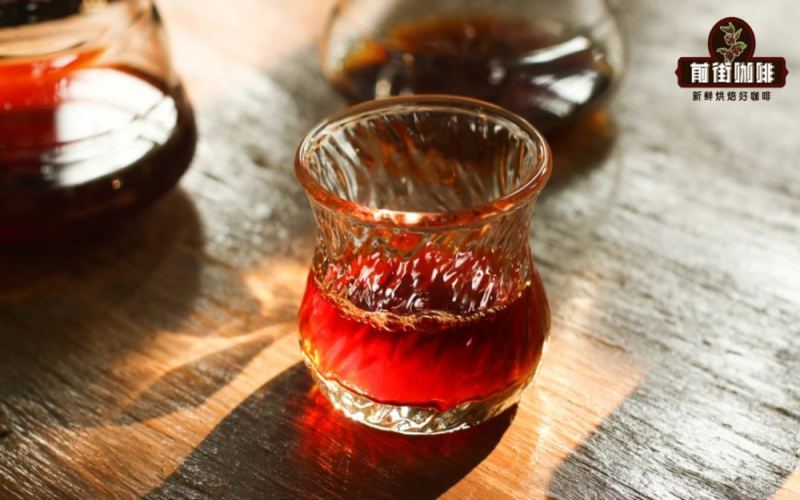
Beginner’s Guide to Pour Over Coffee: A Complete Breakdown from Equipment Selection to Three-Stage Pouring Techniques
Want to easily brew a cup of pour over coffee with rich and balanced flavors at home but don’t know where to start? This article systematically introduces the key points for selecting essential pour over equipment, methods for judging fresh coffee beans, recommended grind size ranges, water quality suggestions, and a detailed walkthrough of the three-stage pouring process. Using a washed Panamanian Geisha from Boquete as an example, it explains the full process of blooming, pouring, and dripping, helping beginners quickly master the core skills of pour over brewing. [more…]

Complete Guide to Making Flat White: Espresso Ratio, Milk Foam Thickness & Temperature Control Tips
Flat White is renowned for its intense coffee aroma and delicate milk foam. But what’s the difference between it and a latte? This article delves into the origins of the Flat White, the golden ratio of espresso to milk, the ideal thickness and temperature for steaming milk, and compares the suitability of whole milk, low-fat milk, and skim milk. With professional-grade parameters and practical tips, help you master the key techniques of this classic Italian-style milk coffee, whether you’re enjoying it at a café or making it at home. [more…]
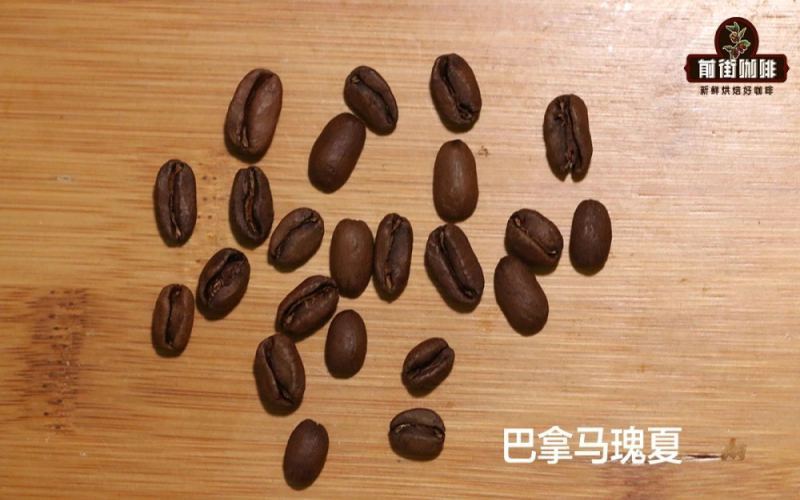
Panama Geisha vs. Bolivia Java: A Guide to the Flavors and Varieties of Sun-Dried Coffee Beans
Geisha and Java, two uniquely flavored coffee beans — one renowned for its floral and fruity notes, the other often regarded as a distant relative of Geisha. This article takes you deep into the similarities and differences between these two sun-dried coffee beans, covering their varietal origins, processing methods, green bean appearance, roast profiles, as well as practical flavor comparisons in pour over brewing and cupping. Whether you’re just getting started or searching for new flavors, you’ll gain useful insights for selecting beans and brewing. [more…]

Ethiopian Limu G2 Coffee Beans: Sun-Dried Processing Method, Flavor Profile, and Pour Over Recommendations
Limu is a relatively niche yet highly promising coffee-growing region in Ethiopia, distinguished by unique flavor characteristics that set it apart from the renowned Yirgacheffe and Sidamo. This article delves into a representative bean from this region — the Limu Tianlai Natural Process Bean, which won third place in the AFCA African Fine Coffee Competition. It covers the regional environment, processing methods, G2 grade standards, flavor profile, and provides practical pour over parameters, making it ideal for enthusiasts looking to explore new flavors or expand their coffee horizons. [more…]
Ethiopia Guji Yirgacheffe Sala Estate G1 Washed Beans: Flavor Profile & Purchase Recommendations
Want to learn about the enzymatic washed G1 coffee beans from Sala Estate in Ethiopia’s Guji region? This high-altitude specialty coffee is renowned for its unique floral and fruity notes along with a rich body. This article provides a detailed introduction to its origin background, processing method features, flavor profile, and market reference price to help you make a smarter choice of coffee beans suitable for pour over or other brewing methods. [more…]
Analysis of the Flavor Profile of Cold Drip Coffee & Beginner’s Guide: Single-Origin Bean Selection & Low-Temperature Brewing Techniques
Want to understand the unique charm and brewing secrets of cold drip coffee? This article delves into the extraction principles of cold drip coffee, compares it with hot brewing, and details key parameters such as coffee-to-water ratio, grind size, and drip rate. It also recommends single-origin beans suitable for low-temperature extraction and practical blending solutions, guiding you to master the skills needed to brew rich and smooth cold drip coffee at home. [more…]
Yunnan Typica Cultivation Background & Pour Over Techniques: From Variety Evolution to Optimal Extraction Parameters
Did you know that Yunnan once primarily cultivated Typica, which was later replaced by Catimor? This article delves into the evolution of coffee varieties in Yunnan, analyzes the pros and cons of Catimor, and highlights why the industry continues to grow Typica in Baoshan. In addition to sharing market dynamics from 2021, it also provides the roasting curve for washed Typica and a V60 pour over recipe to help you fully showcase this bean’s nutty, chocolatey, and gently acidic flavor profile. [more…]
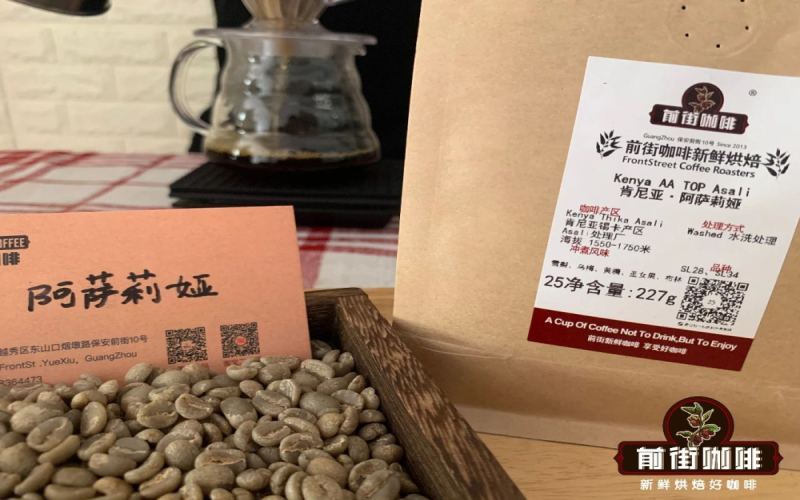
What’s the difference between Kenya AA and AB beans? A complete guide to pour over parameters and flavor profiles
Kenyan coffee is renowned for its bright acidity and rich fruity aromas, with the AA and AB grades being two of the most common specialty-grade options on the market. This article delves into the official grading standards of Kenyan coffee, exploring the differences between AA and AB in terms of green bean size, processing methods, and roast impact. It also provides tested pour over and cold brew parameters to help you extract vibrant acidity and juicy flavor notes—offering practical guidance for both beginners and advanced enthusiasts. [more…]
What is the relationship between Mandheling and Arabica? A complete analysis of the flavor and quality of Golden Mandheling
Did you know that Mandheling is actually a member of the Arabica family? This article takes an in-depth look at the three main Arabica varieties, introduces the origin background and wet-hulling processing method of Mandheling, and analyzes the variety classification, authenticity identification, and flavor profile of Golden Mandheling, helping you understand why it can still exhibit richly layered aromas and tastes even under dark roasting. [more…]
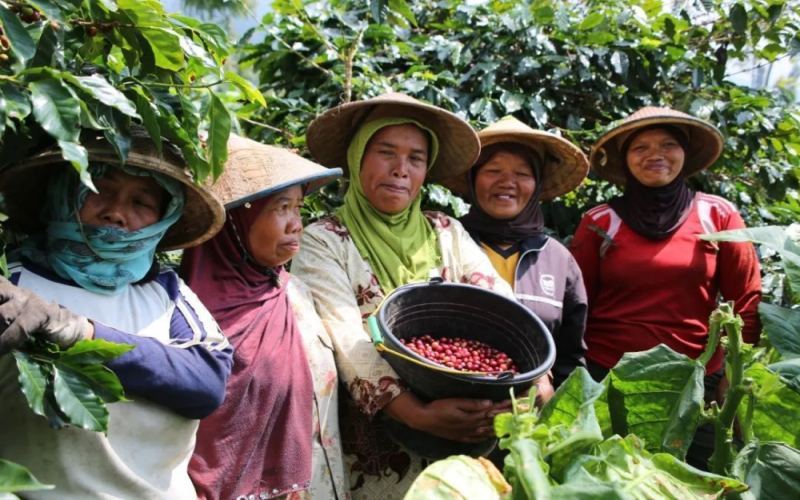
Complete Guide to Indonesian Sumatra Mandheling Coffee: Regions, Wet-Hulling Process, and Pour Over Parameters
Want to dive deep into the richly flavored and low-acid Indonesian Mandheling coffee? This article starts with the geography and climate of the producing regions, detailing the unique characteristics of Sumatra’s four renowned regions—Lake Toba, Lake Tawar, Lintong, and Gayo Mountains in Aceh—and thoroughly analyzes the “wet-hulling process,” the key technique that shapes Mandheling’s distinctive flavor. It also offers expert pour over recommendations and real-life examples from well-known roasters to help you grasp the full knowledge map from green beans to the cup. [more…]
Costa Rica Carrizal Musician Series Bach: Raisin Honey Process & Sake Aroma Pour Over Guide
This Costa Rican single origin comes from the Carrizal Estate’s Musician Series Bach, grown at an altitude of 1950 meters in the Tarrazú region. Processed using the raisin honey method with the Caturra variety, it boasts a distinctive sake fermentation aroma. The cup reveals tropical fruits and berry acidity, with a caramel and floral finish. This guide delves into the region’s characteristics, processing details, and varietal traits, while offering expert roast and pour over parameters to help you fully appreciate the layered flavors of this high-altitude honey-processed coffee. [more…]
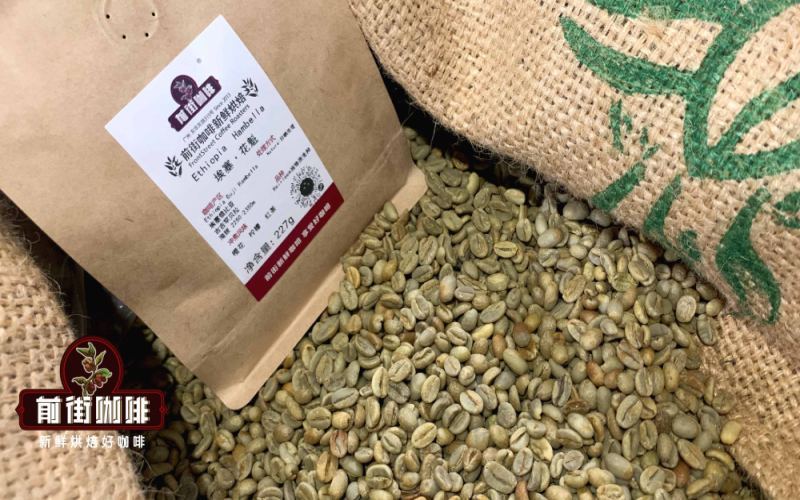
In-depth Tasting of Ethiopian Yirgacheffe Coffee: Exploring the 74158 Variety and Natural Process Flavors from Hamasho Village
Yirgacheffe is a renowned high-altitude specialty coffee region in southern Ethiopia, known for its diverse microclimates and indigenous coffee varieties. This article delves into the natural-processed 74158 variety coffee produced by the Hamasho washing station in Yirgacheffe, exploring everything from the terroir and processing methods to the actual flavor characteristics. It aims to help readers fully understand this uniquely flavored, versatile specialty coffee bean suitable for various brewing methods, as well as gain insight into the advantages of the variety and details of its processing. [more…]
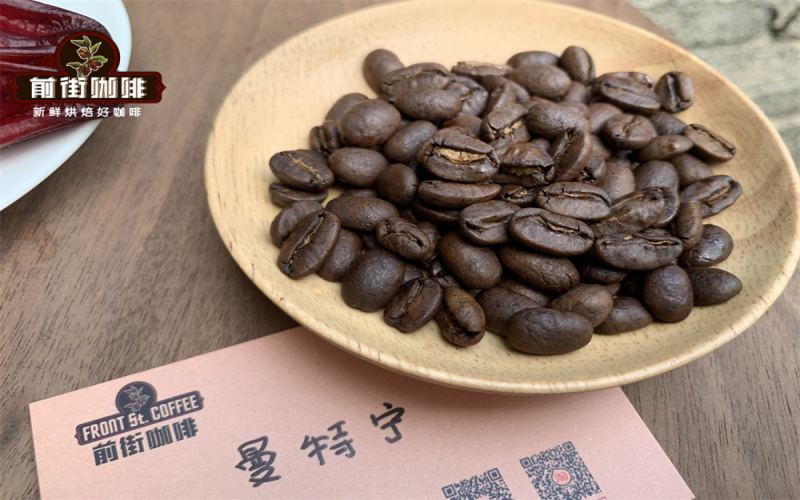
An In-depth Look at Indonesian Mandheling Coffee Beans | Sumatra Origins & Golden Mandheling Flavor Guide
Mandheling coffee is beloved by coffee enthusiasts for its rich and full-bodied taste, but is “Mandheling” a place of origin or a coffee variety? This article delves into this common misconception, traces back to the fascinating story originating from the WWII era, and focuses on Indonesia’s Sumatra region. It introduces the bean characteristics of Mandheling, its classic flavor profile, as well as the stringent selection process and best brewing recommendations for the premium Golden Mandheling, helping readers gain a more comprehensive understanding of this classic coffee bean. [more…]
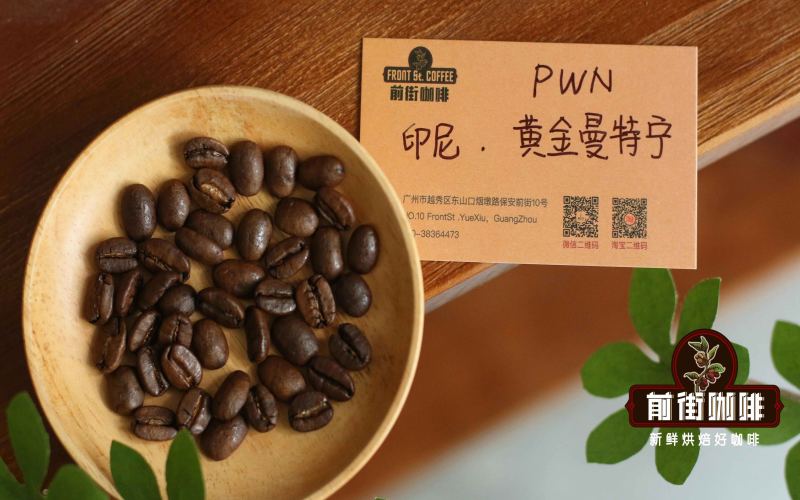
Golden Mandheling Pour Over Guide: Sumatran Bean Varieties, Wet-Hulled Processing & Optimal Extraction Parameters
An in-depth exploration of the variety origins of Sumatran Mandheling, PWN Golden Mandheling certification, and the characteristics of the Aceh growing region. Learn about the differences between the Ateng variety and Typica, as well as how the wet-hulled method shapes its unique flavor profile. Includes professional pour over recommendations with practical parameters such as the Kono dripper, 88°C water temperature, and a 1:15 coffee-to-water ratio to help you master the brewing essentials of this classic dark roast bean. [more…]
Luckin collaborates with WBC Champion Hideyuki Izaki to reveal how an Asian barista is shaping a national coffee brand
From being seen as a bitter beverage to becoming part of everyday life, China’s coffee culture is evolving rapidly. Hideyuki Izaki, Japan’s first Asian champion of the World Barista Championship (WBC), has joined forces with Luckin through a deep collaboration, driven by his passion and expertise in coffee, to help shape a national coffee brand for China. This article delves into Izaki’s journey in coffee, the behind-the-scenes of his partnership with Luckin, and his perspective on the shifting trends in China’s coffee consumption. [more…]