







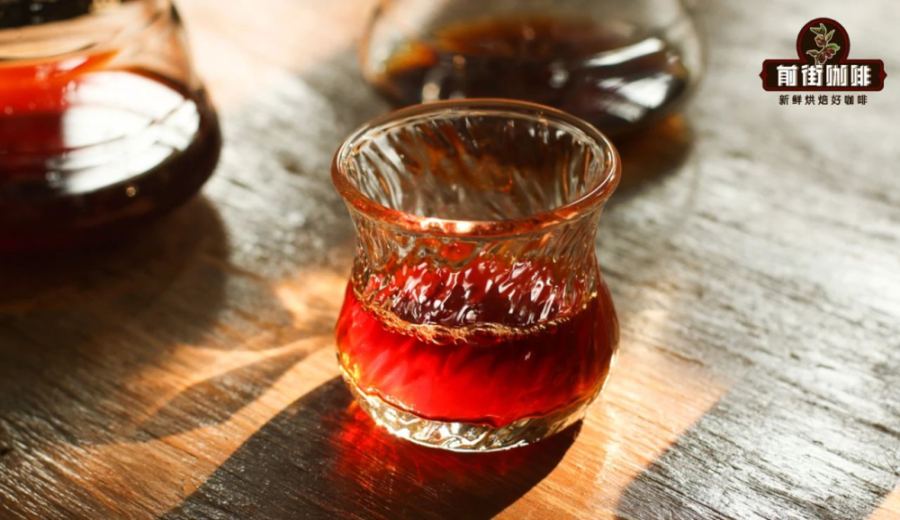
Introduction:Want to explore the charm of specialty coffee but worried it's too complicated? Drip bags are your best entry-level choice. This article takes Yirgacheffe from Ethiopia’s renowned coffee-growing region as an example, delving into the craft behind its washed processing and medium-light roast — exploring the origins of its bright fruity acidity and delicate floral notes. We also provide a detailed drip bag brewing guide, covering water temperature control, pouring ratios, and common issues, so you can easily enjoy stable, pour over–quality coffee at home.
Thanks to their simple operation, drip bags have successfully allowed many busy coffee lovers to easily enjoy the layers of specialty coffee. If you’re looking for an easy-to-start product with distinctive flavors, Ethiopian Yirgacheffe is a great choice. These medium-light roasted, washed-process beans not only feature vibrant fruit acidity and elegant floral notes, but also become perfect for daily drinking in drip bag form — no complicated equipment needed.
Today, the drip bag format has become a bridge for many people to experience pour over-style flavors. Compared to traditional pour over, it eliminates the tedious steps of weighing, distributing, and blooming the grounds — just hang the filter bag on your cup and pour hot water to enjoy a cup of coffee with clear flavor. Especially for beginners, this simplified yet quality-retaining method greatly lowers the barrier to experiencing specialty coffee.
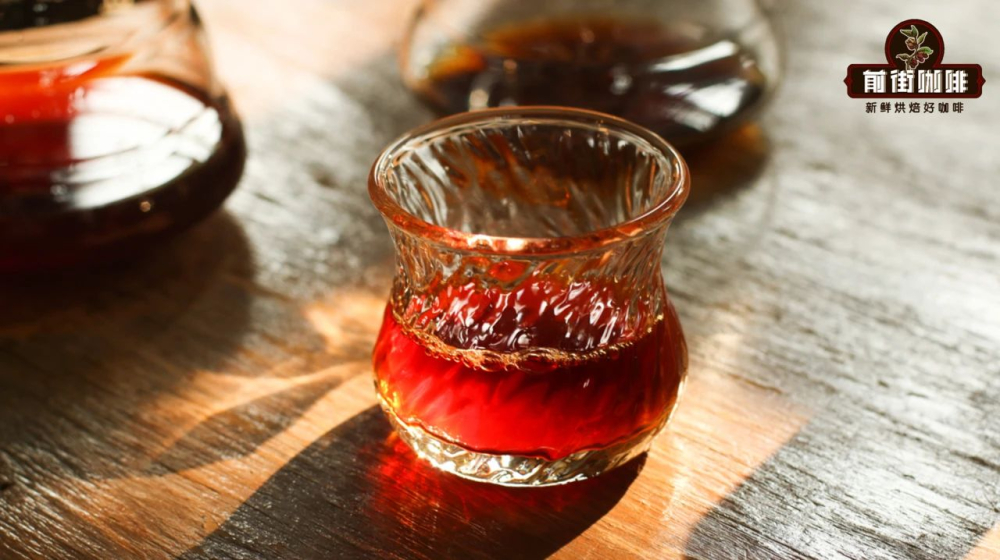
Among the many coffee-growing regions and processing methods, Ethiopia has long been regarded as one of the birthplaces of coffee. Its diverse microclimates and high-altitude environment nurture many uniquely flavored beans. Yirgacheffe is a classic representative — through the washed process, the fruit pulp and some impurities are removed, resulting in cleaner coffee that better showcases the origin’s inherent characteristics. The subsequent medium-light roast consciously preserves more acidity and delicate aromas, rather than simply pursuing intense caramel or chocolate notes.
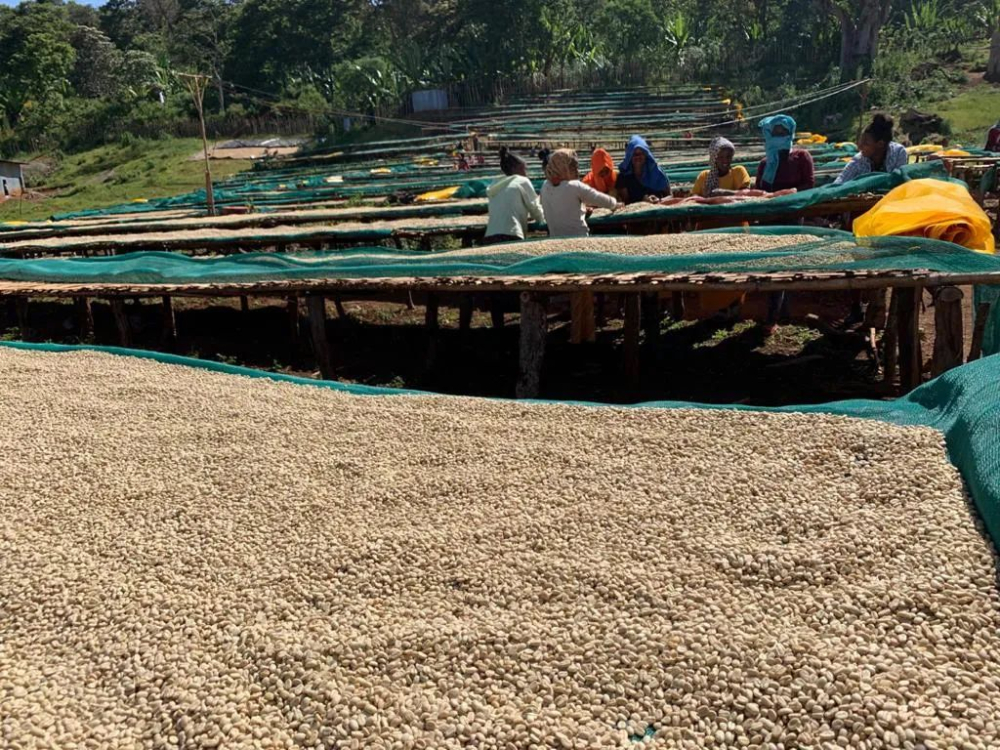
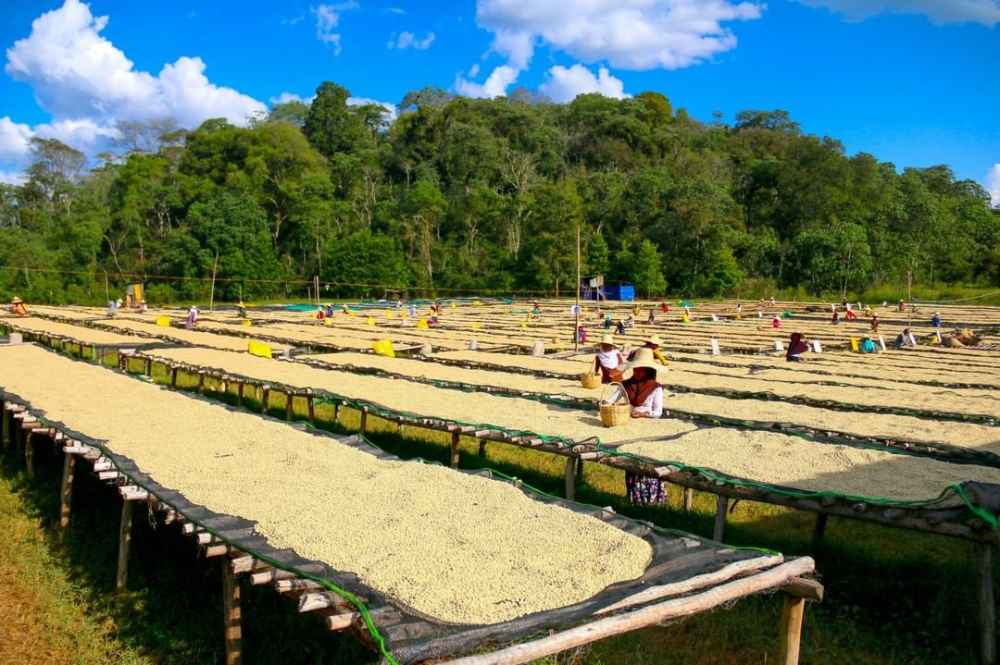
The washed processing can be roughly divided into several stages: First, harvested coffee cherries undergo floatation to remove overripe or underripe defective beans; then, machinery is used to strip away the outer skin and pulp; next, the beans — still coated with some mucilage — are placed in water for about 24 hours of fermentation, a step that helps further remove residual sticky substances; after fermentation, the beans are thoroughly washed and then sun-dried until the moisture content drops to around 12%, before the final removal of the parchment layer to complete the entire process.
This rigorous washed process results in Yirgacheffe’s purer flavor expression — not only with fewer impurities and higher cleanliness, but also highlighting bright acidity and delicate floral-fruit aromas. When processed with a medium-light roast, the final flavor often carries notes of citrus, blueberries, and other fruits, alongside elegant white flowers or jasmine, and even a hint of caramel sweetness and soft green tea aftertaste upon brewing — layered and with a long finish.
To fully appreciate the potential of this drip bag coffee, proper brewing is crucial. The tools required are extremely simple: just prepare a short-rimmed cup, about 90°C hot water, and the drip bag. If you want to be more precise with proportions, an electronic scale can also be used. First, open the drip bag packaging by easily tearing along the “open” mark, then spread out the two side handles and securely hang them on the rim of the cup. It’s recommended to avoid using cups with too wide a mouth, as the drip bag may not sit properly, affecting filtration.
For water temperature, it’s recommended to keep it around 90°C. This temperature helps extract the coffee’s aromatic compounds and acidity appropriately, without extracting too much bitterness due to excessive heat. If you don’t have a thermometer, letting boiled water sit for about 2 minutes will generally bring it to the ideal range. Next, pour a small amount of hot water just enough to cover the coffee grounds, and let it bloom for 20 to 45 seconds — this step awakens the grounds and releases more aroma.
When it comes to actual pouring, based on each drip bag containing about 10g of coffee, a 1:15 coffee-to-water ratio is recommended — that is, about 150ml of hot water. Of course, this ratio can be adjusted to taste: those who prefer a stronger brew can reduce the water, while those wanting a lighter flavor can add a bit more. As for pouring technique, there’s no need to be overly rigid — gently pouring in a circular motion with a fine stream to reach the target volume is sufficient. Simplicity is one of the great features of drip bags, and you can still achieve good extraction without complicated multiple pours.
In summary, Yirgacheffe — as a classic Ethiopian washed medium-light roast coffee — not only has a refreshing flavor and rich layers, but also becomes a top choice for many coffee newcomers and everyday drinkers thanks to its consistent quality. With the right brewing parameters and simple drip bag tools, you can also easily recreate a pour over–level coffee experience at home, enjoying every sip full of fruity and floral delights.
The above content is compiled by CoffeeHunters, a coffee news website.


