







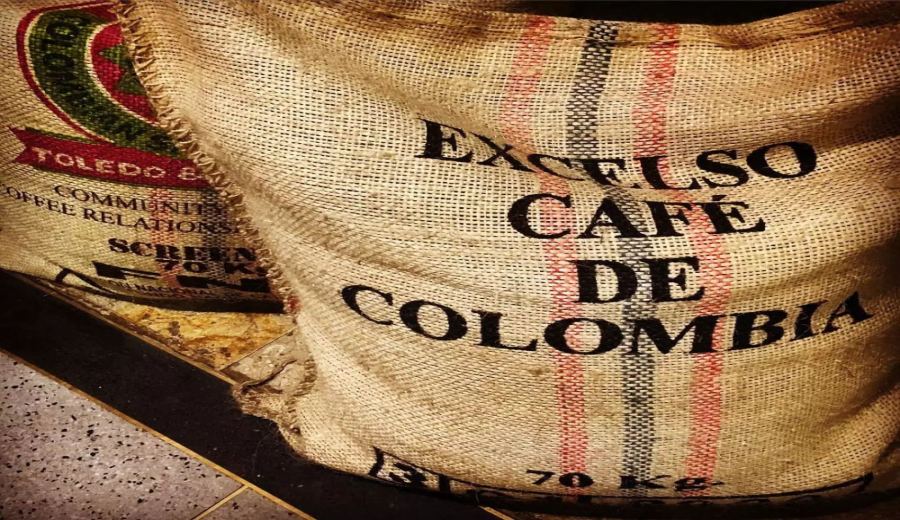
Introduction:Colombian coffee is renowned for its stable quality and diverse micro-regions. From Huila to Nariño, each area presents a unique flavor profile. This article delves into the geographic conditions, historical background, and processing characteristics of Colombia’s major coffee-producing regions, analyzing the key factors that influence flavor. It also provides practical pour over parameters for washed Huila beans—including grind size, water temperature, filter choice, and a three-stage pouring method—to help you accurately reproduce the classic Central and South American flavor profile.
As an important exporter of specialty coffee in South America, Colombia has secured its place in the global coffee market thanks to the Andes Mountains that run across the country and its diverse microclimates. Since the establishment of the Colombian Coffee Growers Federation (FNC) in 1927, the country has been committed to improving coffee quality and farmers’ incomes, creating well-known regions such as Huila, Cauca, Nariño, and Santander. Each area, differing in altitude, soil, and processing methods, produces beans with distinct flavors.
Colombians have a deep emotional connection to coffee, not only consuming it frequently in daily life but also with most street cafés serving freshly brewed coffee rather than instant products. This dietary culture reflects the country’s comprehensive coffee industry chain and commitment to quality. To truly understand Colombian coffee, one must start with its most representative regions and explore their terroir and cultivation history.
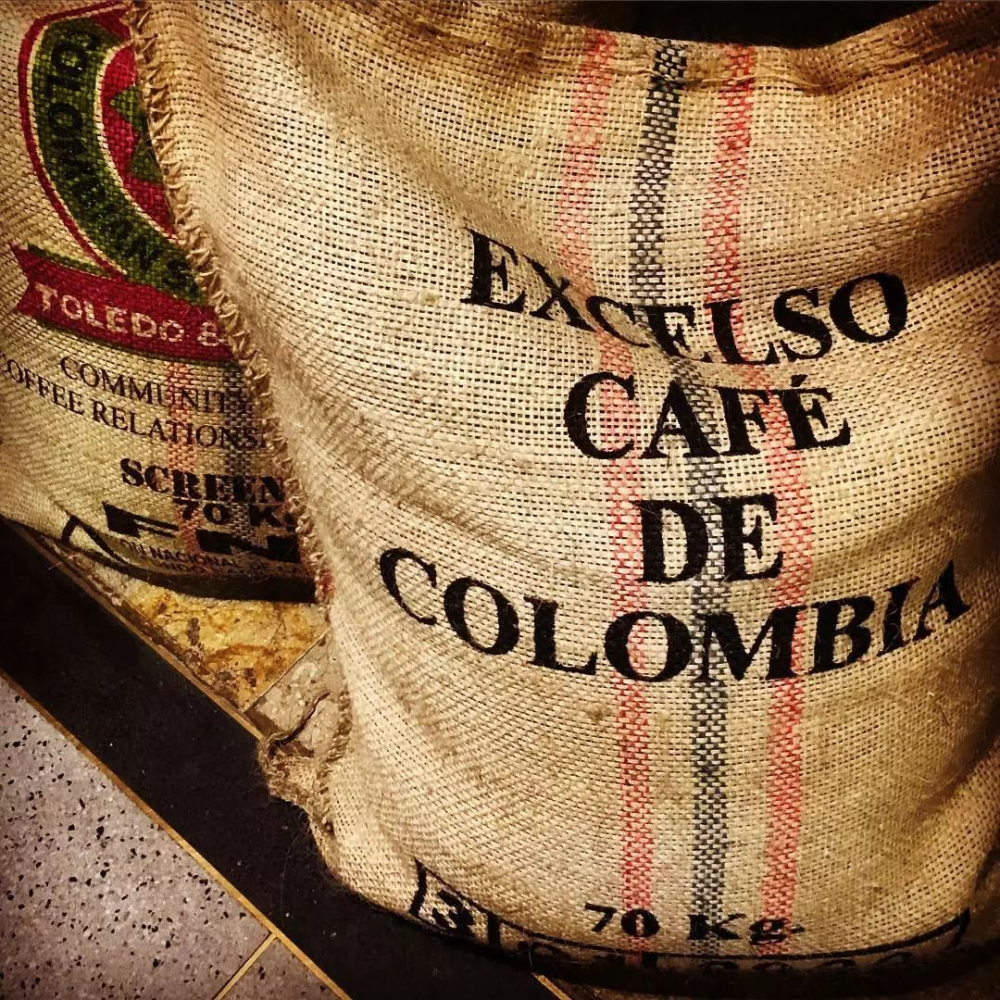
The Colombian Coffee Growers Federation (FNC), established in 1927, is the country’s largest official organization of coffee producers and a major promoter of green bean exports. In addition to providing technical guidance and market information, the FNC actively markets the image of Colombian coffee. One of its most iconic representations is the character “Juan Valdez,” accompanied by his loyal mule and set against the backdrop of the Andes, successfully shaping the image of a friendly and reliable coffee farmer and becoming a global symbol of quality assurance.
Colombia’s coffee-growing regions are primarily located in the western part of the country, extending from south to north along the Andes Mountains. Based on altitude and microclimate, they can be divided into three major zones: northern, central, and southern. The southern regions, with their generally higher altitudes, are often regarded as the main source of specialty coffee. Overall, Colombian coffee is grown at altitudes between 1,000 and 2,500 meters, with an average annual temperature of about 18°C. Coupled with abundant rainfall and complex terrain, this creates numerous microenvironments ideal for coffee tree growth, enabling year-round harvests and distinct flavor profiles across regions.
The Huila region, located in southwestern Colombia, is a rising star among specialty coffee hubs and accounts for approximately 12% of the country’s production. With elevations mostly between 1,500 and 1,800 meters, rich water sources, and varied microclimates, coffee here is mostly produced by smallholders in micro-lots. Differences in processing methods and microclimates make each batch of beans unique in flavor. Washed Huila coffee best showcases the foundational profile of Colombian beans, often featuring notes of nuts, dark chocolate, and caramel, with a soft and layered acidity—making it an excellent choice for entry-level daily drinkers.
The Cauca region is known for its high-altitude terrain, with some areas exceeding 2,100 meters. The significant day-night temperature variation, combined with nutrient-rich volcanic soil, extends the coffee bean growth cycle, aiding the accumulation of flavor compounds. Cauca coffee excels in balanced acidity and sweetness, with a fresh mouthfeel often accompanied by bright citrus notes and a wine-like aftertaste—an unmissable region for those who enjoy vibrant acidity.

Nariño is situated in the high-altitude areas of the Andes Mountains, with coffee planted mostly between 1,600 and 2,300 meters. Shrouded in mist, blessed with fertile volcanic soil, and blessed with a unique microclimate, Nariño produces coffee with delicate acidity and a rich mouthfeel. Nariño beans typically exhibit complex floral and fruity aromas with a long finish, making them an advanced choice for those seeking a high-quality coffee experience.
Santander is a historically significant coffee region in Colombia. Though less renowned than other areas, it boasts stable production and unique flavors. With elevations around 1,400 to 1,600 meters and a relatively dry climate, coffee trees here are often planted in forested environments, where natural shade extends fruit ripening. Santander beans are predominantly Typica variety, offering a rich, rounded flavor with chocolate and nut notes—ideal for consumers who prefer a bold, full-bodied taste.
For home brewing of high-quality Colombian coffee, washed Huila beans are recommended as a practice target. Commonly processed via washing, with varieties mostly being Caturra, medium to dark roasts highlight aroma profiles of nuts, dark chocolate, and caramel. Suitable for medium grind size (e.g., 75% passing through a #20 sieve), extraction is best done at 90°C water temperature. The KONO filter, with its unique rib design, extends contact time between water and coffee grounds, enhancing a rich mouthfeel.
In practice, a three-stage pouring method can be used: the first stage involves blooming with twice the coffee weight in water (about 30 grams) for 30 seconds; the second stage uses a slow pour to reach 125 grams, then after the coffee bed settles, the third stage pours up to a total of 225 grams for a 1:15 brew ratio. The entire process takes about 2 minutes, steadily extracting aromas of chocolate, nuts, and caramel, with a smooth mouthfeel and a gentle acidity in the aftertaste—flavor layers become even more pronounced as the cup cools slightly.
The above content is compiled by CoffeeHunters, a coffee news website.


