







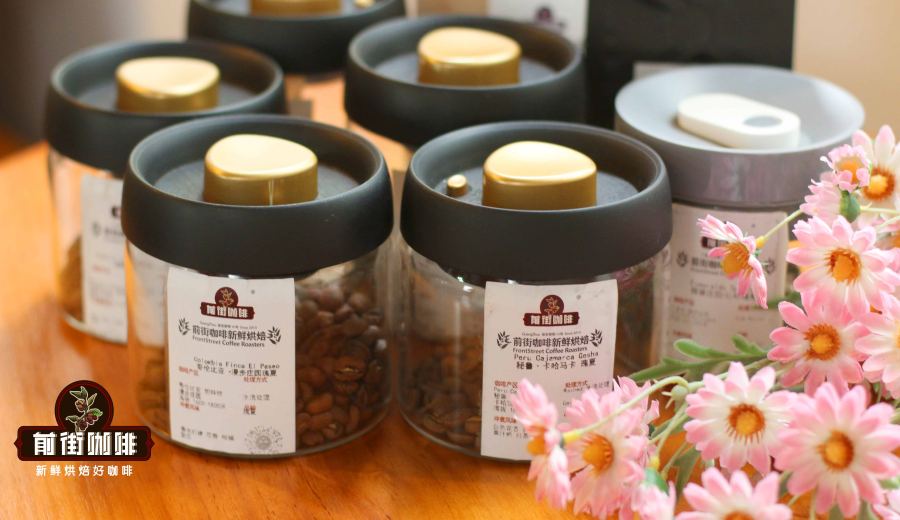
Introduction:Geisha coffee shot to fame in coffee competitions for its distinctive floral aroma and citrusy honeyed sweetness. When this highly popular coffee variety is used for espresso extraction, it becomes an SOE (Single Origin Espresso) that many coffee enthusiasts are eager to try. This article will delve into the concept of Geisha SOE, explore the reasons behind the scarcity of high-priced Green Label and Red Label Geishas, and provide practical Geisha SOE extraction parameters. It will also cover flavor profiles when paired with Americano and latte, and share more affordable single-origin alternatives so you can easily experience the captivating characteristics of Geisha.
Since its breakthrough at the Best of Panama (BOP) competition in 2004, Geisha (Geisha) coffee has rapidly gained popularity due to its intense floral and citrusy honeyed flavors, becoming a dream bean variety for coffee lovers worldwide. Many coffee fans not only enjoy Geisha through pour over or cold brew, but have also started using it as the base for espresso, extracting it as concentrated coffee. This type of espresso made from a single-origin bean is called SOE (Single Origin Espresso), or Geisha SOE.
Generally speaking, the most representative Geishas on the market include the Jade Red Label and Jade Green Label Geishas launched by a certain brand. Both beans come from Panama’s renowned Jade Estate and are among the finest examples of the Geisha variety. They not only faithfully present the most classic flavor profile of Geisha, but also symbolize the high standard of Panamanian specialty coffee. However, due to the scarce production of the Geisha variety, stringent growing conditions, and its high profile, these top-tier Geishas often cost nearly ten times that of regular coffee beans, making them difficult to use as everyday drinking beans.
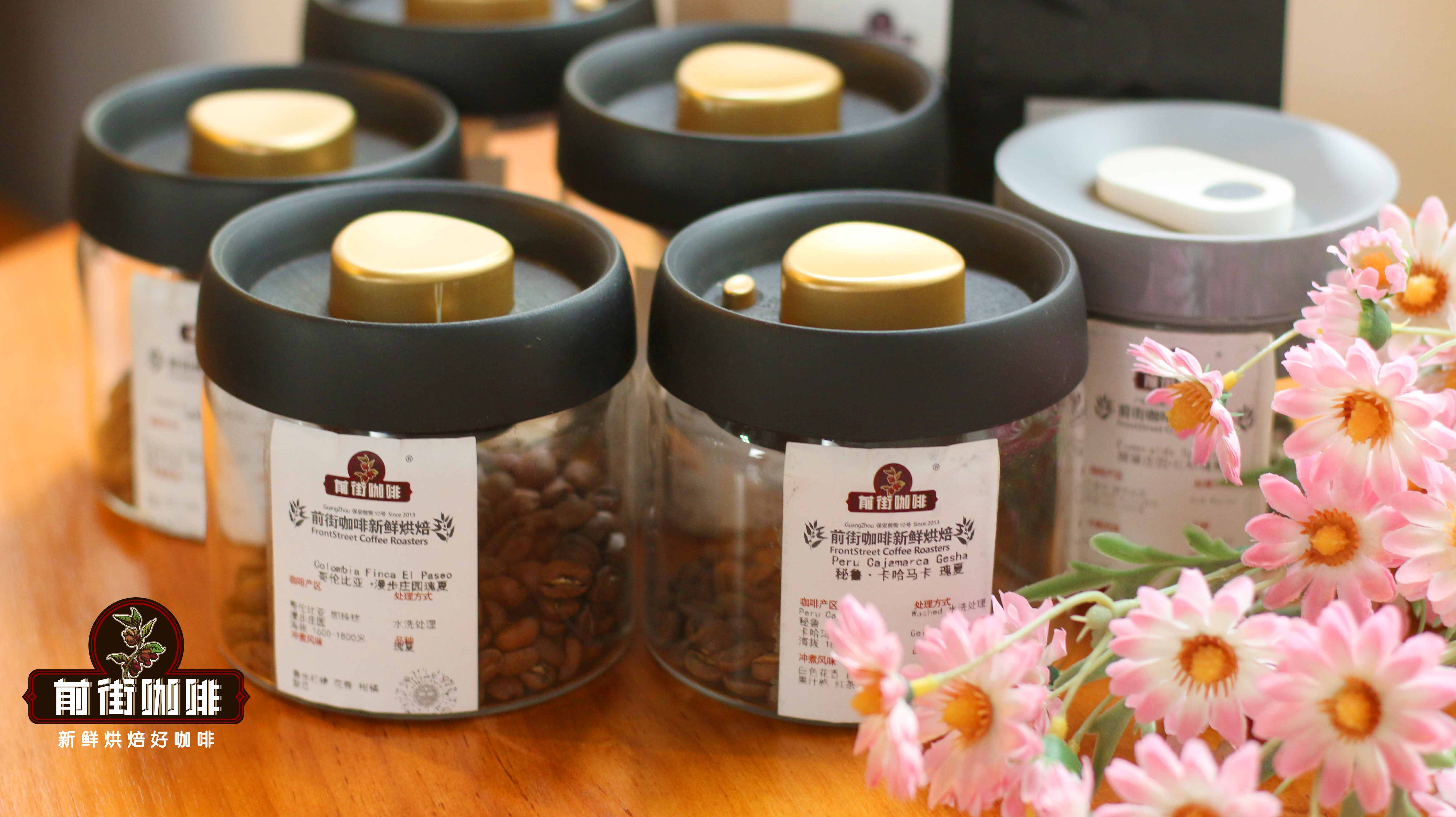
If you’re looking for a Geisha SOE with good cost-performance suitable for daily drinking, a certain brand’s Grana Estate Geisha SOE is a solid choice. This mid-to-high-end single-origin bean from Ethiopia is medium roasted, preserving the signature fruity and bright acidity of the Geisha family while offering the sweetness of ripe dried fruit and nuts—ideal for those who prefer balanced flavors.
In terms of green bean processing, Grana Estate Geisha is mostly processed via the natural (sun-dried) method. With medium-light roasting, the fruity notes are pronounced, often showcasing aromas of yellow peach, citrus, and guava, making it very suitable for pour over or cold brew. When switched to medium roasting, such as in a certain brand’s Geisha SOE version, the flavor shifts toward dried apricot, caramel, and nutty tones, making it better suited for espresso extraction.

Next, we’ll use Boquete Geisha as an example to demonstrate how to extract a well-balanced Geisha SOE espresso. First, extraction parameters need to be adjusted according to the desired flavor profile. The recommended recipe for this session is: 20g dose, 1:2 ratio (i.e., extracting 40g of coffee liquid), with extraction time controlled between 25–35 seconds. These parameters help balance acidity, sweetness, and body, making it suitable for subsequent preparation as an Americano or latte.
After extraction, you can create different drinks based on personal taste preferences. For example, adding 40g of Geisha SOE espresso to 180ml of hot water makes a Geisha SOE Americano. It has a refreshing taste with distinct acidity and sweetness, accompanied by subtle floral and citrus notes, though the overall body is slightly lighter, with a more pronounced tea-like feel—ideal for those who enjoy a clean and light cup.
If milk is added to make a Geisha SOE latte, the acidity becomes softer due to the milk’s buffering effect, sweetness increases, and the overall flavor becomes rounder. In this case, the foundational notes of white flowers and citrus can still be discerned, and even develop a caramel-cookie-like finish through the combination with milk. The texture is smooth with noticeable sweetness—perfect for milk coffee lovers.
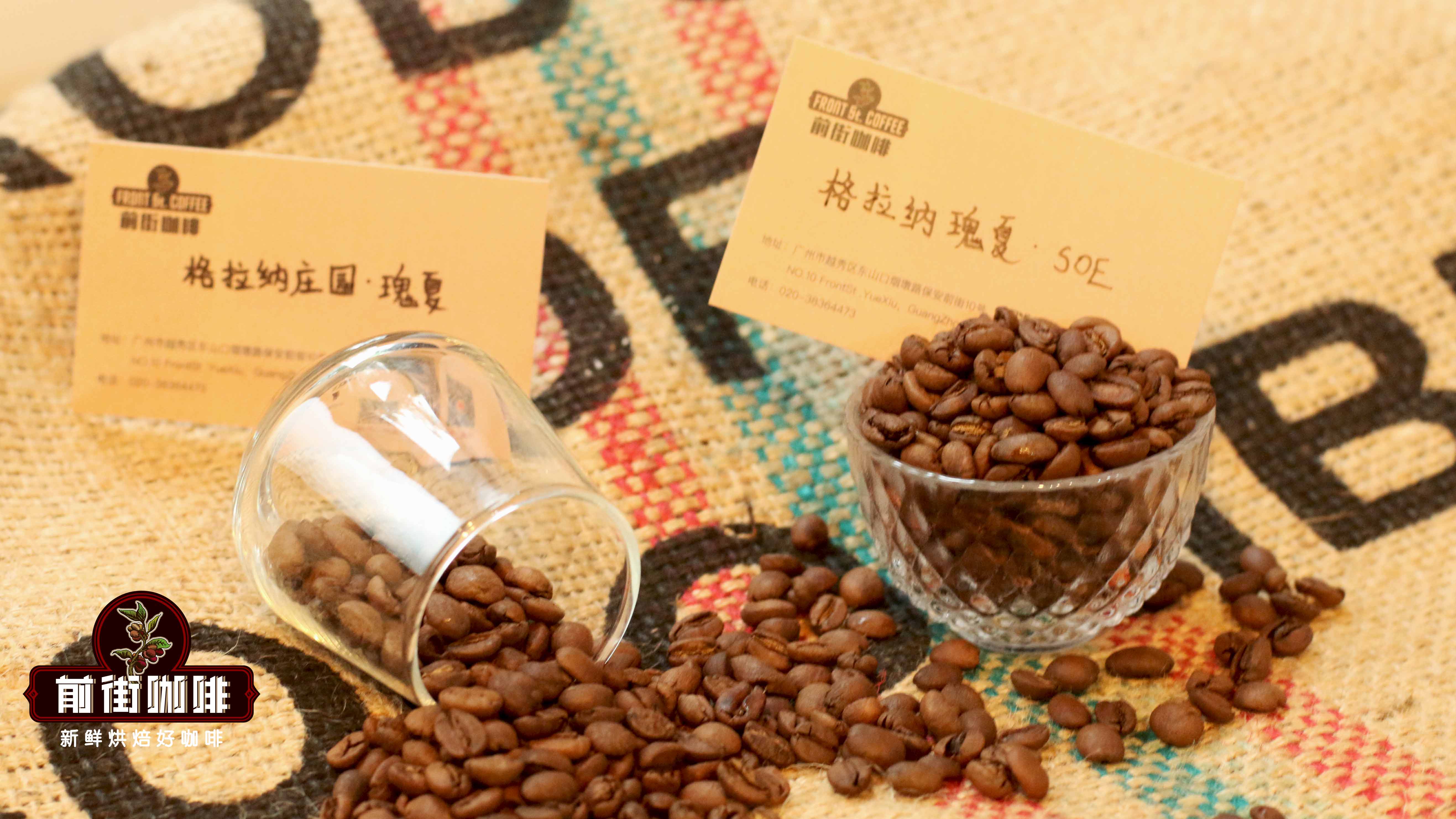
It’s worth mentioning that the Geisha variety performs quite differently depending on region, processing method, and roast level. If you want to experience the most classic Geisha flavors—such as white floral notes and citrusy honeyed sweetness—you might consider using a blend like Flower Dance. However, if you’re aiming for a closer taste to purebred Geisha, choosing a medium-roasted SOE like Boquete Geisha would be a more direct option.
For readers on a budget who still want to experience the flavor of Geisha, consider trying blends that contain some percentage of Geisha, such as Flower Dance or Strawberry Candy. These beans typically contain about 70% Geisha. While not purebred, they still deliver the signature aromas and sweet-sour characteristics of Geisha, making them very affordable alternatives—especially suitable for beginners or everyday drinking.

In summary, Geisha SOE is not only a new way to enjoy Geisha, but also an excellent starting point for exploring the diversity of espresso. Whether it’s the high-end Red Label or Green Label Geishas, the cost-effective Grana Estate Geisha SOE, or the more affordable alternatives found in blends, you can experience the unique charm of Geisha under various budgets and circumstances. By mastering the right extraction parameters and flavor pairings, you too can easily brew your own personalized Geisha coffee experience at home.
The above content is compiled by CoffeeHunters, a coffee news website.


