







Introduction:Kenyan coffee is renowned for its bright acidity and clean flavor profile, and its rigorous grading system is a key indicator of quality. This article delves into the eight grades of Kenyan coffee beans, with a special focus on the differences between AA and AA TOP, and provides a classic pour-over brewing guide for the iconic Kenyan "Little Tomato" beans—including detailed parameters for hot and iced brewing, three-phase pouring techniques, and flavor profiles to help coffee enthusiasts master selection and extraction tips.
With its distinctive bright acidity and clear layered structure, Kenyan coffee holds a prominent place in the global specialty coffee market. Its grading system is primarily based on green bean size, shape, and cupping performance, evaluated and classified by the official "Kenya Coffee Board" (CBK) and regularly auctioned through the Nairobi Coffee Exchange. Understanding this grading system helps consumers choose beans that meet their expectations and grasp the flavor potential across different grades.
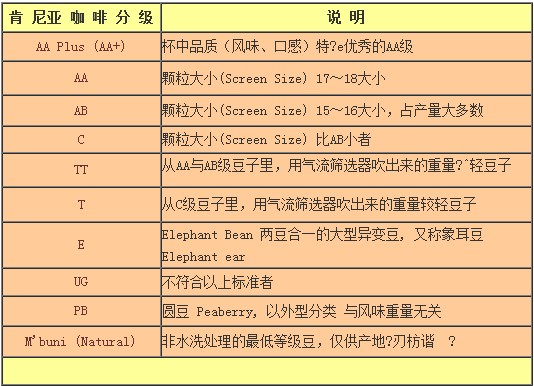
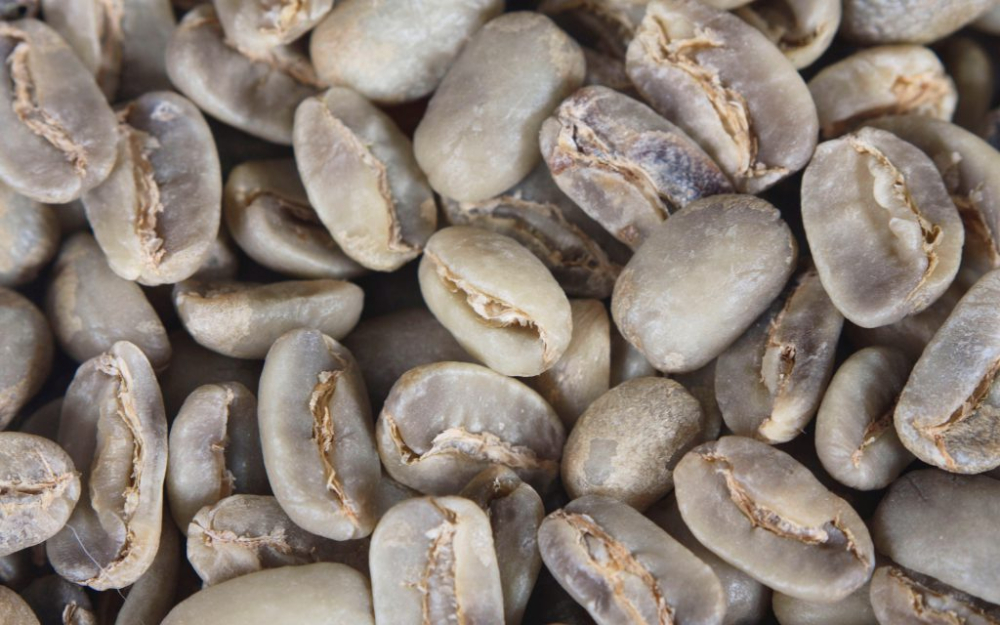
Kenyan coffee beans are divided into eight grades: E, PB, AA, AB, C, TT, T, and MH/ML. Among these, AA grade is the most common high-end grade on the market, typically sourced from plantations above 6,600 feet in altitude, with 17/18 screen size beans that are plump and dense, offering excellent extraction potential. AA TOP, meanwhile, represents the finest batches within the AA grade, meticulously selected by cuppers and often regarded as the crème de la crème of specialty coffee.
Grade E, also known as "elephant beans," are extremely large coffee beans that are rare in production. Their size far exceeds that of standard commercial beans, though larger size doesn’t necessarily equate to higher flavor quality. Grade PB, or Peaberry, refers to the rare occurrence (less than 5% of all beans) where a coffee cherry develops a single round seed instead of two flat ones, often exhibiting more concentrated flavors. Grade AB consists of a blend of beans from screens A and B, slightly smaller at around 16/17 mesh size, and while not quite at AA level, still offers good value.
Grade C beans are 14 mesh size or smaller, usually with lower overall quality and consistency. TT grade consists of low-density beans screened from AA, AB, or E grades via air classification—though the bean size remains large, their lower density requires careful attention to roasting and brewing methods. Grade T includes small beans under 14 mesh size, generally lacking the density or quality for the specialty coffee category. MH/ML grades mostly consist of overripe beans processed naturally, representing the most basic quality, suitable for commercial or mass-market use.
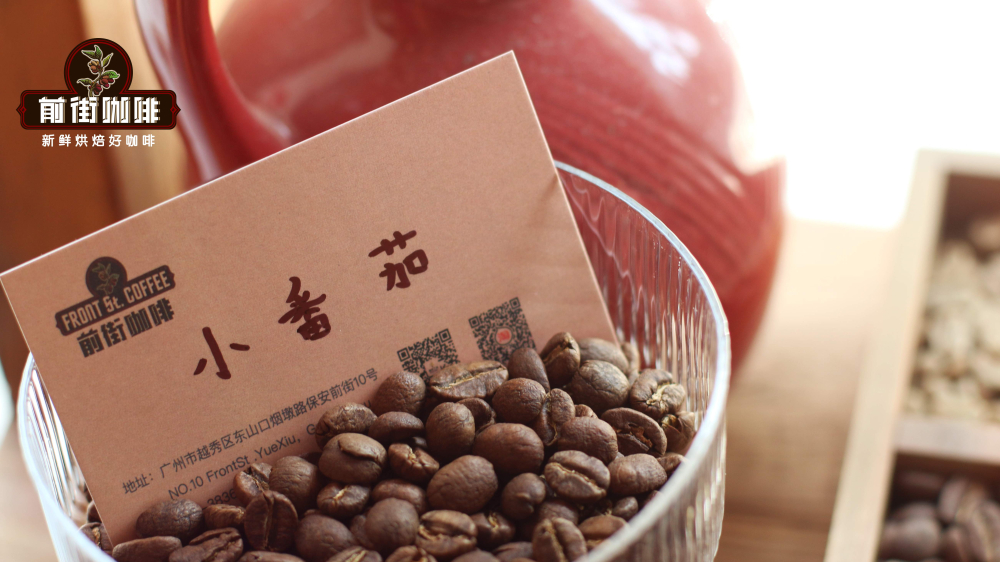
Take the AA-grade Kenyan "Little Tomato" coffee beans as an example—these beans come from the Thika region and are processed using the renowned local K72 double-washed fermentation method. The variety is SL28 and SL34, two of Kenya’s most iconic heirloom cultivars. This coffee is celebrated for its vibrant cherry tomato and dark plum acidity, coupled with rich berry notes and subtle red wine aromas, finishing with a creamy sweetness. It’s a favorite among those who love pronounced acidity.
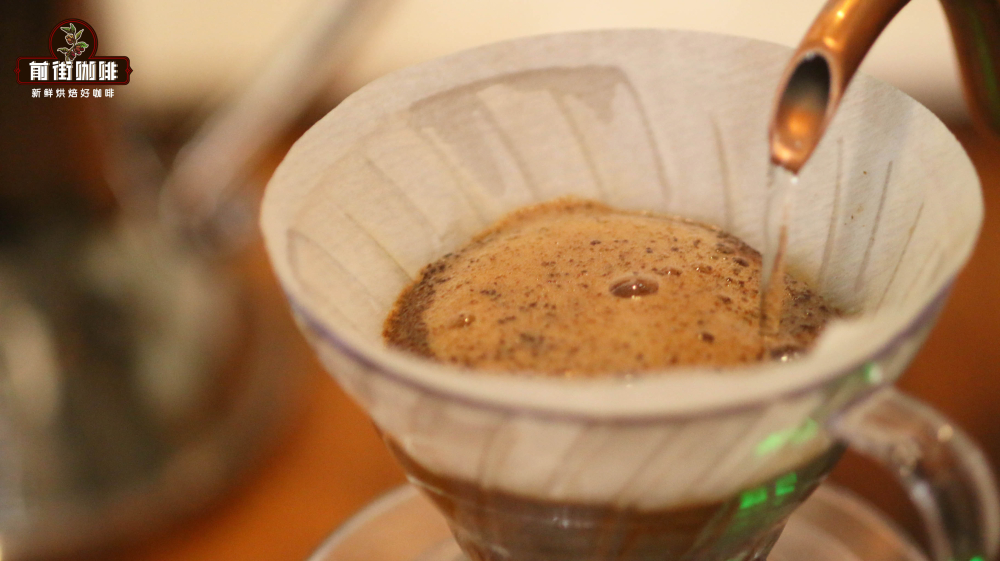
For those new to Kenyan beans, it’s recommended to start with a light roast brewed using the hot pour-over method to fully highlight its floral and fruity characteristics. Specifically, use a V60 filter, with water temperature controlled at 92–93°C, a brew ratio of 1:15, and grind size at approximately 80% through a 20-mesh sieve (similar to the coarseness of fine sugar, EK43s setting 10). The first pour is 30 grams of water for a 30-second bloom, followed by 95 grams (total ~125 grams), then around 1 minute later add another 100 grams (total ~225 grams), with total brew time around 1 minute 35 seconds. These parameters emphasize juicy body and balanced acidity-sweetness, ideal for coffee lovers who enjoy refreshing flavors.
For those preferring iced pour-over, adjust the parameters to suit the low-temperature brewing environment. Recommended is 15 grams of coffee, a 1:11 brew ratio (total 160 grams of hot water), along with 75 grams of ice. Use a Hario V60 filter, with a slightly finer grind—around EK43s setting 9.5 (approximately C40 setting 22). Employ a three-phase pouring method: the first phase is a 30-gram bloom, after 30 seconds pour 90 grams of hot water while adding the ice, gently stir 5 times along the inner wall of the filter halfway through to promote even extraction, and finish with 45 grams of hot water. Total brew time is about 1 minute 55 seconds to 2 minutes 05 seconds. This method enhances the brightness of the acidity while preserving rich fruity flavors, making it perfect for summer or those who enjoy a crisp taste.
In summary, the grading of Kenyan coffee beans reflects not only their physical characteristics but also closely relates to their final flavor expression. Understanding the differences between AA and AA TOP, as well as the definitions of each grade, can help consumers make more informed choices. By applying precise pour-over parameters and appropriate extraction techniques, one can fully showcase the unique acidity-sweetness layers and clean finish of Kenyan coffee, delivering an unforgettable tasting experience.
The above content is compiled by CoffeeHunters, a coffee news website.


