








Introduction:Panamanian Geisha coffee, with its distinctive floral and fruity aromas and bright acidity, has become a standout in the specialty coffee world. This article delves into the microclimates and soil conditions of three major regions including Boquete, explores the origins of the prestigious Best of Panama (BOP) competition, and details the flavor profile of washed Geisha along with the golden parameters for V60 pour over brewing — allowing you to fully grasp the charm of this top-tier bean from origin to cup.
Though a small Central American country, Panama is globally renowned for its specialty coffee, especially the Geisha variety, which has long been considered among the finest. Many consumers notice that the prices of Panamanian beans on the menus of specialty cafés vary widely — from affordable to premium — a disparity tied to factors such as origin, processing method, and competition evaluations. This article will take you through the historical background, key regional characteristics, Geisha processing techniques, and pour over brewing tips to offer a comprehensive understanding of this captivating coffee.

The history of coffee cultivation in Panama dates back to 1742. Historical records indicate that the first coffee beans arrived in Portobelo by ship from French Martinique via Cartagena. However, actual coffee planting began in the 1780s when Pedro Antonio de Ayarza attempted to cultivate it locally, though initial efforts were unsuccessful due to climatic challenges. It wasn’t until the 1820s that coffee gradually became widespread in Panama, even replacing chocolate as the dominant beverage. Thanks to Panama’s location between the Caribbean Sea and the Pacific Ocean, high-altitude regions such as the Boquete Valley boast volcanic soils and cool climates, resulting in coffee beans with rich aromas and complex flavors.
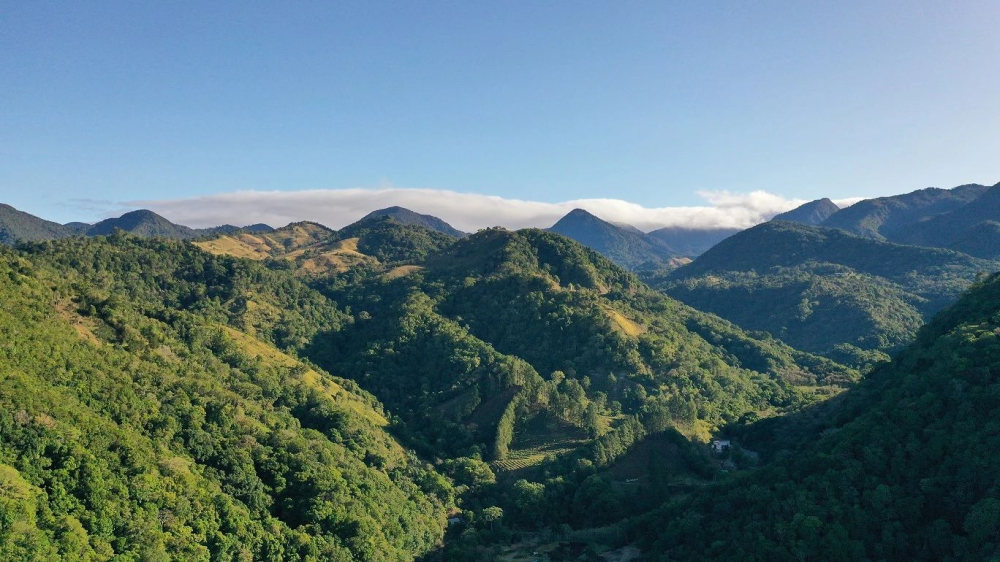
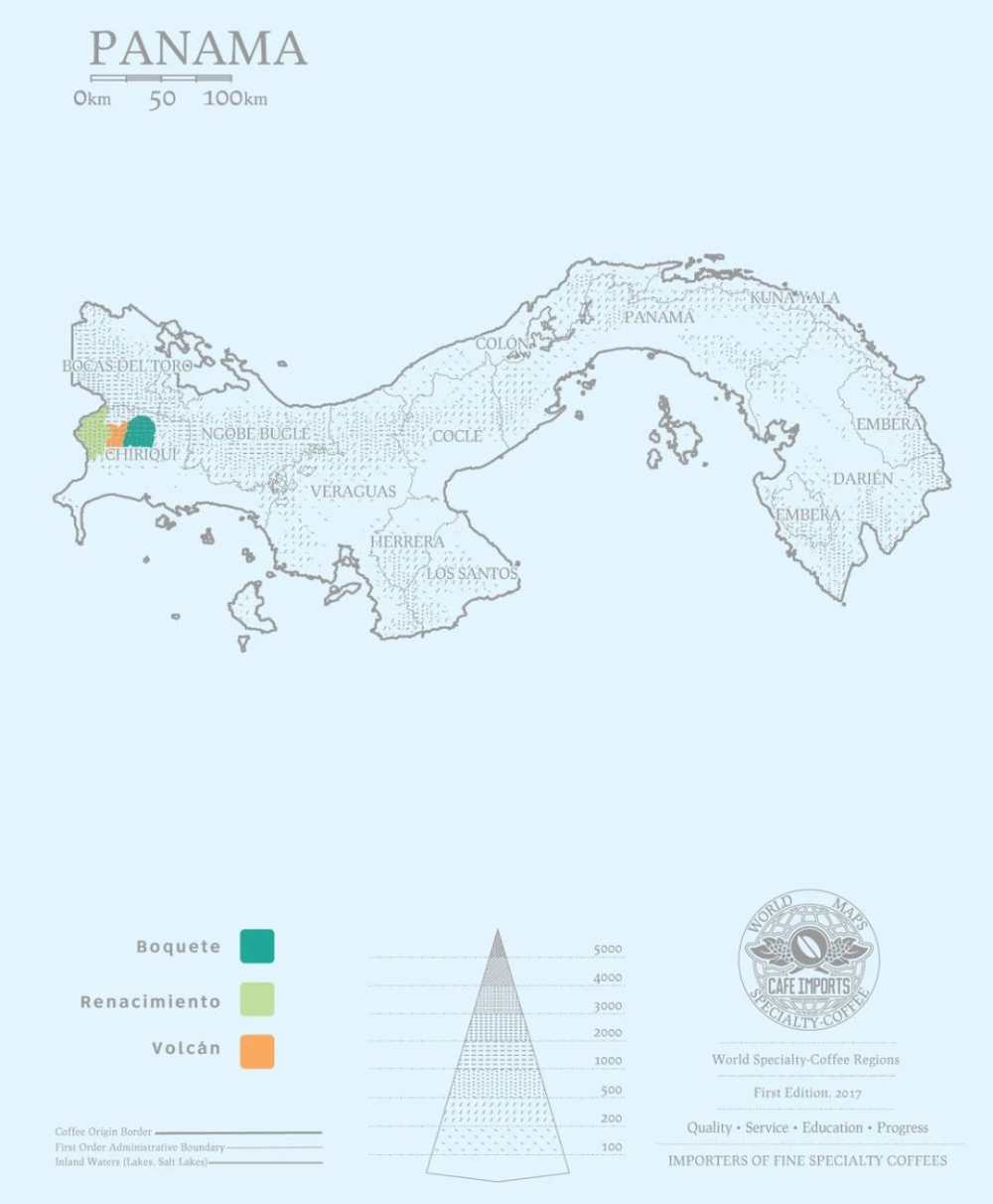
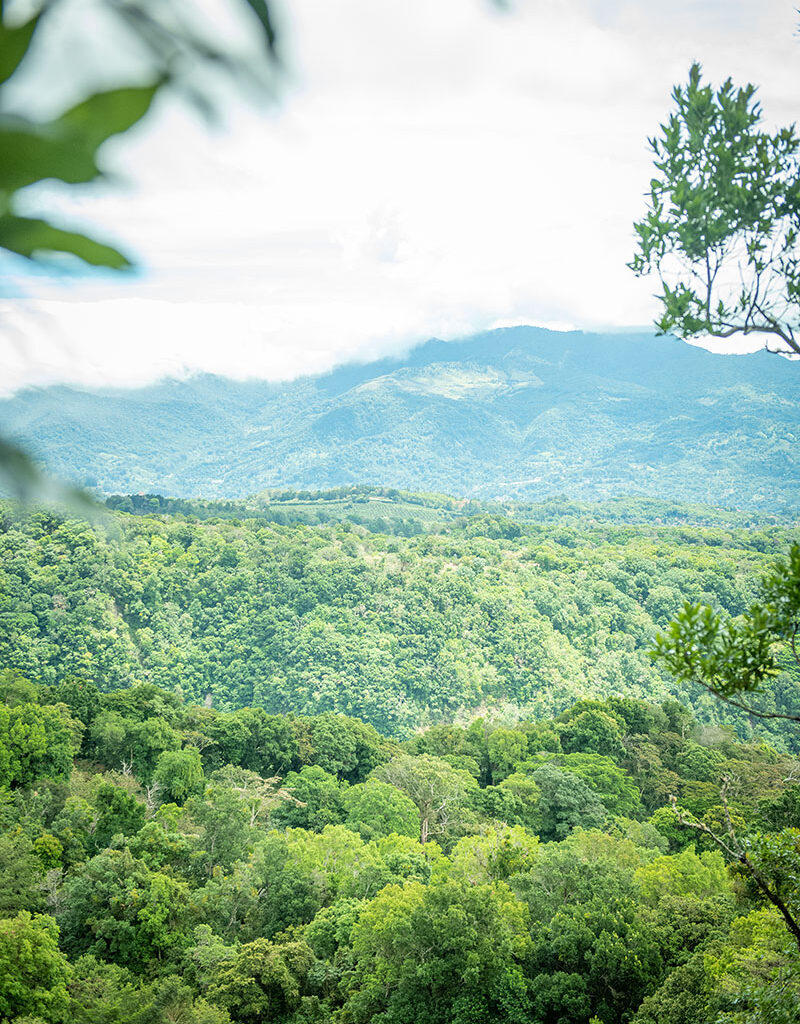
Coffee cultivation in Panama is primarily concentrated in the western Chiriquí Province, with the Boquete, Volcán, and Renacimiento regions being the most famous. These areas lie along the Central American Cordillera, near the Barú Volcano, typically at elevations above 1,600 meters. The fertile volcanic soils, combined with significant day-night temperature variations, allow coffee cherries to ripen slowly and accumulate more flavor compounds. As the cradle of Panamanian coffee, Boquete has attracted numerous European immigrants since the late 19th century, who brought advanced cultivation techniques that laid the foundation for the region’s specialty coffee industry.
The year 1996 marked a turning point for Panama’s coffee industry. When the International Coffee Agreement collapsed and green bean prices plummeted, seven coffee estate owners established the Specialty Coffee Association of Panama (SCAP) and held the first Best of Panama (BOP) green coffee competition. This competition is not just a quality contest for coffee beans but also employs an auction model that allows global buyers to compete for top lots — in recent years, winning bids have even exceeded $1,000 per pound. BOP divides entries into Geisha and non-Geisha categories, and further classifies them by processing method into natural and washed, with blind tastings scored by international judges to ensure fairness.
The Geisha variety has shone brightly in the BOP, with its unique floral notes, citrus tones, and tea-like mouthfeel making it a highly sought-after bean among specialty coffee enthusiasts. A washed Boquete Geisha launched by one brand is a classic representative. The washed processing method — involving pulp removal, fermentation, washing, and drying — results in a cleaner taste and brighter acidity. The specific process includes: first using a pulper to remove the skin and flesh of the coffee cherry, then fermenting the mucilage-covered beans for about 24 hours, followed by rinsing off residual mucilage with clean water, and finally drying the parchment-wrapped beans to approximately 12% moisture content before hulling.
This washed Geisha is roasted to a medium-light level, with flavor notes dominated by white floral aromas, citrus acidity, and subtle green tea nuances. It tastes refreshing on the palate, with a honey-like sweetness lingering in the aftertaste. To fully showcase its layered profile, it is recommended to use a V60 dripper for pour over brewing. The V60’s spiral ridges and large center hole accelerate water flow and extend contact time between water and coffee grounds, suiting a medium-fine grind (around 80% passing through a #20 sieve) and a water temperature of 91–92°C, with a brew ratio of 1:15 recommended.
For actual pour over brewing, a three-stage extraction method can be used: begin with a 30-second bloom using 30 grams of water, followed by pouring 120 grams of water at a moderate flow rate, then adding 90 grams at a slower flow rate around the 55-second mark, for a total of 240 grams of water and an extraction time of approximately 2 minutes and 10 seconds. These parameters balance acidity, sweetness, and body, while avoiding over- or under-extraction. The brewed Geisha coffee offers bright citrus and bergamot acidity upfront, transitions into tea-like and floral notes in the mid-palate, and finishes with a honey-like sweetness, delivering a layered and long-lasting aftertaste.
In summary, the success of Panamanian Geisha stems not only from its exceptional geographical conditions but also from rigorous cultivation, processing, and competition systems. From the volcanic soils of Boquete to the international auctions of the BOP, every step contributes to the coffee’s premium flavor profile. If you enjoy coffee with pronounced floral and fruity notes, bright acidity, and a sweet finish, why not try hand brewing a washed Panamanian Geisha yourself — and experience the full journey from origin to cup.
The above content is compiled by CoffeeHunters, a coffee news website.


