







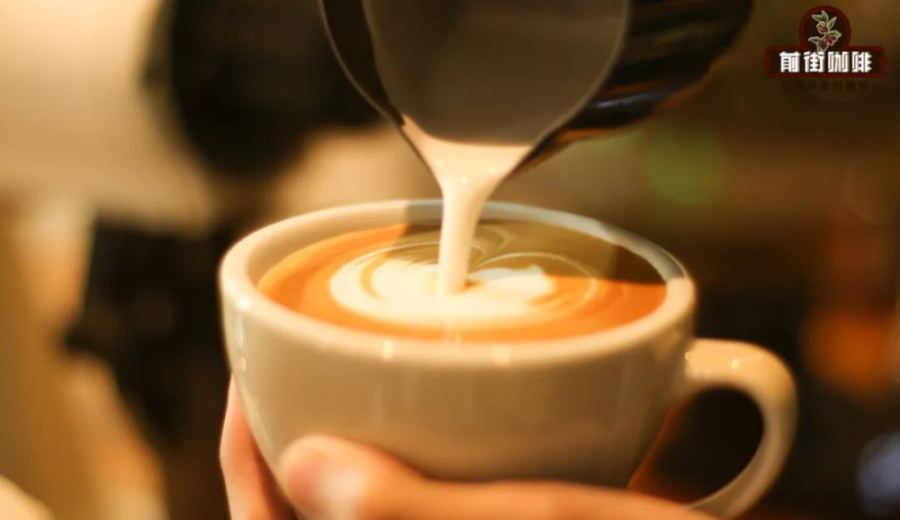
Introduction:Want to practice latte art but hate wasting coffee beans and fresh milk? This article reveals the low-cost training methods commonly used by baristas in private. From using cocoa powder and dish soap for simulation exercises, to recycling espresso and milk multiple times, it even teaches you how to create near-espresso foam using common household appliances. Without expensive equipment, you can gradually build up your milk foam control skills and make your latte art patterns more precise with each practice.
When practicing latte art, do you often hesitate because you don’t want to pour out freshly brewed espresso and fresh milk? In fact, many coffee enthusiasts have already found economical and environmentally friendly ways to practice. This article will introduce you to a variety of practical and low-cost latte art training techniques, including the cocoa powder shaking method that even beginners can easily master, as well as reusable espresso and milk cycling solutions. It also explores how to use a French press or foaming tools to create foam-like milk if you don’t have a professional coffee machine at home. Additionally, we’ll recommend several types of espresso beans suitable for latte art practice to help you control expenses while gradually developing your hand’s sensitivity to milk foam flow rate and movement, making each practice session closer to professional standards.
The core of latte art lies in the precise control of milk foam flow rate and the movement of the pitcher. Only through repeated practice to form muscle memory can you stably present beautiful patterns. However, using freshly extracted espresso and milk for every practice not only incurs high costs, but leftover drinks often face the dilemma of being discarded. Therefore, many baristas and amateur enthusiasts have developed various material-saving methods to minimize practice costs. Next, we’ll analyze these practical techniques one by one to see how professional shops usually train their latte art skills.
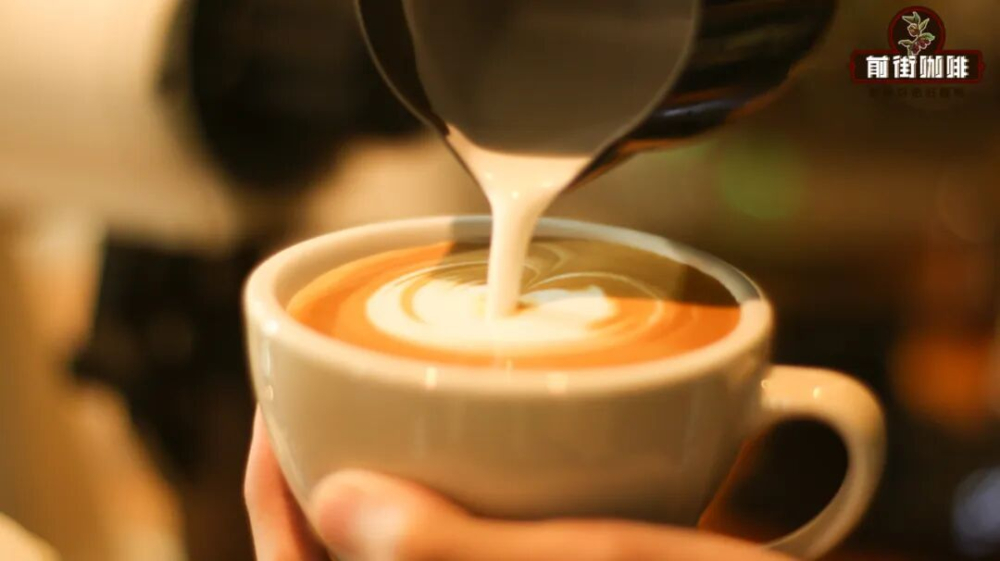
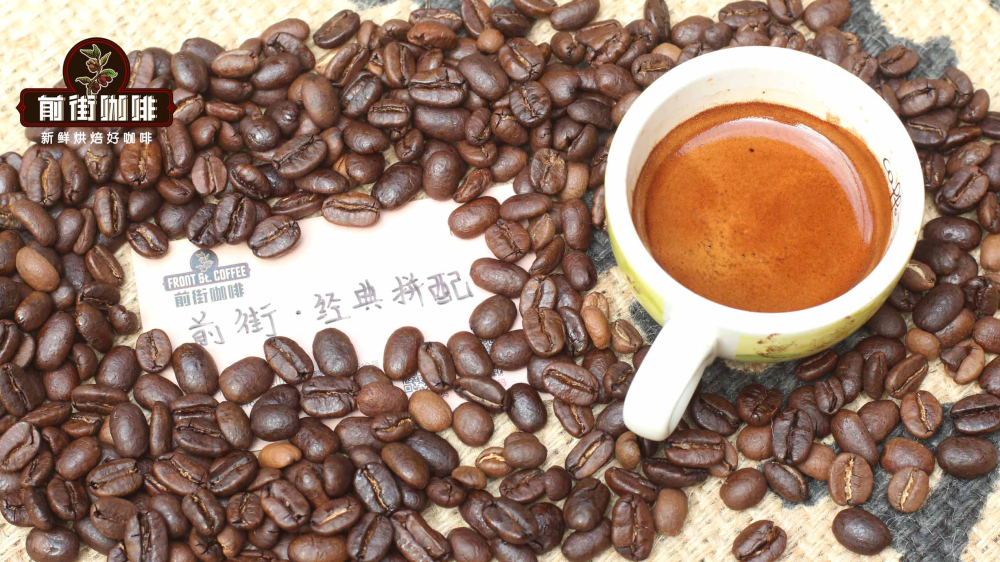
Choosing the right coffee beans is crucial when practicing latte art. The flavor profile of a latte depends on the quality of the coffee and milk, while the visual effect of latte art relies on the thickness of the espresso crema and the fineness of the milk foam. Typically, coffee shops choose espresso blends rich in crema for latte art. For example, common classic blends or commercial blends often mix a small amount of Robusta beans, primarily blending Brazilian, Mandheling, and Robusta, roasted medium to dark. When brewed, they emit aromas of butter, toasted bread, and caramel cookies, with a rich and solid taste, and a fine and stable layer of crema—very suitable for beginners to practice with at home.
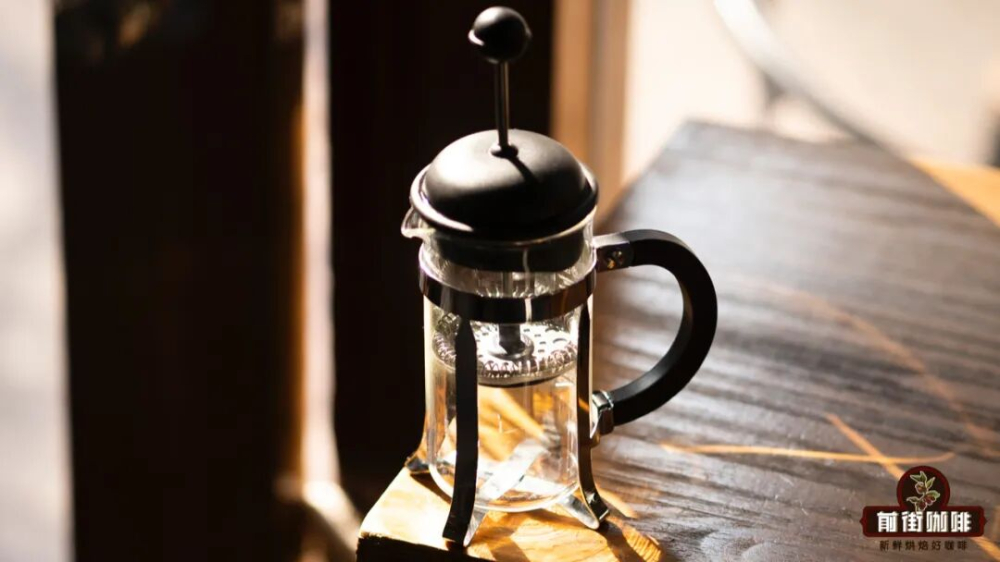
If you don’t have a professional coffee machine at home, does that mean you can’t practice latte art? Not at all! Many people use moka pots or capsule machines at home, which lack steam wands to froth milk. If you want to enjoy a hot latte, you’re often limited to versions without foam. However, with just a French press or electric frother, you can still enjoy the fun of latte art. Below are several practical low-cost latte art training methods that even beginners can easily pick up.

Top recommendation for absolute beginners: the dark soy sauce and dish soap combo. Though it may sound completely unrelated to coffee, it actually works surprisingly well in practice. Dark soy sauce plays the role of espresso here, while dish soap simulates the flow characteristics of milk. The combined cost is less than ten yuan, allowing you to start practicing. Here's how it works: First, pour a small amount of dark soy sauce into the practice cup—just enough to cover the bottom. Assuming your latte pitcher has a 240 ml capacity, use about 10 ml of dark soy sauce, then add 220 ml of water to the pitcher, along with about one pump of dish soap (if no pump is available, manually pour about 5 ml). Then, you can use a coffee machine to froth it. If you don’t have a coffee machine, you can also pump a French press up and down several times and vary the speed to quickly produce thick “milk foam.” After frothing, gently shake the pitcher to distribute the foam evenly, and you’re ready to start practicing latte art movements.
It’s important to note that if you use a coffee machine to froth, the resulting foam may not be as fine due to insufficiently cool water temperature. In this case, replace about one-third of the water with ice cubes to lower the overall temperature, extend the frothing time, and achieve finer foam. If using a French press, you can operate directly with room temperature water. However, the biggest limitation of this method is that the materials can only be used once—after each pattern is completed, everything must be discarded and cannot be reused. Also, be sure to thoroughly clean the cup, pitcher, and spout after use to avoid residual stains affecting the next practice session.
Another more realistic way to practice is to directly use espresso and milk, and recycle the materials using specific techniques. Although the solution has more solutes, giving a damping feel closer to real coffee and milk during latte art, you can still significantly reduce costs with the following steps: First, extract a shot of espresso following the normal process, froth the milk, and then proceed with latte art. Once the pattern is formed and the coffee and milk are fully mixed, don’t rush to discard it—pour the mixture back into the pitcher. Then, pour a small amount of coffee liquid into the practice cup—just enough to cover the bottom—and add an appropriate amount of coffee grounds, gently shaking to blend them evenly. This step darkens the color of the liquid in the cup, creating a clear color contrast with the mixture in the pitcher, making it easier to practice latte art again. This method not only allows you to reuse the same shot of espresso and milk, but according to tests, it can be cycled an average of five times until the coffee grounds in the liquid become too numerous and the color contrast is no longer obvious—only then should you replace the materials. Beginners are advised to first familiarize themselves with basic techniques using the dark soy sauce and dish soap combo, and once the fundamentals are mastered, advance to the espresso and milk recycling method to gradually improve latte art skills.
The above content is compiled by CoffeeHunters, a coffee news website.


