







Category: Coffee Knowledge

Unveiling the Flavors of Yunnan Small-Bean Coffee: A Complete Guide to Catimor Varieties and Specialty Recommendations
As a representative of China’s native Arabica coffee, Yunnan small-bean coffee has gradually attracted global attention due to its unique geographical environment and distinctive varietal characteristics. This article delves into the distribution of its core producing regions, the evolutionary background and flavor profiles of mainstream Catimor varieties, compares differences with traditional varieties such as Typica, and explores the influence of altitude on flavor — helping you master practical tips for selecting and appreciating Yunnan coffee. [more…]

A Comprehensive Guide to Colombian Coffee Regions & Processing Methods: Pour Over Parameters & Flavor Profiles for Huila
Colombia is the world’s second-largest coffee producer, renowned for its stable output and exceptional flavors. This article delves into its core regions, major cultivars, and processing methods such as washed, analyzing the key factors behind their flavor characteristics. It also provides pour over recommendations for three popular beans—Huila, HuayuYe, and Rose Valley—including filter choice, water temperature, brew ratio, and step-by-step extraction process, along with detailed flavor profiles for each bean to help you master the essence of brewing Colombian coffee. [more…]

Detailed Guide to Spanish Condensed Milk Coffee Café Bombón: Homemade Method and Aroma Flavor Profile
Café Bombón is a regional specialty coffee originating from Valencia, Spain. It is made simply with espresso and sweetened condensed milk, creating a layered, sweet yet not cloying flavor. This article delves into the origins of this sweet espresso beverage, its differences from Spanish latte, and provides a recipe with easy-to-follow ratios, brewing parameters, and steps that you can recreate at home—allowing you to experience the perfect harmony between rich milk aroma and coffee crema. [more…]

How to Make a Flat White: Flavor Analysis, Differences Between Hot and Cold Versions, and Double Ristretto Extraction Techniques
Flat White, also known as the Flat White coffee or 澳白咖啡, is a rich-style espresso-based milk drink that has gained immense popularity in recent years. Compared to lattes and cappuccinos, it features a higher coffee-to-milk ratio with less milk, delivering a more intense coffee flavor. This article delves into the characteristics of the Flat White, explores the debate over its origins, and provides practical extraction parameters for double ristrettos along with recommended milk ratios. Whether you're enjoying it at a café or making it at home via pour over, you'll gain a deeper understanding of this classic beverage. [more…]
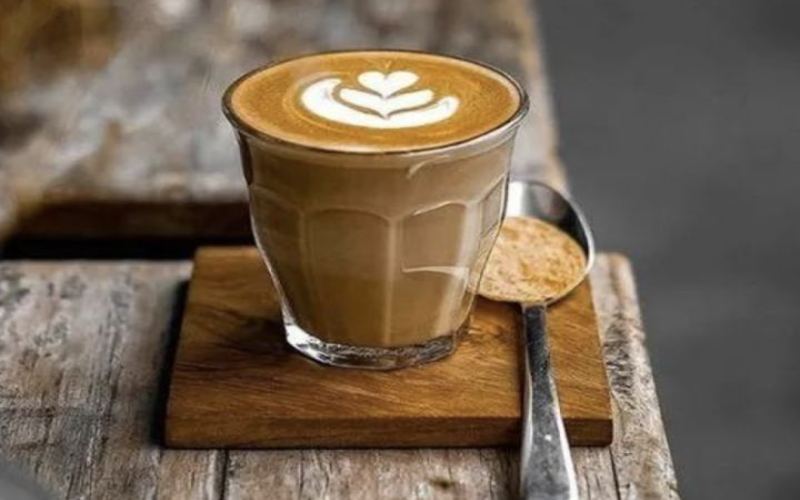
How to tell Flat White and Au Lait apart? A beginner’s guide to coffee from ristretto extraction to milk frothing techniques
Flat White, Au Lait, and Flat White (also known as "Ao Bai" or similar variations)—these names may sound similar, but each has its own unique characteristics. This article delves into their differences, starting with the extraction principles of ristretto, and takes you through the flavor profiles of this style of espresso-based milk coffee, milk frothing techniques, as well as their evolution in Australia. Whether you're new to coffee or an enthusiast seeking more precise extraction, you'll gain key insights and practical skills from this guide. [more…]

The Secrets of Espresso Coffee-to-Water Ratios: How 1:1, 1:1.5, and 1:2 Affect the Flavor of Lattes and Americanos
Exploring the key parameter in espresso extraction—coffee-to-water ratio—and how it directly influences the flavor profile of milk-based and black coffees. In this experiment, using the same coffee bean variety, grind size, and coffee dose, we brewed espresso at ratios of 1:1, 1:1.5, and 1:2, then further prepared them into lattes and americanos. We observed how different ratios affect sweetness-acidity balance, layering, and aftertaste characteristics. Whether you're a coffee beginner or a professional barista, you'll gain practical tips for crafting delicious coffee. [more…]

Papua New Guinea Bird of Paradise Typica Beans: Flavor Profile & Pour Over Brewing Guide
Although Papua New Guinea produces coffee in limited quantities, its unique island environment and distinctive Typica variety yield a delicate flavor profile akin to Jamaica Blue Mountain, earning it the reputation of the “Little Blue Mountain.” This article delves into the Typica beans from Bird of Paradise Estate—covering the growing region’s geography, the origin of the variety, the washed processing method, medium-to-dark roasting recommendations, and offering practical Kono dripper pour over parameters to help you more precisely extract the bean’s nutty sweetness and gentle fruit notes. [more…]

How to Brew Colombian Supremo Coffee Beans? Explore Flavor Profiles and Brewing Recommendations
Colombia is the world’s third-largest coffee producer, cultivating beans with delicate and diverse flavors thanks to its high altitudes and varied microclimates. This article delves into the grading standards of Colombian Supremo beans, the evolution of its main cultivars, and introduces the unique flavor profiles of renowned regions such as Huila and Cauca. Paired with practical three-stage pour over parameters, it helps you fully appreciate the charm of Colombian coffee—from berries and floral notes to caramel finishes. [more…]
What’s the difference between SOE single-origin beans and blends? A guide to espresso bean selection and flavor analysis
SOE (Single Origin Espresso) espresso has become a focal point for many coffee enthusiasts in recent years, but what exactly is the difference between it and traditional blends? Which one is better suited for your daily consumption or café use? This article delves into the differences between single-origin and blends—from roast profiles and flavor characteristics to extraction performance and real-world application scenarios—to help you understand the unique features and limitations of SOE, along with practical bean selection advice and the classic flavor profiles of blended beans. [more…]
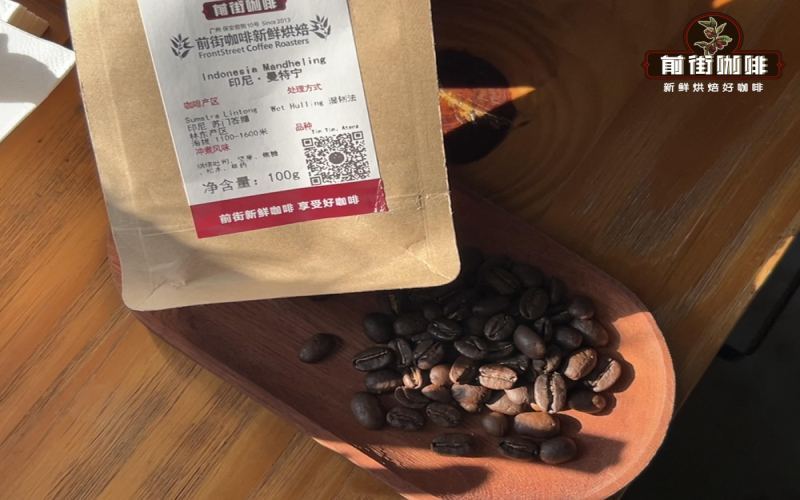
Complete Guide to Indonesia’s Four Major Specialty Coffee Regions: Mandheling, Toraja, and Java Flavor Profiles
As one of the world’s major coffee-producing countries, Indonesia is not only known for its large-scale production of commercial-grade Robusta, but also boasts several specialty coffee regions highly regarded in the international market. This article will take an in-depth look at key specialty coffee regions in Sumatra, Sulawesi, and Java, analyzing their unique terroirs, processing methods, and flavor profiles. It will focus on exploring the rarity and charm of Toraja, helping coffee enthusiasts build a comprehensive flavor map of Indonesian coffee. [more…]

How to Choose Mandheling Coffee Beans? A Beginner’s Guide to Wet-Hulled Processing and Dark Roast Blends
Indonesian Mandheling is renowned for its unique herbal and spicy aromas, and its rich flavor after dark roasting makes it a top choice for many coffee enthusiasts. This article will analyze the flavor characteristics of Mandheling, delve into the uniqueness of wet-hulled processing, and recommend two practical bean varieties: one ideal for pour over that showcases a clean and sweet finish, and another designed for espresso machines and moka pots, with rich crema and stable flavor — perfect for beginners and everyday drinking. [more…]
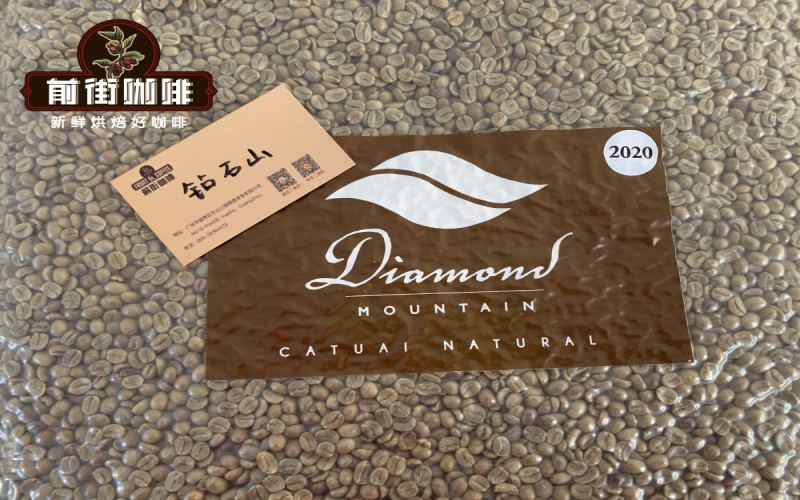
Flavor Analysis of Emerald Estate's Diamond Mountain Coffee: Differences Between Washed and Natural Processed Caturra & Catuai, and Brewing Recommendations
This article delves into two of the main varieties from Emerald Estate’s renowned Diamond Mountain brand—Caturra and Catuai. It provides a comprehensive analysis of the differences between washed and natural processed coffees, covering origin environment, variety characteristics, processing methods, and flavor profiles. Readers will learn how to highlight the coffee’s citrus acidity, nutty tones, and chocolatey base through roast levels and brewing techniques, along with practical brewing parameters and varietal selection tips. [more…]
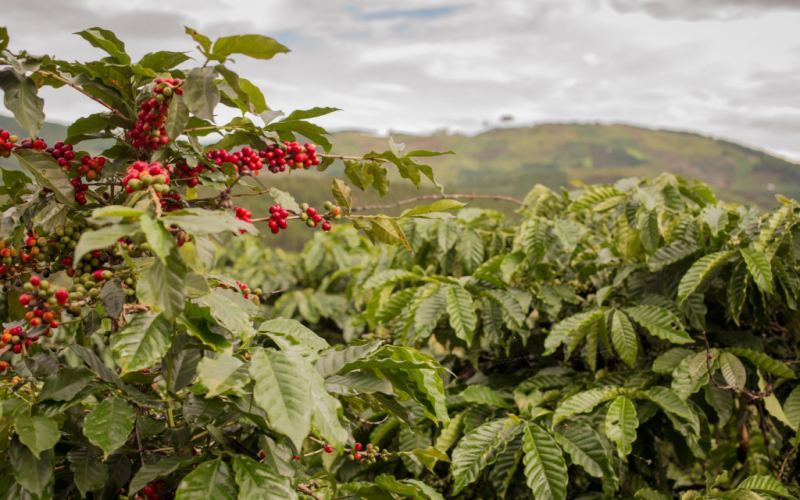
Colombia vs Brazil Coffee Beans: Flavor Differences and Extraction Secrets of Medium-Dark Roast Blends
An in-depth analysis of the growing backgrounds, flavor profiles, and roasting suitability of Colombian and Brazilian coffee beans, focusing on the practical application of medium-dark roast espresso blends. From regional altitude and processing methods to extraction parameters, learn the core characteristics of these two major South American producing regions and understand why they form the golden combination in café blend beans. [more…]
How to Choose Guatemalan New Orient Coffee? A Complete Guide to Passion Fruit & Chocolate Flavors
Want to explore the characteristics and potential of emerging Central American coffee regions? This article takes you deep into Guatemala’s New Orient region, analyzing everything from its innate advantages of high-altitude terrain and volcanic soil to the actual performance of harvest seasons and cupping flavors—unveiling the secrets behind the passion fruit, blueberry, and chocolate notes in its coffee. Whether you’re a coffee enthusiast seeking out emerging regions or a pour over player looking to try different flavor profiles, you’ll find inspiration for selecting beans here. [more…]

Complete Guide to Drip Bag Coffee: From Patent Evolution, Flavor Selection to Hot and Cold Brewing Techniques
Drip bag coffee, favored for its convenience and pour over-like flavor, has become a top choice for many people’s daily coffee enjoyment. But do you know about its invention journey? From the single-sided patent in 1990 to today’s double-ear design, how did drip bags evolve and solidify their place in the market? This article delves into its history, differences from pour over, and categorizes brewing by actual flavor profiles, offering detailed hot and cold brewing suggestions to help you easily and consistently extract delicious drip bag coffee. [more…]
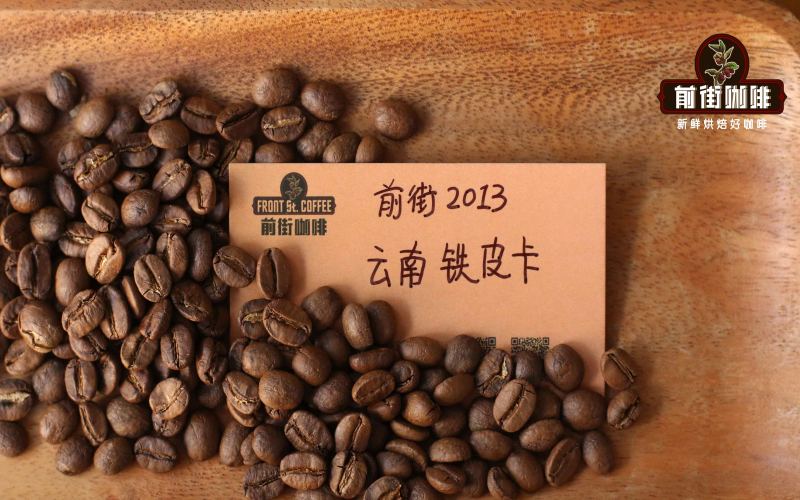
What’s the difference between Arabica and Robusta? A complete guide to selecting pour over beans and flavor analysis
An in-depth analysis of the fundamental differences between the two major coffee varieties — Arabica and Robusta — covering plant characteristics, flavor profiles, and suitable brewing methods, to help you choose the right coffee beans based on your drinking preferences and brewing skills. We also recommend several classic single-origin pour over beans and practical blends. Whether you’re a beginner or an advanced enthusiast, you’ll find options worth trying. [more…]
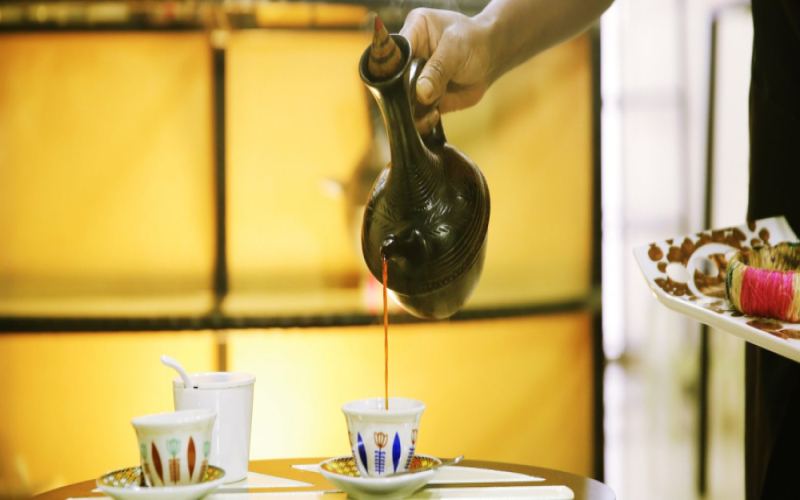
Complete Guide to Ethiopian and Kenyan Coffee Beans: Regions, Processing Methods, and Pour Over Parameters
An in-depth exploration of two major specialty coffee regions in Africa — Ethiopia and Kenya. From geographical terroir, varietal characteristics, processing techniques, to roasting and pour over recommendations, this guide comprehensively unveils the charm of coffee from these two countries. Discover the floral and fruity notes of Yirgacheffe and the bold berry acidity of Kenyan beans, and master the optimal extraction methods to take you deeper into the world of African coffee. [more…]

Why is iced americano so bitter? The reasons why celebrities love it and home brewing tips revealed
Iced americano coffee, with its refreshing taste and energizing effect, is beloved by many people and celebrities. However, its distinct bitterness often deters some. Where does the bitterness come from? Does it really help with fat loss? This article delves into the reasons behind the popularity of iced americano, its flavor characteristics, and the key factors contributing to its bitterness. It also provides simple and easy-to-follow methods for making it at home, along with bean variety recommendations for different taste preferences—so you can brew a smooth iced americano at home too. [more…]
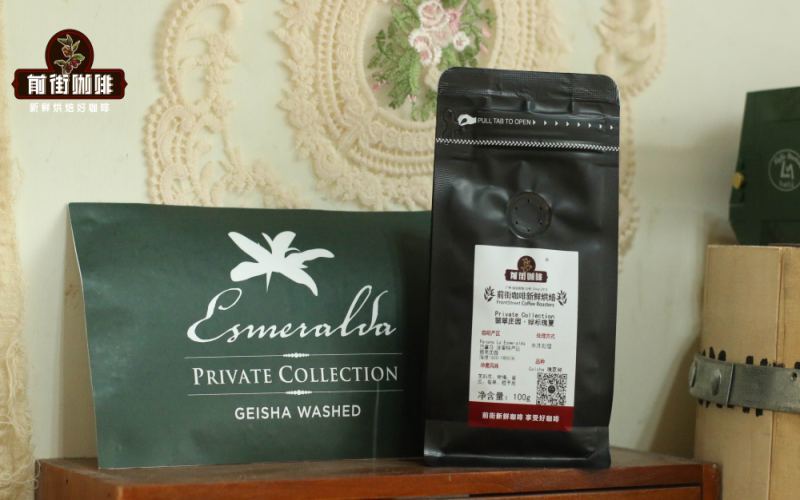
How to Roast Panama Red Label Geisha? The Key to Releasing Tea-Like and Floral Notes Through Roasting
Panama Finca El Velo’s Red Label Geisha is renowned for its delicate floral aromas and unique tea-like character, but to fully express these flavors through roasting, it's essential to precisely control temperature, heat application, and air flow at each stage. This article breaks down the complete roasting profile from an initial charge temperature of 150°C up to a drop temperature of 189.5°C, explaining how to adjust during key stages such as drying and first crack to bring out the citrus, honey, and berry layers of the Geisha. It also includes a practical flavor reference to help you roast your ideal cup. [more…]
Complete Guide to Brazil’s Six Major Coffee Regions: Variety Evolution, Flavor Profiles, and Pour Over Parameters
Dive deep into how Brazil evolved from zero to becoming the world’s coffee kingdom, analyzing the geographical features and flavor differences of its six core regions. This article takes you from the romantic legend of 1727, traces the evolution of the Bourbon variety, and details the processing techniques and brewing recommendations for Yellow Bourbon and Red Bourbon, helping you master the selection and extraction secrets of Brazilian beans. [more…]