







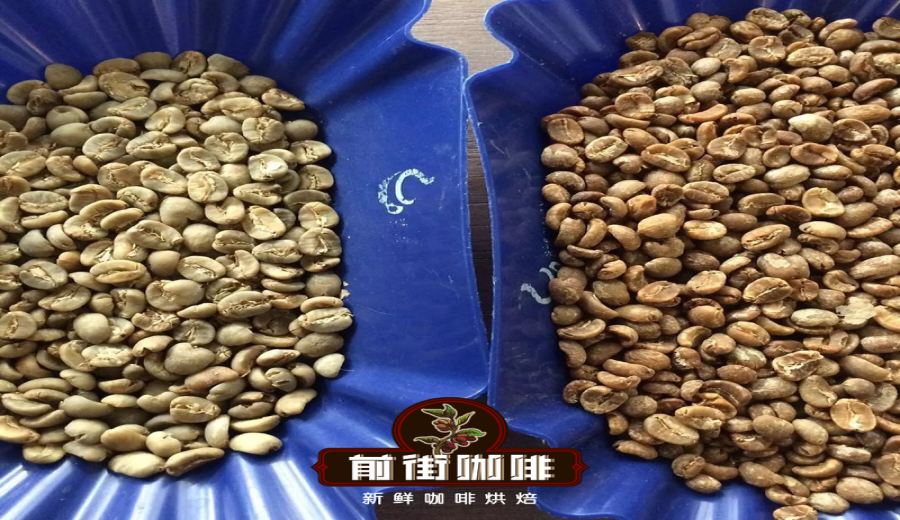
Introduction:Aged coffee is not simply old beans that have been stored for a long time, but rather the result of a precisely controlled aging art. This article delves into the aging logic behind Sumatra Mandheling, analyzing everything from the 24-month cellar-aging process to the flavor transformation mechanisms, helping you grasp the rich characteristics of this classic coffee variety. It also provides recommended pour over parameters for medium-dark roasts, including filter choice, water temperature control, and grind-to-water ratio adjustments, to help you fully experience the layered charm of aged Mandheling.
The definition of aged coffee is far more rigorous than one might imagine—it is by no means achieved merely by storing green beans for an extended period. In fact, uncontrolled storage will only lead to faded bean color, loss of flavor, or even pest infestation. True aged coffee must undergo professional cellar-aging and regular quality control, much like aged spirits, refined over time to develop its unique character. Among various producing regions, Indonesia’s Sumatra Mandheling stands out with its distinctive aging process, becoming the most representative example in Asia.
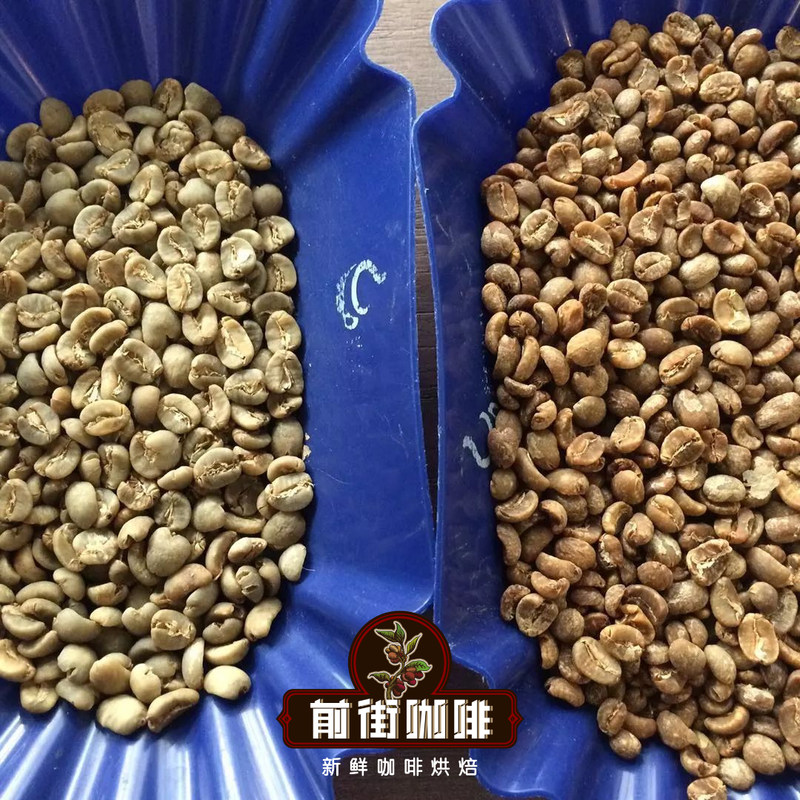
As the core coffee-producing region of the Malay Archipelago, Sumatra’s unique geography gives Mandheling its bold characteristics. The volcanic soil and consistent humidity of the island’s high-altitude mountains provide ideal growing conditions for coffee trees. Local farmers carefully select red cherries of uniform ripeness, which are then processed via the wet-hulled method. Only beans with clear creases and high density are chosen as the base for aging. These beans undergo a second screening before being placed in storage to ensure no defective beans are mixed in.
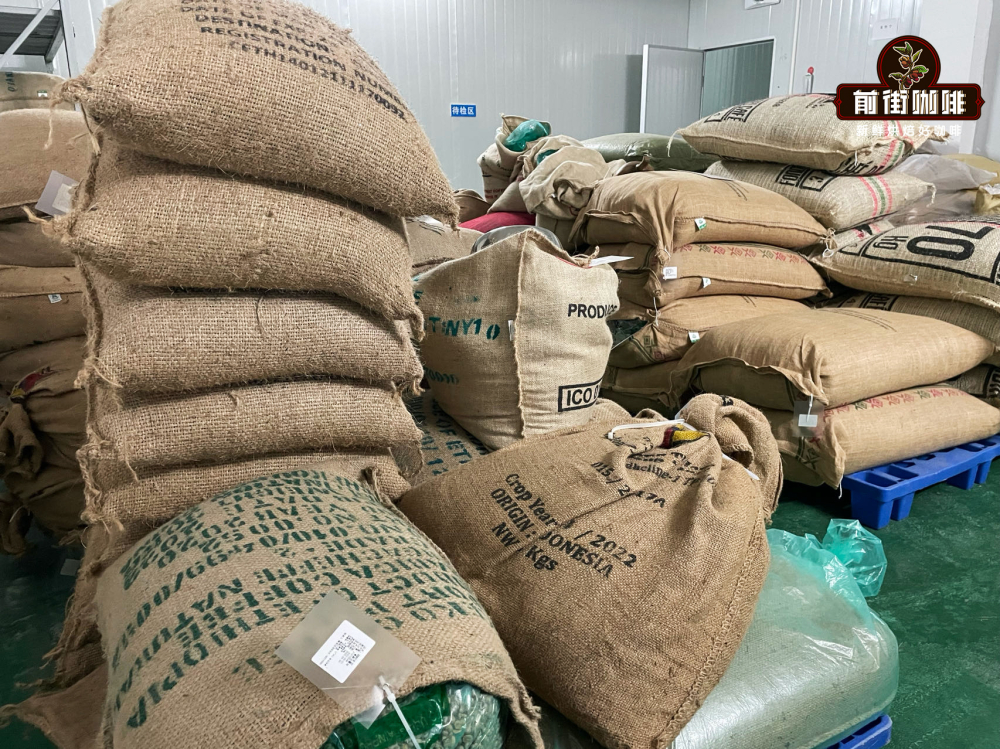
The aging process of Mandheling is truly the pinnacle of craftsmanship.The standard aging period is 24 months, during which the bean bins must be stirred at least three times per week to maintain ventilation and prevent clumping or moisture absorption.The storage environment should maintain a constant temperature of 22–25°C, with relative humidity controlled around 65%. Over time, the chlorogenic acid in the beans gradually breaks down, and acidic compounds transform into sugar compounds—this is the key mechanism behind the softening of fruit acids and the enhancement of sweetness.
Observing the color changes during the aging process, you’ll notice the green surface of the beans shifting gradually to gray-green, eventually taking on a distinctive pale beige-yellow hue. This color transition is accompanied by a decrease in density, with the beans being about 15% lighter than fresh ones. When roasting aged beans, professional roasters must pay special attention to heat control and are advised to use a medium-dark roast(Agtron value around 58–62), which preserves the rich foundation while highlighting caramelized flavors.
Roasted aged Mandheling exhibits a distinct flavor profile shift:Bright citrus acidity transforms into a mellow honey-like sweetness, while the original herbal notes evolve into intense cocoa and smoky aromas. For brewing, it is recommended to use a KONO filter, whose trapezoidal design extends the contact time between water and coffee grounds, enhancing the expression of a full-bodied mouthfeel. During actual brewing, keep the water temperature withinthe 86–88°C range, paired with a medium grind (approximately 70% passing through a #20 sieve) and a1:13–1:14 brew ratio, which effectively minimizes the risk of over-extraction.
The specific brewing process can be divided into three stages: the first stage involves pouring 30% of the total water volume for a 30-second bloom, the middle stage uses spiral pouring until the coffee reaches 125% of the dry coffee weight, then pause, and the final stage slowly fills up to the total of 225 grams. This multi-stage extraction balances the richness and nuanced layers of aged beans, making it especially suitable for coffee lovers who prefer low acidity and high sweetness. For a brighter cup, try slightly increasing the water temperature to 90°C and shortening the brew time.
It’s worth noting that the optimal flavor window for aged coffee is approximately 30–45 days after roasting. It’s recommended to purchase smaller packages for separate storage. Ideal storage conditions are in single-use degassing valve aluminum foil bags, kept in a cool, dark place, away from strong-smelling items such as spices. Regularly check the condition of the beans; if excessive oil blooming or moldy odors appear, it indicates over-aging and the beans should no longer be used.
The above content is compiled by CoffeeHunters, a coffee news website.


