







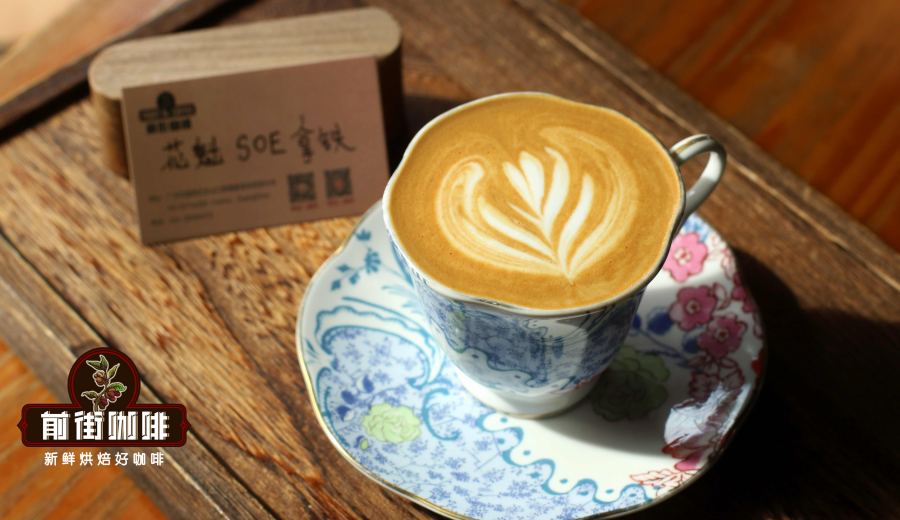
Introduction:SOE (Single Origin Espresso), known for highlighting distinct regional flavors, has gained immense popularity. However, the high temperature and pressure of extraction can also make the bright acidity of lightly roasted beans overly sharp and unpleasant. This article delves into key extraction parameters, common causes of flavor defects, and uses real coffee examples to provide comprehensive recommendations—from brew ratio and grind size to brewing time—to help coffee enthusiasts consistently brew balanced and mellow SOEs at home, as well as master advanced techniques for pairing with milk or making Americanos.
SOE, or Single Origin Espresso, has become a top choice for many coffee lovers looking to explore new flavors in recent years. This type of espresso is made using beans from a single origin, variety, and processing method, clearly showcasing that region’s unique flavor profile—such as vibrant fruitiness, rich nuttiness, or even distinctive earthy notes. Because of this, a single sip of SOE can feel like a journey to the coffee’s place of origin.
However, since espresso machines typically operate at temperatures above 90°C and pressures of 9 bars, these conditions amplify all flavor compounds in the beans, both good and bad. Especially when using lightly roasted SOE beans, the naturally bright acidity can turn into an unappealing sharp sourness under high-pressure extraction, affecting the overall balance of the cup. Therefore, to enjoy clear and pleasant flavors from an SOE, precision is required in bean selection, grinding, extraction time, and ratio at every step.
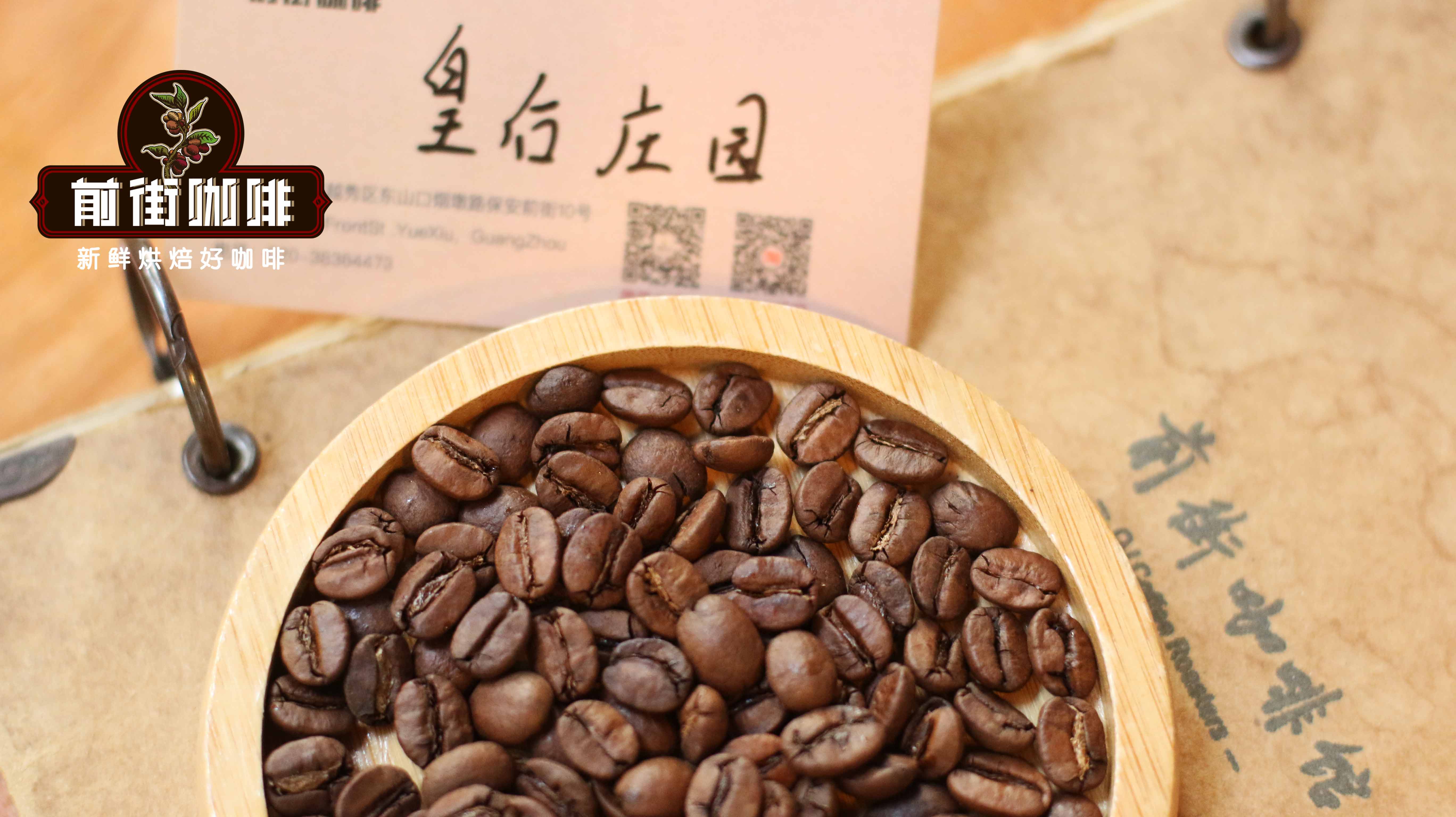
Compared to common blends, SOE demands higher extraction skills but also better showcases the coffee’s individual character. Choosing an outstanding single-origin bean that suits your taste preferences is often the first step to success. For instance, those who prefer a smooth and full-bodied mouthfeel might consider medium to dark roasted options, such as the Queen Estate SOE from Brazil. Roasted to a medium-dark level, this bean offers pronounced aromas of creamy peanut, nuts, and cookies, along with a natural cane sugar sweetness. It has low acidity and a round body, making it suitable not only as an SOE espresso but also for use in lattes or moka pot brews.
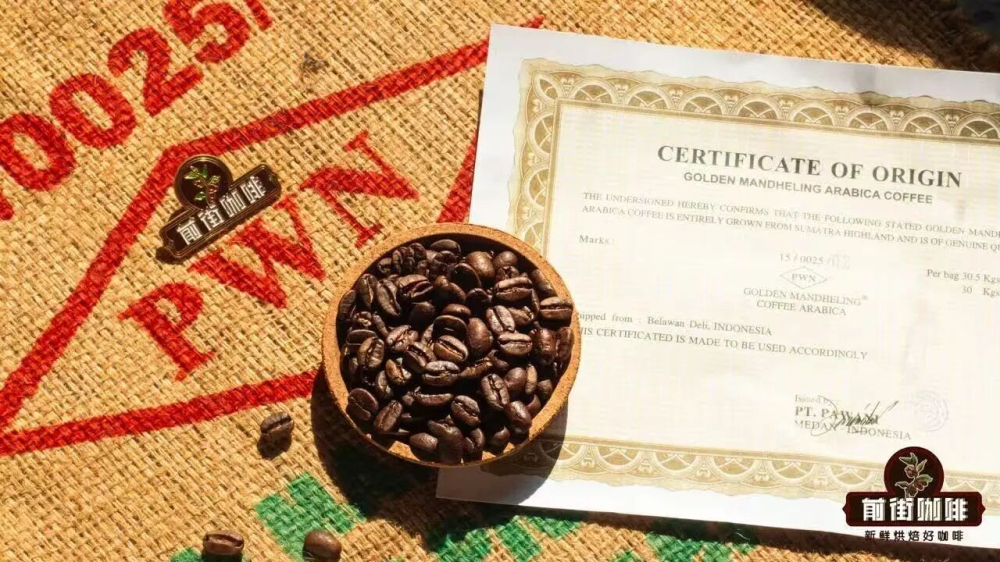
If you’re particularly sensitive to acidity, you might opt for a dark-roasted SOE like PWN Golden Mandheling. Originating from Sumatra, Indonesia, this classic specialty Mandheling is richly aromatic with layered complexity. Upon tasting, you’ll experience a blend of dark chocolate, maple syrup, spices, and pine, coupled with a thick, smooth texture and almost no noticeable acidity. It’s highly compatible with SOE lattes or straight espressos, making it very friendly for those who dislike sour notes.
For beginners new to SOE, we recommend starting with Ethiopia’s Huila Kochere (referred to here as "花魁" or Huakui). This classic bean from Africa exhibits Ethiopia’s renowned floral and fruity characteristics, though not as delicate as in pour-over versions—instead, it presents more intense orange blossom, berry, and citrus aromas. The sweet-tart balance is just right, making it easily approachable even for those who fear bitterness or astringency. It’s great for small servings like SOE Americanos or SOE Flat Whites, allowing you to fully enjoy its refreshing yet balanced profile.
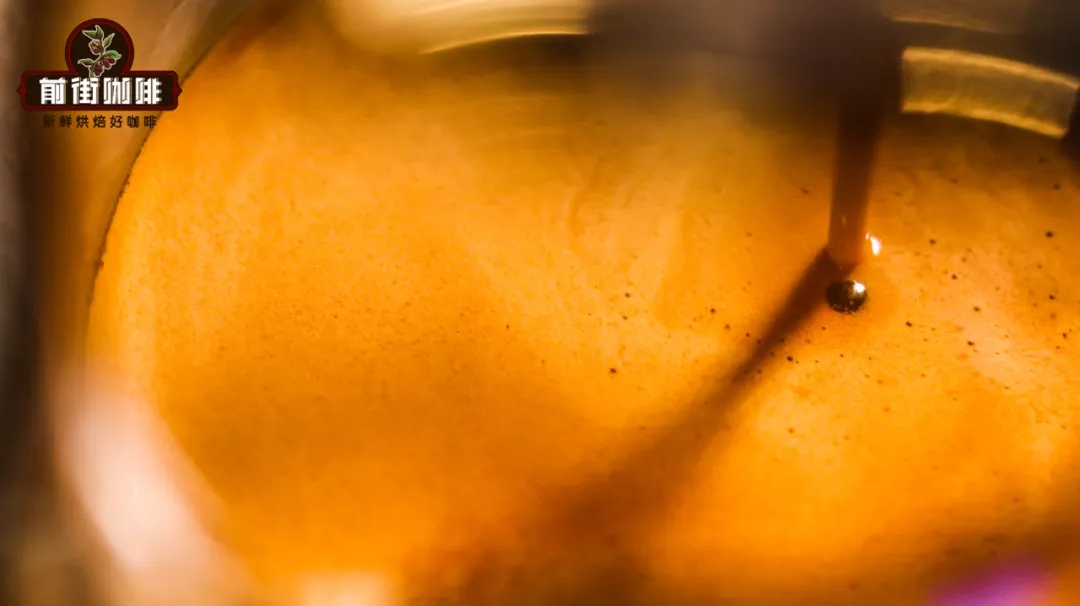
While SOE can highlight the intrinsic qualities of coffee beans, it can also magnify any defects. Therefore, during actual extraction, special attention should be paid to brew ratio and extraction time. It is recommended to keep the espresso portion between 30–40 ml, paired with an appropriate amount of milk or water to avoid flavor dilution while preventing over-extraction that can lead to bitterness and dryness.
Below is a practical example: Take the medium-dark roasted SOE from Brazil’s Queen Estate. The recommended extraction parameters are as follows: 20 grams of coffee grounds, aiming for around 40 ml of extracted liquid, with a grind size suggested to be around Galileo Q18-2.0 (close to medium-fine), and extraction time controlled between25–30 seconds, with the ideal target being around27 seconds. This set of parameters effectively highlights the bean’s nutty, creamy peanut, sugarcane, and chocolate notes, along with a soft base of maple and toasted bread.
For an iced Americano, pour the 40g of espresso over 120g of ice and 120ml of room-temperature water. This reduces acidity while enhancing caramel-like aftertaste and rich nuttiness. For a hot Americano, substitute the ice water with 180ml of warm water for a smoother drinking experience.
As for latte preparation, an iced latte can be made by combining 100g of ice and 150g of fresh milk, then pouring in 40g of espresso; for a hot latte, start by pouring 40g of espresso as the base, then steam 200ml of fresh milk with fine microfoam, combine evenly, and finish with latte art. This combination delivers a sweet, smooth texture reminiscent of Ovaltine, helping you rediscover the diverse possibilities of SOE.
The above content is compiled by CoffeeHunters, a coffee news website.


