







Introduction:For beginner coffee enthusiasts just stepping into the world of espresso, selecting the right blend is often the first step. Espresso blends, through the artful combination of beans from different regions and varieties, create a flavor profile that is richer and more layered than single-origin beans. However, the selection and storage of espresso blends also require careful consideration—especially when using a home espresso machine. How to choose the right blend and ensure its freshness is key to influencing the final cup’s flavor. This article will analyze the characteristics of espresso blends, explain how freshness impacts extraction, and highlight four blends suitable for home use, covering a range of needs from beginner-friendly options and great value to bold, intense flavors.
Many who are new to espresso often wonder: what exactly is an espresso blend? How is it different from single-origin beans? Also, how should one gauge shelf life and freshness? In simple terms, an espresso blend refers to a mixture of coffee beans sourced from different regions and varieties, blended in specific proportions. The goal of such blending is to combine the strengths of various beans—for example, balancing acidity, sweetness, bitterness, and saltiness, enhancing aromatic complexity, and ultimately creating a more three-dimensional and layered extraction experience.
When we talk about a high-quality espresso shot, in addition to factors like grind size, water temperature, and pressure, the freshness of the coffee beans themselves is crucial. Generally speaking, roasted coffee beans are at their peak flavor between 5 to 14 days after roasting. If left unused beyond 50 days, the aroma will noticeably fade, leaving only a dull or even harshly bitter taste. Therefore, it’s recommended to choose beans roasted no more than five days prior and to use them as soon as possible to fully enjoy their complete flavor expression.
The so-called espresso blend is essentially a scientific proportioning of beans grown in different regions and environments, based on their flavor characteristics. For instance, some beans may have bright acidity but a lighter body, while others may be distinctly bitter yet rich and full-bodied. Through thoughtful pairing, their weaknesses can complement each other, resulting in a smoother final cup with a more intense aroma. In contrast, single-origin beans typically emphasize showcasing the original characteristics of a particular origin or variety—for example, Ethiopian beans often carry citrus and floral notes, while Blue Mountain coffee is known for its balanced and full body.
In practical use, espresso blends are usually designed with espresso machines or moka pots in mind, emphasizing the ability to produce a rich crema (coffee foam) and intense flavor. Therefore, when using a semi-automatic espresso machine or a home electric grinder, choosing a well-formulated blend can effectively enhance overall extraction performance, bringing your home coffee experience closer to that of a café.
Below are four popular espresso blends suitable for home users, covering everything from entry-level choices to advanced bold flavors, helping you find the most suitable “daily drinker” based on your personal preferences.
1. Classic Mamba Flavor Blend (Arabica + Robusta Combination)
Flavor Profile: Caramel sweetness, buttery texture, roasted nut aroma, black chocolate finish
Inspired by the classic “Mamba” concept, this blend primarily uses Mandheling from Indonesia and Brazilian beans as its base, delivering a rich, full-bodied taste and velvety crema. To further enhance the body and aroma longevity of the espresso, a small amount of Robusta from Vietnam is also added to the recipe, helping to improve crema performance and flavor richness. When brewed as a hot latte, it offers both chocolatey aroma and a creamy, smooth mouthfeel—making it not only ideal for beginners trying espresso for the first time, but also a long-time favorite among many home users.
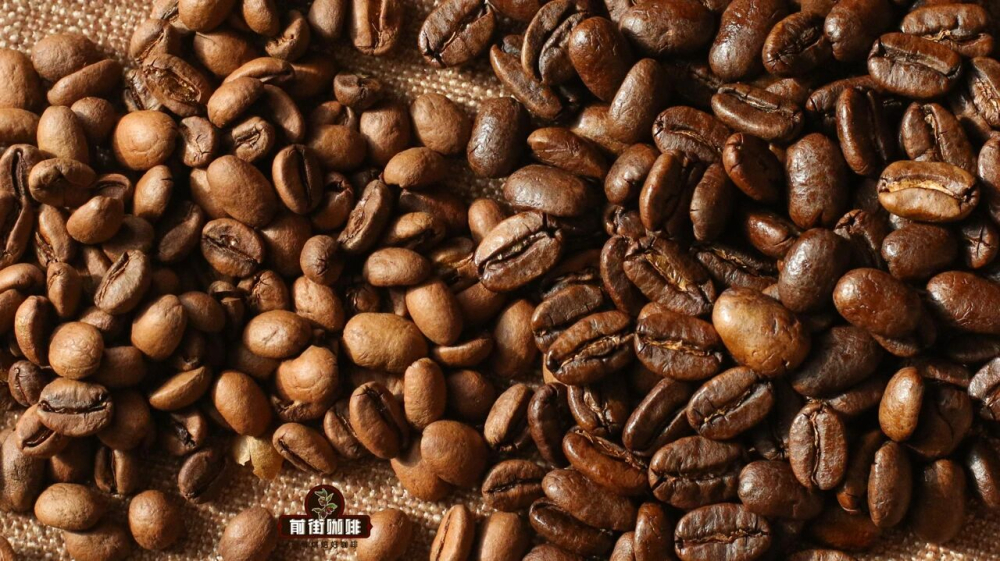
2. Best Value Pick: Dark Cocoa Flavor Blend (Americas + Asia Bean Combination)
Flavor Profile: Nutty tones, dark chocolate, creamy aroma, cookie-like sweetness
This blend is known for its affordable price and consistent performance, primarily combining small-bean varietals from Yunnan with Brazilian Red Bourbon. Both are medium-to-dark roasted to bring out intense caramel and nutty flavors while retaining a hint of bright fruit acidity, adding more depth to the overall profile. When used for Americano, it offers a clean and refreshing taste without being overly heavy, and when paired with milk, it highlights sweetness and a silky texture. For budget-conscious home users who still seek reliable performance, this is a very practical choice.
3. Bold & Rich Series: Premium Chocolate Flavor Blend (Americas Bean Combination)
Flavor Profile: Almond, cream chocolate, cocoa cookie, almond, melon seed aroma
This blend features Brazilian beans as its main component, providing a natural balance of sweetness and bitterness along with an excellent smooth mouthfeel. Paired with Colombian beans, it enhances the nutty and chocolatey character, delivering outstanding richness overall. Whether brewed as espresso or latte, it presents a thick, sweet profile akin to hot cocoa, while as a black coffee, it exudes the deep flavor of dark chocolate—perfect for advanced users who prefer intense flavors.
In summary, choosing an espresso blend that suits your taste and usage scenario is the first step toward enjoying home-brewed espresso. Whether you’re a beginner or an experienced coffee lover, you can find an ideal option that fits your needs and budget from the four recommended blends above. Remember to pay attention to the roast date of the beans, and try to use them within two weeks of roasting to fully experience their optimal flavor expression.
The above content is compiled by CoffeeHunters, a coffee news website.


