







Introduction:Drip bags combine the refinement of pour over with the convenience of instant coffee, making them an ideal choice for many busy individuals or travelers. This article delves into the principles behind drip bags, the correct brewing method, and offers practical selection advice based on two key factors: flavor characteristics and storage conditions. Whether you're a beginner or already experienced, you'll pick up handy tips to make your coffee taste even better.
Thanks to their portability and ease of use, drip bags have become the coffee format of choice for many during business trips, travel, or in the office. Although classified as drip-filtered coffee, they are simpler to operate compared to traditional pour over—no complex equipment is needed, yet you can still enjoy a decent cup of coffee in a short time. This article will guide you through the basic concept of drip bags, the correct way to brew them, and provide practical selection tips from the perspectives of flavor profiles and freshness.
In principle, drip bags are a type of drip-filtered coffee, with an extraction method largely similar to that of pour over. The main difference lies in the lower barrier to entry; they use non-woven fabric filter bags instead of traditional paper filters, effectively filtering out coffee grounds while preserving the essence of the coffee. A wide variety of coffee beans can be used to make drip bags, but single-origin beans are the primary choice—popular options such as Golden Mandheling, Yirgacheffe, and Huā Kuí are frequently used in drip bag production, catering to consumers who enjoy pure coffee flavors.
Drip bags have gained popularity in recent years mainly because they meet the needs of those who want to enjoy coffee close to the quality of pour over without spending too much time or effort. No specialized equipment is required—just a cup and hot water, and you can brew a cup in under two minutes. They’re especially suitable for travel or office use, offering a convenient yet quality-conscious compromise.
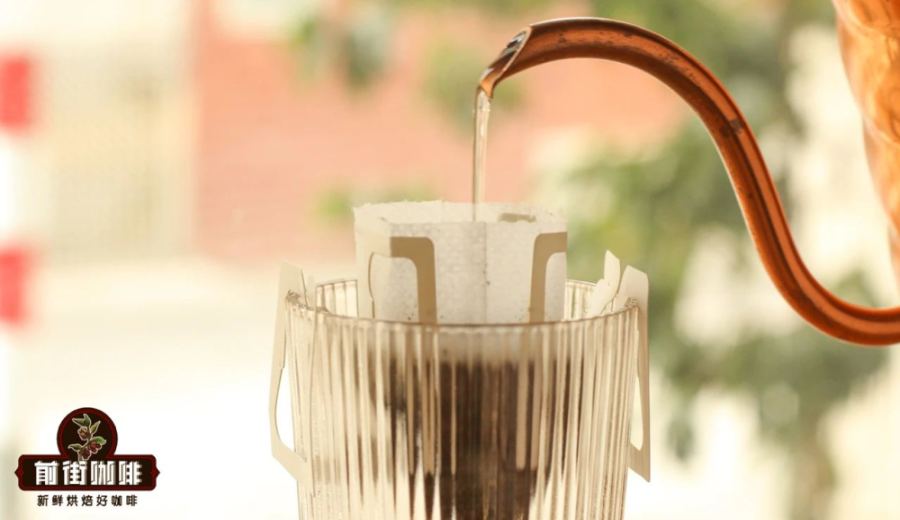
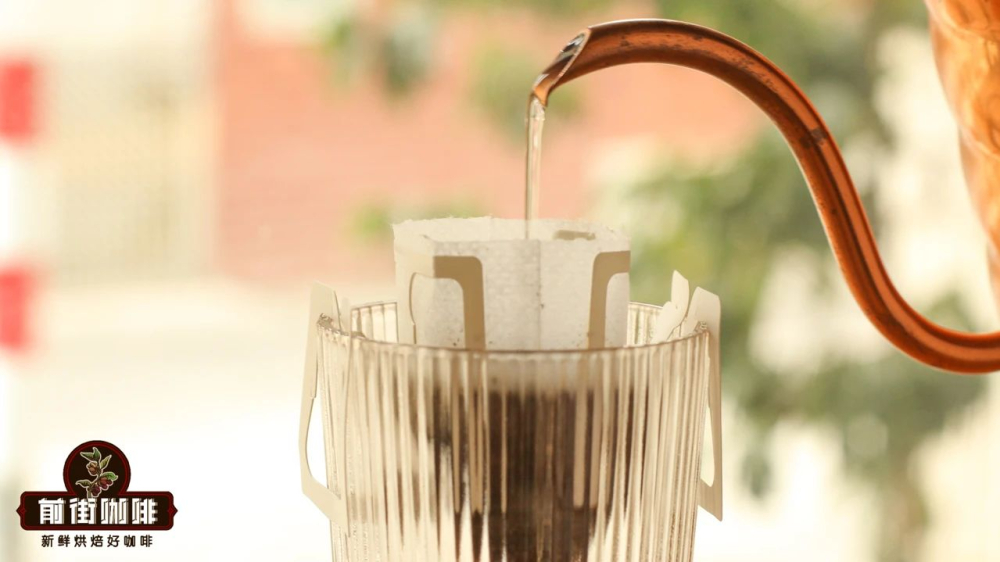
Brewing a delicious cup of drip bag coffee is actually not difficult. A single drip bag typically contains about 10 grams of coffee grounds. Based on the common pour over coffee-to-water ratio of 1:15, you’ll need approximately 150 milliliters of hot water. It’s recommended to start with hot water at around 90°C for the first pour, adding water to about half the height of the filter bag. Then let it sit for about 10 seconds to allow the coffee grounds to “bloom”—that is, to degas—which is a crucial step for releasing aroma. After that, proceed with the second pour, filling the filter bag to about nine-tenths full. Once the coffee has completely dripped through, you can add another pour to nine-tenths full to fully extract the coffee’s flavors.
When selecting high-quality drip bags, focus can be placed on two aspects: the flavor profile of the coffee beans and their freshness. First, in terms of flavor, although there is no fundamental difference in extraction principles between drip bags and pour over, you can choose a drip bag product that suits your taste preferences. Generally speaking, coffee beans can be roughly divided into three categories: floral and fruity acidity types, rich and mellow types, and balanced acidity-bitterness-sweetness types.
If you prefer a refreshing taste and don’t like overly strong bitterness, you can opt for drip bags that showcase pronounced floral and citrus notes—for example, Yirgacheffe with distinct fruity acidity, or Huā Kuí with sweet and tangy notes of strawberry and guava. If you prefer a rich and full-bodied taste, consider products with prominent cream and nut flavors, such as Queen’s Estate, or Golden Mandheling with spicy and caramel aftertastes. For those seeking balanced flavors, you might consider drip bags like Strawberry Candy, which offers soft floral notes, or Bird of Paradise, which delivers a sweet taste reminiscent of nuts and sugarcane.
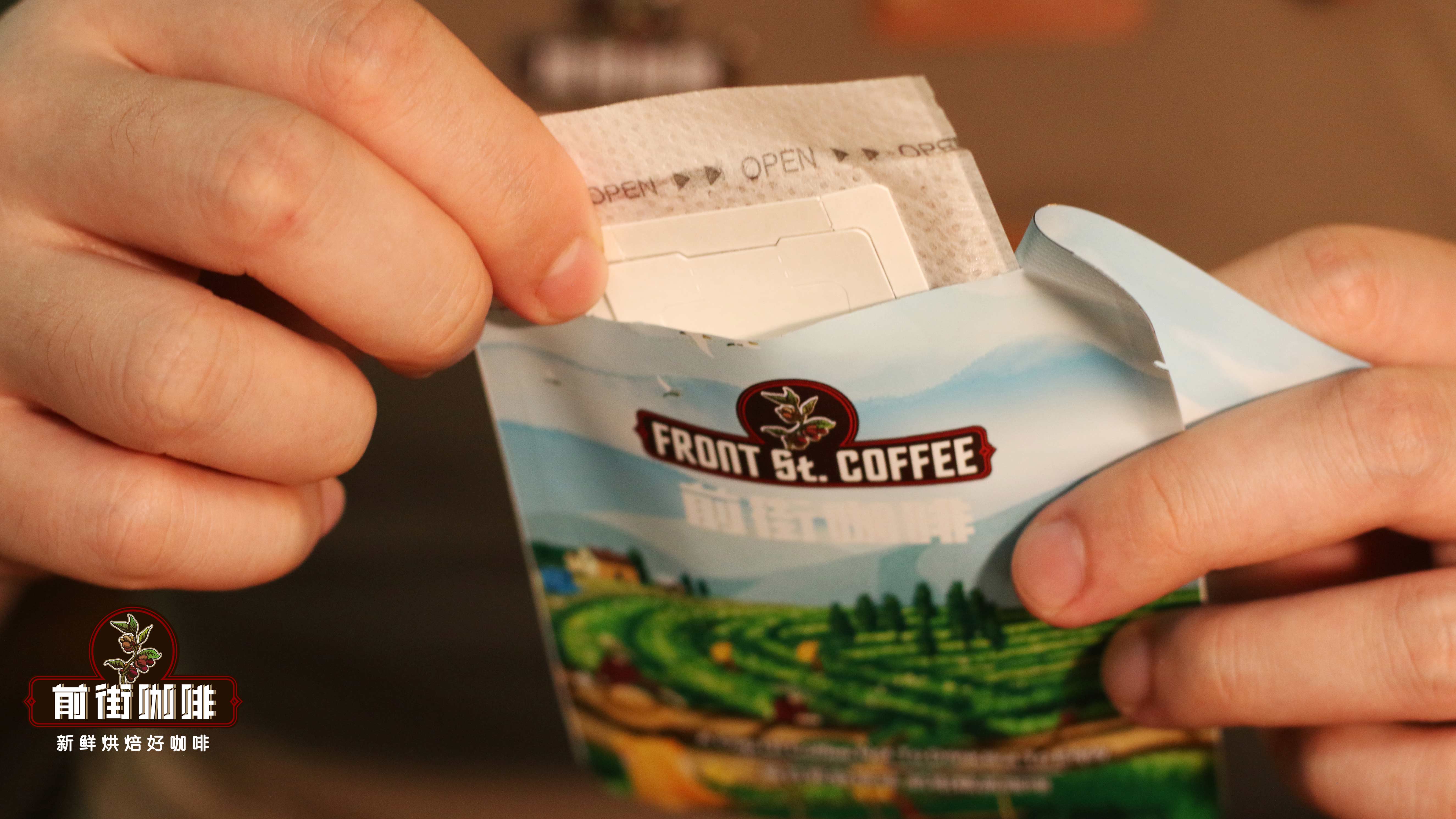
Another key factor is freshness. Since drip bags contain pre-ground coffee packed in filter bags and often vacuum-sealed, the flavor and aroma of the coffee can still deteriorate quickly once the beans are ground. Therefore, for the best drinking experience, it’s recommended to finish the coffee within half a month after grinding. When selecting drip bags, prioritize brands that ensure freshness—for example, some brands insist on producing drip bags within five days of roasting and offer fast shipping services to ensure customers receive coffee that still showcases its most vivid flavor characteristics.
The above content is compiled by CoffeeHunters, a coffee news website.


