







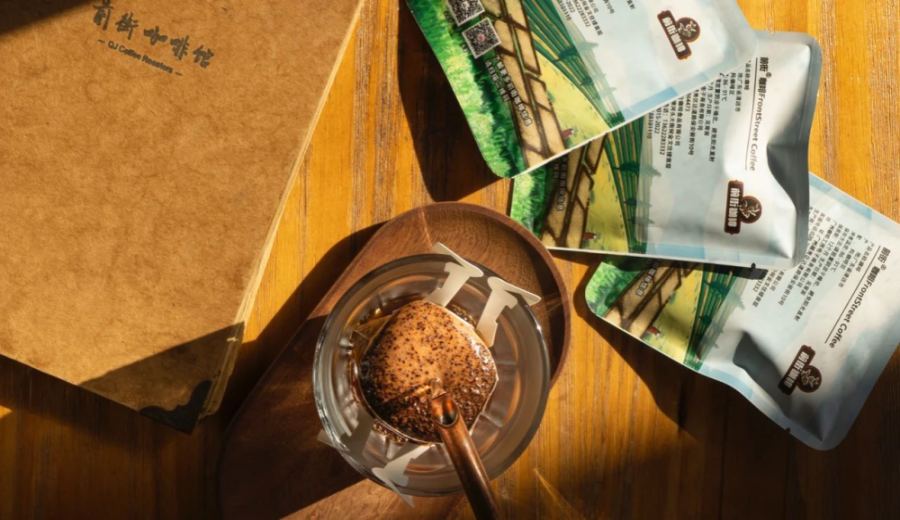
Introduction:Drip bags have become increasingly popular in recent years, allowing busy modern individuals to easily enjoy single-origin coffee flavors that closely resemble those of pour-over brewing. What are the fundamental differences between drip bags and traditional black coffee? This article delves into key distinctions—from their origins and evolution, brewing principles, why they shouldn’t be steeped for too long, to how to control water temperature and pouring techniques—providing an easy-to-understand analysis along with practical brewing steps to help you find your ideal coffee experience.
Drip bags are gradually carving out a niche in the market, with more and more coffee enthusiasts using them to savor the nuanced and multi-layered flavor profiles of single-origin coffee. Compared to instant coffee, which only requires adding water and stirring, drip bags use a hanging filter bag design with hot water brewing. Not only is the process simple, but it also retains a sense of ritual similar to pour-over. For those seeking a good cup of coffee after a tiring day at work, it’s undoubtedly a balanced and practical choice.
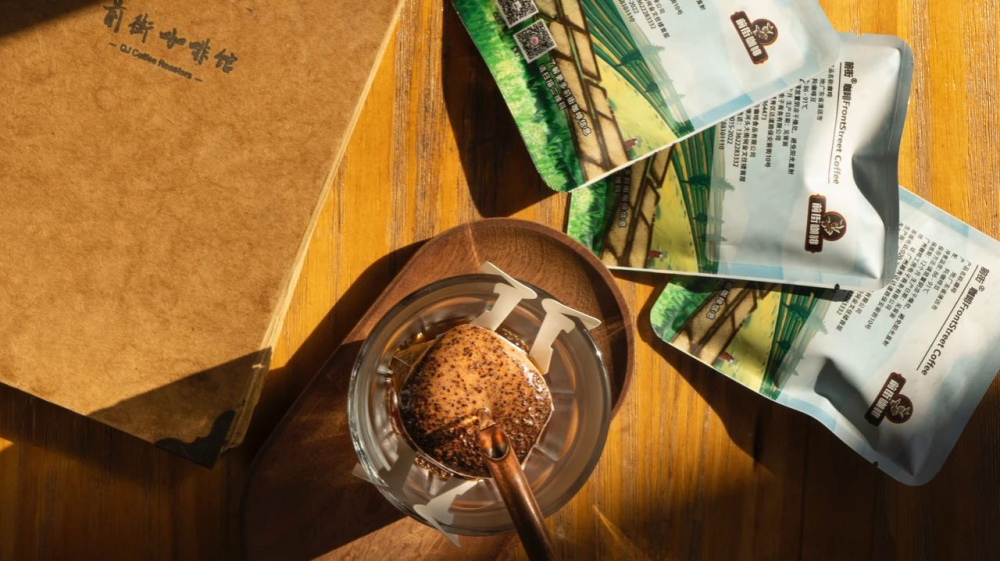
The origin of drip bags can be traced back to the 1990s when Japan’s Yamasan Industries Co., Ltd. was inspired by hanging tea bags and developed one of the earliest filter-drip coffee products, for which they applied for a patent. However, the first-generation design could not stably support the weight of the coffee grounds, often becoming unbalanced during brewing, resulting in uneven extraction, and ultimately failed to achieve commercial success. It wasn’t until 2001 that Japan’s UCC Ueshima Coffee refined the design by extending the ear-like structures outward and securing a patent, officially establishing the prototype of today’s drip bags. It was later introduced to the market, becoming a new, convenient coffee option that doesn’t compromise on flavor.
From a technical perspective, the principle behind drip bags is relatively simple yet ingenious. Pre-ground coffee is placed in a non-woven fabric filter bag, and by slowly pouring hot water, the liquid passes through the coffee grounds layer, gradually extracting flavor compounds, acidity, and sweetness. Compared to traditional pour-over coffee, drip bags eliminate the need for preparation tools such as a filter cone, filter paper, or grinder, significantly lowering the barrier to entry—even beginners can easily get started.
However, there is one key precaution for drip bags:Do not steep for long periods.Because the grind size of drip bag coffee is usually finer than that used for pour-over, this accelerates the release of flavor compounds. According to tests, about 30% of the flavor compounds can be extracted within the appropriate brewing time, while the remaining 70% largely consist of woody fiber components. If the drip bag is not removed promptly after brewing, these woody impurities may seep into the coffee, resulting in a bitter or even woody taste. Therefore, it is recommended to remove the filter bag immediately after brewing, and never attempt a second brew, as it may negatively impact the overall flavor.
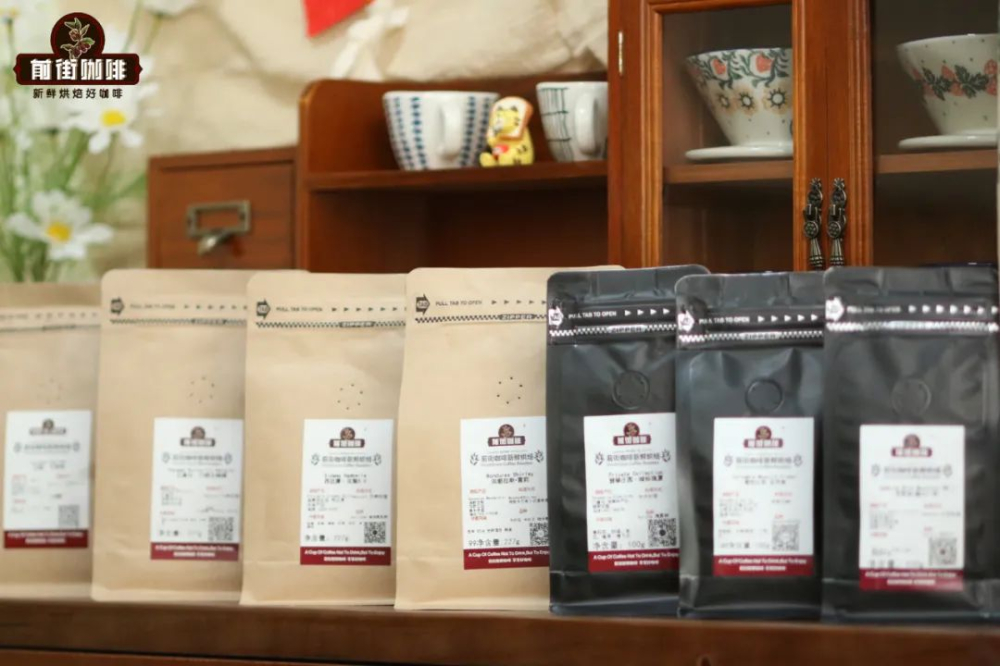
So, how should you properly brew drip bag coffee? The tools required are extremely simple: a drip bag, a cup, and hot water. Of course, having professional tools like an electronic scale, thermometer, and gooseneck kettle can help you more precisely control extraction parameters—but even without them, as long as you follow the basic steps, you can still brew a cup of coffee with balanced flavor.
First, open the outer packaging of the drip bag and take out the inner filter pouch. Tear along the indicated “OPEN” dashed line, gently open the pouch, then hang the two “ear”-shaped cardboard pieces on the rim of your cup or pot. Each drip bag contains 10 grams of coffee grounds, and the generally recommended brew ratio is1:15, which balances flavor complexity and overall harmony.
The first step in brewing is to pour a small amount of hot water—about 20–30 ml—to bloom the coffee grounds. Control the blooming time to be within10 to 20 secondsto allow the carbon dioxide in the coffee to release, laying a stable foundation for subsequent extraction. Next, begin the main pouring phase. It is recommended to pour in three stages: during the first stage, pour until the water level is close to the edge of the filter bag, then pause and wait until the coffee liquid has dripped down by about half before proceeding to the second stage. Pour again to near the edge, and finish with a third stage to ensure the coffee grounds inside the filter bag are evenly saturated. Once all the coffee liquid has completely dripped through, you can remove the drip bag and enjoy a cup of drip coffee with clear, distinct flavors.
The above content is compiled by CoffeeHunters, a coffee news website.


