







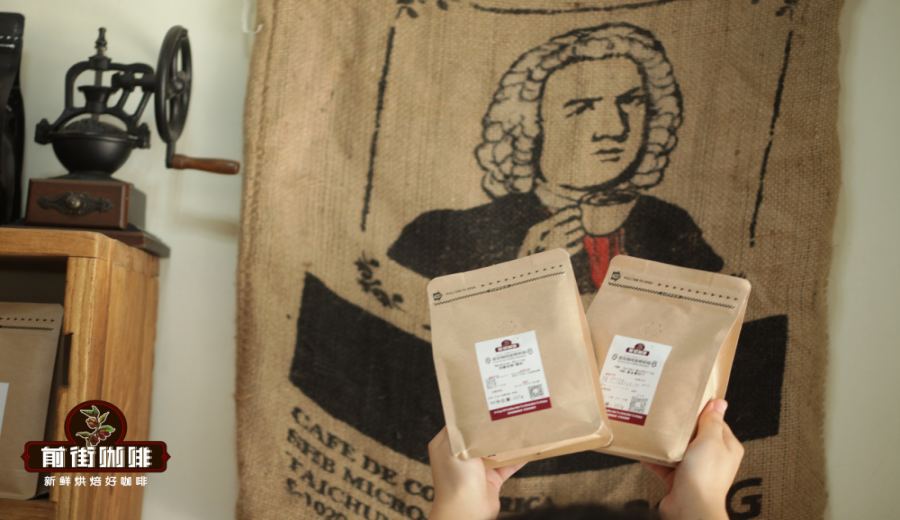
Introduction:The Mozart coffee from Finca Canet in Costa Rica’s Tarrazú region, processed with the raisin honey method, delivers intense sweetness and floral-fruit aromas, making it one of the specialty beans sought after by many coffee enthusiasts. This article delves into its regional background, processing technique, and the unique story behind its name, while also providing practical V60 pour over parameters and steps to help you precisely extract its layers of white floral, berry, and honey sweetness.
Among the Musician Series launched by Finca Canet in Costa Rica’s Tarrazú region, Mozart coffee stands out with its sweet and mellow taste and rich floral-fruit character brought by the raisin honey process, becoming a prized brew for many coffee lovers. Not only does it shine in flavor, but the processing technology and regional characteristics behind this coffee are also worth exploring in depth. This article will guide you through the region’s environment, bean variety selection, processing method, and optimal pour over parameters to fully appreciate this honey-like sweet coffee.
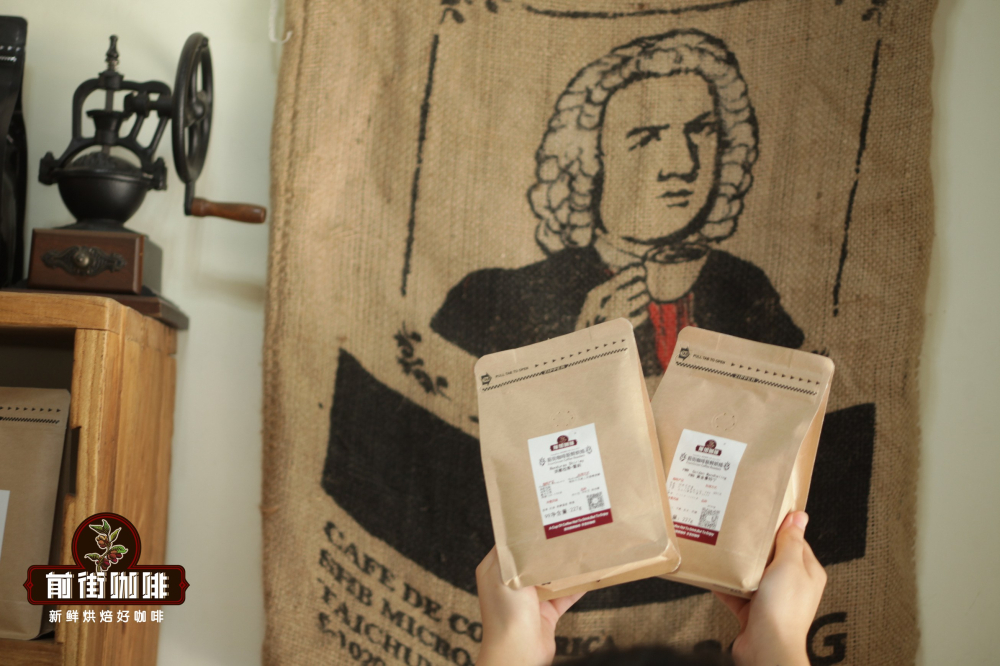 The name of Mozart coffee in the Musician Series is inspired by its flavor resemblance to the works of Austrian musician Mozart—bold yet elegant, with bright white florals and rich berry notes, and a honey-like lingering finish. Many wonder why a coffee would be named after a musician. In fact, this ties to the personal preference of Finca Canet’s manager for classical music. He associates the aroma and taste of the coffee with composers, and this coffee’s profile happens to echo the style of Mozart’s compositions.
Costa Rica’s coffee cultivation history dates back to the late 18th century, starting in the central valley region before expanding nationwide, making it the first country in Central America to develop a coffee industry. As early as 1829, coffee was already an important cash crop and source of foreign exchange for the country. The government even legislated that only Arabica varieties could be planted, banning Robusta, laying the foundation for high-quality coffee. Tarrazú, as one of the highest-altitude regions in Costa Rica, features large day-night temperature variations and slow ripening of coffee cherries, allowing ample flavor compounds to accumulate. Its SHB-grade coffee beans are known for balanced acidity and sweetness with bright fruitiness, earning recognition in international competitions time and again.
 Finca Canet is located at an altitude of 1,980 meters in Tarrazú. The surrounding area is mainly planted with tropical fruits such as passion fruit, and coffee cultivation is relatively scarce. Therefore, each coffee cherry is carefully selected, with only fully red coffee cherries being harvested. This Mozart coffee is a blend of Caturra and Catuai varieties, processed using the raisin honey method. Unlike regular honey processing, the raisin honey method involves placing fully ripe red cherries with their pulp on raised beds for sun drying until the fruits shrink to a raisin-like state before removing the outer skin, thus retaining the maximum amount of mucilage for subsequent drying. This technique significantly enhances sweetness and fermentation complexity, resulting in a coffee with a white wine-like acidity-sweetness balance and intense fruity aroma.
This coffee is roasted to a medium level, aiming to balance sweetness and acidity, and is ideal for brewing with a V60 filter to showcase its delicate layers. It is recommended to use a fine grind with an 80% passing rate through a Chinese standard No. 20 sieve, water temperature controlled at 90°C, a powder-to-water ratio of 1:15, and about 15 grams of coffee. The pour over process is as follows: start with a 30-gram bloom for about 30 seconds to release CO₂ and initiate flavor development; then pour in a thin stream in circular motions centered around the coffee bed up to 125 grams, wait for the water level to drop slightly, and continue pouring up to 225 grams, with total extraction time kept around 2 minutes. These parameters effectively bring out the white floral notes, berry tones, and honey finish, making it suitable for coffee drinkers who enjoy both sweetness and layered complexity.
For those trying raisin honey processed coffee for the first time, it is especially important to pay attention to the combination of water temperature and grind size. An overly coarse grind may lead to under-extraction, losing the intended sweetness and fruitiness, while too high a water temperature may amplify off-flavors from over-fermentation. Additionally, if you don’t have a grinder at home, although pre-ground coffee is an option, be aware that increased surface area exposure to air can cause flavors to dissipate quickly. It is recommended to brew as soon as possible for the best tasting experience.
The above content is compiled by CoffeeHunters, a coffee news website.


