







Introduction:Delve into the Geisha coffee of Panama’s Boquete region—from its origins and growing environment to the flavor profiles of single-origin and blended versions—and gain a comprehensive understanding of this highly acclaimed specialty coffee. Learn why Boquete’s highland microclimate gives Geisha its distinctive floral and fruity notes, and compare the experiences of pour-over single-origin and everyday blends to help you find your ideal way to enjoy Geisha.
Geisha coffee, with its unique floral and fruity aromas and bright acidity, has long been a legendary variety in the specialty coffee world. The pinnacle of these flavors mostly comes from the highland coffee farms of Panama’s Boquete region. This article will take you on a journey to explore how Geisha traveled from the forests of Ethiopia to find its stage in Panama, and delve into how Boquete’s microclimate and volcanic soil nurture these top-tier coffee beans. We’ll also compare the flavor differences between single-origin Geisha and blended Geisha, helping you make the best choice based on your personal taste and budget.
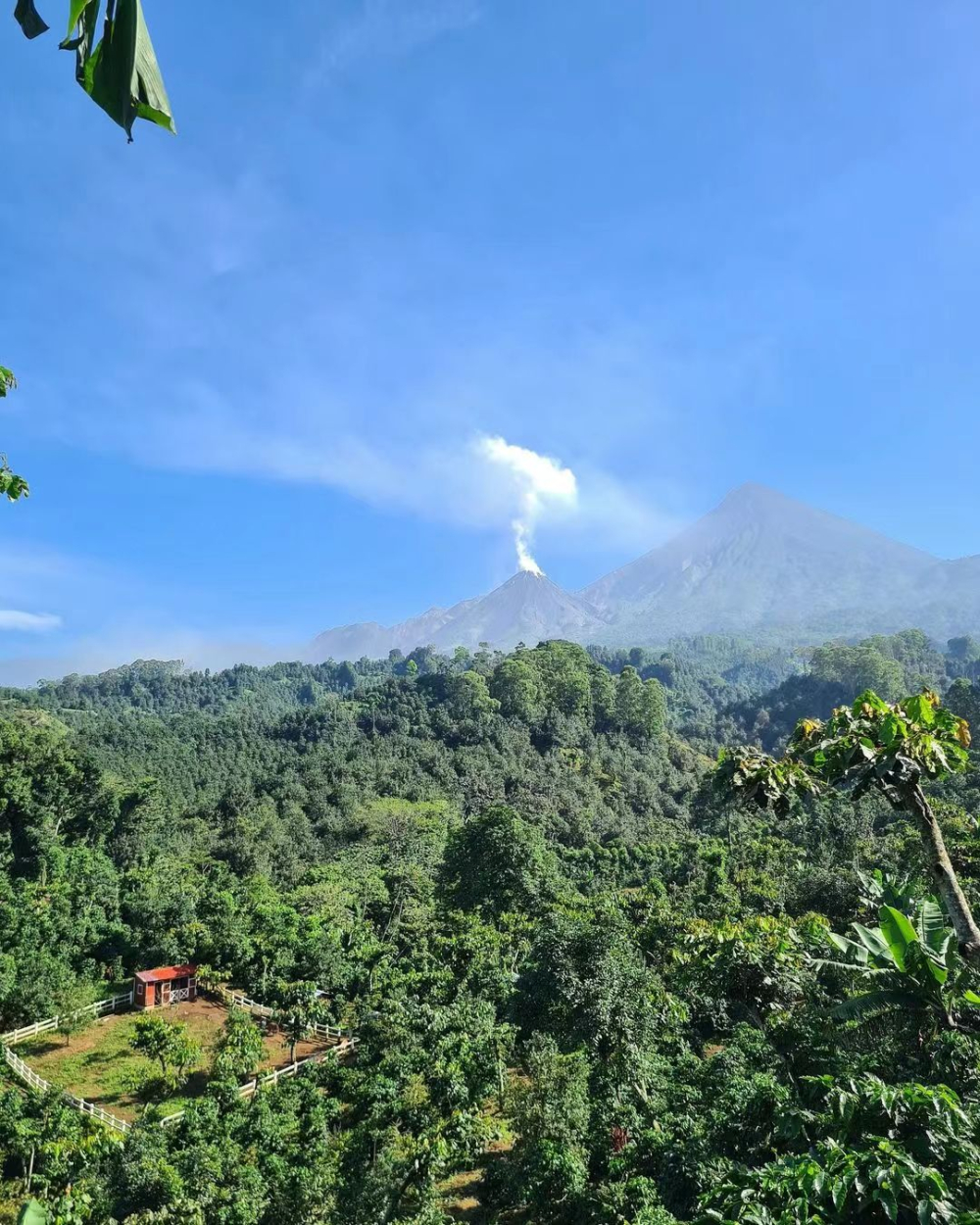
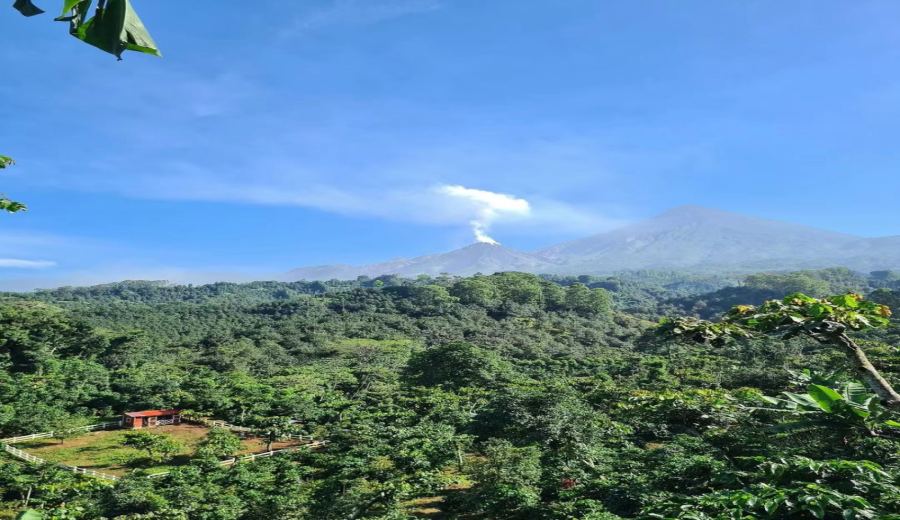
Panama is located in Central America, bordered by Costa Rica to the west and Colombia to the east. Its mountainous terrain and suitable altitudes have created a few microclimates capable of growing premium coffee. Among them, the Boquete region, due to its proximity to Volcán Barú, boasts fertile volcanic ash soil. Coupled with the cool mountain breezes that sweep through the central mountains daily, it forms a unique microclimate with significant day-night temperature variations—this is the key factor that allows premium coffee varieties like Geisha to showcase their complex flavors.
Boquete is not only an important origin of Panama’s specialty coffee but also home to many renowned estates, such as La Esmeralda, Elida, and Sophia, all of which are top producers that have repeatedly won accolades in international competitions. These estates are mostly located at altitudes between 1400 and 1800 meters, providing nearly perfect growing conditions for Geisha.
The history of Geisha dates back to 1931, when this coffee variety, native to the Gesha Forest in southern Ethiopia, was collected and sent to the Kenya Coffee Research Institute. Over the following decades, it gradually made its way to Uganda, Tanzania, and Costa Rica, yet it remained largely overlooked. It wasn’t until 1963 that a grower named Don Pachi Serracin introduced the Geisha variety to Panama, but due to its low yield, it did not gain widespread cultivation for a long time.
The turning point came in 2004, when Daniel Peterson, the owner of Panama’s Hacienda La Esmeralda, discovered that coffee beans harvested from the estate’s high-altitude areas exuded uniquely distinct citrus and floral aromas, markedly different from typical Central and South American coffees. He cupped these beans separately and entered them in that year’s Panama Coffee Competition, where they achieved astonishing results, sparking a global specialty coffee craze for Geisha.

As Geisha consistently scored high in international evaluations and auction markets fueled the hype, its price gradually climbed from modest levels to the realm of “luxury coffee,” becoming a highly sought-after brew for many coffee enthusiasts. This craze also elevated Panama to one of the world’s leading producers of specialty coffee.
If you’re looking to experience the captivating flavors of Geisha for the first time, it’s recommended to start with the most representative single-origin Geisha from Panama’s Boquete region. These coffees are typically processed using the washed method and lightly to medium roasted to preserve the maximum original flavors, featuring bright citrus, jasmine floral notes, and delicate tropical fruit acidity. The taste is clean and layered, making it perfect for coffee enthusiasts who enjoy pour-over, drip bags, or cold brew. It’s advised to choose freshly roasted beans and enjoy them within 5 to 14 days post-roast for optimal flavor expression.
If you wish to experience the unique charm of Geisha on a more budget-friendly basis, consider trying a Geisha blend. These products usually use 70% Geisha as the base, blended with other high-quality varieties such as Caturra and Catuai, creating a balanced flavor profile that combines citrusy sweetness with a rich honey finish. Such blends not only showcase the core characteristics of Geisha but also make daily enjoyment more affordable, suitable for everyday drinking or as a base for milk coffee.
The above content is compiled by CoffeeHunters, a coffee news website.


