








Introduction:A deep dive into the Mozart coffee beans from Costa Rica’s high-altitude Tarrazú region — exploring the backstory behind its musician-inspired name, the origins of the Canet processing farm, the raisin honey processing fermentation technique, and how to extract its captivating berry sweetness and rich wine-like body through pour over brewing. This article provides comprehensive regional information, processing method insights, and practical three-stage pour over parameters to help you master this uniquely flavored specialty coffee.
In Costa Rica’s high-altitude Tarrazú region, there is a coffee bean named after the classical musician Mozart, part of the area’s renowned Musician Series. Produced by the Canet processing farm, this bean is widely praised for its intense fermentation aroma, prominent berry notes, and honey-like finish. Its unique raisin honey processing method is key to shaping its flavor profile, making this coffee stand out in the market.

Many coffee enthusiasts, upon first encountering this bean, often wonder why it’s named Mozart. In fact, this stems from the management team at the Canet processing farm’s passion for classical music. They felt that the coffee’s bright acidity and rich fruitiness closely matched the creative style of the musical prodigy Mozart, thus giving this artistic name to the bean. Not only does the name have a story, but the raisin honey processing used for this bean is also a major highlight.
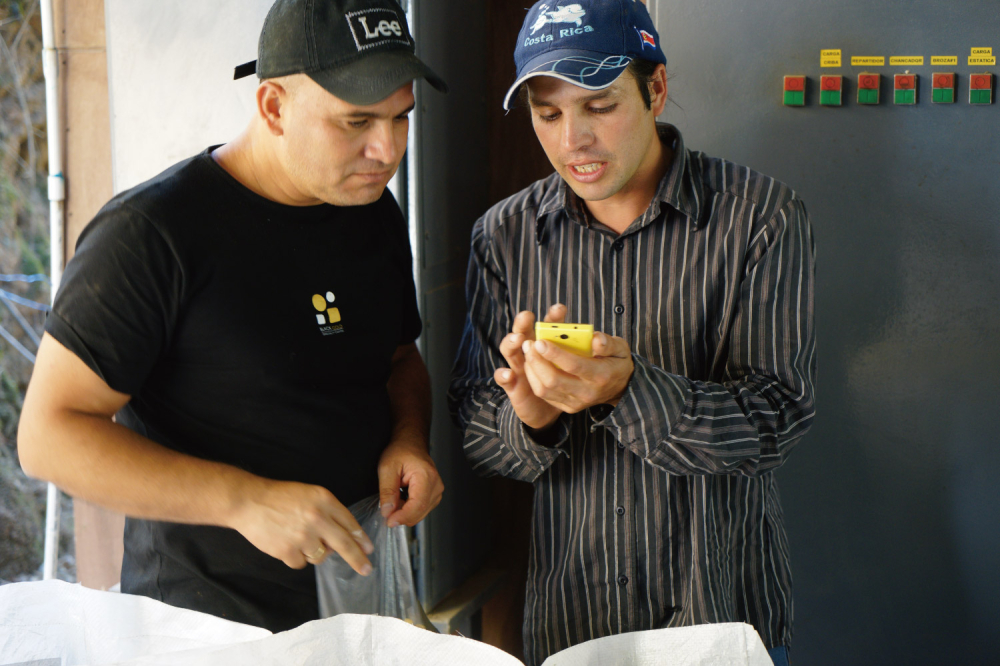
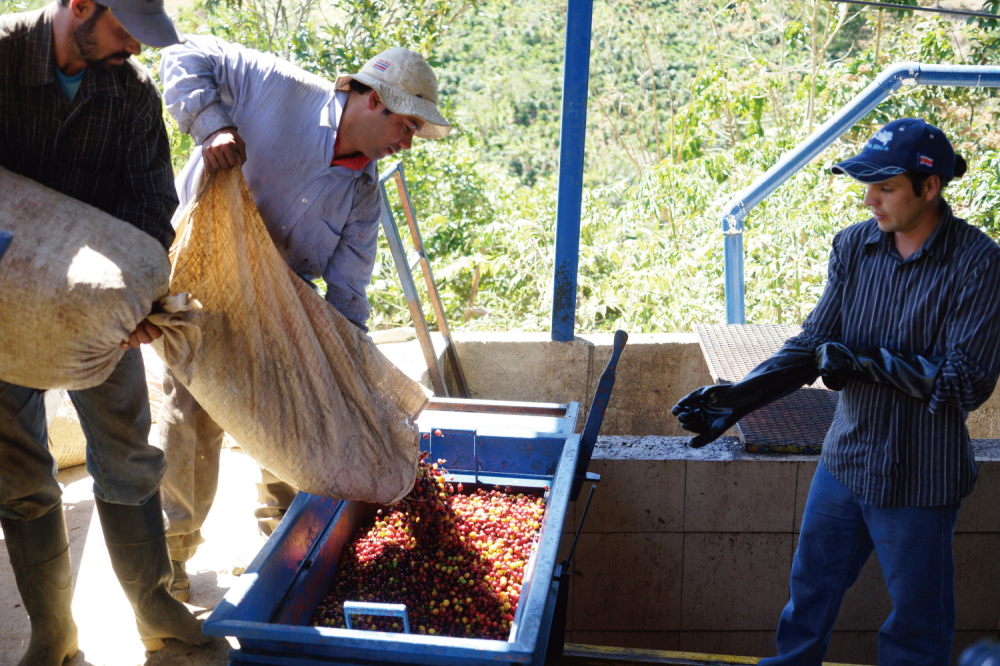
The Canet processing farm is located at an altitude of about 1,980 meters in the highlands of Costa Rica, within an area of the Tarrazú region dense with fruit plantations. Though the coffee cultivation area is limited, farmers are extremely selective when picking the coffee cherries, harvesting only perfectly ripe red ones. Originally just a centralized processing station for nearby coffee farmers, it has gradually transformed into a small-batch processing facility focused on quality and flavor expression, in line with the rise of the specialty coffee trend.
This Costa Rican Mozart coffee bean is clearly labeled as coming from the Tarrazú region, grown at an altitude of up to 1,980 meters, with varieties commonly found in high-altitude areas: Caturra and Catuaí. It is graded as SHB (Strictly Hard Bean), indicating a harsh growing environment, dense bean structure, and strong flavor potential. The processing method employs raisin honey processing — a type of honey process with a higher degree of fermentation and the most pronounced sweetness.
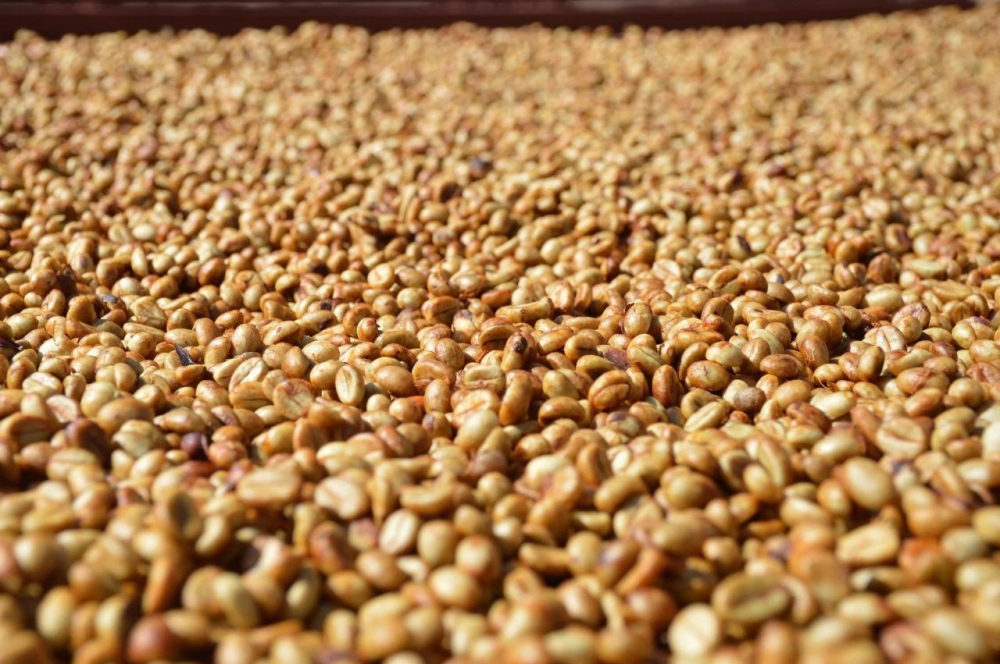
As the name suggests, raisin honey processing mimics the natural drying process of raisins. After harvesting the coffee cherries, farmers first carefully select fully ripe red ones, then clean and sort them preliminarily before evenly spreading them on sun-drying patios. The fruits are slowly dried under the sun until their appearance resembles the wrinkled state of raisins. By this point, the pulp and mucilage are highly concentrated before the beans are depulped, while efforts are made to retain as much of the intact mucilage layer as possible for subsequent drying.
This sun-drying followed by hulling process differs from typical honey processes or traditional washed methods, significantly extending fermentation time and enhancing sweetness and flavor intensity. Since the entire process retains 100% of the mucilage, it leads to more complex fermentation aromas during drying, ultimately delivering a white wine-like acidity, rich berry tones, and a lasting honey sweetness.
For brewing recommendations, since this Mozart coffee bean is typically medium-light roasted to highlight its floral-fruity aromas and delicate acidity, it’s important to adjust water temperature and grind size appropriately during brewing to fully extract its flavor compounds. It is generally recommended to use a Hario V60 filter, with a water temperature of 91°C, a powder-to-water ratio of 1:15, around 15 grams of coffee, and a medium-fine grind passing 80% through a standard Chinese No. 20 mesh sieve.
For the specific pour over process, a three-stage pouring method is suggested: First, pour 30 grams of hot water for a 30-second bloom to initiate the release of aromatic compounds from the coffee grounds; then, slowly circle with a thin stream from the center, pouring until the water level reaches 125 grams. Once the water level drops slightly, continue circling to reach a total of 225 grams. The total extraction time should be controlled at around 2 minutes. This method effectively enhances the coffee’s layered profile, balancing sweetness and acidity, and delivering a more three-dimensional flavor expression.
Compared to a single-pour method, the three-stage approach avoids issues such as overly concentrated extraction in one phase, which can lead to thin mouthfeel or premature release of impurities. For beginner pour over enthusiasts, the three-stage method is not only easier to control, but also allows for a clear appreciation of the nuanced flavor changes in the coffee, especially the sweet-sour berry notes and the prominent honey sweetness in the finish.
In summary, the Costa Rican Mozart coffee bean, with its high-altitude cultivation, carefully selected ripe red cherries, raisin honey processing, and the unique cultural background of its musician-inspired name, has become a flavor masterpiece cherished by many specialty coffee lovers. With the right brewing parameters and techniques, you can easily enjoy this coffee at home—bursting with berry aroma, rich wine-like depth, and distinct sweetness.
The above content is compiled by CoffeeHunters, a coffee news website.


