







Introduction:As one of Brazil's most representative and rare coffee varieties, Yellow Bourbon is highly acclaimed for its rich, sweet flavor profile, even consistently ranking in the top three of Brazil's Cup of Excellence competitions. This article delves into the Yellow Bourbon beans from Queen Estate in the Mogiana region, analyzing its unique genetic background, the fruit sugar accumulation effect nurtured by high-altitude microclimates, and providing a complete pour-over brewing guide—including grind size, water temperature, brew ratio, and a three-stage pouring technique—to help you unlock its signature notes of dark chocolate, cream, nuts, and sugarcane sweetness.
Yellow Bourbon is one of the rarest and most celebrated specialty coffee varieties in Brazil, distinguished primarily by its layered sweet fruity aroma and full-bodied taste. In the past two editions of Brazil’s Cup of Excellence, Yellow Bourbon has almost monopolized the top three spots, demonstrating its strong presence in the international specialty market. Take the Yellow Bourbon from Queen Estate as an example—it is grown at altitudes between 1400 to 1950 meters in the Mogiana region, where the unique microclimate formed by high elevation creates exceptional potential for flavor expression in this variety.
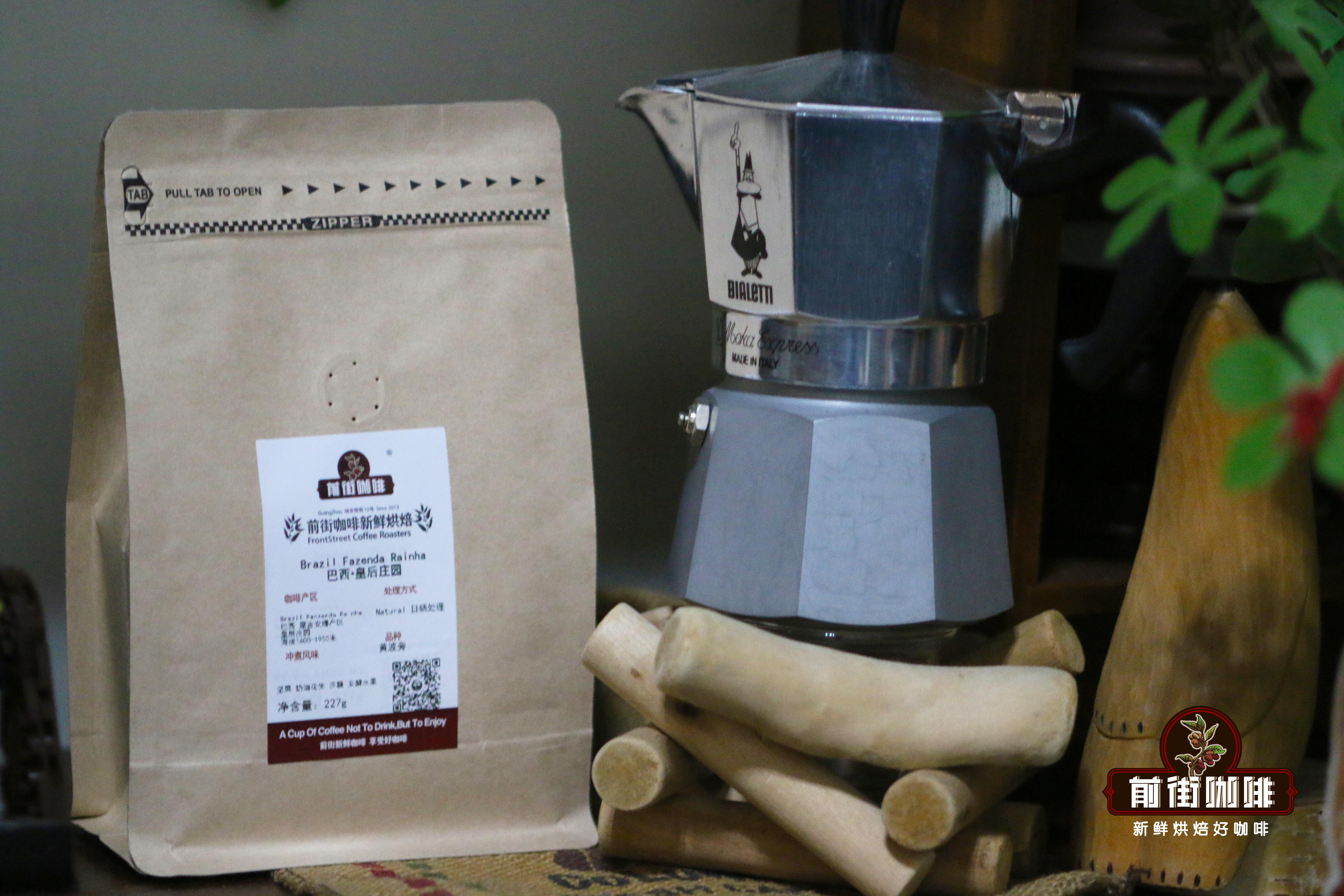
Queen Estate (Fazenda Rainha) is located in the Mogiana area of São Paulo state, Brazil. Unlike many large-scale coffee-growing regions focused on yield, this estate specializes in small-batch, meticulously processed coffees, and insists on manually selecting only perfectly ripe coffee cherries to ensure each bean meets specialty-grade standards. Additionally, the estate employs washed processing and medium-dark roasting techniques, which impart intense notes of chocolate, nuts, and cream, with a sweet and lingering aftertaste—making it a classic choice for pour-over enthusiasts.
The unique yellow hue of Yellow Bourbon cherries stems from its genetic selection characteristics. Research from the Campinas Agronomic Institute (IAC) shows that coffee cherry color is controlled by specific gene combinations: plants with the dominant XcXc gene produce red berries, while those with the recessive xcxc combination yield yellow fruits, occasionally exhibiting an orange transitional form. This yellow manifestation is not just a visual difference but is directly linked to the accumulation of fruit sugars in the cherries. In high-altitude environments, Yellow Bourbon exhibits more active fructose synthesis, resulting in flavors with exceptionally high sweetness and a juice-like richness—a key reason for its repeated accolades in international competitions like COE.
Beyond its genetic advantages, the Yellow Bourbon from Queen Estate also benefits from the unique high-altitude environment of the Mogiana region. With significant day-night temperature variations, abundant sunlight, and moderate temperatures, the region supports slow ripening of coffee cherries, allowing them to accumulate more sugars and complex aromatic compounds. Compared to Bourbons grown at lower elevations, high-altitude Yellow Bourbon features higher bean density and concentrated flavors, making it easier to achieve a balanced profile of caramel, cream, and nuts during roasting.
In terms of roasting strategy, to fully showcase the classic richness and distinctive sweetness of Brazilian Yellow Bourbon, the team opted for a medium-dark roast as the optimal degree. This level not only enhances the bean’s inherent aromatic layers but also preserves the unique fruity sweetness and gentle acidity of Yellow Bourbon. Multiple cupping sessions have confirmed that medium-dark roasting highlights the characteristics of dark chocolate, roasted peanuts, and sugarcane sweetness without overwhelming its delicate nuances through over-roasting.
For brewing this Queen Estate Yellow Bourbon, it is recommended to use a KONO filter to enhance the rich mouthfeel and rounded body. Below are professional-level pour-over parameters and steps, ideal for coffee enthusiasts aiming to accurately replicate competition-grade flavors at home:
- Water temperature:87–88°C (moderately high to highlight sweetness, but avoid over-extraction)
- Grind size:Medium (approximately 70% passing through a Chinese standard No. 20 sieve, similar in texture to fine sugar)
- Coffee dose:15 grams
- Brew ratio:1:15 (total water volume approximately 225 grams)
- Brewing technique:Three-stage pouring, emphasizing stable flow rate and even extraction
Practical recommendations: Begin with a 30-second bloom using hot water equal to twice the coffee dose (about 30 grams) to evenly saturate the grounds and release aroma. Then, pour in a slow, circular motion from the center outward with a thin stream until the total water reaches 125 grams, followed by the first pause to allow the coffee bed to settle. When the water level drops to the middle of the filter, pour again at the same rate until reaching 225 grams, then let it drain completely—total brew time should be around 2 minutes. This setup effectively minimizes over-extraction risks while preserving the unique sweetness and aromatic complexity of Yellow Bourbon.
The resulting cup showcases pronounced notes of dark chocolate, cream, peanuts, and nuts, accompanied by a natural sugarcane-like sweetness. The overall profile is rich yet refreshing, with a long, layered aftertaste. Whether for everyday enjoyment or professional cupping, the Yellow Bourbon from Queen Estate embodies the pinnacle of Brazilian specialty coffee.
The above content is compiled by CoffeeHunters, a coffee news website.


