







Introduction:Arabica coffee is the mainstream variety in the global specialty coffee scene, and Blue Mountain coffee also belongs to this category. This article delves into its characteristics and recommended brewing methods by exploring its varietal evolution, flavor profiles, and common derivatives such as Typica, Bourbon, Caturra, and Catuai. It also discusses the challenges and advantages of the Arabica species, helping you build a more comprehensive understanding of coffee from flavor to variety.
Arabica (Arabica) is the most highly regarded coffee variety in today’s specialty coffee market, not only for its rich flavor complexity but also for its suitability with various brewing methods such as pour over and drip bags. Blue Mountain coffee, a world-renowned top-tier coffee, also belongs to the Arabica family. What exactly is the allure of Arabica that has made it synonymous with specialty coffee? This article will introduce the origins, flavor profiles, and ideal growing environments of Arabica in depth, and take an in-depth look at the characteristics of common derivative varieties such as Typica, Bourbon, Caturra, and Catuai, guiding you to comprehensively grasp this important branch of the coffee world from flavor to variety.
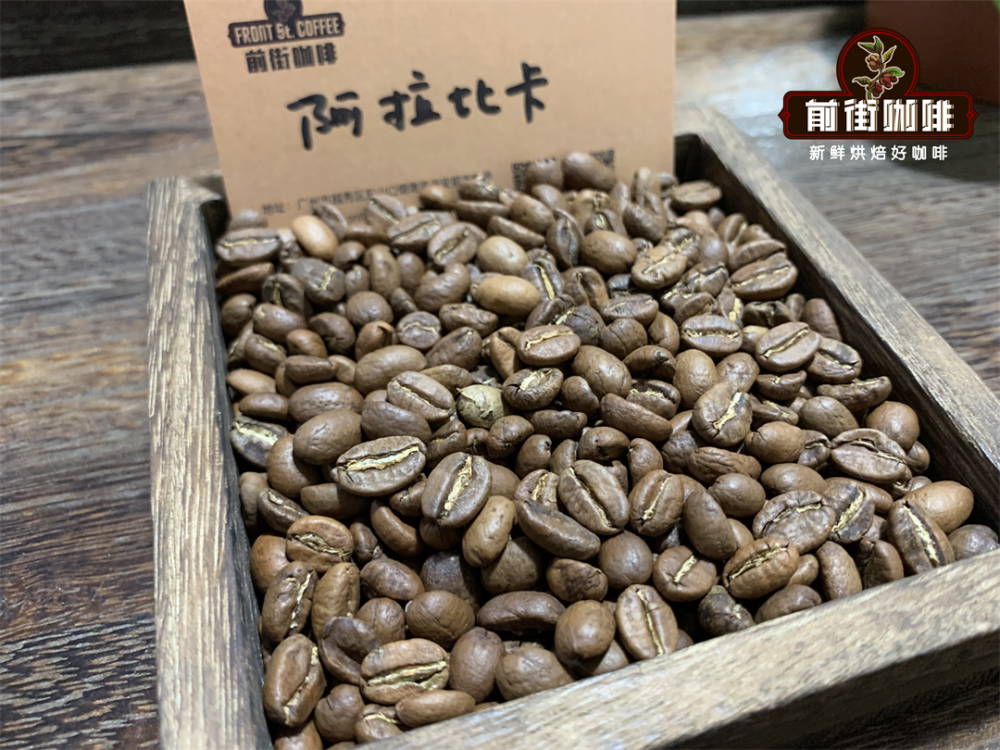
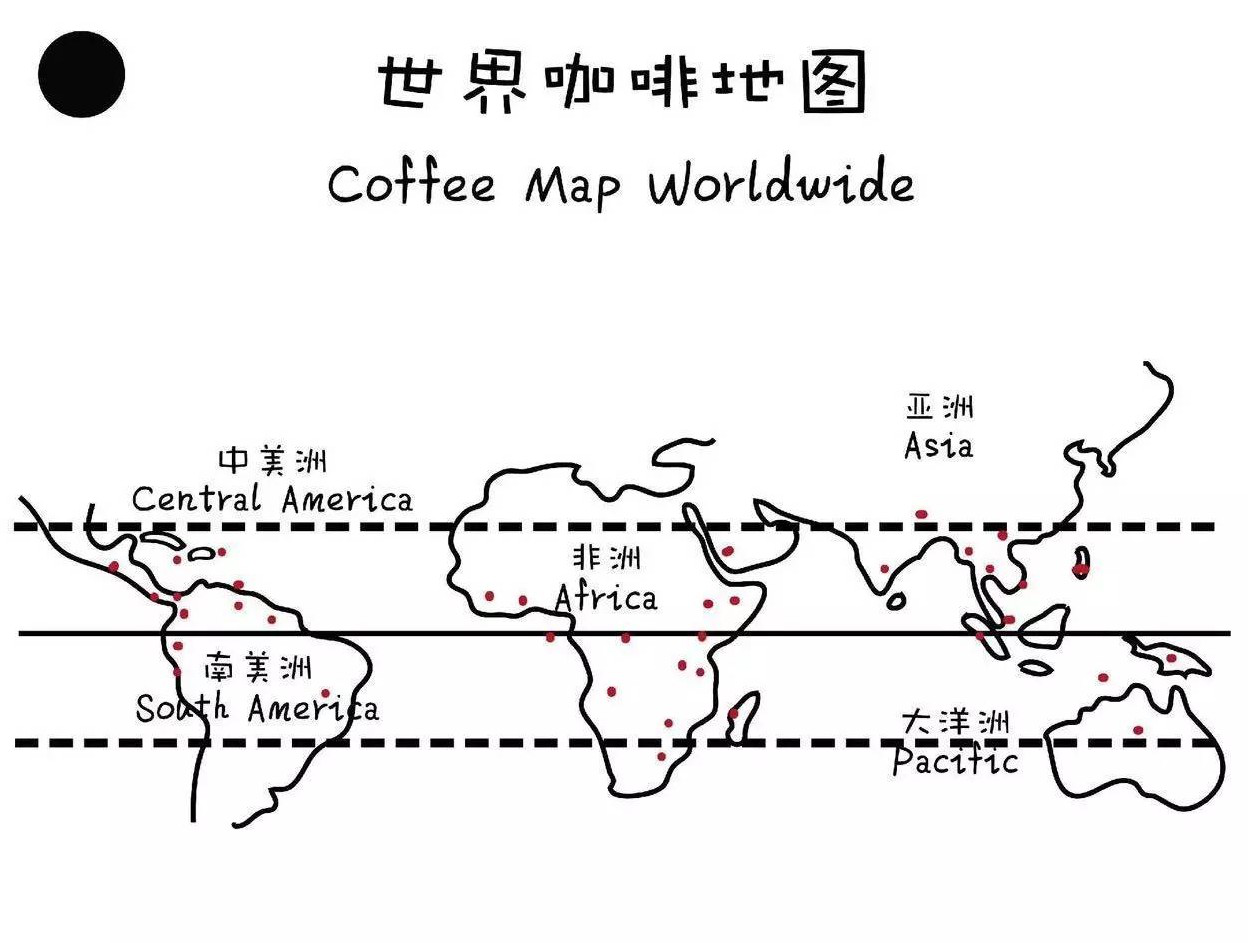
Among the three major coffee varieties — Arabica, Robusta, and Liberica — Arabica stands out with its unique aroma and acidity, becoming the preferred choice for professional cupping and the high-end coffee market. Its caffeine content is about 0.8% to 1.5%, significantly lower than Robusta, which also contributes to its more delicate flavor expression. Currently, approximately 75% of global coffee production is Arabica, mainly grown in high-altitude regions of Central and South America, Africa, and Asia, particularly between elevations of 1000 to 2000 meters , where its refined flavor potential can be best expressed.
However, Arabica is not without its flaws. It is extremely particular about its environment, typically only able to grow in cool, high-altitude conditions. It is intolerant to frost, has relatively weak resistance to pests and diseases, and is particularly susceptible to leaf rust, which has caused severe production declines in many regions. To overcome these limitations, many Arabica derivative varieties have emerged over time, including Typica, Bourbon, Caturra, and Catuai, which were developed through natural mutations or human hybridization. These varieties have to varying degrees improved disease resistance, yield, and adaptability.

When we say a cup of coffee is “100% pure Arabica,” it usually means that the beans have good flavor potential and can achieve a cupping score of 80 points or above, which is the basic threshold for specialty coffee. In contrast, Robusta varieties, due to their harsh flavors and indistinct acidity, rarely meet this scoring level and are mostly used in instant coffee or blended formulations.
So, why is this variety called “Arabica”? The name originates from the Arabian Peninsula. According to coffee history, coffee first originated in Africa, where local tribes initially chewed coffee leaves for stimulation. Later, Arab scholars began roasting and grinding coffee beans into a beverage. Due to religious reasons, coffee gradually replaced the prohibited alcohol and became an important daily stimulant, subsequently spreading widely across the Arab world. With the expansion of the Ottoman Empire, coffee culture was introduced to Europe and then spread to the Americas, leading the West to generally believe that coffee originated from Arabia. Such beans thus came to be collectively referred to as “Arabica.”
Next, let’s take a look at some of the most representative Arabica derivative varieties:
Typica is one of the oldest Arabica varieties and is also considered the “ancestor” of many modern varieties. Originating from Ethiopia, it possesses very elegant flavor characteristics, such as bright acidity and delicate sweetness, but is also very fragile, susceptible to leaf rust, and has low yields. Despite this, many coffee enthusiasts are still enamored with its classic flavor. It is recommended to try the washed Typica from Sigri Estate in Papua New Guinea , which offers a balanced flavor profile with notes of nuts, dark cocoa, and citrus.
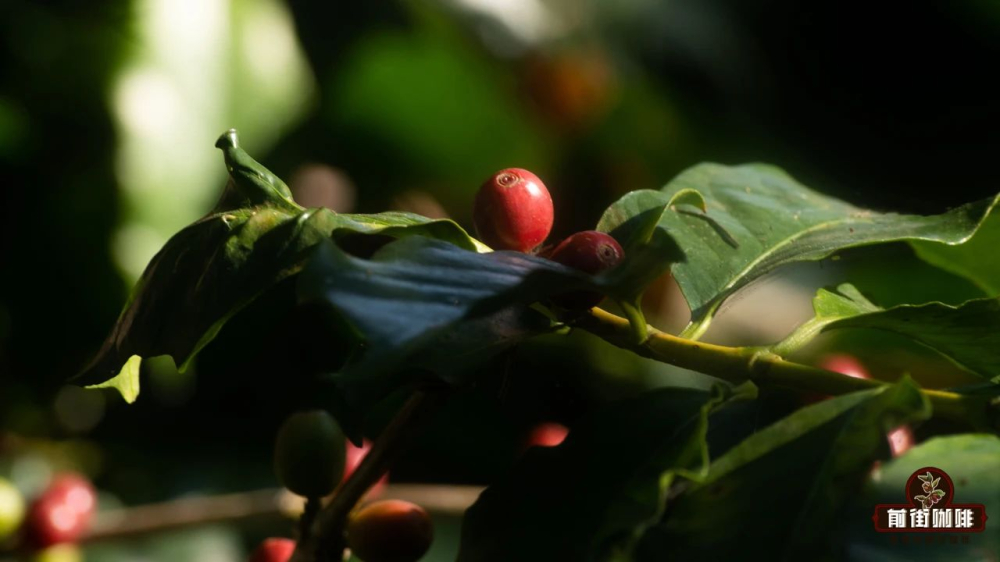
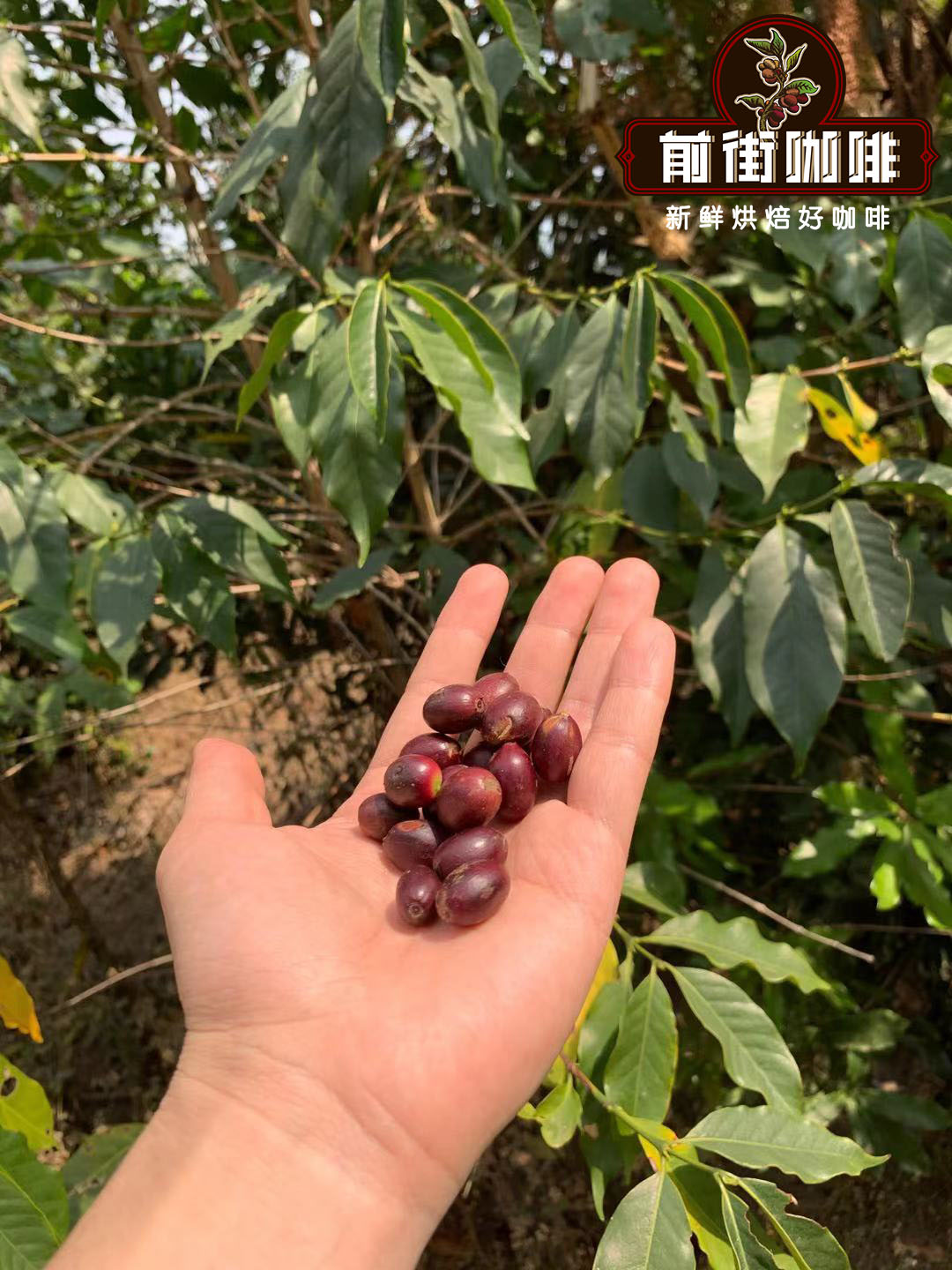
Bourbon is a natural mutation of Typica, first discovered on the island of Bourbon (now part of Réunion). The coffee cherries ripen to a bright red color. Compared to Typica, Bourbon has wider leaves and denser foliage. Although its yield is still not high, its flavor expression is richer, often featuring wine-like acidity and abundant sweetness. The Yellow Bourbon variety is especially a star cultivar in many Central and South American regions, commonly exhibiting flavor notes of cream, nuts, and fermented fruit.
Caturra is a single-gene mutation of Bourbon, discovered in Brazil in 1937. It has a shorter tree height, making it easier to harvest, and offers better productivity and disease resistance than Bourbon, though it also faces periodic yield issues. Caturra is adaptable and can grow well even in direct sunlight, earning it the nickname “sun coffee.” Its flavors are clear, with bright acidity, and it is commonly found in high-altitude regions.
Catuai is a hybrid of Caturra and Mundo Novo (a new world variety), combining wind and rain resistance with the advantage of firm, less easily dropped fruits, making it well-suited for regions with challenging weather conditions. However, its flavor profile is relatively less complex, with pronounced fruitiness but slightly lacking in body, making it suitable for consumers who prefer a fresh style.
The above content is compiled by CoffeeHunters, a coffee news website.


