








Introduction:The Mozart coffee beans from Costa Rica’s Tarrazú region, named after the composer, combine the raisin honey processing method to create a rich profile of berries, honey, and white floral notes. This article delves into the bean’s regional background, unique processing technique, as well as the optimal home pour over parameters and three-stage pouring technique to help you master brewing a coffee that is richly sweet, full-bodied, and deeply flavorful.
The Mozart coffee beans from Costa Rica’s Musician Series are a highly distinctive specialty coffee. Sourced from the Canet processing mill in the Tarrazú region, these beans are processed using the raisin honey method, giving them intense white floral and berry aromas, along with a honey-like sweet finish. Not only well-received internationally, but also highly favored by coffee enthusiasts in Taiwan and Hong Kong. This article will break down every aspect of this coffee—from its origin and processing method to pour over techniques—helping you better understand its uniqueness and learn how to brew a similar flavor profile at home.

Named “Mozart,” these Costa Rican coffee beans belong to a brand’s introduced Musician Series, with each variety named after a classical music maestro, symbolizing its unique flavor character. The Mozart beans are not only visually appealing, but their flavor is equally stunning: dry aroma carries hints of wine and the sweetness of raisins, while brewing reveals a distinct berry profile, with a honey-like sweet aftertaste lingering on the finish. Due to limited production, each bean in the series is especially precious, and Mozart stands out as one of the most representative in terms of flavor expression.
It’s worth mentioning that the processing brand behind this series is “Black Gold” from Taiwan, which owns its own processing mill in Costa Rica and is known for its small-batch, site-specific processing strategies. Among them, Canet is a key processing base located in the Tarrazú region under Black Gold. Originally just a fruit collection station, it has been transformed and invested in by Black Gold and is now a base for refined processing methods, focusing on high-altitude, small-lot premium coffee.
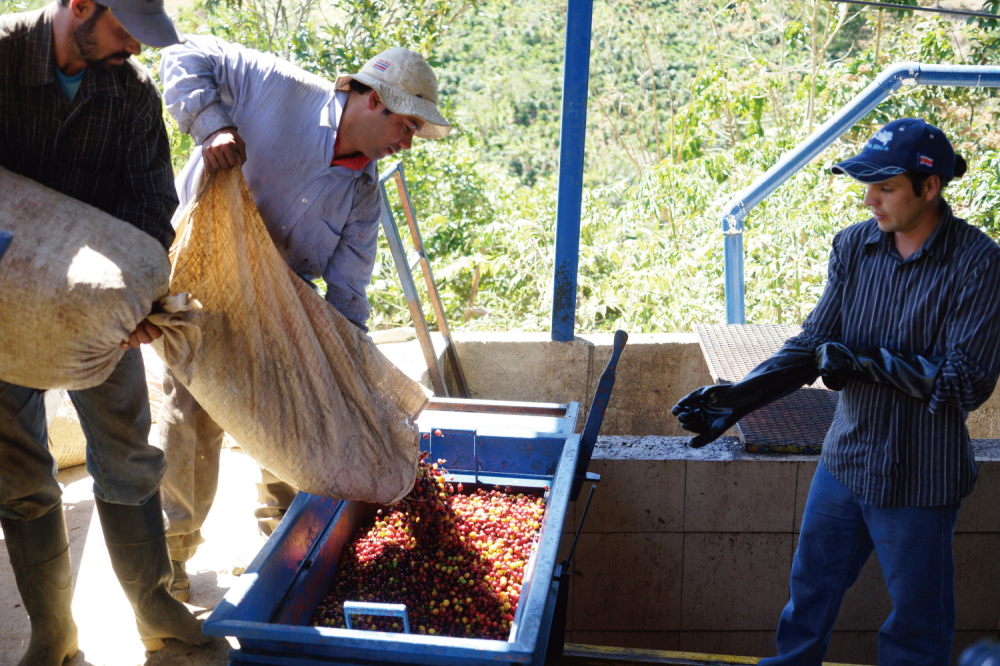
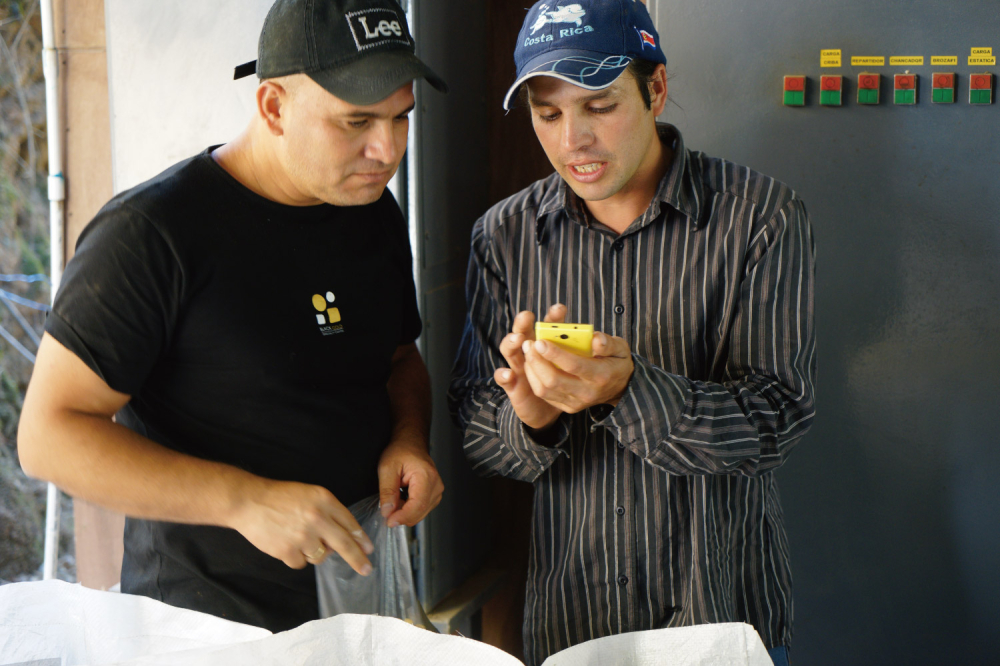 The Canet processing mill is situated in Costa Rica’s highest-altitude Tarrazú growing zone, surrounded mainly by fruit plantations, especially abundant in tropical fruits like passion fruit, which indirectly influences the fruity characteristics of the local coffee. With an altitude of 1980 meters, the large day-night temperature variation allows for excellent ripeness and sugar accumulation in the coffee cherries, laying a solid foundation for subsequent honey processing. The mill primarily processes carefully selected red cherries from surrounding smallholder farms, harvesting only fully ripe coffee fruits to ensure a high-quality starting point for the raw materials.
So why is this Mozart coffee named after the musician Mozart? According to the manager of the Canet processing mill, he is a fan of classical music and often associates the flavor profiles of new coffee batches with specific composers or musical styles. The Mozart coffee, with its grand, bold yet delicate flavor profile, reminded him directly of the musical prodigy—Mozart. This naming not only adds a touch of fun but also makes the uniquely flavored coffee easier to remember.
Speaking of the core highlight of Mozart coffee, it’s none other than the “raisin honey processing method” employed. This process falls under the category of double fermentation honey processing, with the key being the use of fully ripe coffee cherries and a special drying process to enhance both flavor intensity and sweetness. Specifically, after careful selection, the coffee cherries are evenly spread on sun-drying patios to naturally dry until they shrink in appearance, resembling raisins. This stage usually takes longer than typical sun-dried processing, helping to accumulate fermentation flavors.
Once the coffee cherries have reached a certain moisture level and their appearance has taken on that of raisins, the skin is then removed, and 100% of the mucilage layer is intentionally retained for subsequent drying. This differs from regular honey processing, which retains only part of the mucilage. The full retention of mucilage allows for ongoing fermentation reactions during drying, bringing out a richer sweet aroma and wine-like nuances. The final brewed coffee not only has a pronounced sweetness but also offers a bright acidity and complex layers reminiscent of white wine.
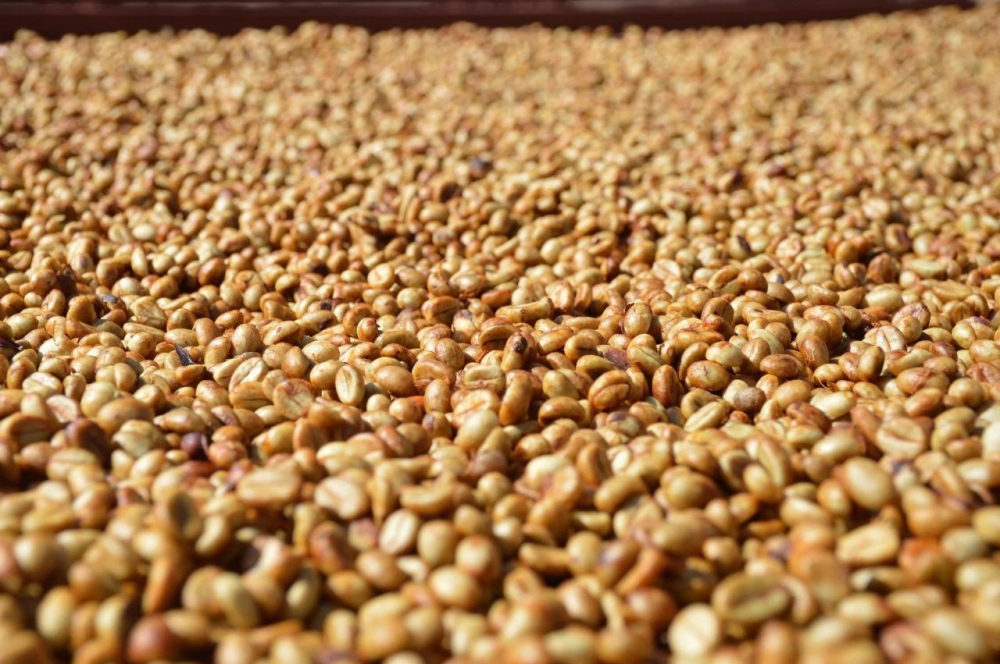
If you want to brew the essence of this coffee at home, it’s recommended to use medium-light roasted beans and adjust your pour over parameters accordingly. The roasters of a certain brand typically roast Mozart to a medium level to balance its floral-fruity notes and sweetness. As it’s a medium roast, the release of flavor compounds is relatively slow, so it’s suggested to use slightly higher water temperature and finer grind size for optimal extraction.
It’s recommended to use a Hario V60 dripper for pour over brewing. Its 12 long ribs design promotes fast water flow, making it suitable for medium-to-high water temperatures and fine grind sizes, effectively controlling brew time. Specific parameter suggestions are as follows: water temperature around 91°C, coffee dosage 15 grams, coffee-to-water ratio 1:15, grind size can refer to about 80% extraction through a Chinese standard No. 20 sieve. When pouring, first add 30 grams of hot water for a 30-second bloom, then slowly circle pour from the center outward to 125 grams, wait for the water level to drop, then continue pouring to 225 grams, with total brew time controlled around 2 minutes.
Many home pour over beginners often use the single-pour (one-shot) method, but in comparison, the three-stage pouring technique better highlights the layered and sweet profile of this Mozart coffee. The three stages consist of the bloom, the first pour to 125 grams, and the second pour to 225 grams, effectively extending flavor release and avoiding overly concentrated extraction. In practice, coffee brewed using the three-stage method has a smoother, fuller mouthfeel, with more distinct layers of berry and honey aromas.
Overall, these Costa Rican Mozart coffee beans, thanks to their unique raisin honey processing method, combined with high-altitude cultivation and small-batch refined processing, result in a specialty coffee that is rich in flavor, prominently sweet, and complex in layers. Whether you’re a coffee novice or an advanced enthusiast, mastering the right brewing parameters and techniques will allow you to easily enjoy at home this music-and-fruit intertwined coffee experience from the Tarrazú mountains.
The above content is compiled by CoffeeHunters, a coffee news website.


