







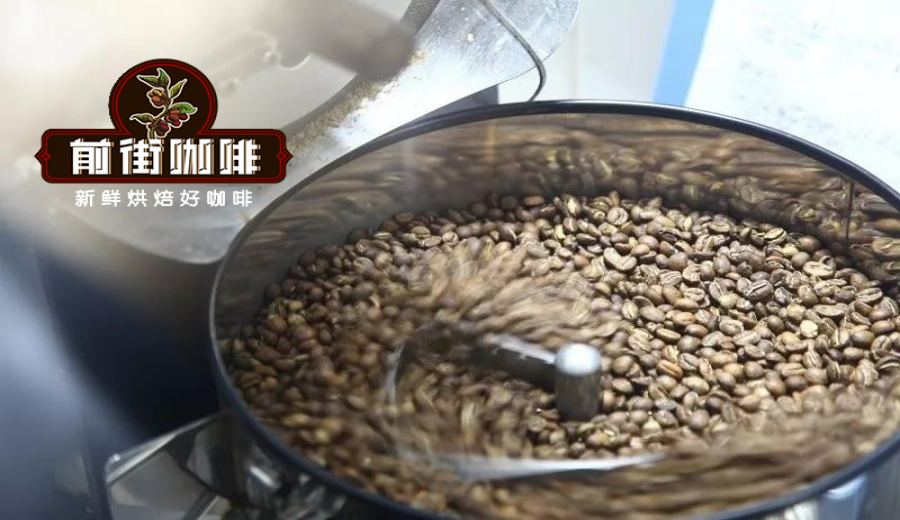
Introduction:Medium-roasted and medium-dark-roasted coffee beans, known for their rich and balanced flavors, are popular choices for everyday drinking and brewing experiments. This article delves into the flavor differences between medium roast (medium), medium-dark roast (city+), and dark roast, explains how to select the right beans according to different brewing methods, and offers practical flavor descriptions and extraction tips to help you better appreciate the charm of these classic roast levels.
The degree of coffee roasting not only affects appearance and aroma but is also key to determining the final flavor profile of a cup. Within the medium and medium-dark roast range, there is generally lower sharp acidity and pronounced bitterness, instead showcasing a well-rounded and smooth overall performance. As a result, they become the first choice for many coffee enthusiasts for daily consumption or their first try with single-origin beans.
Within this roast range, medium roast is also known as medial roast (Medial / Medium). Its characteristics include distinct flavor layers, with initial balance between acidity, sweetness, and bitterness, while retaining the coffee bean’s original fruity notes and sweetness. At this stage, the body of the coffee has significantly increased, making it suitable for users who prefer a solid mouthfeel without sacrificing freshness. Additionally,medium roast is commonly used in blended coffee recipes, and also performs steadily in pour over or French press brewing.
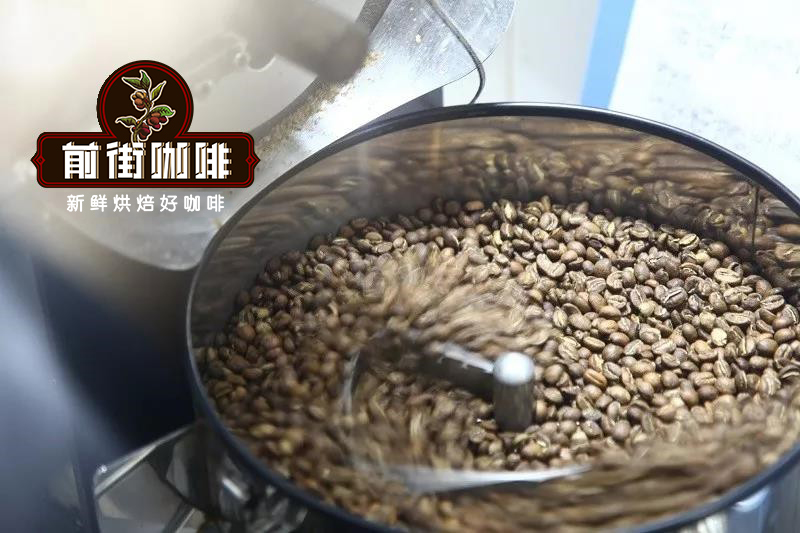
Medium-dark roast (also known as City+ or city plus roast) further deepens the complexity of flavors, with bitterness and acidity becoming more harmonious, and more sweet aromas and nutty tones emerging from caramelization reactions. This roast level performs excellently in French press, siphon, and certain pour over techniques, and serves as the foundation for many classic coffee blends. For example, beans from South America, when medium-dark roasted, often exhibit chocolate, cream, and even subtle spicy notes, making them ideal for drinkers seeking balanced flavors.
Dark roast (Dark Roast), on the other hand, pushes smoky richness and body to the extreme, with pronounced bitterness and almost no acidity, delivering an intense flavor experience. This roast level is common in European and Japanese markets, especially appealing to consumers who enjoy strong, caramel- and woody-toned coffees. Dark roast beans, when used in siphon or French press, can showcase an intense concentration and long-lasting aftertaste.
If you prefer brewing methods like pour over or siphon that highlight subtle details, it is recommended to prioritize medium or medium-dark roasted beans. These roast levels retain sufficient acidity and sweetness along with layered flavors, and through proper grind size and water temperature control, it’s easier to extract surprisingly good results. For instance,medium roast is suited to a medium-coarse grind (similar in coarseness to fine beach sand), with a water temperature recommendation of 90–93°C, and a brewing time controlled between 2–3 minutes, which can fully bring out the fruitiness and rich base of the beans.
For medium-dark roast beans, due to their higher density and more concentrated flavors, it is advisable to slightly adjust to a coarser grind and, if necessary, tweak the water temperature to 88–91°C to help avoid over-extraction that could lead to bitterness. These beans are commonly found as the base in single-origin coffees or blended recipes, making them suitable for experimenting with and comparing various brewing methods.
Whether you are just starting out or already have some experience as a coffee enthusiast, understanding how different roast levels affect flavor and extraction can help you more accurately choose coffee beans that suit your taste, and achieve more consistent, high-quality experiences in practice.
The above content is compiled by CoffeeHunters, a coffee news website.


