








Introduction:Want to brew pour over coffee at home that rivals café-quality? In addition to selecting premium coffee beans, mastering the right brewing technique is key. This article delves into four classic Japanese pour over methods—the Matsuya style, the Kawahara style, the Volcano pour, and the Zigzag pour—to help you understand the steps, flavor profiles, and practical tips of each. It also recommends several high-value beginner-friendly single-origin beans from three major producing regions—Africa, Asia, and the Americas—and provides detailed parameters including grind size, water temperature, brew ratio, and extraction time to help you find the cup that best suits your taste.
Enjoying a professional-grade pour over coffee at home isn’t just about choosing the right beans—it’s also about mastering the correct brewing technique. This article introduces you to four classic Japanese pour over methods: the Matsuya style, the Kawahara style, the Volcano pour, and the Zigzag pour. Each technique has its unique steps and flavor characteristics, suitable for beans of different roast levels and regional flavor profiles. Additionally, based on the three major coffee-producing regions—Africa, Asia, and the Americas—we’ve carefully selected several high-value single-origin beans ideal for pour over beginners, along with detailed brewing recommendations including filter choice, water temperature control, brew ratio, grind coarseness, and specific techniques to help you easily brew your ideal cup.
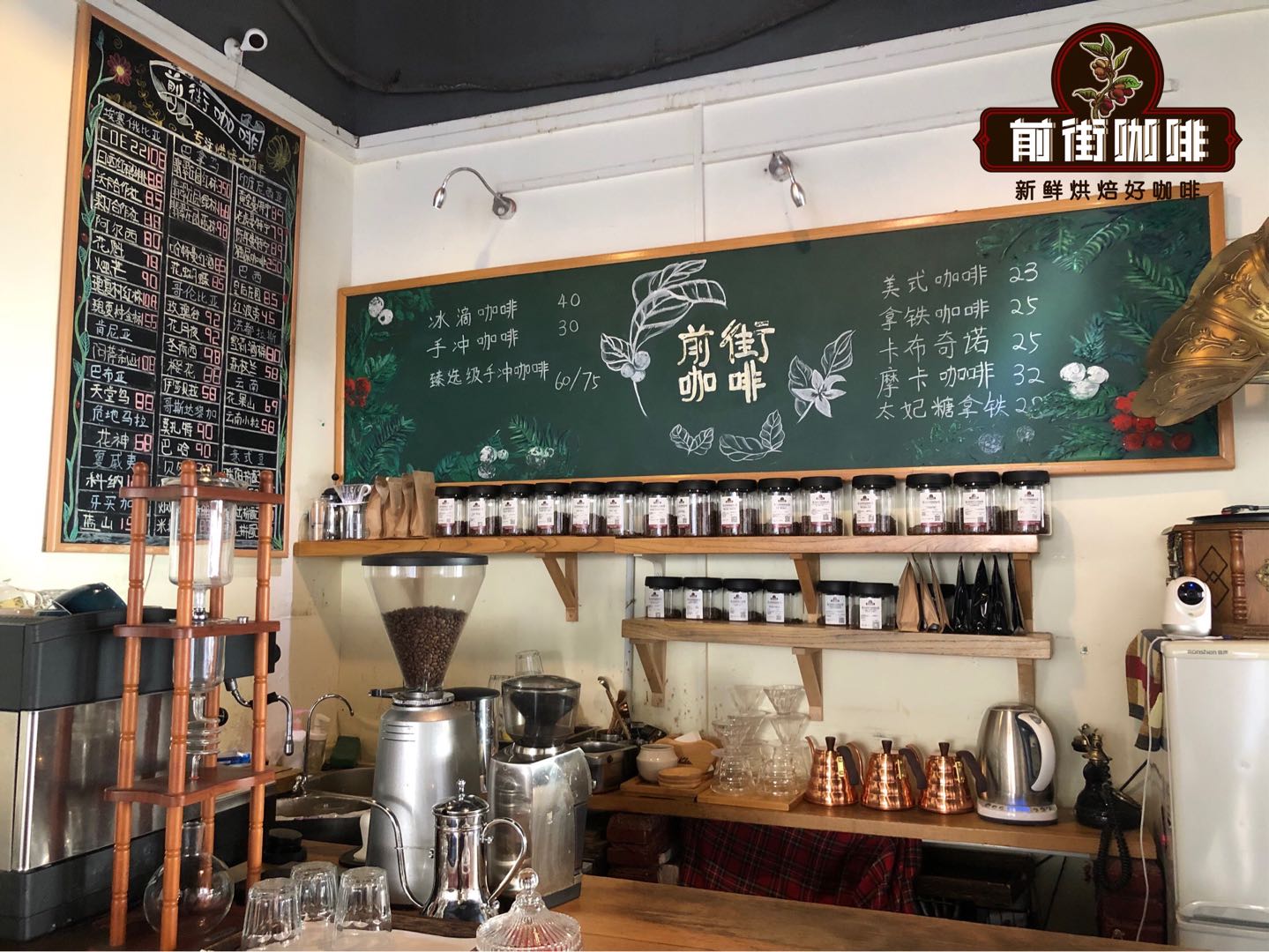
Japanese pour over techniques emphasize detail and patience, which also reflect the "artisan spirit" in Japanese coffee culture. These methods allow beans from different regions and roast levels to showcase their purest flavor traits. Below, we’ll break down the key steps and suitable scenarios for each of the four classic Japanese pour over methods.
1. Matsuya Style Pour Over
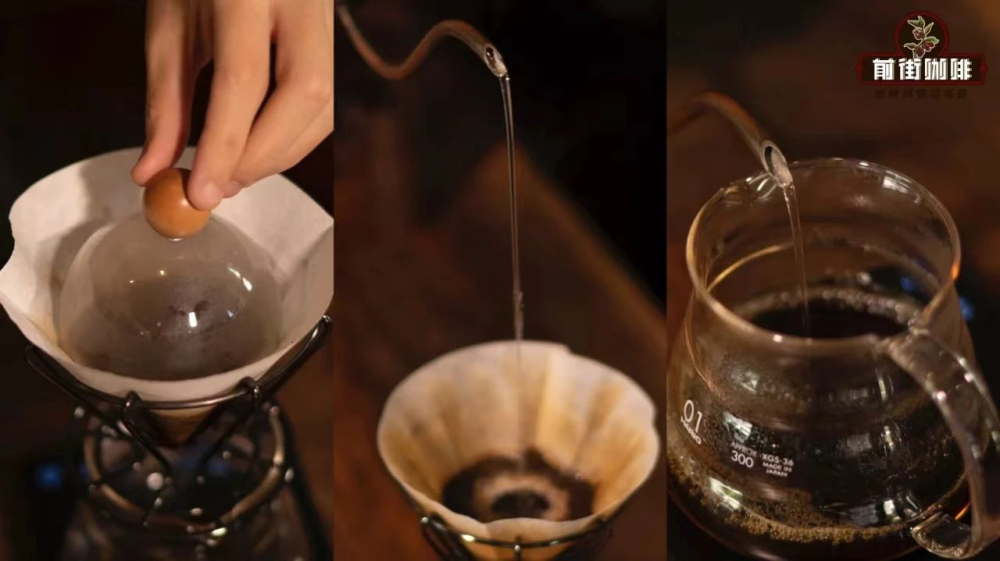
Created by Kazuyoshi Matsushita in 1962, the Matsuya style is characterized by using coarse-ground coffee and long blooming times, paired with specially made filter paper and a metal stand to maintain optimal expansion space for the coffee bed. The process begins by creating a well in the center of the coffee bed, pouring fine streams of water from a height. Once the coffee starts dripping, switch to a circular pouring motion to fully wet the grounds, followed by a three-minute bloom. After blooming, continue evenly pouring until the server is half full, then adjust concentration by diluting with hot water. A unique feature of this method is that the brewed coffee remains stable even after sitting for a while, without becoming cloudy.
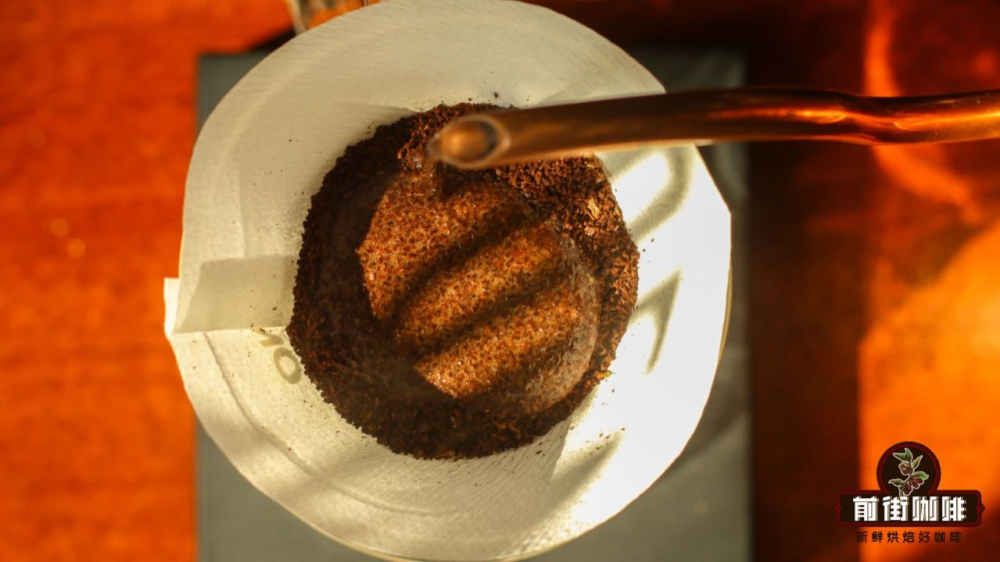
2. Kawahara Style Pour Over (Drip Method)
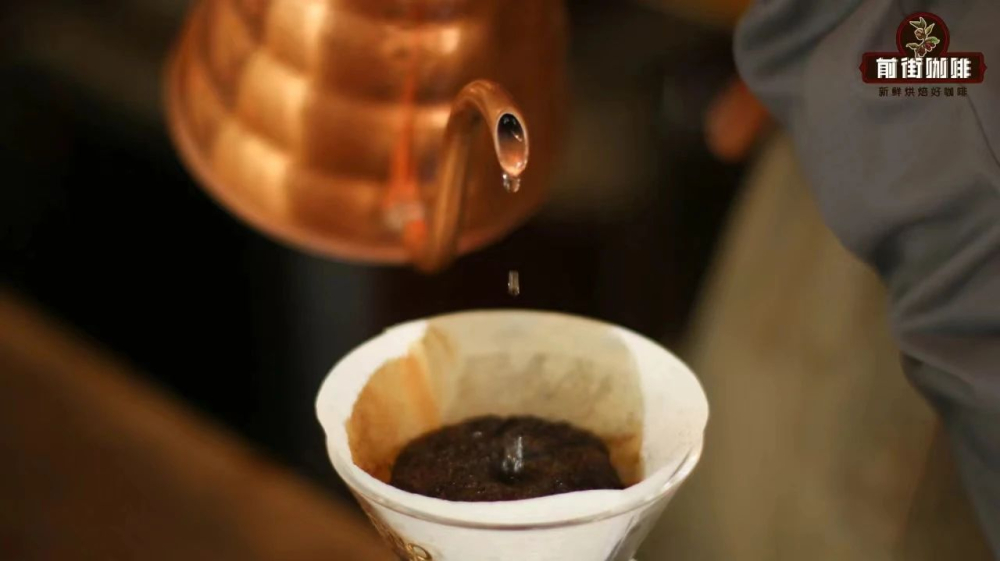
Also known as the drip method, the Kawahara style involves slowly pouring water drop by drop, as precise as an hourglass. This technique emphasizes thorough blooming and demands high stability and patience. Typically, water is first poured in a concentrated spot to pre-wet the coffee, waiting until about one-third of the drips have fallen before gradually expanding the pour area. When the water level rises to the top of the coffee bed, pause and wait until it drops halfway before continuing. This helps fully bring out the sweetness of the coffee while reducing acidity and bitterness.
3. Volcano Pour Over
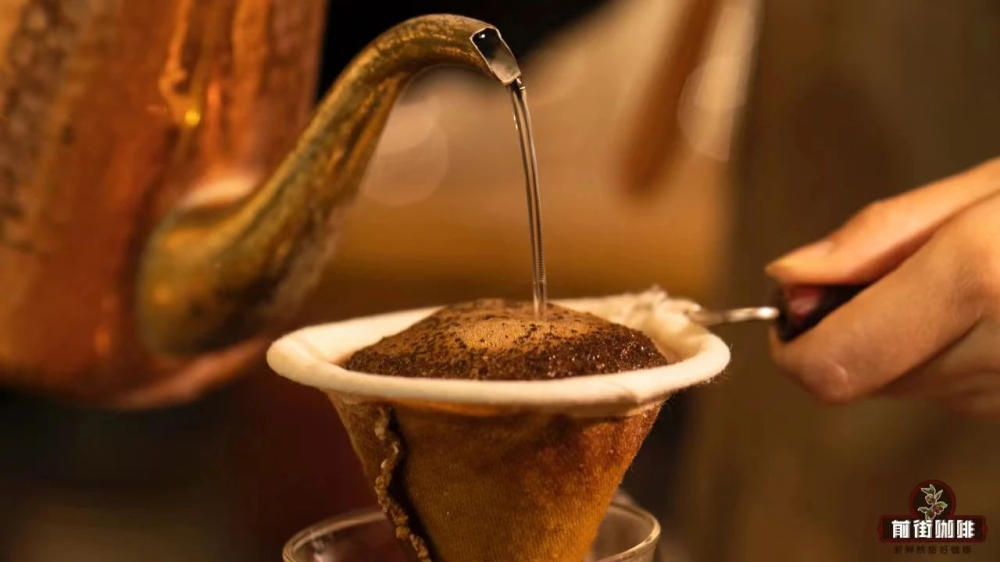
The Volcano pour utilizes the abundant CO₂ in dark roasted beans, causing the coffee bed to expand like a volcano through multiple blooming stages, making it ideal for use with a cloth filter. Water is poured in a focused area roughly the size of a coin, with the first half emphasizing avoidance of over-extraction and the second half focusing on even pouring to balance overall strength. Due to the significant difference in extraction between the two phases, the final coffee must be mixed evenly to achieve a rich and bold mouthfeel.
4. Zigzag Pour Method
Created by Japanese barista champion Teruharu Tawara, this method uses a cloth filter and skips the blooming stage entirely, completing extraction in just 40 seconds. Its hallmark is a zigzag pouring pattern that ensures even water distribution, with pour volume adjusted according to the drip concentration. This technique yields a coffee with a full body, intense aroma, and noticeable sweetness, often referred to as the “cloth filter version of espresso.”
While these techniques may seem complex, there is no absolute standard for pour over—water quality, filter design, grind size, brew ratio, water flow speed and height, pouring method (circular or point), and extraction time all influence the final flavor. Beginners are encouraged to gradually adjust these factors during practice to find the combination that best matches their taste preferences.
Next, we’ll recommend several high-value single-origin beans for pour over beginners based on the three major producing regions, along with corresponding brewing parameters and suggestions.
African Single-Origin Coffee Recommendation: Yirgacheffe
From Ethiopia, Yirgacheffe is renowned for its unique citrus and berry acidity and is a representative of light-roast beans. It’s recommended to try the washed Yirgacheffe, which offers a clean and bright flavor profile with notes of jasmine, berries, lemon, and citrus—perfect for practicing pour over and experiencing the fundamental flavors of the region.
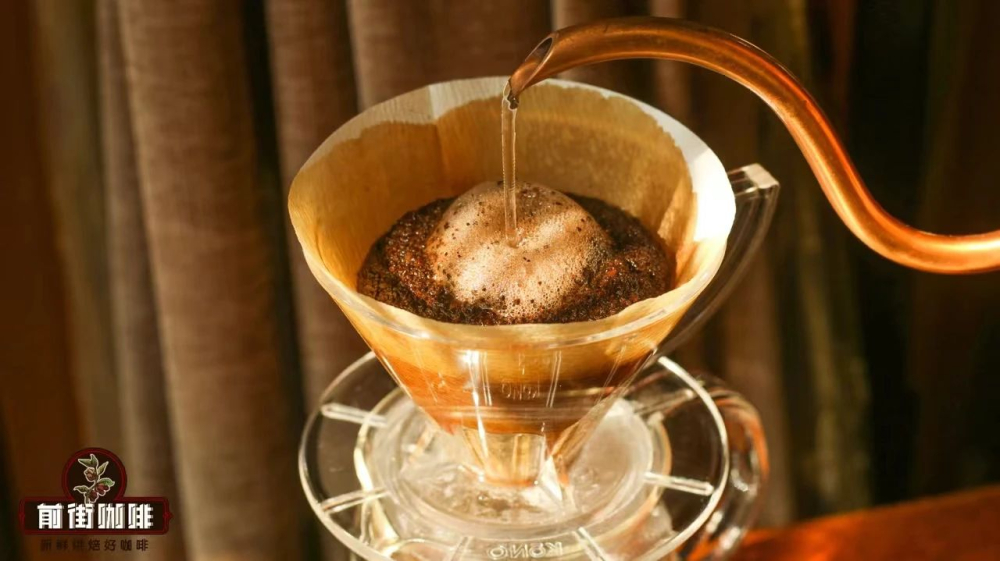
Suggested equipment: V60 filter; water temperature around 90°C; brew ratio 1:15; grind size passing 80% through a #20 Chinese sieve; coffee dose 15g. Begin with a 30g bloom for 30 seconds, then pour in small circles up to 125g, followed by pouring to 225g total. Total brew time is approximately 2 minutes and 5 seconds. This setup highlights Yirgacheffe’s fruity acidity and aromatic layers.
Asian Single-Origin Coffee Recommendation: Mandheling
Mandheling from Sumatra, Indonesia, is famous for its wet-hulled processing, delivering unique tobacco, earthy, and herbal aromas. Beginners are recommended to try the Lindong Mandheling everyday bean or the higher-end PWN Golden Mandheling, which undergoes four rounds of hand sorting for a cleaner, more balanced flavor with harmonious acidity, sweetness, and bitterness—though it comes at a relatively higher price.
For pour over, a step brewing method is suggested. For light to medium roast beans, use a V60 filter with water at 90°C, brew ratio 1:15, and grind size 80%; for medium to dark roast beans, opt for a Kono filter with water temperature slightly lowered to 88°C and grind size between 70–75%. Both start with a 30g bloom for 30 seconds, then pour to 125g before continuing to 225g. Total brew times are about 2 minutes and 0 seconds and 2 minutes and 10 seconds respectively. Lindong Mandheling offers herbal, dark chocolate, and caramel notes, while PWN Golden Mandheling showcases layers of nuts, spices, and chocolate.


Americas Single-Origin Coffee Recommendation: Huehuetenango
Coffee beans from Guatemala’s Huehuetenango region are washed processed, with flavors that sit between the brightness of African beans and the body of Asian beans. Medium roast highlights a balanced profile of nuts, lemon peel, berries, and citrus—ideal for beginners wanting to explore the multifaceted character of Central American beans.
Recommended setup: V60 filter; water temperature 90°C; brew ratio 1:15; grind size 80%; coffee dose 15g. Start with a 30g bloom for 30 seconds, pour to 125g, wait for the water level to drop halfway, then continue to 225g. Total brew time is about 2 minutes, showcasing the bean’s harmonious blend of nutty base and fruity notes.
In summary, the charm of pour over coffee lies in its flexibility to tailor to personal taste—from bean selection, grinding, filter choice, to technique and parameters, every step is worth savoring and experimenting with. We hope this beginner’s guide and bean selection will help you find your perfect cup of pour over coffee.
The above content is compiled by CoffeeHunters, a coffee news website.


