







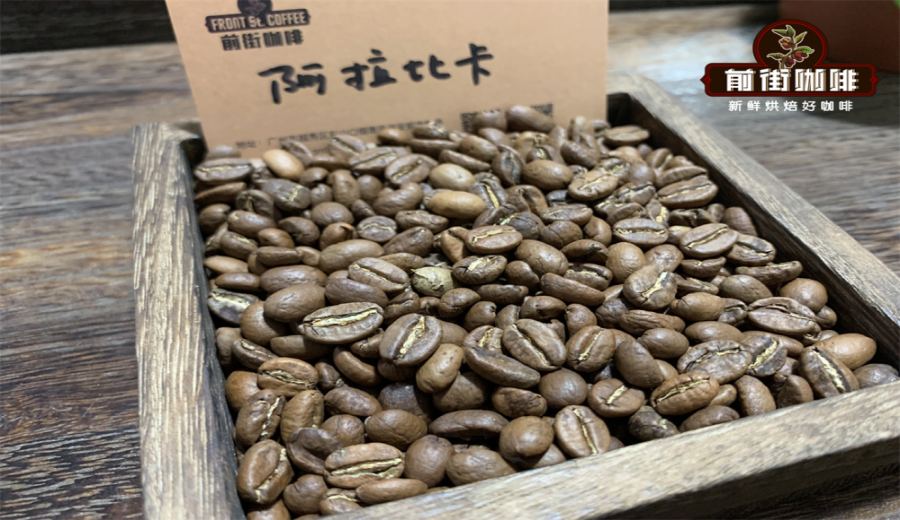
Introduction:Although Arabica coffee beans account for nearly 75% of global production, most people still have only a vague understanding of the differences between their varieties and the brewing methods that suit them best. This article delves into the origins, flavor profiles, and cultivation characteristics of three major mainstream Arabica-derived varieties—Typica, Bourbon, Caturra, and Catuai—as well as providing practical pour over recommendations to help you choose the bean that best matches your taste preferences.
Arabica is not a single coffee variety, but rather one of the three major commercial coffee species globally, renowned for its delicate flavors. Its caffeine content remains steadily within0.8% to 1.5%, yet it contributes to about75%of global coffee production. However, this widely favored bean is naturally demanding in terms of environment, suitable only for cultivation in cooler high-altitude regions, and is highly susceptible to frost, drought, and leaf rust, resulting in relatively higher cultivation difficulty and cost.
To trace the origin of the name "Arabica," we must return to the birthplace of coffee—Africa. Early tribes in the region used to chew coffee leaves for stimulation, which was later refined by Arab scholars into a beverage made from roasted seeds. Due to religious reasons, coffee became a popular alternative to alcoholic beverages across the Arab world, and the term "Arabica" (meaning "Arabian") was thus coined. It then spread to Europe and the Americas through the trade networks of the Ottoman Empire, becoming the internationally recognized variety name we use today.
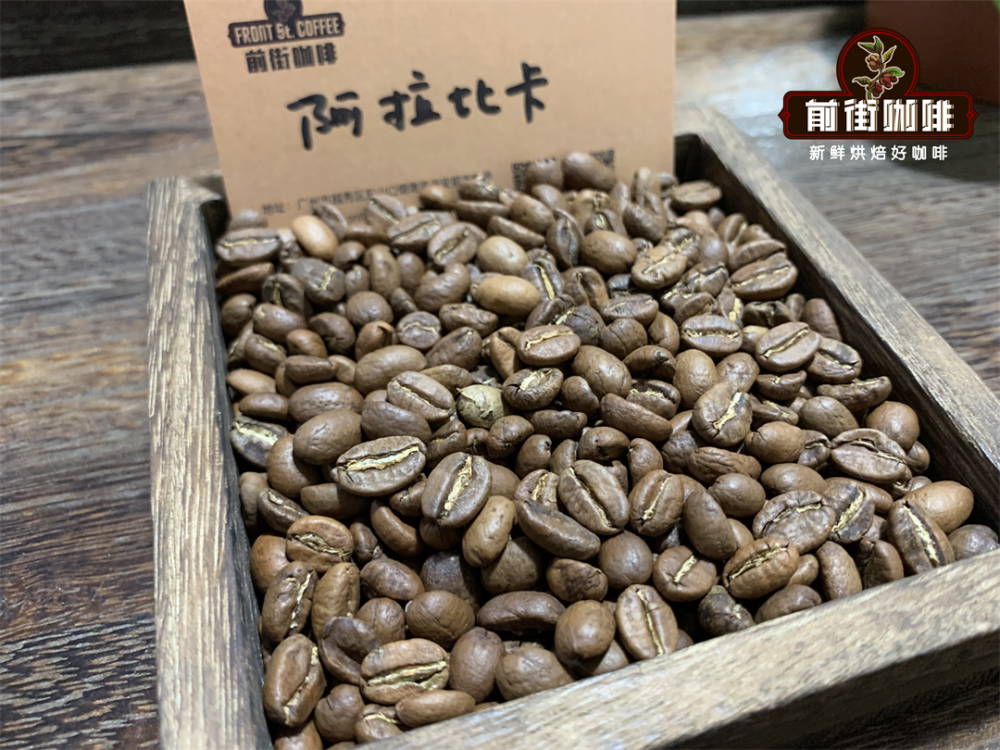
In the modern specialty coffee system, "100% pure Arabica" is often seen as synonymous with high quality. These beans typically scoreabove 80 pointsin professional cuppings, far surpassing the performance of most Robusta varieties. Next, we will focus on four of the most representative Arabica-derived varieties, exploring their unique flavors and suitable brewing applications.
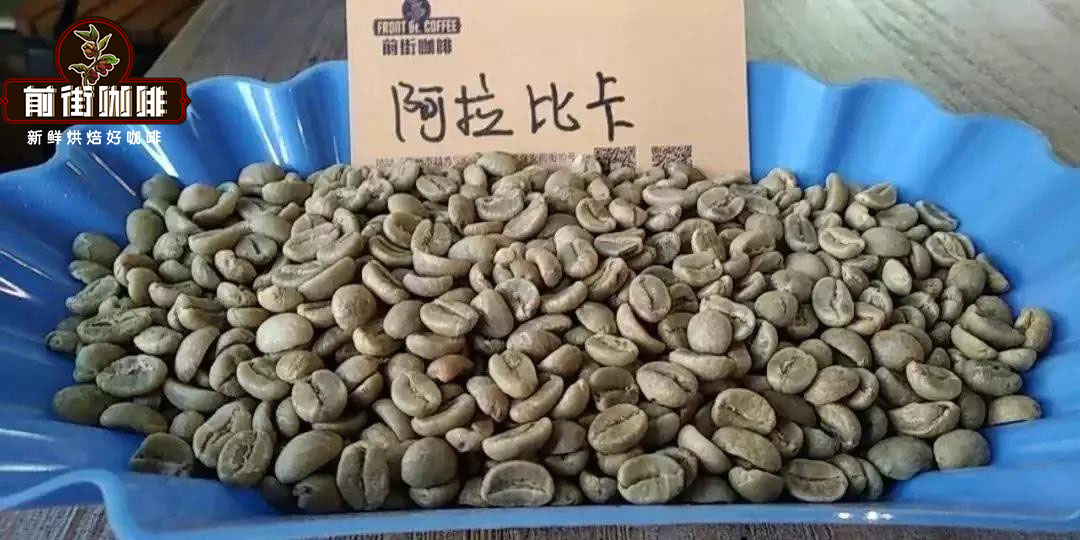
Typica—As one of the oldest original varieties of Arabica, Typica is believed to originate from Ethiopia, and its descendants include most of today’s well-known Arabica sub-varieties. This variety is known for its elegant floral and citrus notes, but it grows slowly and has weak disease resistance, especially to leaf rust, leading to relatively low yields. Despite this, Typica remains a “legend” in the hearts of many coffee enthusiasts due to its balanced flavor and classic profile. Recommended for those who enjoy delicate acidity and fruity notes, the suggested pour over parameters aremedium-light roastand90-93°C water temperatureto highlight its bright citrus and nutty layers.
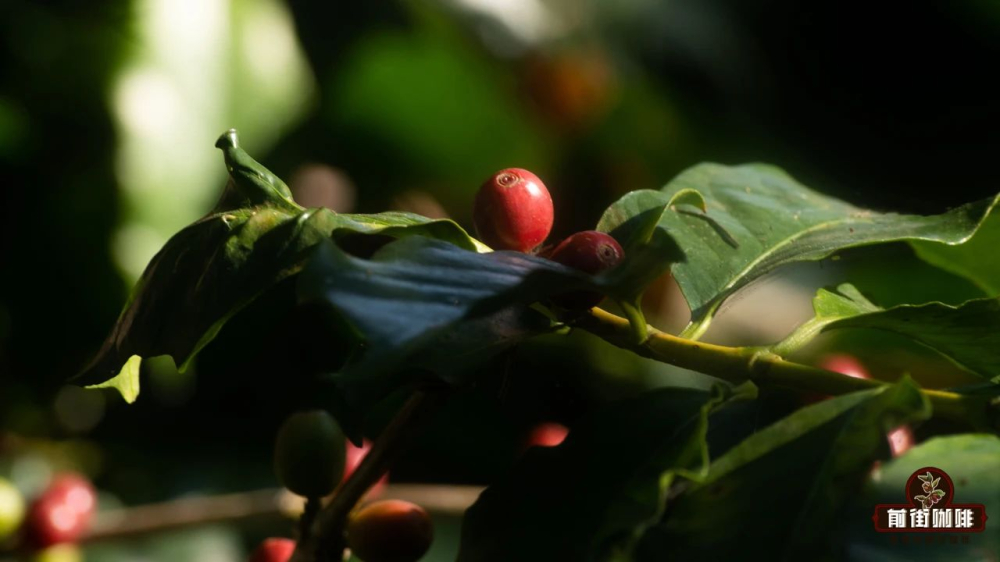
Representative beans include Typica from Sigris Estate in Papua New Guinea, which after washed processing showcases a harmonious blend of nuts, dark cocoa, cream, and citrus, ideal for drinkers who prefer a soft, sweet, and acidic style.
Bourbon—A mutation of Typica, Bourbon was first discovered on the island of Bourbon, hence its name. The ripe cherries are bright red. Compared to Typica, Bourbon has wider leaves and denser plant growth, with slightly higher yields but still considered a low-output variety. Its standout feature is its rich acidity with wine-like complexity and a long, sweet aftertaste. Common processing methods include honey and natural, which further enhance fruitiness and caramel flavors.
Take Yellow Bourbon from Fazenda Rainha in Brazil as an example. Grown at mid-to-high altitudes (1400–1950 meters) and processed via honey or natural methods, it releases intense layers of nuts, cream, peanuts, and fermented fruits. Suitable formedium-dark roastand88–91°C water temperaturewhen brewing pour over, to bring out its sweetness and full body.
Caturra—A single-gene mutation of Bourbon, Caturra was discovered in Brazil in 1937. It offers higher productivity and better disease resistance, with shorter plants that make harvesting easier. Although it shares the biennial yield fluctuation issue with Bourbon, it adapts well to high-density planting environments and can even be grown under intense sunlight (commonly known as “sun-grown coffee”), though additional fertilization is needed to maintain vitality. Its flavor profile is similar to Bourbon, characterized by bright acidity and citrus notes.
A blend of Caturra and Catuai from Finca Esmeralda in Panama, processed using the natural method, presents a complex flavor profile of citrus, honey, nuts, and cocoa. For pour over, it is recommended to usemedium-light to medium roastand90–92°C water temperatureto enhance its fresh fruity notes and layered complexity.
Catuai—An Arabica hybrid variety, Catuai is a cross between Mundo Novo (New World) and Caturra. It combines wind and rain resistance with firm fruit characteristics, effectively reducing harvest losses. However, its flavor profile is relatively more one-dimensional, with less body and complexity than Caturra. Its fruit lifespan is only about ten years, a key limitation in cultivation. Suitable for environments prioritizing stable yield over extreme flavor demands.
The washed Catuai from Tarrazú, Costa Rica, features notes of citrus, berries, flowers, and light fermented wine aromas. For pour over, it is suggested to usemedium-light roastand91–93°C water temperatureto showcase its vibrant acidity and fruity layers.
In summary, the various varieties within the Arabica family, due to differences in genetics, cultivation conditions, and processing methods, create a rich and diverse range of flavor expressions. Understanding these characteristics will help you select the coffee beans that best align with your personal taste preferences and brewing habits, allowing you to enjoy a more precise and satisfying coffee experience.
The above content is compiled by CoffeeHunters, a coffee news website.


