







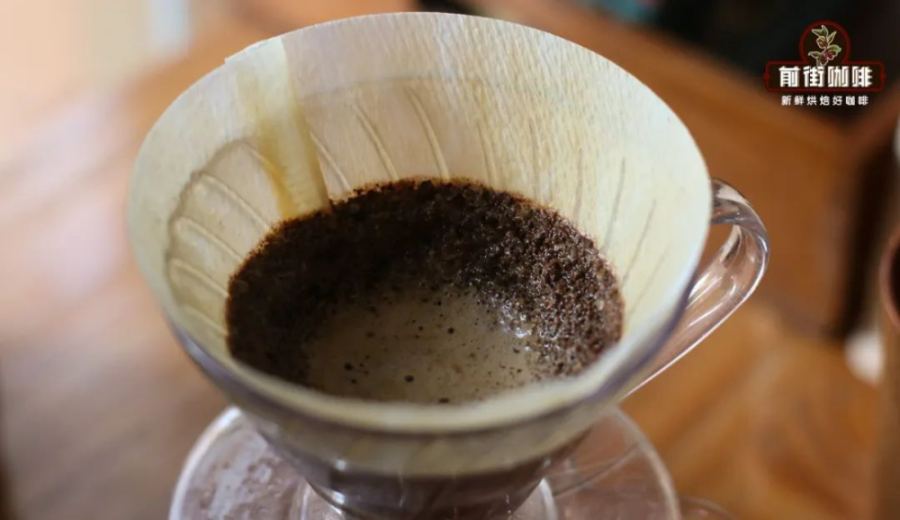
Introduction:When brewing pour over coffee, even with the same amount of coffee grounds, extraction time can vary significantly due to differences in flow rate. Understanding the factors that influence flow rate not only helps you better control your brewing pace, but also enhances the expression of coffee flavors. This article will take an in-depth look at key variables such as roast level, processing method, bean density, and grind size, while also offering practical tips for adjusting flow rate.
In real-world pour over brewing, many coffee enthusiasts may have encountered this situation: using 15 grams of coffee grounds, some beans finish extraction smoothly in about two minutes, while others finish dripping in less than a minute and a half. Where does this obvious difference in flow rate come from? And what do overly fast or slow flow rates each signify? Next, we’ll explore multiple critical perspectives to help you understand and control the flow rate of pour over coffee more scientifically.
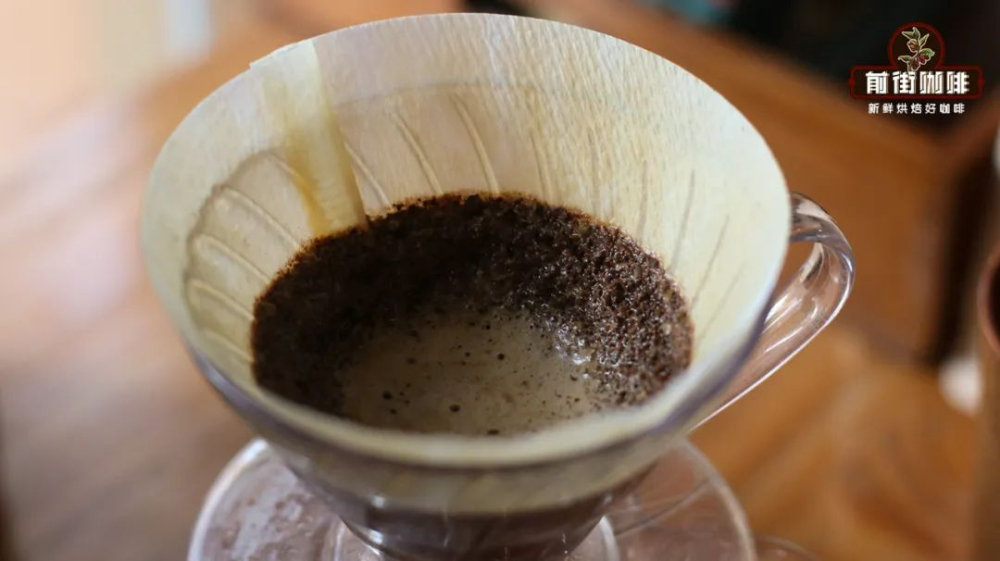
Many users have shared similar concerns: “Using the same 15 grams of coffee grounds, some beans produce a very stable extraction process, taking about two minutes to complete, but when switching to other beans, the water flows unusually fast and often finishes dripping in under a minute and a half.” This kind of scenario is actually not uncommon, and it is often closely related to the roast level and processing method of the beans.
For example, a faster flow rate is commonly seen in medium-to-dark roasted coffee beans, as well as certain beans processed using anaerobic methods. The former includes representative medium-to-dark roasted beans—such as Golden Mandheling—which offer a rich mouthfeel and intense roasted aroma. The latter are often medium-to-light roasted, such as Colombian Geisha and Costa Rican Mozart, which are known for their pronounced fruity notes and are typically processed via anaerobic fermentation.
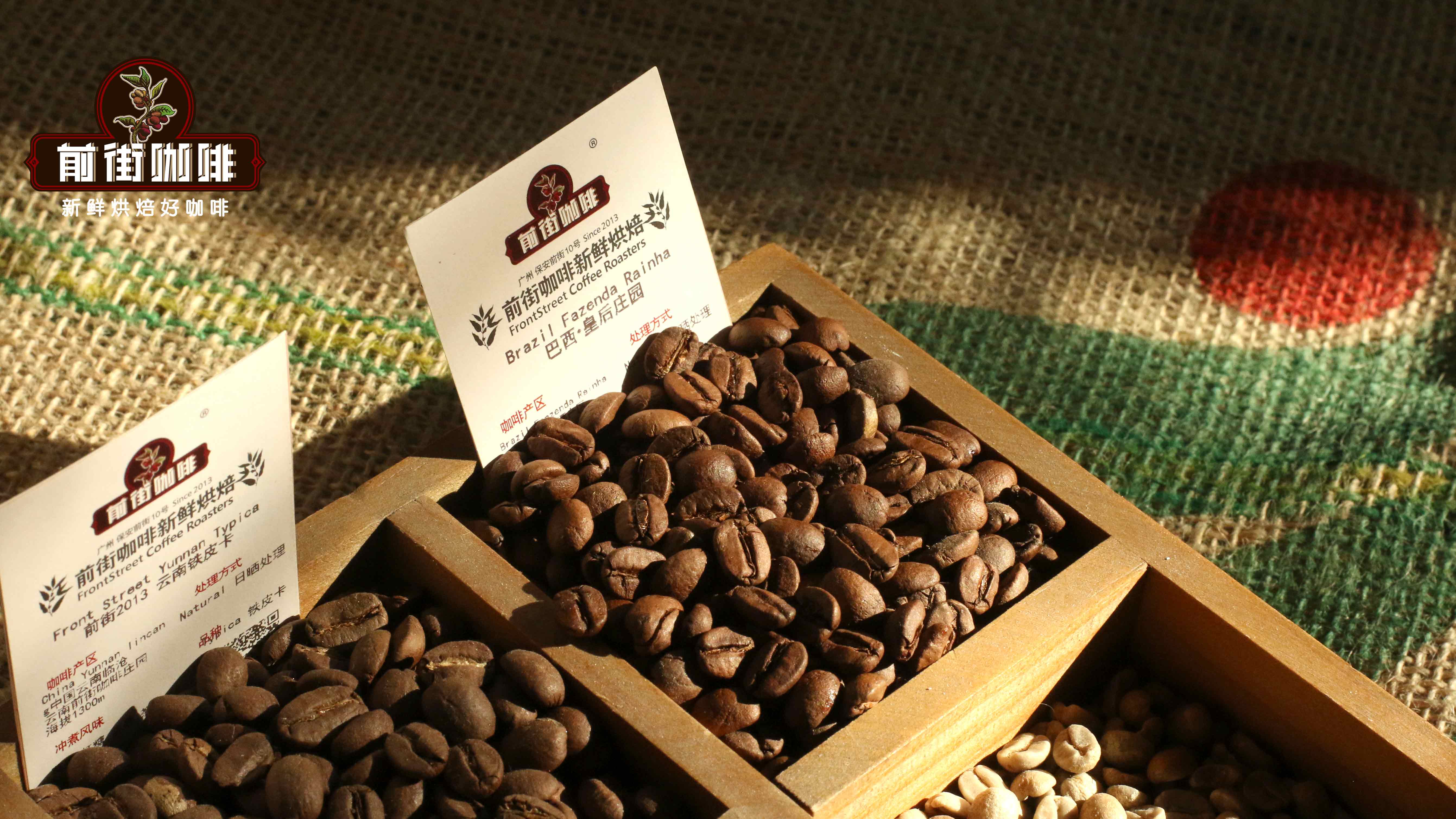
If you’ve used a hand grinder, you may have noticed that grinding light roasted beans, such as Yirgacheffe or Huākuí, often requires more effort, whereas grinding medium-to-dark roasted or anaerobically processed beans feels relatively easier—even requiring little force to break them down. This reflects the fact that the latter beans are relatively looser in texture and more fragile in structure, resulting in higher water absorption and gas release efficiency. During the blooming phase, these beans are more likely to form a distinct “hamburger”-shaped mound.
When air within the coffee bed is successfully released and the beans are looser in texture with lower density, the initial stages of pouring water can easily generate abundant foam. The coffee grounds may also float on the liquid surface or cling to the inner walls of the filter, thereby reducing resistance to water flow and making the downward flow smoother. This is also why anaerobically processed beans rarely experience pooling or clogging.
However, if you find that the water flows through anaerobic beans unusually quickly—for instance, an extraction that should normally take two minutes finishes in under a minute and a half—then this situation may have already exceeded a reasonable range. The issue often lies in the grind size setting. Many people tend to fix their grinders at two or three settings: finer for light roasts, coarser for medium-to-dark roasts, and somewhere in between for medium roasts. But this fixed mindset may not suit the characteristics of all bean varieties.
Therefore, if you notice that the water is flowing noticeably faster, exceeding your expected extraction rhythm, it’s recommended to slightly adjust the grinder to a finer setting. It’s worth noting that there’s a common belief that anaerobic beans need to be ground finer, but in reality, the more crucial factor is adjusting the grind setting so that the actual particle size is similar to that of your everyday sun-dried or washed beans, rather than blindly aiming for the finest possible grind.
Additionally, if you wish to extend the extraction time and allow flavors to be more fully released, you can also moderately reduce the water flow speed during pouring to avoid lifting the coffee bed too high, which can lead to overly smooth water flow. Such adjustments usually result in a final cup of coffee that is richer and more full-bodied, while also addressing the under-extraction issues caused by excessively fast flow rates.
The above content is compiled by CoffeeHunters, a coffee news website.


